Wellness Shots: Do They Boost Immunity or Just Hype?
Expert insights on whether wellness shots deliver real immunity benefits or empty promises.

What Are Wellness Shots?
Wellness shots, also known as immunity shots, have become increasingly popular in recent years as people search for quick, convenient ways to support their health. Unlike injectable medications, wellness shots are small, concentrated liquid beverages typically found at grocery stores, juice bars, and health food retailers. These shots usually contain a combination of vitamins, minerals, and plant extracts designed to deliver a concentrated dose of nutrients in just a few ounces.
The appeal of wellness shots lies in their simplicity and perceived convenience. Rather than consuming large quantities of fresh vegetables or taking multiple supplements, consumers can purchase a single shot promising immune-boosting benefits. During cold and flu seasons, sales of these products surge as people seek preventative health measures.
Common Ingredients and Their Properties
To understand whether wellness shots work, it’s important to examine their most common ingredients and what science says about each one:
Vitamin C
Vitamin C is one of the most recognizable ingredients in wellness shots. This water-soluble vitamin functions as an antioxidant and plays a role in immune cell function. However, research indicates that once you consume adequate amounts of vitamin C, taking additional supplements does not provide extra immune protection. The recommended daily intake for most adults is 75–90 mg, and exceeding this amount simply results in excess that your body excretes rather than utilizing.
Zinc
Zinc is another commonly featured nutrient in immunity shots. This mineral is genuinely important for immune response and may help reduce the duration of cold symptoms when taken early in illness. However, taking zinc in excess of recommended amounts—which is 8–11 mg daily for most adults—can lead to nausea, digestive problems, and in extreme cases, kidney damage. This is a critical consideration when consuming concentrated wellness shots.
Turmeric and Ginger
Both turmeric and ginger have been used in traditional medicine for centuries and contain compounds with anti-inflammatory properties. While these spices can support overall wellness, the evidence for their ability to significantly boost immunity remains limited. The amounts present in wellness shots are typically smaller than doses used in clinical research.
Echinacea and Elderberry
These herbal supplements are often promoted for their purported ability to alleviate cold symptoms. While some studies suggest modest benefits when taken at the first sign of illness, the evidence is mixed and not conclusive. Additionally, these herbs can interact with certain medications, particularly blood thinners.
Apple Cider Vinegar
Apple cider vinegar is frequently added to wellness shots for its supposed digestive and health benefits. While small amounts may support digestion, excessive consumption can erode tooth enamel and irritate the stomach lining. This is especially concerning when consuming concentrated shots rather than diluted forms.
Do Wellness Shots Actually Work?
Related Stories



The short answer is: not in the way marketing suggests. The immune system operates as a carefully balanced network rather than something that benefits from sudden “boosts.” Dr. Ravi Kesari, a General Medicine Expert, explains that while certain vitamins and minerals play important roles in immune function, consuming them beyond recommended daily amounts does not provide additional protection against illness.
The human body maintains homeostasis, meaning that excess nutrients are typically eliminated rather than stored or utilized for enhanced immunity. This is particularly true for water-soluble vitamins like vitamin C. Taking megadoses does not translate to a stronger immune system; instead, it may create unnecessary stress on your kidneys and digestive system.
Research demonstrates that the most significant factors supporting immune health are consistent, evidence-based practices rather than concentrated supplements. These include adequate sleep, regular physical activity, stress management, proper hydration, and a balanced diet rich in fruits, vegetables, and lean proteins.
Potential Risks and Side Effects
While occasional consumption of wellness shots is unlikely to cause serious harm, several risks merit consideration:
- Vitamin and Mineral Overload: Excessive amounts of vitamins C, zinc, and other nutrients can cause toxicity, leading to digestive upset, kidney damage, and nerve impairment.
- Medication Interactions: Herbal ingredients like Echinacea can interfere with blood thinners, anticoagulants, and other medications. Anyone taking prescription drugs should consult their healthcare provider before consuming wellness shots regularly.
- Gastrointestinal Issues: Apple cider vinegar in high concentrations can cause acid reflux, nausea, stomach irritation, and enamel erosion.
- False Security: Relying on wellness shots may create a false sense of protection, potentially causing people to neglect more important health practices like vaccination and handwashing.
Wellness Shots vs. Vaccines: An Important Distinction
One of the most significant misconceptions about wellness shots is that they can replace vaccines. This is fundamentally incorrect. Vaccines are scientifically proven medical interventions that stimulate your immune system to produce antibodies against specific infectious diseases, providing genuine protection against serious infections like influenza, COVID-19, and measles.
Wellness shots, by contrast, provide only temporary nutritional support. They cannot protect you against viral or bacterial infections. While a healthy diet supports immune function generally, it does not replace the targeted, long-term protection offered by vaccines. Confusing these two very different interventions could have serious health consequences.
Who Might Benefit from Wellness Shots?
Wellness shots are not inherently harmful, but they are not universally necessary either. Whether they make sense for you depends on your current diet and lifestyle:
- May be beneficial: If your diet lacks sufficient fruits, vegetables, and nutrient-dense foods, an occasional wellness shot could help fill nutritional gaps.
- Likely unnecessary: If you already eat a balanced, varied diet and maintain healthy lifestyle habits, wellness shots provide minimal additional benefit.
- Require caution: If you have existing health conditions, take medications, or have a history of kidney disease or digestive issues, consult your healthcare provider before regular use.
Evidence-Based Strategies for True Immune Support
Rather than relying on quick-fix wellness shots, scientific evidence supports these sustainable approaches to immune health:
Nutrition
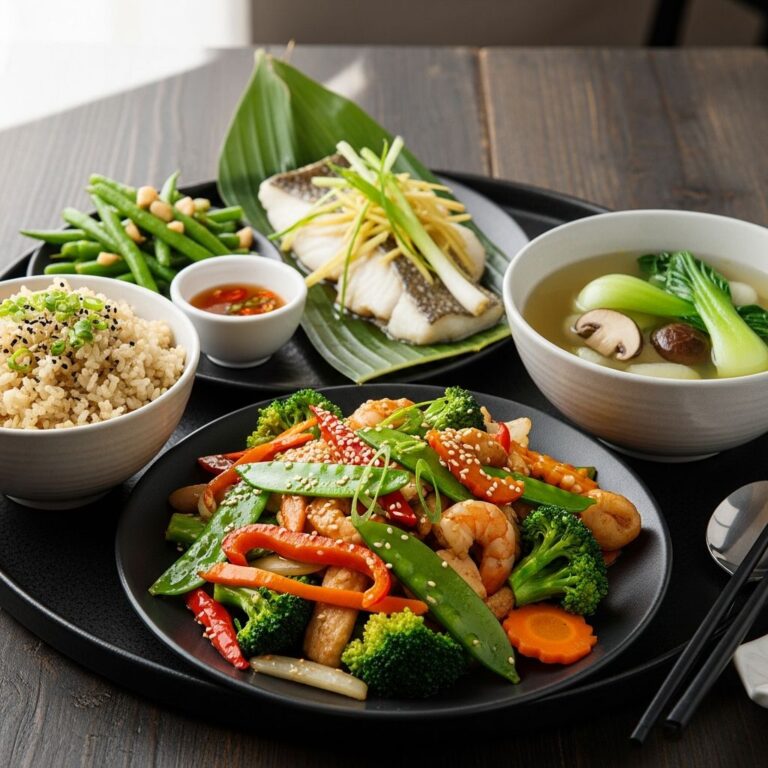
Consume a balanced diet rich in fruits, vegetables, whole grains, lean proteins, and healthy fats. This approach provides a full spectrum of nutrients in their most bioavailable forms, rather than isolated, concentrated extracts.
Sleep
Aim for 7–9 hours of quality sleep nightly. Sleep deprivation significantly undermines immune function and increases susceptibility to infection.
Physical Activity
Engage in regular moderate-intensity exercise. Physical activity keeps immune cells active and responsive while reducing inflammation.
Stress Management
Chronic stress suppresses immune function. Practice stress-reduction techniques such as meditation, yoga, deep breathing, or time in nature.
Hydration
Drink adequate water throughout the day. Proper hydration supports all bodily functions, including immune response.
Vaccination
Stay current with recommended vaccines. Vaccination remains one of the most effective public health interventions for preventing serious infectious diseases.
The Bottom Line on Wellness Shots
Wellness shots represent a modern wellness trend that capitalizes on the widespread desire for convenient health solutions. While the individual ingredients often have legitimate health properties, the concentrated format and marketing promises often exceed the actual scientific evidence.
These products are not inherently dangerous when consumed occasionally, but they should never replace a balanced diet, regular medical care, or vaccination. They are also not a substitute for the fundamental lifestyle practices that genuinely support immune health: nutritious food, adequate sleep, regular exercise, stress management, and proper hydration.
If you are considering adding wellness shots to your routine, particularly if you have existing health conditions or take medications, consult with your healthcare provider first. They can assess whether such products are appropriate for your individual health status and help you focus resources on the evidence-based practices that will most benefit your long-term health.
Frequently Asked Questions
Q: Are wellness shots safe for daily consumption?
A: Occasional consumption is generally safe for most healthy adults, but daily use can lead to excessive nutrient accumulation and potential toxicity. Consult your healthcare provider about appropriate frequency based on your individual health status.
Q: Can wellness shots prevent colds and flu?
A: No. While they provide nutrients that support general immune function, wellness shots cannot prevent specific infections. Vaccination, handwashing, and healthy lifestyle practices are more effective preventative measures.
Q: Are wellness shots a good substitute for multivitamins?
A: Neither wellness shots nor multivitamins should be primary sources of nutrition. A balanced diet is always preferable. If supplementation is necessary, talk to your healthcare provider about which products and doses are appropriate for you.
Q: What should I look for when choosing a wellness shot?
A: Check ingredient lists for transparent dosing information, look for third-party testing certifications, and avoid products making exaggerated immunity claims. Products from reputable manufacturers with clear labeling are preferable.
Q: Can wellness shots interact with medications?
A: Yes. Herbal ingredients in wellness shots can interfere with blood thinners, immunosuppressants, and other medications. Always discuss new supplements with your healthcare provider or pharmacist, especially if you take prescription medications.
References
- Do Health Shots Really Boost Immunity? Expert Breaks It Down — Health and Me. 2025. https://www.healthandme.com/nutrition/do-health-shots-really-boost-immunity-expert-breaks-it-down-article-151324264
- Recommended Dietary Allowances (RDAs) and Adequate Intakes (AIs) — National Institutes of Health, Office of Dietary Supplements. 2024. https://ods.od.nih.gov/
- Sleep, Immunity, and Infection — Centers for Disease Control and Prevention. 2024. https://www.cdc.gov/sleep/
Similar Articles








Read full bio of medha deb