Wells Syndrome: A Comprehensive Guide To Eosinophilic Cellulitis
Eosinophilic cellulitis (Wells syndrome): Rare recurrent inflammatory skin disorder mimicking bacterial cellulitis with flame figures on biopsy.
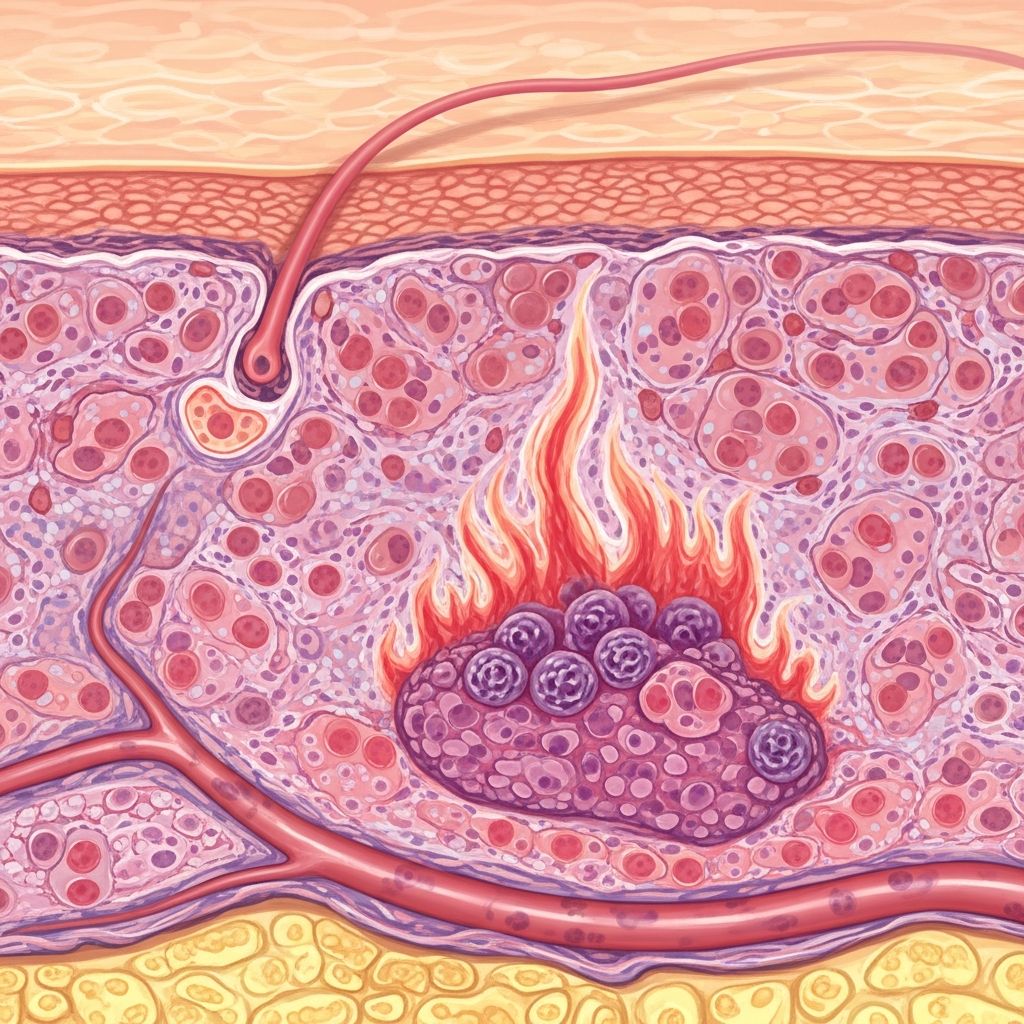
Wells syndrome, also known as eosinophilic cellulitis, is a rare, recurrent inflammatory skin disorder characterized by cellulitis-like plaques, often confirmed by biopsy showing flame figures and eosinophilic infiltration.
What is eosinophilic cellulitis?
Eosinophilic cellulitis, or Wells syndrome, represents an uncommon dermatological condition first described in 1971 by Robert Wells. It manifests as episodic, inflammatory skin lesions that clinically mimic bacterial cellulitis or erysipelas due to their erythematous, oedematous appearance. Despite its alarming presentation, it is a non-infectious hypersensitivity reaction involving marked eosinophilic dermal infiltrate. Fewer than 200 cases have been documented in medical literature, underscoring its rarity. The condition can affect individuals across all age groups, from infants to the elderly, with no strong gender predilection, though some series report a slight female predominance.
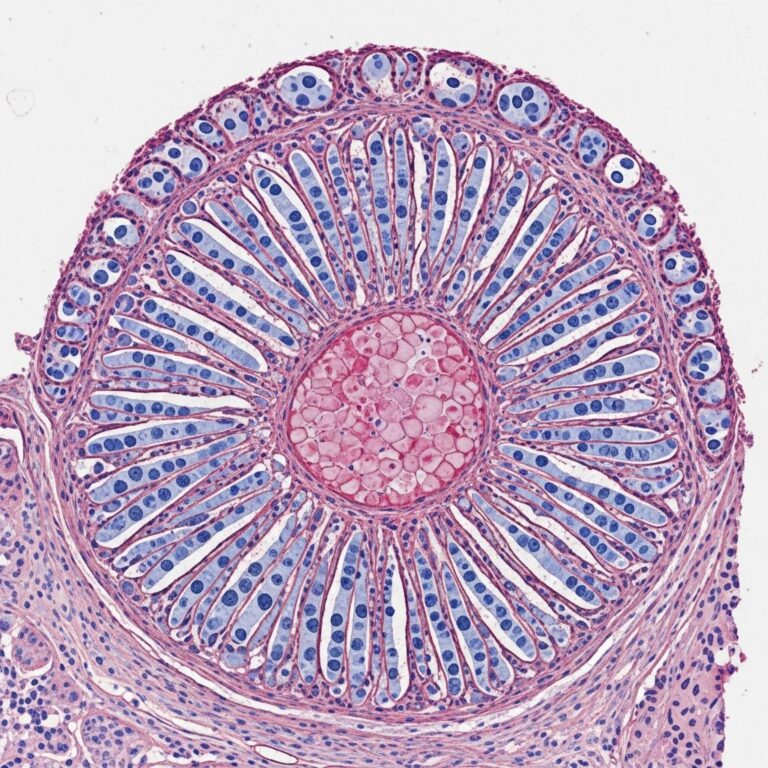
Pathophysiologically, Wells syndrome involves a hypersensitivity response leading to eosinophil recruitment, degranulation, and collagen damage in the dermis. This results in the hallmark histological feature: flame figures, which are eosinophil granules coating degenerated collagen bundles, appearing as bright pink-purple structures under microscopy. While idiopathic in most instances, it may be triggered by various factors, contributing to its recurrent nature. Early recognition prevents unnecessary antibiotic use, as misdiagnosis as infectious cellulitis is common, leading to delayed appropriate therapy with corticosteroids.
Introduction
Wells syndrome typically follows an acute onset, with lesions evolving through stages: initial oedema and erythema, followed by induration, vesiculation, and eventual resolution with post-inflammatory hyperpigmentation. Systemic symptoms like fever, arthralgias, or malaise occur in up to 50% of cases, further mimicking infection. Peripheral blood eosinophilia is present in approximately 50% of patients but is neither sensitive nor specific for diagnosis. The disease course is often relapsing-remitting, with spontaneous resolution of individual lesions over 1-3 weeks, but new crops may emerge without treatment.
Demographics
Wells syndrome has been reported in patients of all ages, including neonates, children, adults, and the elderly. Pediatric cases, particularly the plaque-type variant, are well-documented, often presenting on the trunk or limbs. In adults, an annular granuloma-like morphology predominates. Case series indicate no racial or geographic predilection, with incidences sporadic worldwide. A review of 32 cases showed ages ranging from 11 months to 80 years, with both sexes equally affected.
Causes
The precise aetiology of eosinophilic cellulitis remains unknown, but it is widely regarded as a localized hypersensitivity reaction to an unidentified antigen. Most cases are idiopathic, lacking an identifiable trigger. However, associations have been reported with:
- Insect bites or stings (e.g., arthropod assaults leading to exaggerated eosinophilic response).
- Drug eruptions (e.g., cessation of implicated medications like antibiotics or anticonvulsants resolves lesions).
- Infections (viral, bacterial, parasitic, though cultures are negative).
- Autoimmune or haematological disorders (e.g., preceding haematological malignancies or hypereosinophilic syndrome).
- Vaccinations or immunizations.
- Physical factors (e.g., surgery, trauma).
In rare instances, treating the underlying trigger, such as discontinuing a causative drug, leads to complete resolution without recurrence. Genetic predispositions are not established, and no familial clustering has been noted.
Clinical features
The presentation of Wells syndrome is protean, but the classic form features pruritic or burning, erythematous nodules or plaques resembling cellulitis, predominantly on extremities. Lesions are often single initially but become multiple and recurrent. Key morphological variants include:
Related Stories



- Plaque-type: Indurated, oedematous plaques with advancing borders, most common in children.
- Bullous: Vesicles or tense bullae atop erythematous bases, mimicking bullous cellulitis.
- Annular: Centrifugal, ring-like lesions akin to granuloma annulare or eosinophilic annular erythema (a rare subtype).
- Papular/nodular: Discrete papules or nodules on trunk or limbs.
- Morbilliform: Widespread rash resembling viral exanthems.
Lesions evolve over days: early flame-red induration progresses to pseudovesicular changes, then resolves with orange-peel texture and hyperpigmentation. Facial and truncal involvement occurs less frequently. Associated features may include fever (up to 30%), arthralgias, lymphadenopathy, or oedema. A unique ‘carpet tack’ sign—punctate bleeding on lesion removal—has been described in some cases.
Complications
While generally self-limited, complications are infrequent but include:
- Bacterial superinfection of lesional skin due to excoriation.
- Rare systemic involvement, such as pneumonitis or neuropathy in hypereosinophilic overlaps.
- Chronic relapsing course leading to scarring or dyspigmentation.
- Misdiagnosis-related issues: prolonged antibiotics fostering resistance or adverse effects.
Long-term sequelae are minimal with prompt treatment.
Diagnosis
Diagnosis hinges on clinicopathological correlation. Major criteria encompass:
- Cellulitis-like plaques unresponsive to antibiotics.
- Histology: dermal oedema, dense eosinophilic infiltrate, flame figures (present in 96% of cases).
Minor criteria include:
- Peripheral eosinophilia (>7% or absolute >0.7 x 10^9/L).
- Spontaneous resolution or steroid responsiveness.
- Recurrence.
Skin biopsy is essential, revealing stage-dependent changes: early diffuse oedema and eosinophils; late flame figures (eosinophil degranulation on collagen), multinucleated eosinophils, and fibrosis. Flame figures, while characteristic, are not pathognomonic, appearing in arthropod reactions or other eosinophilic dermatoses. Blood tests show eosinophilia in 50%; negative cultures rule out infection. Imaging or further biopsies exclude mimics like fasciitis.
Differential diagnoses
| Condition | Key Distinguishing Features |
|---|---|
| Bacterial cellulitis | Fever, leukocytosis, responds to antibiotics; no flame figures. |
| Erysipelas | Sharply demarcated, streptococcal; facial predilection. |
| Urticaria | Transient (<24h), no induration; normal biopsy. |
| Granuloma annulare | Annular, non-pruritic; palisading granulomas on biopsy. |
| Episodic angioedema with eosinophilia | Cyclic oedema, high eosinophilia; no skin infiltrate. |
| Hypereosinophilic syndrome | Systemic organ involvement; persistent eosinophilia. |
| Arthropod bite reaction | History of bite; fewer flame figures. |
Non-response to antibiotics and biopsy findings differentiate Wells syndrome.
Treatment
First-line therapy is systemic corticosteroids (e.g., prednisone 0.5-1 mg/kg/day for 1-4 weeks), achieving resolution in 91.7% of cases, with taper to prevent relapse. Topical corticosteroids offer 50% efficacy for mild lesions. Relapses are common upon dose reduction. Second-line options include:
- Antihistamines (25% success, adjunctive).
- Dapsone, hydroxychloroquine, cyclosporine, or PUVA for refractory disease.
- Minocycline or griseofulvin (anecdotal).
Address triggers (e.g., stop offending drugs). Spontaneous resolution occurs in 12.5%.
Outcome
Prognosis is excellent with treatment; lesions resolve without atrophy. Recurrences affect >50% of patients, often fewer and milder. Rarely, it associates with malignancy, warranting screening in atypical cases. Long-term steroid-sparing agents may be needed for frequent relapsers.
Frequently Asked Questions
Q: Is Wells syndrome contagious?
A: No, it is a non-infectious hypersensitivity reaction, not transmissible person-to-person.
Q: How is Wells syndrome diagnosed?
A: By skin biopsy showing flame figures and eosinophilic infiltrate, plus clinical features unresponsive to antibiotics.
Q: What triggers Wells syndrome?
A: Often idiopathic; possible triggers include insect bites, drugs, infections, or vaccinations.
Q: Does Wells syndrome resolve on its own?
A: Individual lesions may, but recurrences are common; steroids accelerate resolution.
Q: Can children get Wells syndrome?
A: Yes, plaque-type variant is frequent in pediatrics.
References
- Diagnosis and management of eosinophilic cellulitis (Wells syndrome): A case series and literature review — Burns B, Slinger R, Zywko J, et al. Canadian Family Physician. 2012-05-01. https://pmc.ncbi.nlm.nih.gov/articles/PMC3383552/
- Wells syndrome (eosinophilic cellulitis) — DermNet NZ. Accessed 2026. https://dermnetnz.org/topics/wells-syndrome
- Wells Syndrome — Kechichian E, et al. StatPearls [Internet]. NCBI Bookshelf. 2023-08-08. https://www.ncbi.nlm.nih.gov/books/NBK532294/
- Eosinophilic cellulitis (syn. Wells syndrome) — Primary Care Dermatology Society (PCDS). Accessed 2026. https://www.pcds.org.uk/clinical-guidance/eosinophilic-cellulitis
Similar Articles








Read full bio of medha deb