Wernicke-Korsakoff Syndrome: Causes, Symptoms & Treatment
Understand Wernicke-Korsakoff syndrome, a serious brain disorder from thiamine deficiency requiring immediate medical intervention.
What is Wernicke-Korsakoff Syndrome?
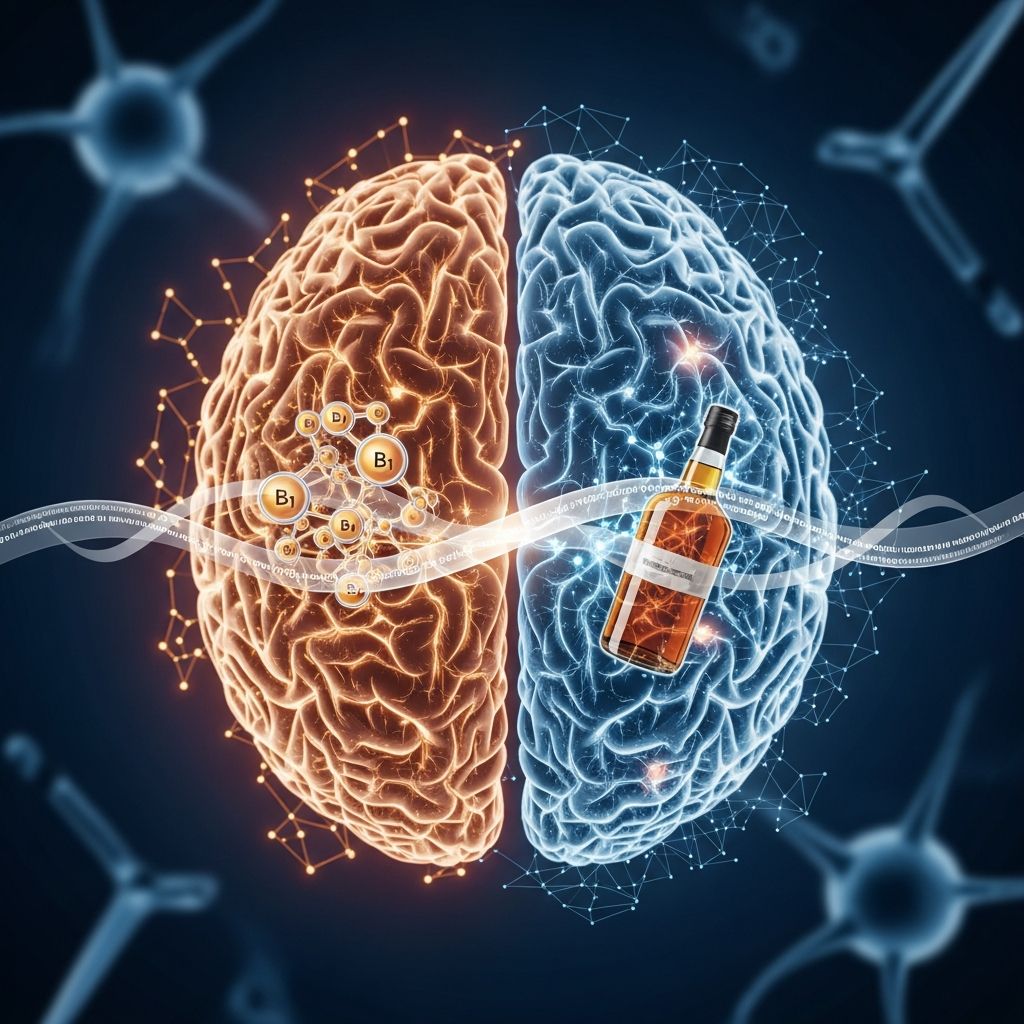
Wernicke-Korsakoff syndrome (WKS) is a serious brain and memory disorder that develops due to a severe deficiency of thiamine, also known as vitamin B1. This condition requires immediate medical attention and treatment to prevent serious complications. Thiamine is an essential vitamin that your body uses to convert food into energy and maintain proper neurological function. When your body lacks sufficient thiamine, your brain cannot generate enough energy to function properly, leading to progressive neurological damage.
The syndrome consists of two interconnected stages: Wernicke encephalopathy and Korsakoff syndrome. Wernicke encephalopathy represents the acute phase of the condition, characterized by sudden and severe neurological symptoms. If left untreated, Wernicke encephalopathy can progress into Korsakoff syndrome, a chronic and more debilitating condition marked by profound memory loss and cognitive dysfunction.
Understanding the Two Stages
Wernicke Encephalopathy
Wernicke encephalopathy is the acute phase of Wernicke-Korsakoff syndrome. This stage develops relatively quickly when thiamine deficiency reaches critical levels. The condition directly impacts the central nervous system, particularly affecting brain regions involved in muscle coordination, eye movement, and cognitive processing. Individuals experiencing Wernicke encephalopathy often require emergency medical intervention to prevent further deterioration.
Korsakoff Syndrome
Korsakoff syndrome develops when Wernicke encephalopathy remains untreated or when the condition progresses despite treatment. This chronic phase is characterized by permanent or long-lasting memory disorders and cognitive impairment. The damage to the brain’s memory centers becomes increasingly difficult to reverse, making prevention and early treatment critical.
Causes of Wernicke-Korsakoff Syndrome
Thiamine Deficiency
The primary cause of Wernicke-Korsakoff syndrome is severe thiamine (vitamin B1) deficiency. Thiamine is essential for converting carbohydrates into glucose, which provides energy for the brain and nervous system. When thiamine levels drop significantly, the brain cannot produce sufficient energy, leading to cellular damage and dysfunction.
Alcohol Use Disorder
Wernicke encephalopathy develops most frequently in people with alcohol use disorder. Long-term chronic alcohol consumption damages the stomach and digestive tract, interfering with your body’s ability to absorb vitamins through a process known as malabsorption. An estimated 80% of individuals with alcohol addiction do not absorb or retain enough thiamine from their diet, placing them at extremely high risk for developing Wernicke-Korsakoff syndrome. Approximately 50% of those who develop Wernicke encephalopathy eventually progress to Korsakoff syndrome, though this percentage increases to 80% among individuals with alcohol use disorder.
Other Causes of Thiamine Deficiency
While alcohol use disorder is the most common cause, other conditions can lead to thiamine deficiency and subsequently Wernicke-Korsakoff syndrome. These include severe malnutrition, prolonged vomiting, dialysis, hyperemesis gravidarum during pregnancy, hypermetabolic states, and certain medical conditions affecting nutrient absorption. Any prolonged thiamine deficiency, regardless of its origin, can potentially trigger the development of Wernicke-Korsakoff syndrome.
Symptoms of Wernicke-Korsakoff Syndrome
Wernicke Encephalopathy Symptoms
People with Wernicke encephalopathy commonly experience three main categories of symptoms that develop acutely:
Mental and Cognitive Symptoms:
– Confusion and disorientation- Difficulty concentrating- Agitation and irritability- Lethargy or drowsiness
Movement and Coordination Issues:
Related Stories



– Ataxia (staggering, uncoordinated walk)- Loss of muscle coordination- Muscle weakness- Tremors- Progressive difficulty walking
Eye Problems:
– Nystagmus (involuntary eye movements)- Ophthalmoplegia (weakness or paralysis of eye muscles)- Drooping eyelids- Difficulty tracking objects- Blurred or double vision
Additionally, individuals may experience muscle loss and a general sense of malaise.
Korsakoff Syndrome Symptoms
When Wernicke encephalopathy progresses to Korsakoff syndrome, the symptom profile becomes increasingly focused on memory and cognitive dysfunction:
– Severe memory loss affecting both recent and distant memories- Inability to form new memories (anterograde amnesia)- Loss of pre-existing memories (retrograde amnesia)- Confabulation (filling memory gaps with fabricated details)- Lack of insight into deficits- Disorientation and confusion- Personality changes- Emotional instability
In severe cases, individuals may experience loss of consciousness and coma. These symptoms reflect profound damage to the thalamus and hypothalamus, brain regions essential for memory processing and emotional regulation.
Diagnosis of Wernicke-Korsakoff Syndrome
Early diagnosis is crucial for preventing progression and irreversible brain damage. Healthcare providers typically use a combination of diagnostic approaches:
Clinical Assessment:
Your healthcare provider will evaluate your medical history, particularly asking about alcohol use, nutritional status, and the onset of neurological symptoms. They will perform a physical examination to assess for characteristic signs including eye movement abnormalities, coordination problems, and cognitive changes.
Blood Tests:
Laboratory testing can measure thiamine levels and assess for nutritional deficiencies. Blood tests help confirm vitamin B1 deficiency and rule out other conditions causing similar symptoms.
Imaging Tests:
Imaging studies may include:
– Magnetic resonance imaging (MRI) to visualize brain structure and identify areas of damage- Computed tomography (CT) scans for structural assessment- Advanced imaging to assess neurological damage
These imaging modalities can reveal characteristic changes in specific brain regions affected by thiamine deficiency, particularly the mammillary bodies and medial thalamus.
Treatment Options
Wernicke-Korsakoff syndrome is not curable, but healthcare providers can help relieve symptoms through immediate and comprehensive treatment. The earlier treatment begins, the better the potential outcomes. With prompt intervention, Wernicke encephalopathy may not progress to Korsakoff syndrome, and many symptoms such as confusion, eye problems, and muscle coordination issues can be slowed or reversed.
Primary Treatment Approaches
Treatment for Wernicke-Korsakoff syndrome typically involves:
– Thiamine Replacement Therapy: High-dose thiamine supplementation, often administered intravenously or intramuscularly in acute cases to ensure rapid absorption and maximum therapeutic benefit- Nutritional Support: Comprehensive nutritional rehabilitation and supplementation to address additional vitamin deficiencies- Alcohol Abstinence: Complete cessation of alcohol consumption to prevent further neurological damage and allow the brain to heal- Supportive Care: Management of symptoms and complications through medical and rehabilitative services- Lifestyle Modifications: Dietary management and comprehensive support to promote recovery
Recovery and Prognosis
The outlook for individuals with Wernicke-Korsakoff syndrome depends significantly on the severity of symptoms and the timing of diagnosis and treatment. Immediate treatment can help reverse symptoms and prevent long-term complications. However, recovery varies considerably among individuals.
Early Stage Treatment Response
When treated early, neuropsychiatric abnormalities associated with Wernicke encephalopathy are often reversible. Some individuals experience significant improvement in confusion, eye problems, and coordination issues with prompt thiamine replacement. Early intervention is particularly important because it can halt disease progression and significantly improve quality of life.
Advanced Stage Outcomes
Once the condition progresses to Korsakoff syndrome, characterized by profound memory loss and cognitive dysfunction, the likelihood of full reversibility diminishes substantially. The brain damage becomes increasingly permanent, and some improvements may occur only through continued thiamine treatment and supportive care. In advanced cases, the focus shifts to managing symptoms, improving quality of life through rehabilitative services, and maintaining overall health.
Mortality and Morbidity
Without treatment, Wernicke encephalopathy is fatal in up to 20% of patients. Progression to Korsakoff syndrome occurs in more than half of survivors, with many individuals requiring long-term institutional care. Left untreated, Wernicke-Korsakoff syndrome can lead to permanent disability and even death, underscoring the critical importance of early recognition and treatment.
Prevention and Management
Prevention of Wernicke-Korsakoff syndrome focuses on maintaining adequate thiamine intake and addressing alcohol use disorder. Individuals at risk should:
– Maintain a balanced diet rich in thiamine sources- Seek treatment for alcohol use disorder- Follow healthcare provider recommendations for vitamin supplementation if at risk- Monitor for early warning signs of thiamine deficiency- Attend regular medical appointments for health monitoring
Living with Wernicke-Korsakoff Syndrome
For individuals diagnosed with Wernicke-Korsakoff syndrome, following healthcare provider recommendations is essential for managing complications and treating symptoms. Healthcare providers can develop personalized care plans tailored to individual needs and symptoms. Support systems, rehabilitation services, and ongoing medical monitoring contribute to the best possible outcomes and quality of life.
Frequently Asked Questions
Q: What is the connection between alcohol use and Wernicke-Korsakoff syndrome?
A: Chronic alcohol use damages the digestive system’s ability to absorb thiamine. Approximately 80% of people with alcohol addiction do not absorb or retain enough thiamine from their diet, significantly increasing their risk of developing Wernicke-Korsakoff syndrome.
Q: Can Wernicke-Korsakoff syndrome be cured?
A: Wernicke-Korsakoff syndrome is not curable, but immediate treatment with high-dose thiamine can help prevent progression and may reverse or slow many symptoms, particularly if treatment begins early.
Q: What percentage of people with Wernicke encephalopathy develop Korsakoff syndrome?
A: Approximately 50% of those who develop Wernicke encephalopathy eventually develop Korsakoff syndrome. However, among individuals with alcohol use disorder, this percentage increases to 80%.
Q: Is Wernicke-Korsakoff syndrome common?
A: Wernicke-Korsakoff syndrome is exceptionally rare, affecting only about 2% of the general population. However, it is much more common among individuals with severe alcohol use disorder.
Q: What causes the memory loss in Korsakoff syndrome?
A: Memory loss in Korsakoff syndrome results from damage to the thalamus and hypothalamus, brain regions essential for memory processing. This damage causes both anterograde amnesia (inability to form new memories) and retrograde amnesia (loss of pre-existing memories).
Q: How quickly does Wernicke-Korsakoff syndrome develop?
A: The development timeline varies among individuals, depending on the severity of thiamine deficiency and alcohol consumption patterns. The condition can develop over weeks to months of nutritional deficiency, making early detection and intervention critical.
References
- Wernicke-Korsakoff Syndrome: Causes, Symptoms & Treatment — Cleveland Clinic. 2024. https://my.clevelandclinic.org/health/diseases/22687-wernicke-korsakoff-syndrome
- Understanding Wet Brain: Wernicke-Korsakoff Syndrome — Porch Light Health. 2024. https://porchlighthealth.com/wet-brain/
- Wet Brain Syndrome & Alcohol-Related Brain Damage — Able2Change Recovery. 2024. https://able2changerecovery.com/wet-brain-syndrome/
- Which patients hospitalized with alcohol withdrawal syndrome… — Cleveland Clinic Journal of Medicine, Vol. 90, No. 1. 2023. https://www.ccjm.org/content/90/1/22
Similar Articles








Read full bio of Sneha Tete