West Nile Virus: Symptoms, Prevention, and Treatment
Learn about West Nile virus, its symptoms, how to prevent infection, and what to do if you suspect exposure.
What Is West Nile Virus?
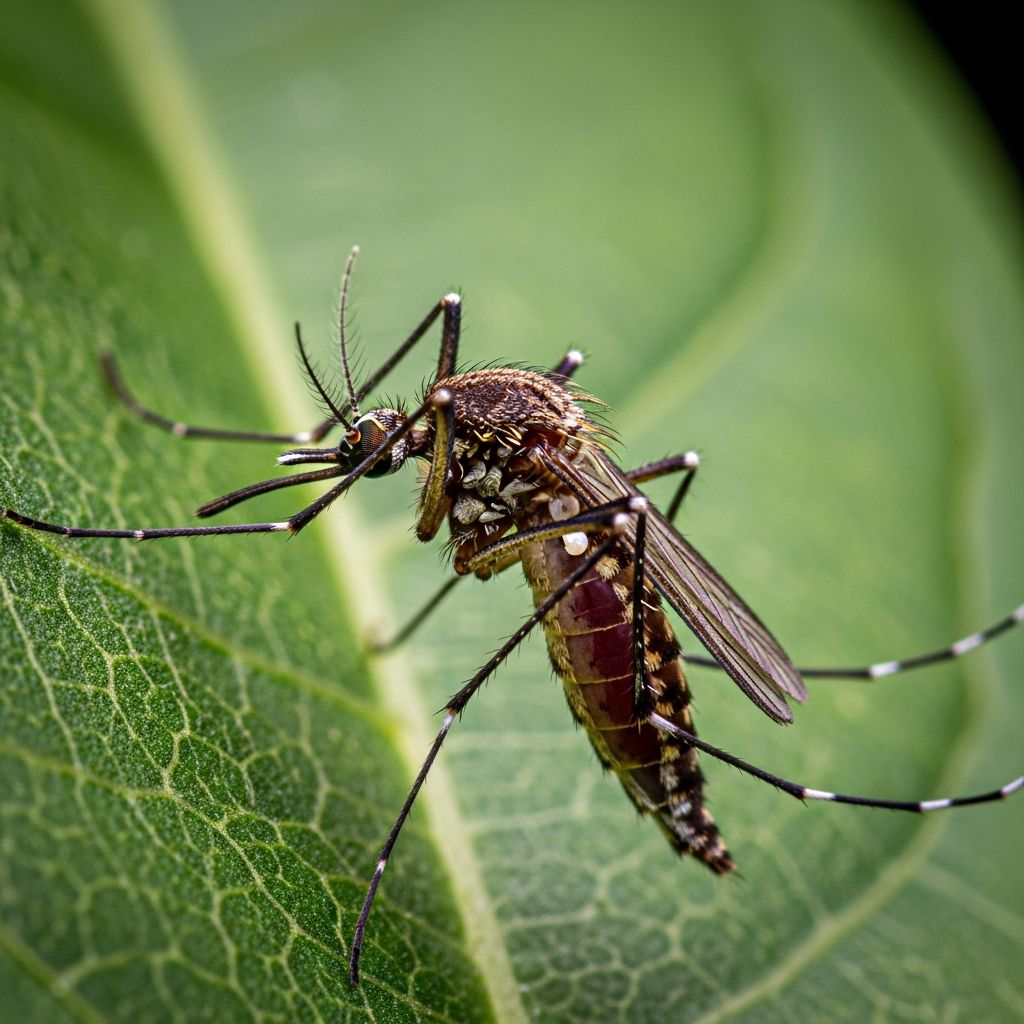
West Nile virus (WNV) is a mosquito-borne illness that can cause a range of symptoms, from mild flu-like illness to severe neurological disease. The virus is primarily transmitted to humans through the bite of an infected mosquito. Most people who are infected with West Nile virus do not develop symptoms, but a small percentage may experience serious illness.
How Is West Nile Virus Spread?
West Nile virus is spread to humans and animals through the bite of an infected mosquito. Mosquitoes become infected when they feed on birds that carry the virus. The virus is most prevalent during the summer and early fall months when mosquitoes are most active.
- Person-to-person transmission does not occur through breathing, touching, kissing, or sexual contact.
- In rare cases, WNV can be spread through blood transfusions, organ transplants, and from mother to baby during pregnancy or breastfeeding.
- There is no evidence that people can get West Nile virus directly from infected birds, dead or alive.
Symptoms of West Nile Virus
Most people infected with West Nile virus do not develop any symptoms. However, about 20% of infected individuals may develop West Nile fever, which includes:
- Fever
- Headache
- Body aches
- Nausea
- Vomiting
- Skin rash
- Swollen lymph glands
In rare cases, about 1 in 150 people infected with West Nile virus may develop severe neurological disease, such as encephalitis or meningitis. Symptoms of severe illness include:
- High fever
- Severe headache
- Stiff neck
- Muscle weakness
- Disorientation
- Convulsions
- Paralysis
- Coma
Diagnosis of West Nile Virus
Diagnosing West Nile virus typically involves a combination of clinical evaluation and laboratory testing. If you suspect you have West Nile virus, especially if you have severe symptoms, it is important to seek medical attention. Laboratory tests may include:
- Blood tests to detect antibodies to the virus
- Cerebrospinal fluid analysis in cases of suspected neurological involvement
Treatment of West Nile Virus
There is no specific treatment for West Nile virus. In mild cases, symptoms can be managed with over-the-counter medications for fever and pain, rest, and hydration. In severe cases, hospitalization may be required for supportive care, including:
- Intravenous fluids
- Help with breathing
- Nursing care
- Prevention of secondary infections
Prevention of West Nile Virus
Preventing mosquito bites is the best way to protect yourself and your family from West Nile virus. The Centers for Disease Control and Prevention (CDC) recommends the following steps:
Avoid Bites
- Apply insect repellent containing DEET or other EPA-registered products.
- Cover up with long sleeves and pants, especially at dawn and dusk when mosquitoes are most active.
- Reduce the time spent outdoors during peak mosquito hours.
Related Stories



Mosquito-Proof Your Home
- Drain standing water where mosquitoes breed, such as puddles, ditches, and containers.
- Ensure doors and windows have tight-fitting screens with no tears or holes.
- Empty standing water from flower pots, gutters, buckets, pool covers, pet water dishes, discarded tires, and birdbaths.
Help Reduce the Risk in Your Community
- Report dead birds, especially crows, ravens, magpies, or jays, to local authorities for pick-up and testing.
- Work with local mosquito control programs.
- Look for and remove standing water in your neighborhood.
FAQs About West Nile Virus
Can West Nile virus be spread from person to person?
No, West Nile virus is not spread through person-to-person contact such as touching, kissing, or sexual contact. In rare cases, it can be spread through blood transfusions, organ transplants, and from mother to baby during pregnancy or breastfeeding.
What are the symptoms of West Nile virus?
Most people infected with West Nile virus do not develop symptoms. About 20% may experience West Nile fever, with symptoms such as fever, headache, body aches, nausea, vomiting, skin rash, and swollen lymph glands. Severe cases can lead to neurological disease with symptoms like high fever, severe headache, stiff neck, muscle weakness, disorientation, convulsions, paralysis, and coma.
How is West Nile virus diagnosed?
Diagnosis involves clinical evaluation and laboratory testing, including blood tests to detect antibodies and cerebrospinal fluid analysis in cases of suspected neurological involvement.
Is there a treatment for West Nile virus?
There is no specific treatment for West Nile virus. Mild cases can be managed with over-the-counter medications, rest, and hydration. Severe cases may require hospitalization for supportive care.
How can I prevent West Nile virus?
Prevention involves avoiding mosquito bites by using insect repellent, wearing protective clothing, draining standing water, and working with local mosquito control programs.
References
References
- West Nile Virus | Patient Education | UCSF Health — UCSF Health. 2023. https://www.ucsfhealth.org/education/west-nile-virus
- West Nile Virus | Colorado Department of Public Health and Environment — Colorado Department of Public Health and Environment. 2023. https://cdphe.colorado.gov/dcphr/communicable-disease-manual/west-nile-virus
- Preventing West Nile – CDC — Centers for Disease Control and Prevention. 2023. https://www.cdc.gov/west-nile-virus/prevention/index.html
Similar Articles








Read full bio of medha deb