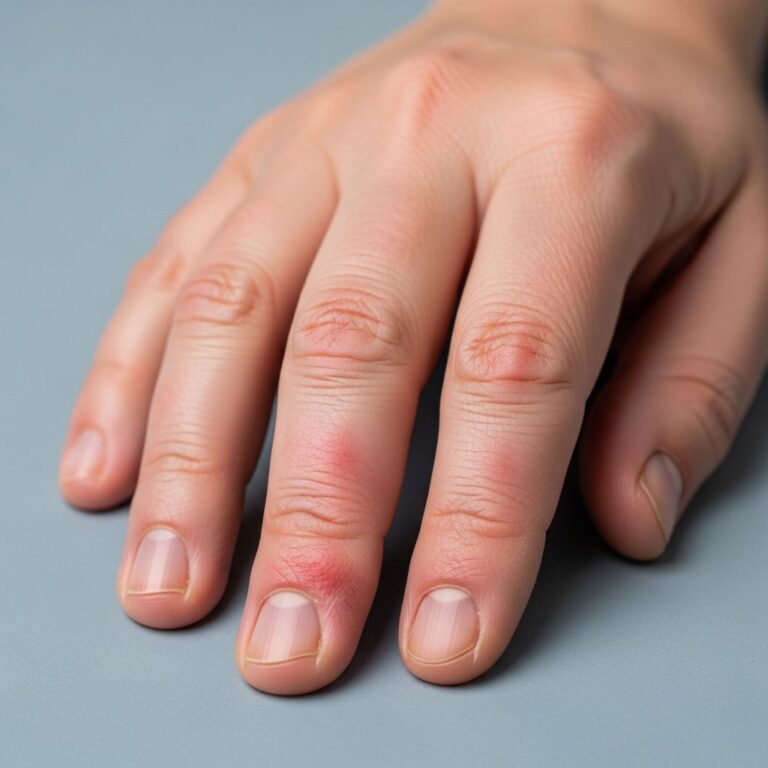
Wet Gangrene: Essential Guide To Causes, Signs And Treatment
Understanding wet gangrene: causes, symptoms, diagnosis, and urgent treatment for this life-threatening bacterial infection.
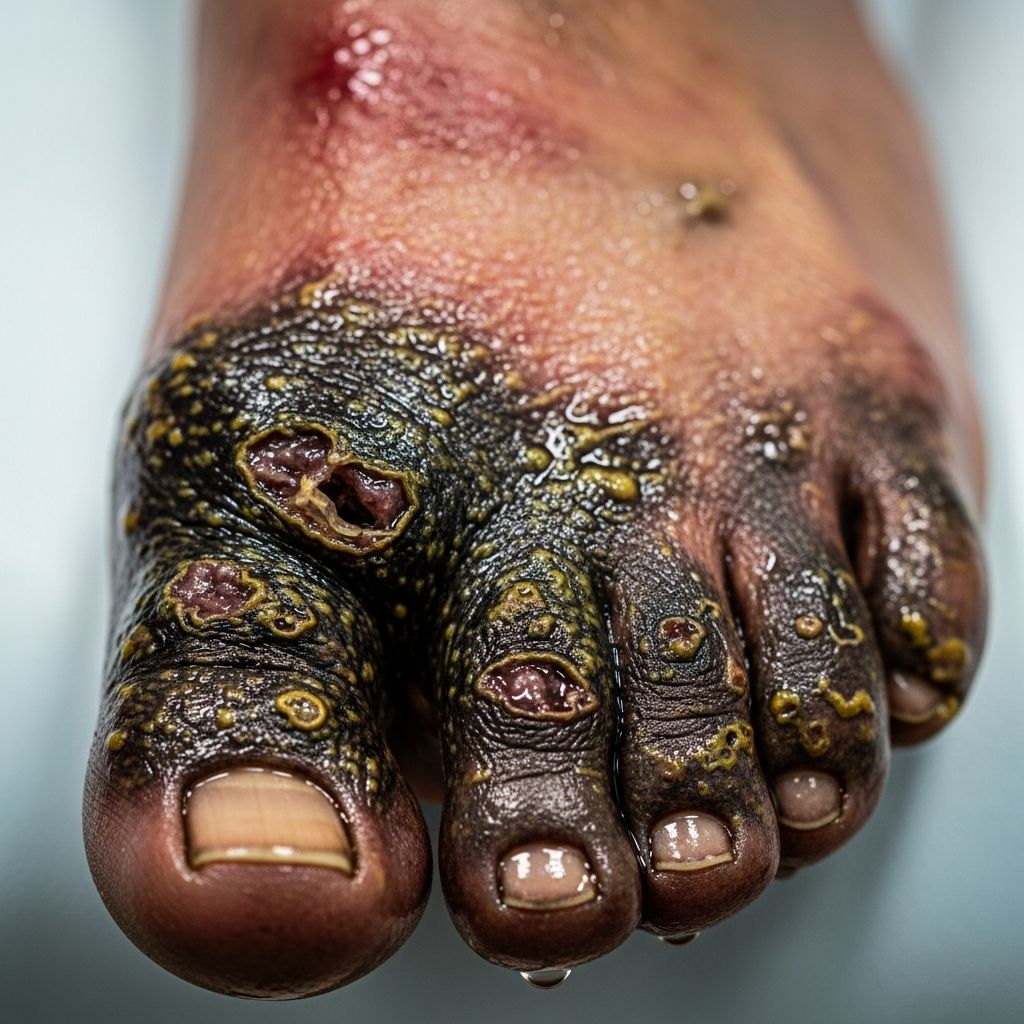
Gangrene is the localised death of body tissue.
Wet gangrene
is gangrene due to necrotising bacterial infections, including necrotising fasciitis. Wet gangrene should be distinguished from ‘dry’ gangrene, which is due to ischaemia.Introduction
Wet gangrene represents a medical emergency characterized by rapid tissue necrosis facilitated by bacterial invasion. Unlike dry gangrene, which progresses slowly from arterial occlusion without significant infection, wet gangrene involves secondary bacterial proliferation in ischemic or traumatized tissue. This leads to liquefactive necrosis, producing a wet, foul-smelling appearance. It commonly affects the extremities, particularly in patients with diabetes, peripheral vascular disease, or immunosuppression. Early recognition is critical as it can progress to sepsis and multi-organ failure within hours.
The condition often starts from a portal of entry such as an ulcer, wound, or burn, where reduced blood flow creates a hypoxic environment conducive to anaerobic bacterial growth. Common pathogens include polymicrobial flora, Group A β-hemolytic streptococci (GAS), and Clostridium species, leading to toxin production and rapid tissue destruction.
Causes
Wet gangrene arises when bacterial infection complicates ischemic or necrotic tissue. Key contributing factors include:
- Ischaemia: Reduced blood flow from atherosclerosis, diabetes, or vascular injury lowers tissue pH and oxygen levels, favoring bacterial growth.
- Trauma or wounds: Surgical sites, burns, frostbite, or diabetic foot ulcers serve as entry points for bacteria.
- Bacterial pathogens: Necrotising infections involve aerobic and anaerobic bacteria. Group A streptococci (GAS) cause aggressive local destruction and toxic shock syndrome. Clostridial species produce gas within tissues, composed of nitrogen, oxygen, hydrogen, hydrogen sulfide, and carbon dioxide, enabling rapid spread along muscle fibers.
- Comorbidities: Diabetes mellitus impairs immunity and healing; obesity, alcoholism, and immunosuppression increase susceptibility.
Reduced blood flow and localised ischaemia create a favourable environment for opportunistic bacteria, transforming dry necrosis into wet gangrene with purulent discharge and edema.
Demographics
Wet gangrene predominantly affects adults over 50, with higher incidence in males due to greater prevalence of peripheral artery disease and trauma exposure. Diabetics comprise up to 50% of cases, particularly lower extremity involvement. Immunocompromised individuals, such as those with HIV, malignancy, or on steroids, are at elevated risk. In wartime settings, gas gangrene from Clostridia was more common but has declined with modern wound care.
Global data indicate higher rates in low-resource settings where delayed care allows progression. In the U.S., annual incidence of necrotizing soft tissue infections is about 1,000 cases per million, with wet gangrene as a subset.
Clinical features
The clinical presentation of wet gangrene depends on the site and causative organism but evolves rapidly from cellulitis-like symptoms to overt necrosis.
Early signs:
- Pain out of proportion to visible injury, often severe and persistent.
- Swelling, erythema, and warmth mimicking cellulitis.
- Fever, malaise, or systemic toxicity.
Progression to established wet gangrene:
- Discoloration: Bronze, purple, blue, or black skin.
- Blisters (bullae) filled with serous or hemorrhagic fluid.
- Foul-smelling purulent discharge, crepitus (gas in tissues), and edema.
- Numbness, paresthesia, or anesthesia due to nerve destruction.
- Hemorrhagic bullae, ecchymosis, and skin sloughing.
If internal (e.g., abdominal), symptoms include confusion, hypotension, and severe pain. Gas gangrene variant shows crepitus and radiographic gas shadows.
Related Stories



Wet gangrene spreads faster than cellulitis due to fascial plane involvement in necrotising fasciitis.
Investigations
Diagnosis is primarily clinical, supported by labs and imaging. Urgent surgical exploration confirms if ambiguous.
Laboratory tests:
- Blood cultures for bacteriology.
- Gram stain and deep wound cultures (avoid superficial swabs).
- LRINEC score: Laboratory Risk Indicator for Necrotising Fasciitis predicts risk (score ≥6 suggests high probability).
| Laboratory marker | Scoring evaluation |
|---|---|
| CRP (mg/L) | <150 = 0 points; ≥150 = 4 points |
| WBC (per mm³) | 15-25 = 1 point; >25 = 2 points |
| Hb (g/dL) | >13.5 = 0; 11-13.5 = 2; <11 = 3 points |
| Serum sodium (mmol/L) | ≥135 = 0; <135 = 2 points |
| Serum creatinine (mg/dL) | ≤1.6 = 0; >1.6 = 2 points |
| Serum glucose (mg/dL) | ≤180 = 0; >180 = 2 points |
Imaging: Limited role; plain X-rays show subcutaneous gas; CT/MRI reveal fascial thickening, fluid collections, or non-enhancement.
Surgical exploration shows ‘dishwater’ pus and easy fascial dissection.
Treatment
Treatment is multidisciplinary and urgent, focusing on source control, antibiotics, and supportive care.
Surgical intervention (hallmark):
- Wide debridement of all necrotic tissue, often repeated.
- Amputation if limb-threatening.
- Maggot debridement therapy for selective necrosis removal.
- Vascular surgery (angioplasty, bypass) to restore perfusion.
Antibiotics: Broad-spectrum IV (e.g., piperacillin-tazobactam + clindamycin for toxin suppression), tailored by cultures.
Supportive therapies:
- Hyperbaric oxygen (HBO): Inhibits anaerobes, promotes healing (90-min sessions).
- IV fluids, vasopressors for shock.
- IV immunoglobulin for streptococcal toxic shock.
- Wound care with negative pressure therapy post-debridement.
For gas gangrene, early amputation reduced wartime mortality.
Prognosis
Prognosis hinges on disease extent, comorbidities, and treatment timeliness. Mortality ranges 20-30% for necrotising fasciitis, higher (up to 88%) with multi-organ failure, age >50, renal failure, or shock.
Anaya et al.’s score predicts outcomes: few risk factors = 6% mortality; multiple = 88%.
Survivors face amputation risk (up to 50%), prolonged rehab, and scarring. Early intervention improves limb salvage.
Frequently Asked Questions
What is wet gangrene?
Wet gangrene is tissue death from bacterial infection super-imposed on ischemia, leading to swelling, pus, and rapid progression.
How does wet gangrene differ from dry gangrene?
Dry is aseptic ischemia (shriveled, black); wet involves bacteria (wet, foul, edematous).
Can wet gangrene be cured without amputation?
Yes, with prompt debridement, antibiotics, and HBO, but severe cases often require amputation.
What are early warning signs?
Pain disproportionate to injury, rapid swelling, blisters, crepitus—seek immediate care.
Is diabetes a risk factor?
Yes, highly; it causes neuropathy and poor wounds, predisposing feet.
References
- Gangrene – StatPearls — Abdali, O. et al. 2023-05-01. https://www.ncbi.nlm.nih.gov/books/NBK560552/
- Gangrene – Symptoms & causes — Mayo Clinic. 2023-10-23. https://www.mayoclinic.org/diseases-conditions/gangrene/symptoms-causes/syc-20352567
- Gangrene – Diagnosis & treatment — Mayo Clinic. 2023-10-23. https://www.mayoclinic.org/diseases-conditions/gangrene/diagnosis-treatment/drc-20352573
- Wet gangrene — DermNet NZ. 2023. https://dermnetnz.org/topics/wet-gangrene
- Gangrene — Cleveland Clinic. 2023-08-21. https://my.clevelandclinic.org/health/diseases/21070-gangrene
Similar Articles








Read full bio of medha deb