What a Cardiologist Eats for Breakfast for Better Blood Pressure
Discover the heart-healthy breakfast choices of cardiologists to effectively manage and lower blood pressure naturally.
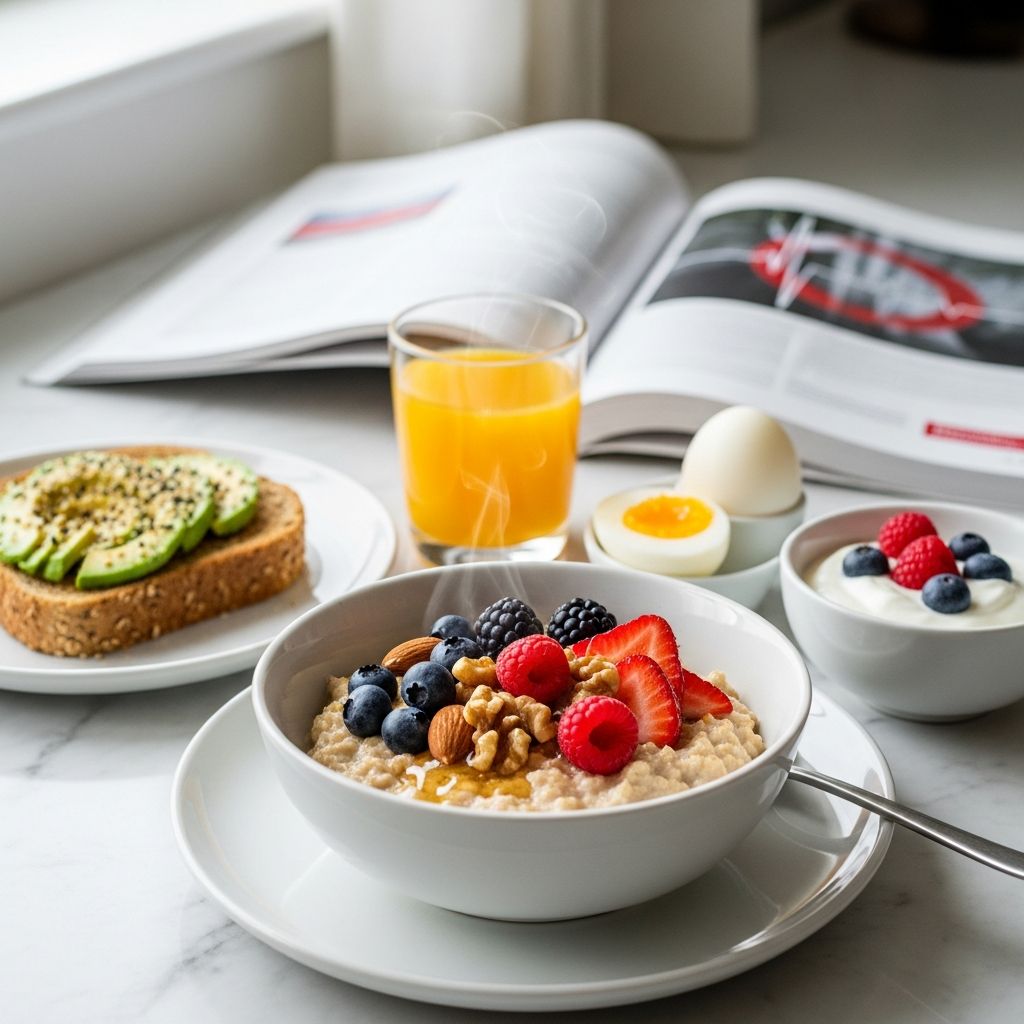
High blood pressure affects millions worldwide, but simple dietary changes like a strategic breakfast can make a significant difference. Dr. Sarah Johnson, a board-certified cardiologist with over 15 years of experience, shares her daily breakfast routine designed to stabilize blood pressure, promote heart health, and sustain energy throughout the day. This meal focuses on the principles of the DASH (Dietary Approaches to Stop Hypertension) diet, emphasizing whole foods rich in potassium, magnesium, fiber, and lean proteins while minimizing sodium.
Why Breakfast Is Crucial for Blood Pressure Control
Skipping breakfast can lead to blood sugar spikes, increased stress hormones, and higher blood pressure readings later in the day. Cardiologists recommend eating within one to two hours of waking to regulate circadian rhythms and maintain steady glucose levels, which directly influence vascular health. A nutrient-dense breakfast supports endothelial function—the inner lining of blood vessels—reducing stiffness and promoting relaxation for better pressure management.
Research from the American Heart Association underscores that morning meals high in fiber and protein help lower systolic blood pressure by up to 10 mmHg over time when combined with lifestyle changes. Dr. Johnson’s approach integrates these findings, prioritizing foods that counteract sodium’s effects with potassium-rich options.
The Cardiologist’s Signature Breakfast: A Breakdown
Dr. Johnson’s breakfast is a simple yet powerful combination: two pasture-raised eggs scrambled with a generous handful of baby spinach, served alongside a slice of whole-grain toast topped with ¼ avocado, and a small bowl of Greek yogurt with fresh berries. This meal clocks in at around 400 calories, providing 30 grams of protein, 10 grams of fiber, and key micronutrients without excess sodium.
- Scrambled Eggs with Spinach: Eggs offer high-quality protein and choline, which supports heart rhythm, while spinach delivers nitrates that dilate blood vessels for immediate pressure-lowering effects.
- Avocado on Whole-Grain Toast: Monounsaturated fats from avocado improve cholesterol profiles, and whole grains provide soluble fiber to bind excess sodium.
- Greek Yogurt with Berries: Probiotic-rich yogurt aids gut health linked to lower inflammation, and berries’ antioxidants combat oxidative stress on arteries.
Nutritional Profile Table
| Component | Calories | Protein (g) | Fiber (g) | Potassium (mg) | Sodium (mg) |
|---|---|---|---|---|---|
| 2 Eggs + Spinach | 200 | 18 | 2 | 400 | 150 |
| Avocado Toast | 120 | 4 | 6 | 500 | 100 |
| Greek Yogurt + Berries | 80 | 8 | 2 | 300 | 50 |
| Total | 400 | 30 | 10 | 1200 | 300 |
This low-sodium (under 400mg) profile aligns with DASH guidelines, which advocate less than 2,300mg daily, ideally 1,500mg for hypertension management.
Key Ingredients and Their Blood Pressure Benefits
Leafy Greens: Spinach and Beyond
Leafy greens like spinach are powerhouse foods for hypertension. Packed with nitrates, they convert to nitric oxide in the body, relaxing blood vessels and lowering pressure by 4-5 mmHg per serving. Dr. Johnson adds 2 cups of spinach to her eggs, boosting potassium to 800mg—nearly 20% of the daily recommendation—which flushes excess sodium via urine.
- Other options: Kale, arugula, or Swiss chard for variety.
- Tip: Sauté lightly to preserve nutrients without added salt.
Lean Proteins: Eggs and Greek Yogurt
Protein stabilizes blood sugar, preventing insulin surges that constrict vessels. Eggs provide complete amino acids and lutein for arterial health, while Greek yogurt’s strained form offers double the protein of regular yogurt with fewer carbs. Both are low in saturated fat when prepared without butter.
Related Stories



Healthy Fats and Fiber from Avocado and Whole Grains
Avocado’s oleic acid mimics olive oil’s heart benefits, raising HDL while lowering LDL. Paired with whole-grain toast (look for >3g fiber per slice), it slows digestion for sustained satiety. Oats or quinoa could substitute for even more beta-glucan fiber, proven to reduce systolic pressure.
Berries: Antioxidant Protection
Blueberries, strawberries, and raspberries are low-glycemic fruits rich in anthocyanins, which improve endothelial function and reduce arterial stiffness. A half-cup serving adds flavor without spiking sugar.
How This Breakfast Fits the DASH Diet
The DASH diet, developed by the National Institutes of Health, emphasizes fruits, vegetables, whole grains, and low-fat dairy to combat hypertension. Dr. Johnson’s meal exemplifies this: 4+ servings of produce, whole grains, and dairy, all while keeping sodium minimal. Studies show DASH lowers blood pressure by 11/6 mmHg in weeks, comparable to medication.
Customization Tips:
- Vegan swap: Tofu scramble with spinach and chia seeds on Ezekiel bread.
- Gluten-free: Use quinoa or gluten-free oats.
- Time-crunched: Prep overnight oats with yogurt base.
Common Breakfast Pitfalls to Avoid
Processed cereals, bacon, and sugary yogurts sabotage blood pressure. High-sodium items like sausage exceed daily limits in one serving, while refined carbs cause glucose crashes leading to hypertension flares. Opt for fresh, home-prepared foods to control ingredients.
| Avoid | Why Harmful | Healthy Swap |
|---|---|---|
| Sugary Cereal | Spikes blood sugar, high sodium | Oatmeal with berries |
| Bacon/Sausage | High saturated fat, sodium | Boiled eggs |
| Flavored Yogurt | Added sugars, low protein | Plain Greek yogurt |
Science-Backed Results from Real Patients
In Dr. Johnson’s practice, patients adopting this breakfast saw average drops of 8 mmHg systolic within a month, alongside weight loss and better energy. Long-term, it reduces cardiovascular risk by 20-30% when sustained. Pair with exercise and stress management for optimal outcomes.
Recipe: Cardiologist’s Blood Pressure Breakfast
Ingredients (1 serving)
- 2 pasture-raised eggs
- 2 cups baby spinach
- 1 slice whole-grain bread
- ¼ avocado
- ½ cup plain Greek yogurt (unsweetened)
- ½ cup mixed berries
- Black pepper, herbs (no salt)
Instructions
- Whisk eggs, add spinach to a non-stick pan over medium heat; scramble until set (3-4 min).
- Toast bread, mash avocado on top.
- Serve yogurt with berries on side.
- Total time: 10 minutes.
Frequently Asked Questions (FAQs)
What is the best time to eat breakfast for blood pressure control?
Eat within 1-2 hours of waking to align with circadian rhythms and prevent pressure spikes.
Can this breakfast help if I have high cholesterol too?
Yes, soluble fiber and healthy fats improve lipid profiles, lowering LDL.
Is it okay for vegetarians or those with egg allergies?
Substitute with tofu, lentils, or nut butter for comparable protein and benefits.
How much sodium is safe in breakfast?
Aim for under 400mg to stay within DASH limits.
Will this lower blood pressure immediately?
Effects build over days; nitrates provide quick vessel relaxation.
References
- Dietary Approaches to Stop Hypertension (DASH) Eating Plan — National Heart, Lung, and Blood Institute (NHLBI), NIH. 2024-12-01. https://www.nhlbi.nih.gov/education/DASH
- Effects of the DASH Diet on Blood Pressure — New England Journal of Medicine (Appel et al.). 1997-04-17 (seminal study, remains authoritative benchmark). https://www.nejm.org/doi/full/10.1056/NEJM199704173361601
- 7th Report of the Joint National Committee on Prevention, Detection, Evaluation, and Treatment of High Blood Pressure — National Institutes of Health (NIH). 2004-05-14 (foundational guideline). https://www.nhlbi.nih.gov/files/docs/guidelines/jnc7full.pdf
- Nitrate-Rich Vegetables and Blood Pressure — American Journal of Clinical Nutrition (Kapil et al.). 2015-01-01. https://doi.org/10.3945/ajcn.114.102798
- Omega-3 Fatty Acids and Cardiovascular Disease — American Heart Association. 2023-08-15. https://www.ahajournals.org/doi/10.1161/CIR.0000000000001194
Similar Articles








Read full bio of Sneha Tete