What a Gut Doctor Eats in a Day for a Balanced Microbiome
Discover the daily meals and snacks of a gut health expert designed to nurture a diverse, thriving microbiome for optimal digestion and wellness.
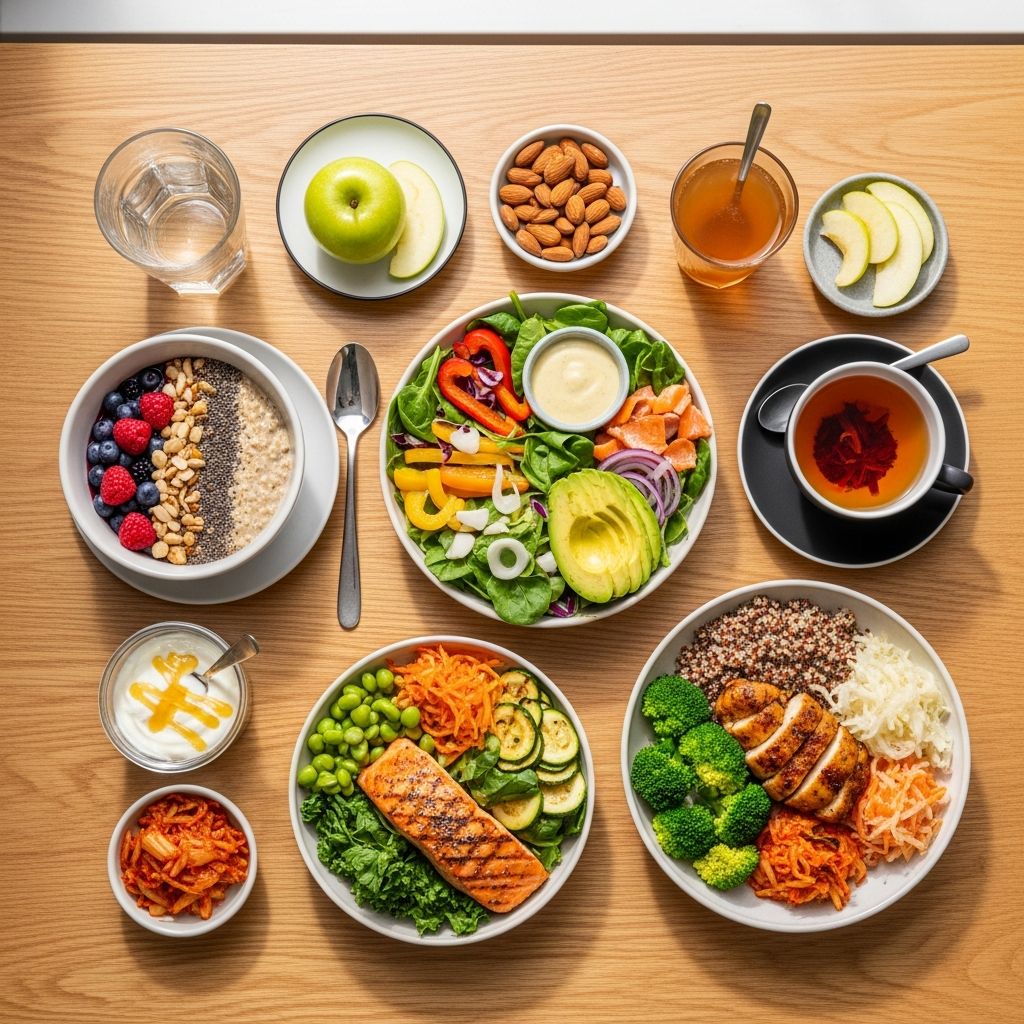
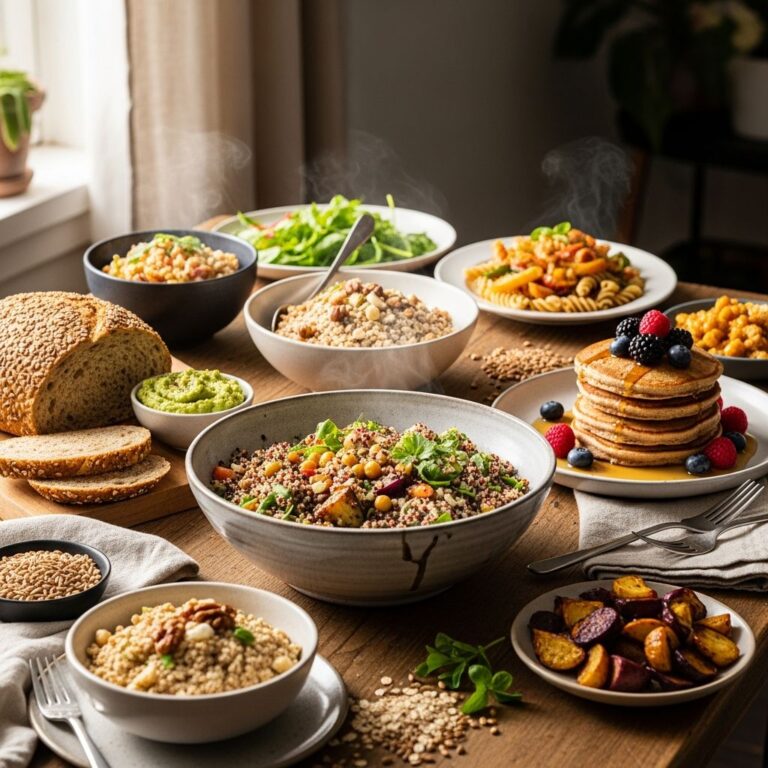
A balanced gut microbiome is essential for digestion, immune function, nutrient absorption, and even mental health. Gut doctors, or gastroenterologists specializing in microbiota health, prioritize diets rich in prebiotics, probiotics, fiber, and polyphenols to foster beneficial bacteria like Bifidobacteria and Lactobacillus while limiting harmful pathogens. This article details a typical day of eating for Dr. Elena Rivera, a renowned gut health expert, showcasing practical, science-backed meals that promote short-chain fatty acid (SCFA) production, reduce inflammation, and enhance microbial diversity. Her approach draws from Mediterranean and DASH diet principles, emphasizing whole foods over processed items.
Why Diet Matters for Your Gut Microbiome
The gut microbiome comprises trillions of microorganisms in the gastrointestinal tract that influence everything from metabolism to mood. Diets high in fiber, such as those rich in fruits, vegetables, legumes, and whole grains, act as prebiotics—feeding beneficial bacteria and promoting SCFA production like butyrate, which supports intestinal cell health and anti-inflammatory effects. Probiotic-rich fermented foods introduce live beneficial microbes, while polyphenols from olive oil, berries, and veggies provide antimicrobial benefits, increasing good bacteria and curbing harmful ones.
Conversely, Western diets high in sugars, saturated fats, and sodium disrupt microbiota balance, reducing diversity and fostering inflammation-linked conditions like obesity and type 2 diabetes. Dr. Rivera’s daily intake mirrors evidence-based patterns: high-fiber plant foods, low-fat dairy or non-dairy probiotics, and minimal processed items. Studies on vegan, Mediterranean, and DASH diets show they enhance microbial profiles, with vegan diets boosting SCFA via fiber fermentation.
6 a.m.: Morning Routine and First Hydration
Dr. Rivera starts her day with warm lemon water to stimulate digestion and hydration, setting a gentle tone for the gut. Lemon’s vitamin C and flavonoids support microbial diversity without overwhelming the system first thing. She avoids coffee on an empty stomach, opting for herbal tea later to prevent acid imbalances that could harm gut lining.
7 a.m.: Pre-Breakfast Probiotic Boost
Before her main meal, she consumes a small serving of plain Greek yogurt (about 4 oz) topped with a teaspoon of chia seeds. Greek yogurt delivers live Lactobacillus and Bifidobacteria probiotics, essential for restoring gut balance. Chia seeds provide prebiotic fiber (soluble and insoluble), feeding these bacteria and promoting SCFA production. This combo helps suppress pathogens and enhances immune function.
- Key Benefits: Probiotics colonize the gut; prebiotics nourish them for synergy.
- Tip: Choose unsweetened, full-fat or low-fat yogurt from grass-fed sources for higher omega-3s.
8 a.m.: Nutrient-Dense Breakfast
Breakfast is a powerhouse: overnight oats made with rolled oats (½ cup), almond milk, sliced banana, a handful of blueberries, walnuts (¼ cup), and ground flaxseeds (1 tbsp). Oats offer beta-glucan fiber, a prebiotic that supports Bifidobacteria growth. Berries deliver polyphenols, antioxidants that modulate microbiota positively. Walnuts and flax provide omega-3s and lignans, reducing inflammation.
Nutrition Snapshot (per serving):
| Component | Amount | Gut Benefit |
|---|---|---|
| Fiber | 12g | Prebiotic fuel for SCFA production |
| Probiotics (if yogurt added) | 10 billion CFU | Balances flora |
| Polyphenols | 200mg+ | Antimicrobial, diversity boost |
This meal sustains energy while nurturing the microbiome, aligning with DASH diet recommendations for low-sodium, high-fiber starts.
10 a.m.: Mid-Morning Snack
A green apple with a tablespoon of almond butter. Apples’ pectin is a potent prebiotic, fermented by gut bacteria into SCFAs. Almond butter adds healthy fats and vitamin E, supporting gut barrier integrity without excess sugar.
- Why it works: Portable, fiber-rich (5g per apple) to maintain steady microbial feeding.
12:30 p.m.: Fiber-Packed Lunch
Related Stories



Lunch features a large salad: mixed greens (spinach, kale, arugula—4 cups), chickpeas (½ cup), avocado (½), cherry tomatoes, cucumber, red onion, and a lemon-tahini dressing. Chickpeas provide resistant starch, a prebiotic fermented in the colon. Leafy greens and veggies offer diverse fibers and prebiotics like inulin from onions. Avocado’s monounsaturated fats mimic Mediterranean diet benefits for microbiota.
Dressing: Olive oil (extra-virgin, 1 tbsp), lemon juice, tahini, garlic—garlic’s allicin acts as a natural prebiotic. This meal emphasizes plant diversity, key for microbial richness.
3 p.m.: Afternoon Pick-Me-Up
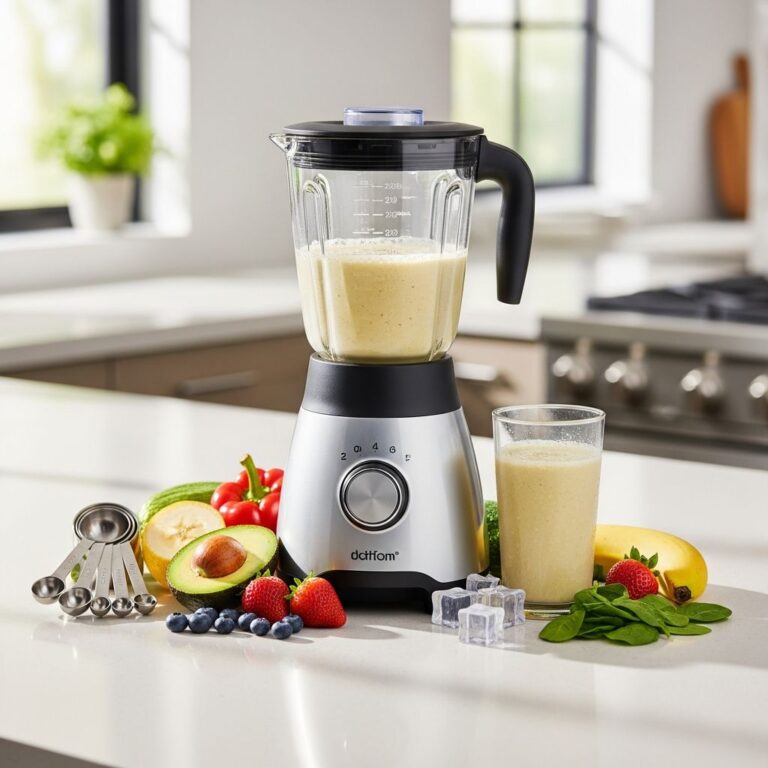
Kefir smoothie (8 oz kefir, handful spinach, frozen berries, pumpkin seeds). Kefir, a fermented milk drink, is probiotic-packed with diverse strains beyond yogurt. Seeds add zinc and magnesium for gut motility.
- Pro Tip: Non-dairy kefir works for vegans, maintaining benefits.
5:30 p.m.: Pre-Dinner Ferment
A small bowl of sauerkraut (2 tbsp) or kimchi. These unpasteurized ferments deliver live probiotics, enhancing diversity and suppressing pathogens. Low-calorie, high-impact for evening gut prep.
6:30 p.m.: Balanced Dinner
Baked wild salmon (4 oz), quinoa (½ cup), steamed broccoli and Brussels sprouts (1 cup each), drizzled with olive oil. Salmon’s omega-3s reduce gut inflammation. Quinoa and cruciferous veggies provide glucosinolates and fibers that promote beneficial bacteria. Portion control prevents overload.
Evening Wind-Down: Herbal tea (peppermint or ginger) aids digestion without caffeine disruption.
Key Principles from Dr. Rivera’s Day
Dr. Rivera’s eating follows the “Four R’s” inspired by microbiome diets: Remove (sugars, processed foods), Repair (bone broth or L-glutamine if needed), Replace (enzymes via pineapple/papaya), Reinoculate (pro/ prebiotics). She aims for 30+ plant types weekly for diversity.
- Avoid: Grains (except oats/quinoa), eggs (if sensitive), high-sodium, antibiotics overuse.
- Emphasize: Organic where possible, filtered water, polyphenol-rich foods.
Potential Benefits and Science
This pattern may boost metabolism, reduce cravings, and improve mood via gut-brain axis. Mediterranean-style eating lowers harmful bacteria, enhances immunity. Vegan adaptations increase butyrate. Individual results vary by genetics/lifestyle.
Frequently Asked Questions (FAQs)
Q: How quickly can diet change my gut microbiome?
A: Shifts can occur in days, but diversity builds over weeks with consistent pre/probiotics.
Q: Are fermented foods safe for everyone?
A: Yes for most, but start small if histamine-sensitive; consult a doctor for SIBO.
Q: Can I follow this on a vegan diet?
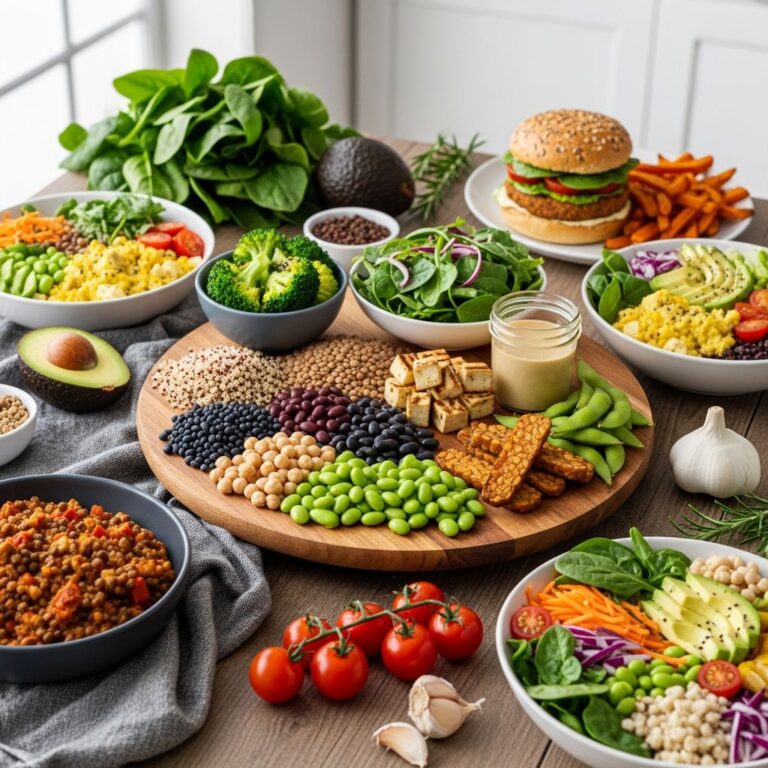
A: Absolutely—swap yogurt/kefir for coconut yogurt, tempeh; focus on fiber.
Q: What’s the daily fiber goal for gut health?
A: 25-40g from diverse sources to fuel microbiota.
Q: Do supplements replace food sources?
A: No—whole foods provide synergistic compounds; use supplements as adjuncts.
Sample Weekly Adjustments
| Day | Swap Suggestion |
|---|---|
| Monday | Tempeh stir-fry for salmon |
| Wednesday | Miso soup for kefir |
| Weekend | Extra legumes for variety |
Adapt for preferences while prioritizing diversity.
References
- Elucidating the role of diet in maintaining gut health to reduce cardiometabolic diseases — National Institutes of Health (NIH), PMC. 2023-12-01. https://pmc.ncbi.nlm.nih.gov/articles/PMC10773664/
- The Microbiome Diet: Can It Restore Your Gut Health? — Healthline (reviewed by medical experts). 2023-08-15. https://www.healthline.com/nutrition/microbiome-diet
- Healthy Gut – What do GI Doctors Eat — Russell Havranek, MD. 2024-05-20. https://russellhavranekmd.com/eating-for-healthy-gut/
Similar Articles








Read full bio of Sneha Tete