Antioxidants: Complete Guide To Top Food Sources & Benefits
Discover the power of antioxidants: their role in health, top food sources, and science-backed benefits for fighting oxidative stress.
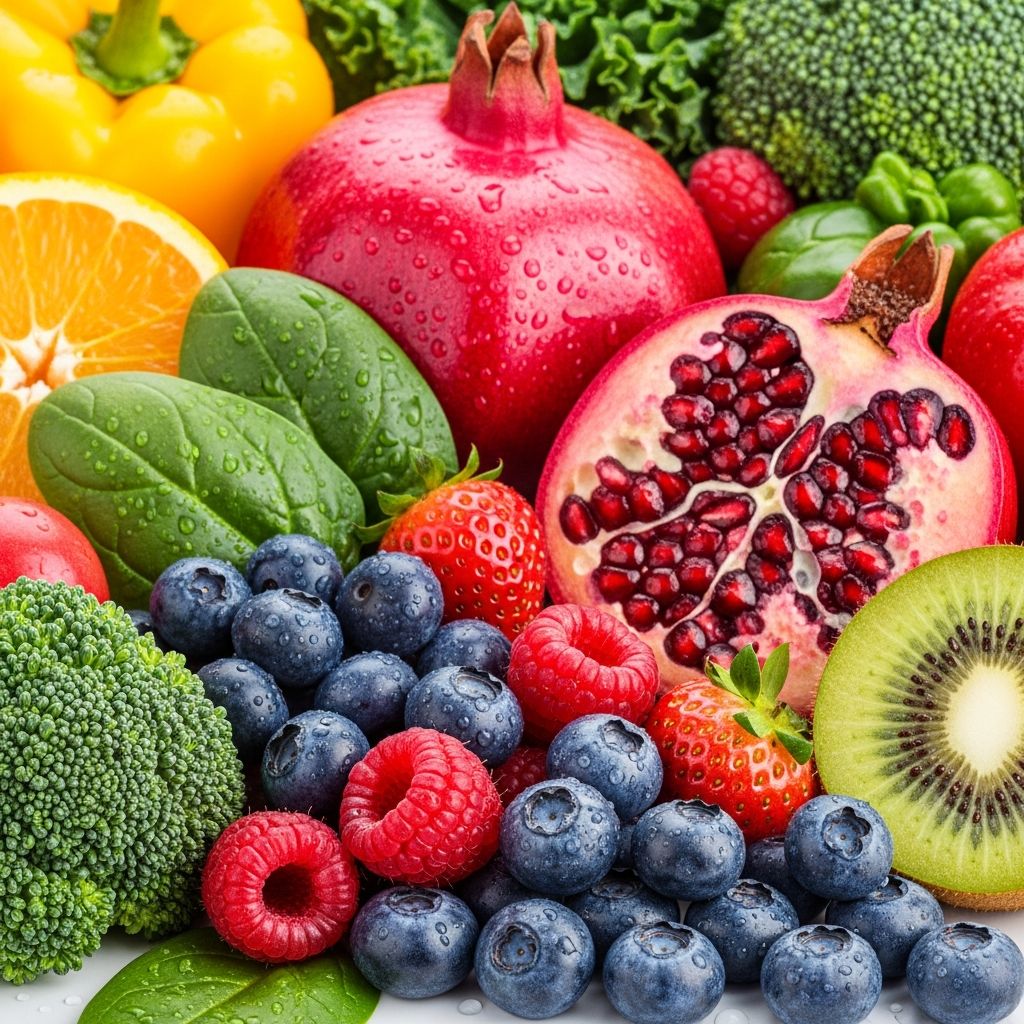
Antioxidants are compounds that help neutralize harmful free radicals in the body, protecting cells from oxidative damage and potentially reducing the risk of chronic diseases like heart disease, cancer, and aging-related conditions. These vital molecules occur naturally in many plant-based foods and play a crucial role in maintaining overall health.
What Do Antioxidants Do?
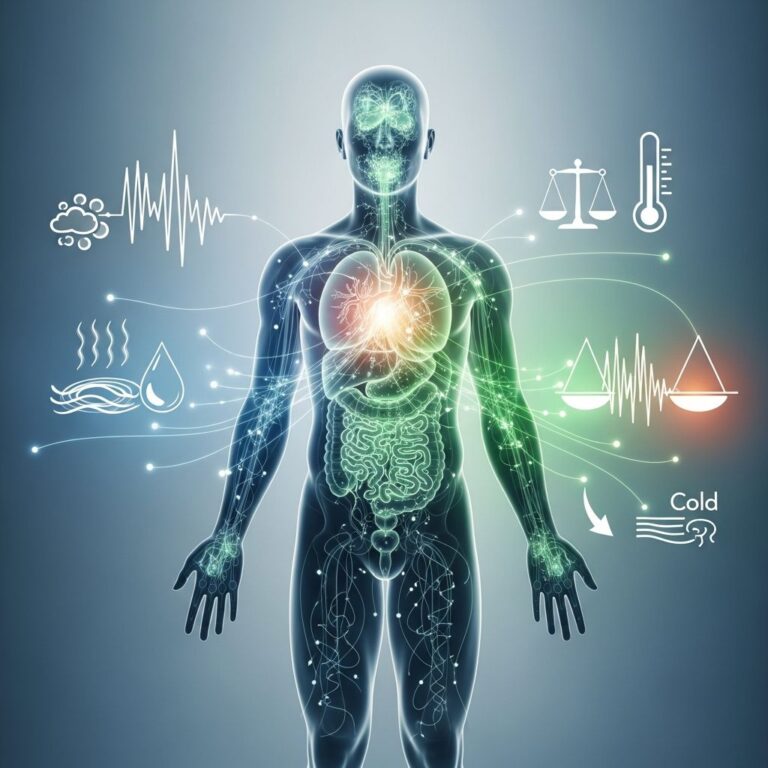
Antioxidants work by donating electrons to free radicals—unstable molecules produced during normal metabolism, environmental exposures like pollution, or UV radiation—stabilizing them and preventing them from damaging DNA, proteins, and cell membranes. This process interrupts the chain reaction of oxidative stress, which contributes to inflammation and tissue damage. Research shows plant-based foods deliver thousands of phytochemical antioxidants that may act directly in vivo or induce the body’s own defense mechanisms, such as enzyme production for DNA repair and longevity.
Without sufficient antioxidants, oxidative stress accumulates, accelerating aging and disease. A balanced intake supports immune function, cardiovascular health, and cognitive performance by mitigating reactive oxygen species (ROS).
Types of Antioxidants
Antioxidants fall into two main categories: enzymatic (produced by the body) and non-enzymatic (obtained from diet). Enzymatic antioxidants include superoxide dismutase, catalase, and glutathione peroxidase, which break down harmful peroxides. Non-enzymatic types are more diverse:
- Vitamin C (ascorbic acid): Water-soluble; regenerates other antioxidants like vitamin E.
- Vitamin E (tocopherols): Fat-soluble; protects cell membranes from lipid peroxidation.
- Polyphenols: Flavonoids, phenolic acids in fruits, vegetables, tea; exhibit anti-inflammatory effects.
- Carotenoids: Beta-carotene, lycopene, lutein; convert to vitamin A precursors, shield eyes and skin.
- Selenium: Mineral cofactor for glutathione peroxidase enzyme.
Phytochemicals like anthocyanins in berries and curcumin in turmeric provide synergistic protection through complementary redox potentials.
Health Benefits of Antioxidants
Diets rich in antioxidants correlate with lower risks of chronic conditions. Studies demonstrate antioxidants from foods reduce oxidative damage linked to atherosclerosis, neurodegeneration, and carcinogenesis. Key benefits include:
- Heart Health: Polyphenols lower LDL oxidation, improving endothelial function and blood pressure.
- Cancer Prevention: Neutralize ROS that mutate DNA; high intake associated with reduced tumor formation.
- Anti-Aging: Protect skin collagen from UV-induced breakdown, minimizing wrinkles.
- Brain Protection: Cross blood-brain barrier to combat neuroinflammation in Alzheimer’s and Parkinson’s.
- Immune Support: Enhance white blood cell function against infections.
Plant-based diets introduce significantly more antioxidants than animal-based ones, with fruits, berries, nuts, and chocolate showing 5-33 times higher content than meats. Synergistic mixtures amplify effects beyond single compounds.
Antioxidant-Rich Foods
The antioxidant content of foods varies thousand-fold, with spices, herbs, berries, and nuts topping comprehensive databases analyzing over 3,100 items. Plant kingdom dominates, as animal products contain minimal amounts. Prioritize variety for broad-spectrum protection.
Top Antioxidant Foods by Category
| Category | Top Examples | Antioxidant Content (mmol/100g, mean) |
|---|---|---|
| Spices & Herbs (Dried) | Cloves, Peppermint, Allspice, Cinnamon, Oregano | 44–277 |
| Berries | Wild Bilberries, Elderberries, Cranberries | 20–50+ |
| Nuts & Seeds | Walnuts (with pellicle), Pecans, Chestnuts, Sunflower Seeds | 4.7–33.3 |
| Fruits | Plums, Apples, Pears, Oranges | 2–10 |
| Vegetables | Artichokes, Kale, Red Cabbage, Broccoli | 1–5 |
| Other | Dark Chocolate (70%+ cocoa), Coffee, Red Wine | 5–20 |
Related Stories



Spices: Cloves lead at up to 277 mmol/100g, followed by oregano (63.2), rosemary (44.8), and nutmeg (26.4). Fresh herbs like oregano offer 2.2–5.6 mmol/100g.
Nuts: Walnuts with pellicle reach 33.3 mmol/100g; pecans and sunflower seeds 4.7–8.5. Pellicle (skin) boosts content significantly.
Berries & Fruits: Exceptionally high in anthocyanins; wild varieties outperform cultivated.
Grains & Legumes: Buckwheat, millet flours; breakfast cereals average 0.5–2.25 mmol/100g.
Antioxidants vs. Free Radicals
Free radicals are atoms with unpaired electrons seeking stability by stealing from healthy cells, sparking oxidative chain reactions. Sources include metabolism (up to 2% of oxygen forms ROS), smoking, radiation, and pollutants. Antioxidants quench these by providing electrons without destabilizing. Balance is key—excess free radicals cause damage, but some aid signaling and immunity. Diets low in plants fail to counter animal-food-poor antioxidant profiles.
Do You Need Antioxidant Supplements?
Whole foods outperform supplements due to synergistic bioavailability and fiber. High-dose isolates like beta-carotene increased lung cancer risk in smokers per trials. Supplements suit deficiencies (e.g., vitamin C for scurvy) but not general use. The FRAP assay database emphasizes food diversity over pills; plant phytochemicals induce endogenous defenses better. Consult doctors for personalized needs, especially with medications.
Foods Highest in Antioxidants
- Cloves: 277 mmol/100g—use in teas, baking.
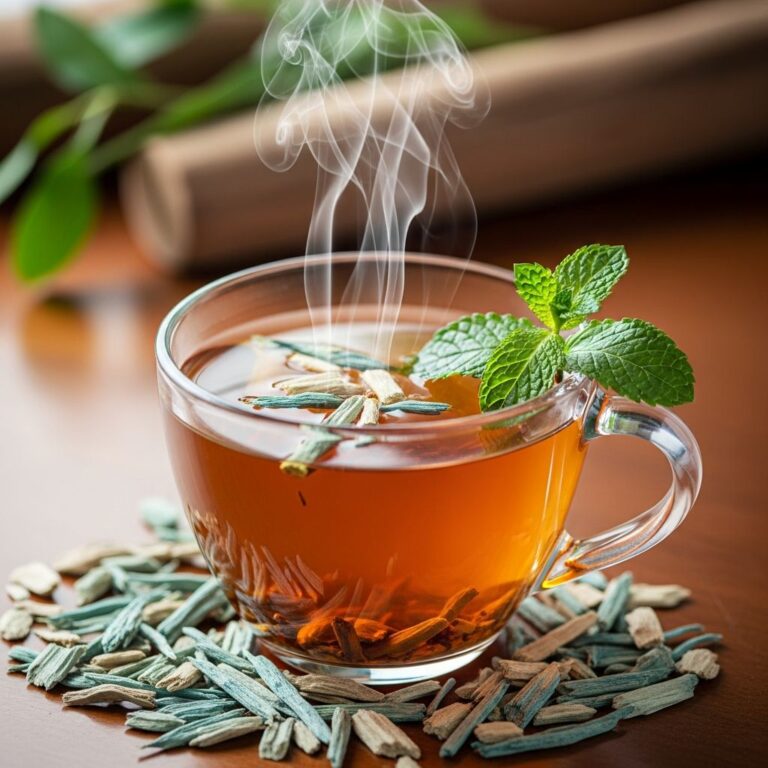
- Peppermint (dried): Extreme potency; herbal infusions.
- Walnuts: 33.3 mmol/100g—eat with skin.
- Cinnamon: Versatile spice for oatmeal, coffee.
- Dark Chocolate: Cocoa flavonoids rival berries.
- Artichokes: Steamed for max absorption.
Incorporate daily: berry smoothies, nut snacks, herb-seasoned veggies, spiced teas. Variations exist by cultivar, origin, processing—opt for fresh, organic where possible.
Frequently Asked Questions (FAQs)
What are antioxidants in simple terms?
Antioxidants are natural compounds that fight free radicals, unstable molecules causing cell damage and aging, found abundantly in plant foods.
Which food has the most antioxidants?
Cloves top the list at 277 mmol/100g, followed by dried peppermint and spices like cinnamon and oregano per global assays.
Can you get too many antioxidants?
From foods, unlikely—synergy prevents overload. Supplements risk imbalance, e.g., excess vitamin E may promote bleeding.
Are antioxidant supplements effective?
Generally no for healthy people; whole foods provide better absorption and cofactors. Used for specific deficiencies only.
How do antioxidants help with aging?
They reduce oxidative stress on skin, DNA, and mitochondria, slowing wrinkles, cognitive decline, and frailty.
Do cooking destroy antioxidants?
Some heat-sensitive like vitamin C degrade, but others (lycopene in tomatoes) increase. Steam or eat raw when possible.
References
- The total antioxidant content of more than 3100 foods, beverages, spices, herbs and supplements used worldwide — Carlsen MH et al. Nutrition Journal. 2010-01-22. https://pmc.ncbi.nlm.nih.gov/articles/PMC2841576/
- Antioxidants in food: content, measurement, significance, action, cautions, caveats, and research needs — Prior RL. Advances in Food and Nutrition Research. 2010. https://pubmed.ncbi.nlm.nih.gov/20541150/
- Antioxidant activity of fresh and dried herbs and spices measured using three different antioxidant assays — Shan B et al. Journal of Food Lipids. 2005. https://doi.org/10.1111/j.1745-4522.2005.00019.x
- Phytochemicals as micronutrient antioxidants for optimal health — Ames BN. Proceedings of the Nutrition Society. 2001. https://doi.org/10.1079/PNS2001136
- Oxidative Stress and Antioxidants in Disease and Aging — Halliwell B. Free Radical Research. 1996. https://doi.org/10.3109/10715769609145624
Similar Articles








Read full bio of medha deb