B Vitamins And Folate: 8 Essential Functions & Food Sources
Discover the essential roles of B vitamins in energy production, metabolism, and overall health, with special focus on folate's importance in pregnancy.
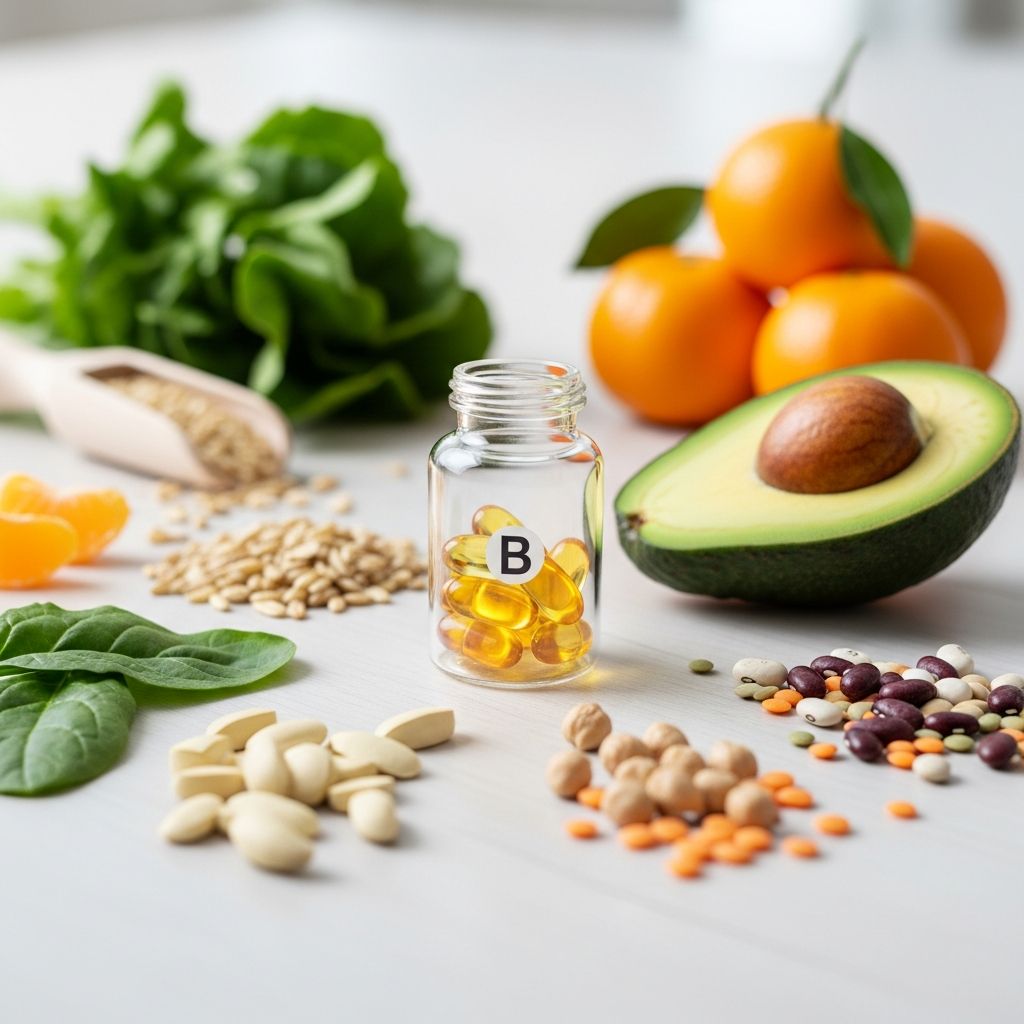
There are
eight well-known B vitamins
that play crucial roles in the body, primarily supportingmetabolism
and helping convert food into energy. These water-soluble vitamins are not stored in large amounts by the body, requiring daily intake through diet. Several B vitamins also contribute to immune function, nervous system health, red blood cell production, and genetic material development.B vitamins work synergistically, often acting as coenzymes in metabolic pathways. Deficiencies can lead to fatigue, anemia, neurological issues, and developmental problems, particularly in vulnerable populations like pregnant women and the elderly. This article details each B vitamin, with expanded coverage on
folate (vitamin B9)
due to its critical role in preventing neural tube defects and supporting cell growth.The Eight B Vitamins: Functions and Food Sources
The B-complex includes thiamin (B1), riboflavin (B2), niacin (B3), pantothenic acid (B5), pyridoxine (B6), biotin (B7), folate (B9), and cobalamin (B12). Below is a comprehensive overview of their functions, recommended intakes, and rich food sources.
| Vitamin | Key Functions | Daily Recommended Amount (Adults) | Food Sources |
|---|---|---|---|
| B1 (Thiamin) | Energy metabolism, nerve function | 1.1-1.2 mg | Whole grains, pork, legumes, nuts |
| B2 (Riboflavin) | Energy production, antioxidant protection | 1.1-1.3 mg | Dairy, eggs, leafy greens, meat |
| B3 (Niacin) | Digestion, skin health, energy metabolism | 14-16 mg | Poultry, fish, peanuts, mushrooms |
| B5 (Pantothenic Acid) | Fatty acid synthesis, hormone production | 5 mg | Avocado, yogurt, chicken, broccoli |
| B6 (Pyridoxine) | Protein metabolism, immune support, neurotransmitter synthesis | 1.3-1.7 mg | Chicken, fish, bananas, potatoes, fortified cereals |
| B7 (Biotin) | Carbohydrate and fat metabolism, hair/skin health | 30 mcg | Eggs, almonds, sweet potatoes, salmon |
| B9 (Folate) | DNA synthesis, red blood cell formation, homocysteine regulation | 400 mcg DFE | Leafy greens, beans, liver, fortified grains |
| B12 (Cobalamin) | Red blood cell formation, neurological function, DNA synthesis | 2.4 mcg | Meat, fish, dairy, fortified cereals |
Note: DFE = Dietary Folate Equivalents. Amounts vary by age, sex, and life stage (e.g., pregnancy).
Vitamin B1 (Thiamin)
Thiamin helps convert carbohydrates into energy and supports nerve impulse transmission. Deficiency, known as beriberi, causes fatigue and heart issues, often seen in alcohol-dependent individuals.
Vitamin B2 (Riboflavin)
Riboflavin aids in energy production and maintains healthy skin and eyes. It’s sensitive to light, so store milk in opaque containers.
Vitamin B3 (Niacin)
Niacin supports over 400 enzymatic reactions, including cholesterol regulation. High doses can treat pellagra but may cause flushing.
Vitamin B5 (Pantothenic Acid)
Essential for coenzyme A, involved in energy from fats, carbs, and proteins. Widely available in foods, deficiency is rare.
Vitamin B6
Also called
pyridoxine
, B6 is vital for amino acid metabolism, hemoglobin production, and immune function. It supports a healthy nervous system by aiding neurotransmitter synthesis like serotonin and dopamine. Rich sources include beans, chicken, bananas, potatoes, pork, fish, and fortified cereals. Deficiency risks include anemia and dermatitis; excess from supplements can cause nerve damage.Vitamin B7 (Biotin)
Biotin promotes healthy hair, skin, and nails while metabolizing carbs and fats. Pregnancy increases needs.
Vitamin B12 (Cobalamin)
B12 maintains myelin sheaths around nerves and works with folate for red blood cell production. Vegans are at risk of deficiency, leading to pernicious anemia.
Related Stories



Folate: The Pregnancy Powerhouse
**Folate**, or
vitamin B9
, is essential for protein and vitamin metabolism, DNA/RNA synthesis, and red blood cell production. The natural form is folate (in foods), whilefolic acid
is the synthetic version in supplements and fortified foods, absorbed at 85% vs. 50% efficiency.Folate breaks down homocysteine, reducing cardiovascular risks, and is critical during rapid growth phases like pregnancy. Consuming 400-800 mcg of folic acid daily before and during pregnancy slashes neural tube defects (NTDs) like spina bifida by up to 70%.
- NTD Prevention: Folate closes the neural tube in the first 28 days post-conception.
- Other Benefits: Lowers preterm birth, anemia, heart defects, and cleft palates.
- Homocysteine Regulation: With B6 and B12, prevents elevated levels linked to heart disease and stroke.
Food sources: Beef liver (215 mcg/3oz), kidney beans, black-eyed peas, broccoli, avocado, Brussels sprouts, spinach. Folic acid in enriched breads, pasta, cereals.
Since 1998 U.S. fortification, average intake rose 100 mcg/day, halving NTD rates. Yet, many don’t meet needs via diet alone, especially reproductive-age women.
Who Needs Supplements?
- Women capable of pregnancy: 400 mcg folic acid daily.
- Pregnant: 600 mcg.
- Breastfeeding: 500 mcg.
- Those with malabsorption (e.g., celiac) or MTHFR gene variants.
Consult a registered dietitian or doctor before supplementing.
Health Benefits Beyond Pregnancy
Folate supports cell division, preventing megaloblastic anemia. It may reduce stroke risk by 12% via B-vitamin combos, especially in low-folate areas. Emerging research links adequate B vitamins to cognitive health in aging. However, high folic acid (>1,000 mcg) might accelerate some cancers; balance is key.
Deficiency Risks and Symptoms
- Folate Deficiency: Fatigue, weakness, anemia, glossitis, neural tube defects in offspring.
- B-Vitamin General: Neurological issues, skin problems, weakened immunity.
- Risk Groups: Elderly, alcoholics, vegans (B12), pregnant women.
Frequently Asked Questions (FAQs)
Are B vitamins stored in the body?
No, as water-soluble vitamins, they need daily replenishment via diet.
Can I get enough folate from food alone?
Possibly, but fortification and supplements ensure adequacy, especially for pregnancy.
What’s the difference between folate and folic acid?
Folate is natural in foods; folic acid is synthetic, better absorbed.
Do B vitamins help with energy?
Yes, they aid food-to-energy conversion, combating fatigue from deficiencies.
Is too much folate harmful?
Excess masks B12 deficiency; upper limit 1,000 mcg/day for adults.
Practical Tips for B-Vitamin Intake
Diversify your diet: Eat leafy greens, legumes, lean meats, fortified grains daily. Limit alcohol and processed foods that deplete B vitamins.
Pregnancy Prep: Start folic acid 1 month preconception.
Monitoring: Blood tests detect deficiencies; pair with healthcare advice.
References
- What Are B Vitamins and Folate? — Academy of Nutrition and Dietetics. 2023. https://www.eatright.org/health/essential-nutrients/vitamins/what-are-b-vitamins-and-folate
- Folate (Folic Acid) – Vitamin B9 — Harvard T.H. Chan School of Public Health. 2024-01-15. https://nutritionsource.hsph.harvard.edu/folic-acid/
- B Vitamins: Functions and Uses in Medicine — National Library of Medicine (PMC). 2022-10-20. https://pmc.ncbi.nlm.nih.gov/articles/PMC9662251/
- Vitamin B — Better Health Channel (Vic.gov.au). 2023. https://www.betterhealth.vic.gov.au/health/healthyliving/vitamin-b
- Folate (folic acid) — Mayo Clinic. 2024-05-10. https://www.mayoclinic.org/drugs-supplements-folate/art-20364625
- Folate – Health Professional Fact Sheet — NIH Office of Dietary Supplements. 2024-09-01. https://ods.od.nih.gov/factsheets/Folate-HealthProfessional/
- Folic Acid: Facts for Clinicians — Centers for Disease Control and Prevention (CDC). 2024. https://www.cdc.gov/folic-acid/hcp/clinical-overview/index.html
Similar Articles








Read full bio of medha deb