What Are Boogers? Complete Guide: Causes, Removal & Prevention
Discover what boogers really are, why your body makes them, and safe ways to deal with them without harm.
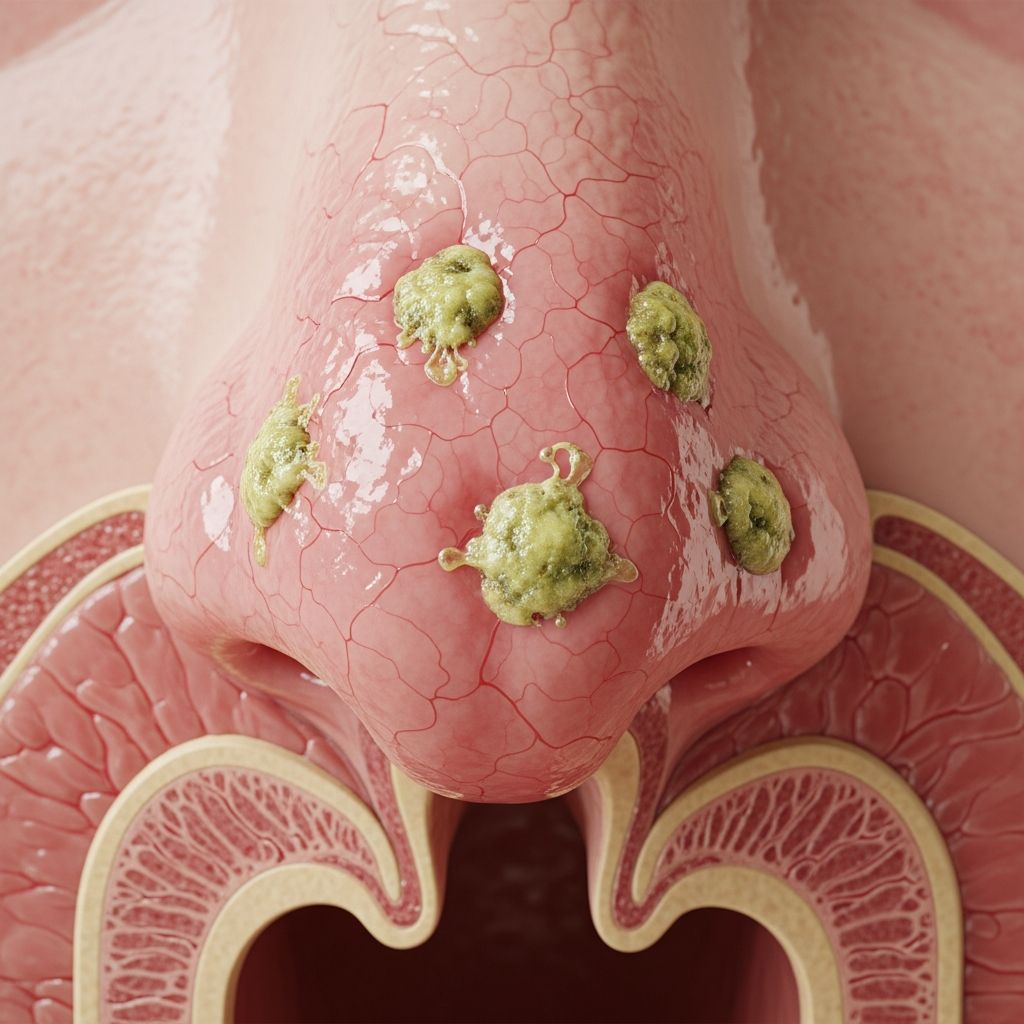
Boogers, those crusty bits found in your nose, are simply dried mucus mixed with trapped particles like dust, pollen, bacteria, and other debris. Your nasal passages produce mucus continuously to protect your respiratory system, and when it dries, it forms these familiar nuggets.
What Are Boogers Made Of?
Boogers consist primarily of mucus, which is about 95% water, along with mucins—proteins that give mucus its gel-like consistency. Other components include electrolytes, enzymes, and captured environmental contaminants such as dirt, viruses, bacteria, pollen, and dust. Tiny hair-like structures called cilia in your nose help move this mucus-laden mixture toward the nostrils, where it dries into solid boogers.
The mucus lining your nose, throat, and lungs acts as a frontline defense, trapping irritants before they can reach deeper into your airways. Without this protective layer, you’d be far more susceptible to infections and respiratory issues.
Why Do We Get Boogers?
Your body produces boogers as a natural defense mechanism. Every day, you inhale thousands of particles, and mucus captures them to prevent entry into the lungs. Cilia then propel the mucus forward or backward—forward to form boogers you can expel, or backward to be swallowed and digested.
Booger production increases during colds, allergies, or sinus infections because your body ramps up mucus to fight invaders. Environmental factors like dry air from heaters or low humidity also dry out mucus faster, leading to more noticeable, crusty boogers.
- Dry environments: Winter heating or arid climates irritate nasal passages, causing excess dry mucus.
- Illnesses: Colds and flu trigger hyper-production of thicker mucus.
- Allergies: Pollen and dust provoke more mucus to trap allergens.
- Dehydration: Low water intake makes mucus drier and stickier.
Are Boogers Bad for You?
Far from being gross or harmful, boogers are beneficial. They keep harmful particles out of your lungs, reducing infection risk. Picking your nose removes them effectively but carries risks if done improperly, such as spreading bacteria from hands to nose or causing irritation and bleeding.
A 2023 study linked frequent nose picking to higher COVID-19 infection risk among healthcare workers, as it transfers viruses between hands and nasal mucosa. A 2017 study highlighted how hands transmit dangerous bacteria via nose picking.
Healthy boogers are typically clear or white. Changes in color or texture can signal issues:
- Yellow/Green: Possible bacterial infection.
- Bloody: Irritation, dryness, or injury.
- Black: Inhaled pollutants like smoke or dirt.
How to Get Rid of Boogers Safely
Resist the urge to dig deeply, as this can damage delicate nasal tissue, cause bleeding, or introduce infections. Instead, use gentle methods to loosen and remove them.
For Adults
- Wash hands thoroughly before and after.
- Use saline spray or rinse: Moisten boogers with over-the-counter saline solution or a neti pot to loosen them.
- Blow gently: After a steamy shower, blow your nose into a tissue.
- Humidify air: Use a humidifier to prevent drying.
- Stay hydrated: Drink plenty of water to keep mucus thin.
Avoid cramming fingers deep; this can rip skin or push debris further in.
Related Stories



For Babies and Toddlers
Infants can’t blow their noses, so deep boogers can block breathing. Use this safe technique:
- Calm the baby in a safe position.
- Instill 1-2 saline drops per nostril.
- Squeeze air from a rubber bulb syringe.
- Gently insert tip into nostril and release to suction mucus.
- Wipe exterior gently; repeat if needed.
Consult a pediatrician for persistent issues.
Deep or Stubborn Boogers: What to Do
Hard, scab-like boogers cling to nasal walls, making removal painful. Soften first with saline irrigation, steam, or petroleum jelly on a Q-tip (sparingly, externally only).
If boogers persist, it could indicate nasal polyps, deviated septum, or chronic dryness. See a doctor if accompanied by pain, bleeding, or breathing difficulty.
| Problem | Symptom | Solution |
|---|---|---|
| Dry Boogers | Crusty, sharp | Humidifier, saline spray |
| Bloody Boogers | Red streaks | Moisturize; see MD if ongoing |
| Excessive Amount | Constant need to blow | Address allergies/cold |
When to See a Doctor About Boogers
Boogers alone rarely need medical attention, but seek help for:
- Severe or recurrent nosebleeds.
- Persistent pain or congestion >10 days.
- Colored mucus with fever or facial pain (sinusitis).
- Breathing issues or foul odor.
- In babies: feeding/breathing problems.
These may signal infections, allergies, or structural problems requiring antibiotics, steroids, or surgery.
Preventing Excess Boogers
You can’t eliminate boogers entirely—they’re essential—but reduce them by:
- Hydrating: 8+ glasses of water daily thins mucus.
- Humidifying: Maintain 40-60% indoor humidity, especially winter.
- Avoiding irritants: Smoke, strong odors, allergens.
- Treating root causes: Antihistamines for allergies, decongestants for colds.
- Nasal hygiene: Regular saline rinses.
Frequently Asked Questions (FAQs)
Are boogers normal?
Yes, everyone produces boogers daily as a protective function. They’re rarely a health concern unless excessive or symptomatic.
Is picking your nose bad?
It can spread germs and cause injury if aggressive. Wash hands and use tissues for safer removal.
Why are my boogers bloody?
Dryness, picking, or irritation often causes this. Moisturize; see a doctor if frequent.
Can boogers be green?
Green or yellow suggests infection-fighting white blood cells. Monitor and consult MD if persistent.
How do I remove boogers from my baby?
Use saline drops and bulb syringe gently. Avoid forcing.
Boogers play a vital role in nasal health. Understanding and managing them properly keeps your nose—and you—healthy.
References
- How to Remove Deep Boogers, and What Causes Them — Healthline. 2023. https://www.healthline.com/health/how-to-remove-deep-boogers
- Nose boogers: Causes and how to get rid of them — Medical News Today. 2023. https://www.medicalnewstoday.com/articles/nose-booger
- Decoding Mucus Colors: A Guide to What Your Mucus Is Telling You — Mount Carmel Health. 2024. https://www.mountcarmelhealth.com/blog-articles/decoding-mucus-colors-guide-what-your-mucus-telling-you
Similar Articles








Read full bio of medha deb