Chia Seeds: 6 Proven Health Benefits And Simple Uses
Discover the nutritional power of chia seeds, from omega-3s and fiber to health benefits for heart, digestion, and bone health.
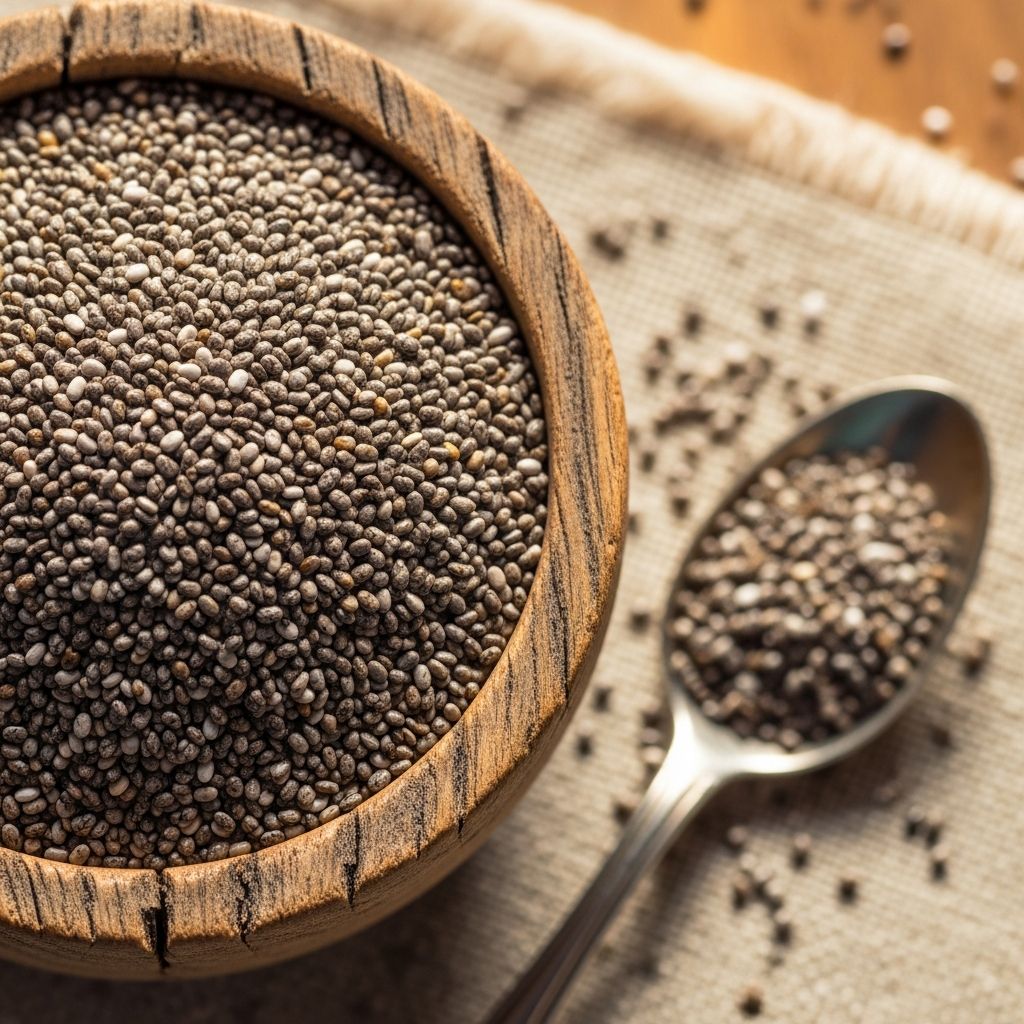
Chia seeds are small, flattened seeds from the plant Salvia hispanica, native to central and southern Mexico and Guatemala. These nutrient-dense seeds have been a dietary staple for ancient civilizations like the Aztecs and Mayans, who valued them for their energy-boosting properties. Today, chia seeds are celebrated as a superfood due to their rich content of fiber, omega-3 fatty acids, protein, antioxidants, and essential minerals. When mixed with liquid, they form a gel-like substance, making them versatile for puddings, smoothies, and baked goods.
Nutritionally Speaking
Chia seeds pack an impressive nutritional punch in a tiny package. A standard 1-ounce (28-gram, about 2-tablespoon) serving provides approximately 138-140 calories, making it a calorie-efficient way to boost nutrient intake. This serving delivers 4.7-5 grams of complete protein—containing all nine essential amino acids—9.8-11 grams of fiber, and 8.7-9 grams of healthy fats, primarily from alpha-linolenic acid (ALA), a plant-based omega-3 fatty acid.
The macronutrient breakdown by weight is roughly 42% carbohydrates (mostly fiber), 31% fat, 17% protein, and 6% water. Notably, chia seeds are gluten-free, making them suitable for those with celiac disease or gluten sensitivities.
Carbohydrates and Fiber
Over 80% of the carbohydrates in chia seeds come from fiber, with one ounce providing nearly 10 grams—about 35% of the daily value (DV) for adults. This includes both soluble (7-15%) and insoluble (85-93%) fiber. The soluble fiber forms a gel in the gut, promoting fullness, stabilizing blood sugar, and feeding beneficial gut bacteria to produce short-chain fatty acids (SCFAs) that support colon health. Insoluble fiber aids digestion and prevents constipation.
Protein Quality
With 17% protein by weight, chia seeds offer a high-quality plant-based source comparable to other seeds but superior to most grains. Studies link higher protein intake to increased satiety and reduced overall calorie consumption, aiding weight management. Their complete amino acid profile makes them valuable for vegetarians and vegans, though they should be part of a varied diet.
Fats: Omega-3 Powerhouse
The fats in chia seeds are predominantly polyunsaturated, with 5 grams of ALA omega-3 per ounce—more than in flaxseeds. ALA supports heart health by potentially raising blood levels of EPA after conversion, though efficiency varies. Antioxidants in the seeds protect these fats from oxidation, extending shelf life.
Vitamins and Minerals
Chia seeds are mineral-rich, supporting bone health, metabolism, and immunity. Key nutrients per 1-ounce serving include:
- Calcium: 14-18% DV – Essential for bones, muscles, and nerves.
- Magnesium: 23% DV – Involved in over 300 bodily processes; often deficient in modern diets.
- Phosphorus: 20% DV – Supports bone formation and energy production.
- Manganese: 23% DV – Aids metabolism and antioxidant defenses.
- Copper: 29% DV – Crucial for heart health and iron absorption.
- Selenium: 29% DV – Powerful antioxidant protecting cells.
- Iron: 12-22% DV – For oxygen transport, though phytic acid may reduce absorption.
- Thiamine (B1): 15% DV – Energy metabolism.
- Niacin (B3): 16% DV – Cellular repair.
- Zinc: 12% DV – Immune function.
Related Stories



Phytic acid, a natural compound, may slightly hinder absorption of iron and zinc, so pairing chia with vitamin C-rich foods can help.
Antioxidants
Chia seeds are loaded with antioxidants like chlorogenic acid, caffeic acid, myricetin, quercetin, and kaempferol. These combat free radicals, reducing oxidative stress linked to aging, cancer, and chronic diseases. Chlorogenic acid may lower blood pressure, while caffeic acid fights inflammation.
Health Benefits of Chia Seeds
Research highlights several evidence-based benefits from regular chia seed consumption, though more human studies are needed for definitive claims.
Heart Health
Chia seeds may reduce heart disease risk factors. Their ALA omega-3s, fiber, and antioxidants help lower blood pressure, cholesterol, platelet aggregation, and oxidation. A 2021 meta-analysis showed increased ALA and EPA blood levels from chia intake. Observational data links higher ALA to better cardiovascular outcomes.
Digestive and Gut Health
The high fiber content promotes regular bowel movements, prevents constipation, and supports a healthy gut microbiome via prebiotic effects. Fermentation produces SCFAs that nourish colon cells and reduce inflammation.
Blood Sugar Control
Soluble fiber slows carbohydrate digestion, blunting blood sugar spikes—beneficial for diabetes management. Studies suggest chia improves glycemic control and insulin sensitivity.
Weight Management
Fiber and protein enhance satiety, potentially reducing calorie intake. The gel-forming property adds bulk to meals without extra calories. Some studies note modest weight loss support, though results vary.
Bone Health
Rich in calcium, phosphorus, magnesium, and ALA, chia seeds contribute to bone mineral density. Animal studies show improved bone content with daily intake; human observational data supports this link.
Anti-Inflammatory and Anticancer Potential
Antioxidants like quercetin and kaempferol offer protective effects on the heart, liver, and cells, potentially lowering chronic disease risk.
How to Use Chia Seeds
Chia seeds are easy to incorporate—no grinding needed, unlike flax. Their neutral flavor blends seamlessly. Start with 1-2 tablespoons daily to avoid digestive discomfort as fiber intake increases.
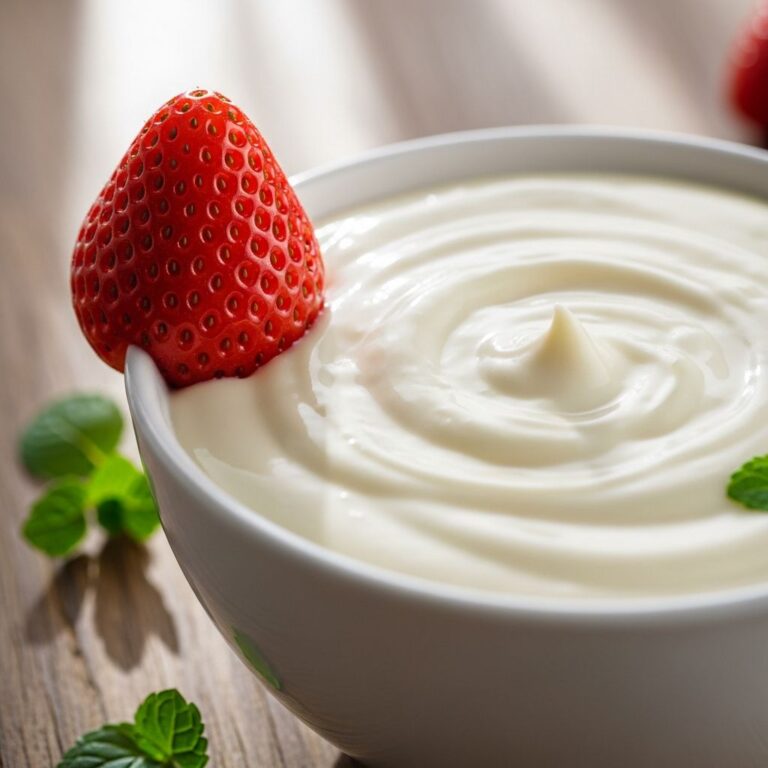
- Puddings: Mix 3 tbsp seeds with 1 cup milk (dairy or plant-based); refrigerate 15-30 minutes or overnight. Top with fruit, nuts, or yogurt.
- Smoothies: Add 1 tbsp to blends for thickness and nutrition.
- Baking: Substitute for eggs (1 tbsp seeds + 3 tbsp water = 1 egg); use in muffins, breads, or cookies.
- Sprinkle: On oatmeal, yogurt, salads, or soups.
- Chia Fresca: Soak 1 tsp in water with lemon and honey for a hydrating drink.
- Thickener: Stir into jams, sauces, or dressings.
Store dry seeds in a cool, dark place for up to two years thanks to natural antioxidants.
Chia Seed Recipes
Simple, delicious ways to enjoy chia:
Basic Chia Pudding
Serves 2; Prep: 5 min + chill
- ¼ cup chia seeds
- 1 cup almond milk
- 1 tsp vanilla extract
- 1 tbsp maple syrup
- Fresh berries for topping
Mix all except berries; stir well. Refrigerate 4+ hours or overnight, stirring occasionally. Top and serve. (Per serving: ~200 cal, 10g fiber, 5g protein.)
Chia Energy Balls
Makes 12; Prep: 10 min + chill
- 1 cup oats
- ½ cup peanut butter
- ⅓ cup honey
- 2 tbsp chia seeds
- ¼ cup chocolate chips
Combine; roll into balls. Chill 30 min. Perfect snack!
Overnight Oats with Chia
Mix ½ cup oats, 1 tbsp chia, ¾ cup milk, fruit, and nuts in a jar. Refrigerate overnight for grab-and-go breakfast.
Frequently Asked Questions
Are chia seeds good for you?
Yes, chia seeds are highly nutritious, offering fiber for digestion, omega-3s for heart health, protein for satiety, and minerals for bones. Backed by studies for benefits like blood sugar control.
Can you eat chia seeds every day?
Absolutely, 1-2 tbsp daily is safe and beneficial for most. Increase gradually to adapt to fiber; drink plenty of water.
Do chia seeds help you lose weight?
They may support weight loss by promoting fullness via fiber and protein, but pair with a balanced diet and exercise.
Should you soak chia seeds before eating?
Not required, but soaking improves digestibility and forms a gel that aids nutrient absorption and gut comfort.
Are chia seeds better than flaxseeds?
Similar nutrition; chia has more calcium and gel-forming ease, no grinding needed. Both excellent omega-3 sources.
Potential Downsides and Precautions
Chia seeds are safe for most, but high fiber can cause bloating if introduced too quickly—start slow and hydrate. Phytic acid may reduce mineral absorption; diversify diet. Those with seed allergies or on blood thinners should consult a doctor due to omega-3 effects. Not a meal replacement; enjoy as part of varied nutrition.
In summary, chia seeds are a versatile, nutrient powerhouse ideal for modern diets seeking plant-based boosts to health and wellness.
References
- Chia Seeds 101: Nutrition Facts and Health Benefits — Healthline. 2023-10-15. https://www.healthline.com/nutrition/chia-seeds
- 11 Proven Health Benefits of Chia Seeds — Healthline. 2023-11-20. https://www.healthline.com/nutrition/11-proven-health-benefits-of-chia-seeds
- All About Chia Seeds — Academy of Nutrition and Dietetics. 2024-01-10. https://www.eatright.org/food/food-groups/fats/all-about-chia-seeds
- Health Benefits of Chia Seeds — Advanced Health (PDF). 2022-02-01. https://advancedhealth.com/wp-content/uploads/2022/02/53-Chia-seed-handout.pdf
- Chia seeds (Salvia hispanica L.): A therapeutic weapon in metabolic diseases — PMC (NCBI). 2023-01-05. https://pmc.ncbi.nlm.nih.gov/articles/PMC9834868/
Similar Articles








Read full bio of Sneha Tete