What Are Gums (Gingivae)? Structure & Functions
Understanding gum anatomy, functions, and disease prevention for optimal oral health.
Understanding Gums: The Foundation of Your Oral Health
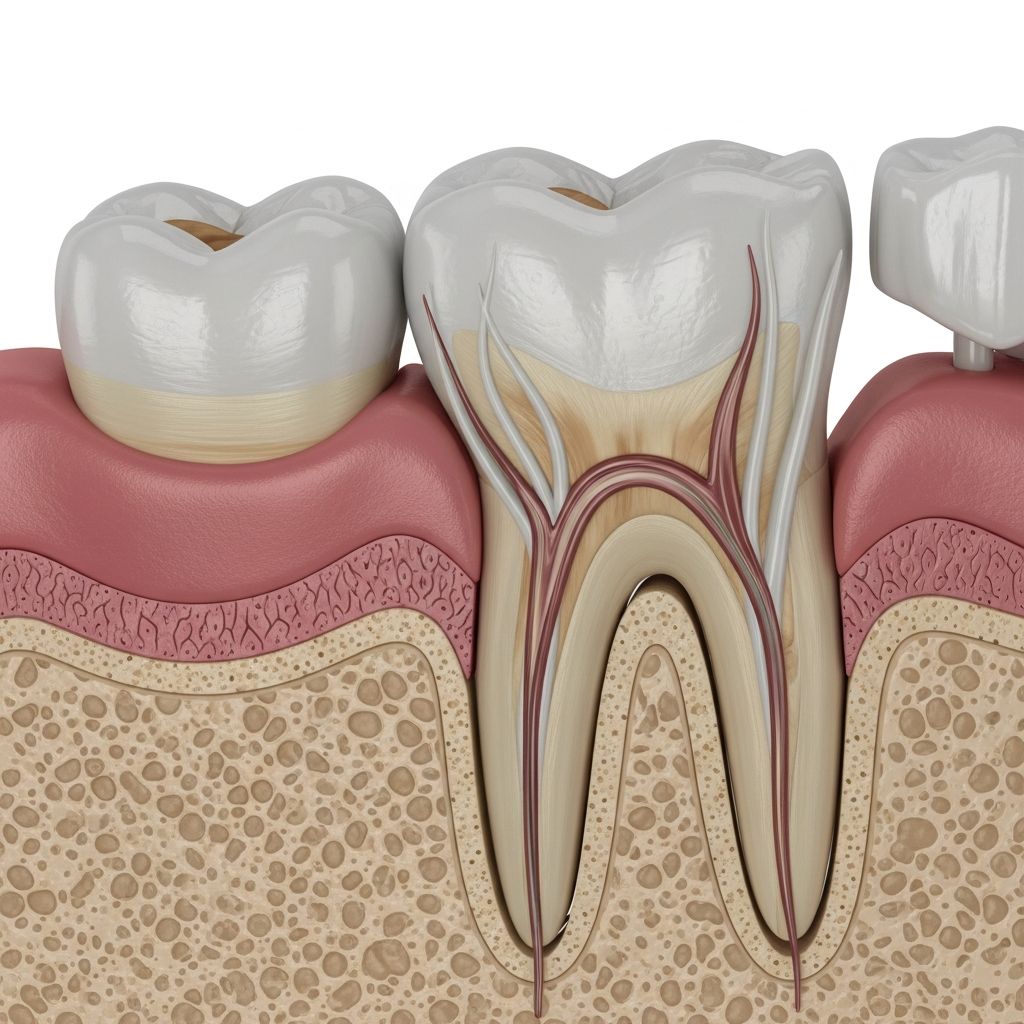
Your gums, medically known as gingivae, are the pink tissues in your upper and lower jaws that surround the base of your teeth and play a crucial role in protecting your dental health. These soft tissues form a protective seal around each tooth, anchoring them securely in place while serving as a barrier against bacteria and infection. Beyond their protective function, healthy gums are essential not only for maintaining a bright smile but also for supporting your overall systemic health. Understanding the anatomy and function of your gums is fundamental to recognizing early signs of disease and taking proactive steps to maintain optimal oral health.
The Anatomy and Structure of Your Gums
Healthy gums have a distinctive appearance and texture that indicates proper oral health. Gums that are functioning optimally display a firm, pink color and fit tightly around the teeth, creating a secure seal that protects the underlying bone and tooth roots. This characteristic appearance results from the dense network of blood vessels and connective tissue that make up the gingival tissue. The color of your gums can range from light pink to slightly darker depending on your ethnicity, thickness of the tissue, and blood flow to the area.
The gum tissue is composed of several distinct layers and structures that work together to support tooth stability. The free gingiva is the unattached portion of gum tissue that forms a collar around each tooth, while the attached gingiva is firmly bound to the underlying bone and tooth root. Between the tooth and gum tissue exists a shallow space called the sulcus, which in healthy gums measures approximately 1 to 3 millimeters deep. This natural pocket acts as a protective barrier, though it requires proper cleaning to prevent bacterial accumulation.
Primary Functions of Healthy Gums
Your gums serve multiple critical functions that extend far beyond simply holding your teeth in place. Understanding these functions highlights why maintaining gum health is so important:
Protection Against Infection
Healthy gums create a physical barrier that prevents harmful bacteria and food particles from reaching the sensitive tissues beneath your teeth, including the periodontal ligament and alveolar bone. This protective seal is essential for preventing infection and maintaining the structural integrity of your dental support system.
Tooth Support and Stability
The gingival tissue, along with the periodontal ligament and bone, anchors your teeth firmly in your jaw. This supportive network distributes the forces generated during chewing and maintains proper tooth alignment, preventing shifting and movement.
Nutritional and Sensory Functions
Your gums receive a rich blood supply that delivers essential nutrients to support the health of surrounding tissues. Additionally, the gum tissue contains sensory nerve endings that provide feedback about temperature, pressure, and potential irritants in your mouth.
Signs of Healthy Gums
Recognizing the characteristics of healthy gums is the first step in maintaining your oral health. Healthy gums typically display the following features:
- Firm texture that doesn’t bleed during brushing or flossing
- Pink coloration that may vary based on individual characteristics
- Tight fit around each tooth with no gaps or recession
- Consistent appearance with no swelling or discoloration
- Absence of sensitivity or discomfort during eating or chewing
- Fresh breath with no chronic bad breath or odor
Related Stories



Warning Signs of Unhealthy Gums
Changes in gum appearance, texture, or sensation often indicate developing problems that require attention. Discoloration, a spongy or swollen feeling, or a receding gum line are early warning signs that something may be wrong. Other concerning symptoms include bleeding during brushing or flossing, persistent bad breath, loose teeth, or discomfort when eating. These changes may indicate gingivitis, the early stage of gum disease, which can progress to more serious periodontal disease if left untreated.
Understanding Gum Disease
Gum disease, also known as periodontal disease, damages your gums and can lead to serious consequences including tooth loss, infections, and systemic health complications. The prevalence of gum disease is remarkably high, with research showing that close to 50% of Americans have some form of gum disease, making it one of the most common oral health conditions.
Stages of Gum Disease
Gingivitis is an inflammation of the gingiva representing the early stage of gum disease, characterized by inflamed gums localized to the gum tissue surrounding the tooth. During this stage, the condition is often reversible with proper treatment and improved oral hygiene. However, if gingivitis doesn’t get treated and managed, and plaque and tartar continue to accumulate, the inflammation can quickly progress to deeper layers of the periodontal structure, affecting the bone and periodontal ligament that support the tooth.
When left untreated, research shows that gum disease can lead to more serious medical issues, including heart disease and stroke. Studies have demonstrated that people with periodontal disease and people with heart disease more commonly have both conditions, even when controlling for other common risk factors.
The Connection Between Gum Health and Overall Health
The relationship between gum health and systemic health extends far beyond your mouth. Emerging research reveals that maintaining healthy gums may have protective effects on your cardiovascular system and other aspects of your overall well-being. While scientists still don’t fully understand the exact mechanisms linking gum disease to heart disease, the association is undeniable and consistent across numerous studies. Healthier gums and preventing or treating gum disease can have positive effects that may lower the risk of heart disease.
Maintaining Healthy Gums: Practical Strategies
Protecting your gums requires a comprehensive approach combining daily oral hygiene practices with professional dental care and lifestyle modifications.
Daily Oral Hygiene Practices
Proper oral hygiene is essential for healthy teeth and gums. The foundation of gum health begins with consistent daily habits. Brush your teeth at least twice daily using a soft-bristled toothbrush, and incorporate daily flossing to remove food particles and plaque from between teeth and below the gum line where your toothbrush cannot reach. These fundamental practices form the cornerstone of effective plaque removal and bacterial control.
Dietary Considerations
Diet plays a significant role in both systemic and gum health. A balanced diet rich in fruits, vegetables, vegetable oils, legumes, nuts, and healthy fatty fish provides essential nutrients that support your overall health and help suppress inflammation reflected in your mouth. These good essential nutrients improve your overall health and can help suppress any kind of inflammation. Conversely, excess sugar and alcohol can lead to inflammation and contribute to worsening gum disease.
Avoiding Harmful Habits
Smoking is one of the most significant risk factors for gum disease, with a strong association between tobacco use and developing aggressive periodontal disease. Smoking wreaks havoc throughout your body, but it particularly sets the stage for gum disease. Using chewing tobacco increases your risk of gum disease as well. Kicking this habit leads to many improvements in your health, including your gums.
Professional Dental Care
Regular dental check-ups and cleanings are essential for healthy gums, as dentists can spot early signs of gum disease and help address problems before they worsen. Twice a year usually works well for most people, but at minimum, you should see a dentist at least once a year for a check-up and professional cleaning.
Treatment Options for Gum Disease
Gum disease treatment encompasses several surgical and nonsurgical procedures designed to combat gingivitis and periodontitis. Healthcare providers use these procedures to reduce infection in your mouth and rebuild tissues damaged by gum disease. While there’s no cure for gum disease, you can manage it effectively with proper treatment and improved oral hygiene at home. Periodontists (gum specialists) usually perform these procedures, though general dentists sometimes treat milder forms of gum disease. Professional treatment is the only way to effectively treat and manage these conditions.
Common Misconceptions About Gum Care
Many people have misconceptions about what constitutes proper gum care. While chewing gum does trigger the production of saliva, which improves oral health by clearing food particles and neutralizing acids produced by bacteria, it should never replace regular brushing and flossing. Constant gum chewing can also put excessive force on your temporomandibular joints, muscles, and teeth, leading to overstress, imbalance, and misalignment in some cases. The best way to keep your teeth and gums healthy is to brush after each meal and floss daily, complemented by professional dental care.
Frequently Asked Questions About Gums
Q: What does it mean if my gums bleed when I brush or floss?
A: Bleeding gums are often an early sign of gingivitis or inflammation. If you experience persistent bleeding, you should contact your dentist promptly, as this may indicate the need for professional treatment and improved oral hygiene practices.
Q: Can gum disease be reversed?
A: Periodontal disease can be reversed in the early stages, particularly gingivitis. However, if left untreated, it progresses to more serious periodontitis that requires professional intervention. Early detection and treatment are crucial for reversing the condition.
Q: How often should I visit my dentist for gum health?
A: Twice yearly dental visits usually work well for most people, though at minimum you should see a dentist at least once a year for professional examination and cleaning to maintain gum health.
Q: Does diet really affect my gum health?
A: Yes, diet is fundamental to gum health. A diet rich in fruits, vegetables, nuts, and healthy fatty fish provides essential nutrients that support gum health and help suppress inflammation, while excess sugar and alcohol can contribute to gum disease.
Q: Why is smoking bad for my gums?
A: Smoking has a strong association with gum disease and can lead to very aggressive gum disease. It compromises your immune system’s ability to fight infection and impairs healing, making it one of the most significant modifiable risk factors for gum disease.
Q: What’s the relationship between gum disease and heart disease?
A: Research demonstrates a connection between gum disease and heart disease, with people having both conditions more commonly than would be expected. While the exact mechanisms aren’t fully understood, maintaining healthy gums may help reduce cardiovascular risk.
References
- Gum Disease Treatment — Cleveland Clinic. 2024. https://my.clevelandclinic.org/health/treatments/10907-gum-disease-treatment
- The Importance of Gum Health with Anne Clemons — Cleveland Clinic Podcasts. 2024. https://my.clevelandclinic.org/podcasts/health-essentials/the-importance-of-gum-health-with-anne-clemons
- Periodontal Disease (Gum Disease): Causes, Symptoms & Treatment — Cleveland Clinic. 2024. https://my.clevelandclinic.org/health/diseases/21482-gum-periodontal-disease
- Risks of Neglecting your Oral Health — Cleveland Clinic Newsroom. 2025-01-13. https://newsroom.clevelandclinic.org/2025/01/13/risks-of-neglecting-your-oral-health
- How To Know if Your Gums Are Healthy — Cleveland Clinic Health. 2024. https://health.clevelandclinic.org/healthy-gums
- Is Chewing Gum Bad for You? — Cleveland Clinic Health. 2024. https://health.clevelandclinic.org/is-chewing-gum-bad-for-you
- Oral Hygiene: Best Practices & Instructions for Good Routine — Cleveland Clinic. 2024. https://my.clevelandclinic.org/health/treatments/16914-oral-hygiene
Similar Articles








Read full bio of medha deb