What Are Neutrophils: Function, Count & Health
Understanding neutrophils: Your body's frontline defense against infections and disease.
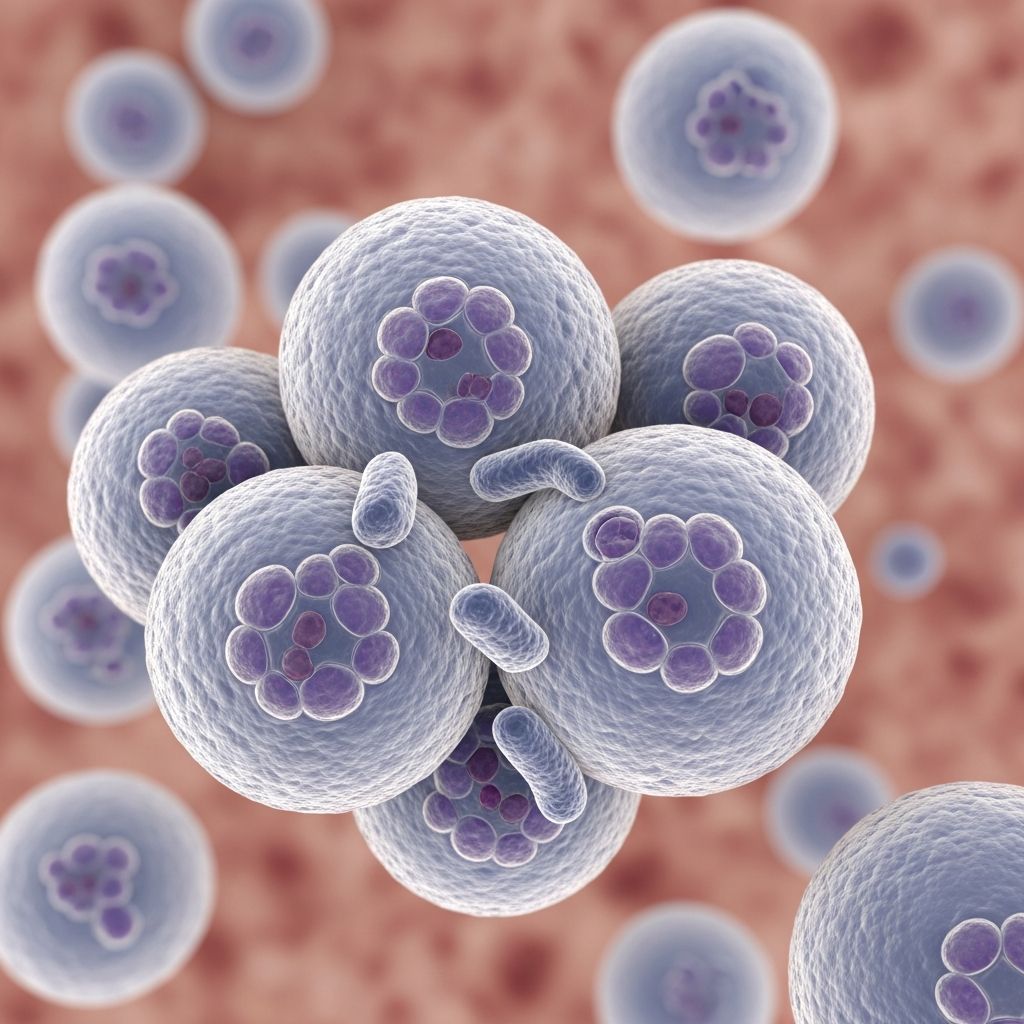
What Are Neutrophils?
Neutrophils are a crucial type of white blood cell, scientifically known as leukocytes, that serve as your body’s first line of defense against infections and pathogens. These specialized cells are the most abundant type of white blood cell in your bloodstream, making up approximately 50 to 70 percent of all white blood cells in a healthy adult. Despite their importance in maintaining immune function, many people are unfamiliar with what neutrophils do or how they protect the body from harmful invaders.
The name “neutrophil” comes from their staining properties under a microscope—they appear neutral when stained with certain laboratory dyes. These cells are part of your innate immune system, meaning they provide immediate, non-specific protection against a wide range of pathogens, from bacteria and viruses to fungi and other microorganisms. Understanding neutrophils and their role in your health is essential for recognizing when something may be wrong with your immune system.
The Primary Functions of Neutrophils
Neutrophils perform several critical functions to keep your body healthy and protected from infection. Their primary role is to identify, pursue, and destroy harmful pathogens that enter your body through various routes—whether through cuts in the skin, respiratory tract infections, or other breach points in your body’s defenses.
Infection Fighting and Pathogen Elimination
The main function of neutrophils is to protect your body from infections by killing bacteria and other harmful microorganisms. When bacteria or other pathogens enter your body, neutrophils recognize these invaders through specialized receptors on their surface. Once identified, neutrophils move toward the infection site through a process called chemotaxis, guided by chemical signals released by infected tissues.
Once at the infection site, neutrophils engulf the pathogens through a process called phagocytosis. They essentially surround and consume the harmful microorganisms, then use powerful enzymes and reactive oxygen species to destroy them from within. This process is remarkably effective, and neutrophils are capable of killing multiple pathogens before they themselves die in the process.
Inflammation and Immune Response Coordination
Beyond directly killing pathogens, neutrophils play a crucial role in coordinating your body’s immune response. They release chemical messengers called cytokines that alert other immune cells to the presence of infection. Neutrophils also produce an enzyme called myeloperoxidase, which generates powerful antimicrobial compounds. However, when neutrophil levels become too high, excessive myeloperoxidase can produce an overabundance of free radicals that may cause tissue damage.
Normal Neutrophil Ranges and What They Mean
The number of neutrophils in your body must remain within a specific range to keep your body functioning normally. Understanding what constitutes a normal neutrophil count is important for recognizing potential health issues.
Absolute Neutrophil Count (ANC)
Healthcare providers measure neutrophil levels through a blood test called an absolute neutrophil count (ANC). This test identifies exactly how many neutrophils are present in a specific sample of blood, typically measured in cells per microliter (μL). The normal range of neutrophils in a healthy adult is between 2,500 and 7,000 neutrophils per microliter of blood. However, it’s important to note that normal ranges can vary slightly between different laboratories and may differ based on age and individual factors.
Related Stories



Variations by Age and Population
Your normal neutrophil count can vary based on factors such as your age. Infants and young children typically have different normal ranges compared to adults. Pregnant women may also experience temporary increases in neutrophil counts as part of normal pregnancy physiology. Additionally, certain ethnic populations may have naturally lower baseline neutrophil counts without any associated health problems.
Abnormal Neutrophil Counts: When Levels Go Too High or Too Low
Any neutrophil count above 7,000 or below 2,500 neutrophils per microliter puts you at risk of developing a neutrophil-related condition. Both elevated and decreased neutrophil counts can indicate underlying health problems that require medical attention.
High Neutrophil Counts (Neutrophilia)
Neutrophilia occurs when you have more than 7,500 neutrophils per microliter of blood. When the total white blood cell count exceeds 11,000 cells per microliter, the condition is called leukocytosis. Neutrophilia itself typically doesn’t have direct symptoms; instead, it usually indicates an underlying condition that requires investigation.
Causes of elevated neutrophil counts include acute infections, leukemia, stress, certain medications (particularly corticosteroids), smoking, and inflammatory diseases. Elevated neutrophil counts may also occur in response to tissue damage from heart attacks or burns. Your healthcare provider may perform additional tests to determine the underlying cause of neutrophilia.
Low Neutrophil Counts (Neutropenia)
Neutropenia involves having lower-than-normal levels of neutrophils in your blood. This condition is especially common among people receiving cancer treatments, like chemotherapy. Neutropenia is concerning because low neutrophil levels make it harder for your immune system to fight germs and protect you from infection.
Cancer treatments like chemotherapy destroy cancer cells, but they may also destroy healthy neutrophils and the bone marrow that produces healthy white blood cells. Neutrophil levels typically dip to their lowest numbers within the first two weeks following treatment before rising again. It’s crucial to take extra precautions to avoid infections during this vulnerable time.
Specific Neutrophil Conditions
Cyclic Neutropenia
Cyclic neutropenia is a unique condition involving neutrophil levels that regularly fall to low levels before returning to normal on a periodic basis. This cyclical pattern typically occurs in predictable intervals, usually every two to three weeks. The low neutrophil levels put individuals at increased risk of infection during vulnerable periods.
People with cyclic neutropenia experience symptoms like fever, fatigue, and mouth sores during periods when neutrophil counts drop. The predictability of these cycles makes it easier to manage the condition compared to other forms of neutropenia. Treatment typically involves antibiotics to fight infections and G-CSF (granulocyte-colony stimulating factor) to boost neutrophil production.
Agranulocytosis
Agranulocytosis is a severe form of neutropenia involving severely low neutrophil levels. People with fewer than 1,500 neutrophils per microliter of blood have neutropenia, but those with fewer than 100 neutrophils per microliter have the most severe form—agranulocytosis. This condition is also called granulocytopenia.
Untreated agranulocytosis can lead to life-threatening infections, including sepsis. The risk of infection increases the longer the neutrophil count remains dangerously low. Older adults over age 65 and people with other health conditions like heart, kidney, or lung disease face higher risks of complications. Prompt diagnosis and treatment are essential to prevent serious consequences.
Diagnostic Testing for Neutrophil Levels
When your healthcare provider suspects an issue with your neutrophil count, they typically order specific blood tests to make an accurate diagnosis.
Complete Blood Count (CBC)
The complete blood count (CBC) is the standard test used to evaluate white blood cell populations, including neutrophils. This test provides your total white blood cell count and breaks down how many of those cells are neutrophils. The CBC also measures red blood cells, platelets, and hemoglobin levels, providing a comprehensive picture of your blood cell composition.
Differential Testing
A CBC with differential provides more detailed information about different types of white blood cells present in your blood. This test specifically identifies the percentage and absolute count of neutrophils, lymphocytes, monocytes, eosinophils, and basophils. For conditions like agranulocytosis, healthcare providers specifically check the absolute neutrophil count (ANC) to determine severity.
Clinical Significance of Neutrophil Ratios
Beyond absolute neutrophil counts, healthcare researchers have identified that the neutrophil-to-lymphocyte ratio (NLR) can provide important clinical information. Elevated NLR has been associated with increased mortality risk in patients with acute heart failure and certain cancers. This ratio appears to be a useful risk marker for disease severity in various conditions, though the exact mechanisms are still being researched.
Management and Treatment Considerations
Treatment approaches for abnormal neutrophil counts depend on the underlying cause and severity of the condition.
For Low Neutrophil Counts
Treatment for neutropenia involves curing any active infections and boosting neutrophil levels to healthy ranges to prevent future infections. Common treatments include antibiotics to treat existing infections and G-CSF medications to stimulate neutrophil production in the bone marrow. While medicines like G-CSF have greatly improved outcomes for conditions like cyclic neutropenia, allowing many people to live normal lives, regular blood work monitoring is often necessary.
For High Neutrophil Counts
When neutrophilia is identified, healthcare providers typically perform a physical examination and additional testing to identify the underlying cause. Once the cause is determined—whether it’s an infection, medication, stress, or another condition—treatment focuses on addressing the root issue rather than the elevated neutrophil count itself.
Protecting Yourself with Abnormal Neutrophil Counts
If you have been diagnosed with abnormal neutrophil levels, taking extra precautions is essential to maintain your health and prevent complications.
- Follow your healthcare provider’s recommendations regarding antibiotics or G-CSF medications
- Avoid unnecessary exposure to people who are sick
- Practice meticulous hand hygiene and maintain good personal hygiene
- Avoid injury that could create entry points for bacteria
- Attend all scheduled follow-up appointments and blood work
- Report any signs of infection immediately to your healthcare provider
- Discuss any medications you’re taking that could affect neutrophil counts
Frequently Asked Questions About Neutrophils
Q: What is the normal neutrophil count for adults?
A: The normal range of neutrophils in a healthy adult is between 2,500 and 7,000 neutrophils per microliter of blood. Counts above 7,000 or below 2,500 may indicate a health condition requiring medical evaluation.
Q: Can neutrophil counts change over time?
A: Yes, neutrophil counts can fluctuate based on various factors including infections, stress, medications, and medical treatments. Some conditions like cyclic neutropenia cause predictable periodic changes in neutrophil levels.
Q: What should I do if my neutrophil count is abnormal?
A: If you’ve been diagnosed with abnormal neutrophil levels, follow your healthcare provider’s treatment recommendations, attend all follow-up appointments, and take extra precautions to avoid infections or injury depending on whether your counts are too high or too low.
Q: Are there side effects from neutrophil-boosting medications?
A: G-CSF medications used to boost neutrophil production can cause side effects that vary depending on the specific medication and dosage. Healthcare providers often can manage these side effects with appropriate medication adjustments and monitoring.
Q: How often should I have my neutrophil levels checked?
A: The frequency of testing depends on your specific condition and treatment plan. People with cyclic neutropenia or those receiving chemotherapy may need regular blood work monitoring, while others may only need periodic testing during medical treatment.
References
- Cyclic Neutropenia: Symptoms, Causes & Treatment — Cleveland Clinic. 2024. https://my.clevelandclinic.org/health/diseases/21081-cyclic-neutropenia
- Neutrophilia: Diagnosis, Causes, Symptoms & What It Is — Cleveland Clinic. 2024. https://my.clevelandclinic.org/health/diseases/22367-neutrophilia
- Usefulness of Neutrophil-to-Lymphocyte Ratio in Risk Stratification for Advanced Heart Failure — PubMed Central, National Center for Biotechnology Information. 2014. https://pmc.ncbi.nlm.nih.gov/articles/PMC4262659/
- Agranulocytosis: Symptoms, Causes & Treatment — Cleveland Clinic. 2024. https://my.clevelandclinic.org/health/diseases/15262-agranulocytosis
- What Are Neutrophils? — Cleveland Clinic. 2024. https://my.clevelandclinic.org/health/body/22313-neutrophils
- Neutropenia: What it Is, Types, Symptoms & Causes — Cleveland Clinic. 2024. https://my.clevelandclinic.org/health/diseases/21058-neutropenia
Similar Articles








Read full bio of medha deb