What Are Nitrates? Are They Bad for Your Health?
Unraveling the truth about nitrates: From natural veggie boosters to processed meat concerns—benefits, risks, and smart eating tips.
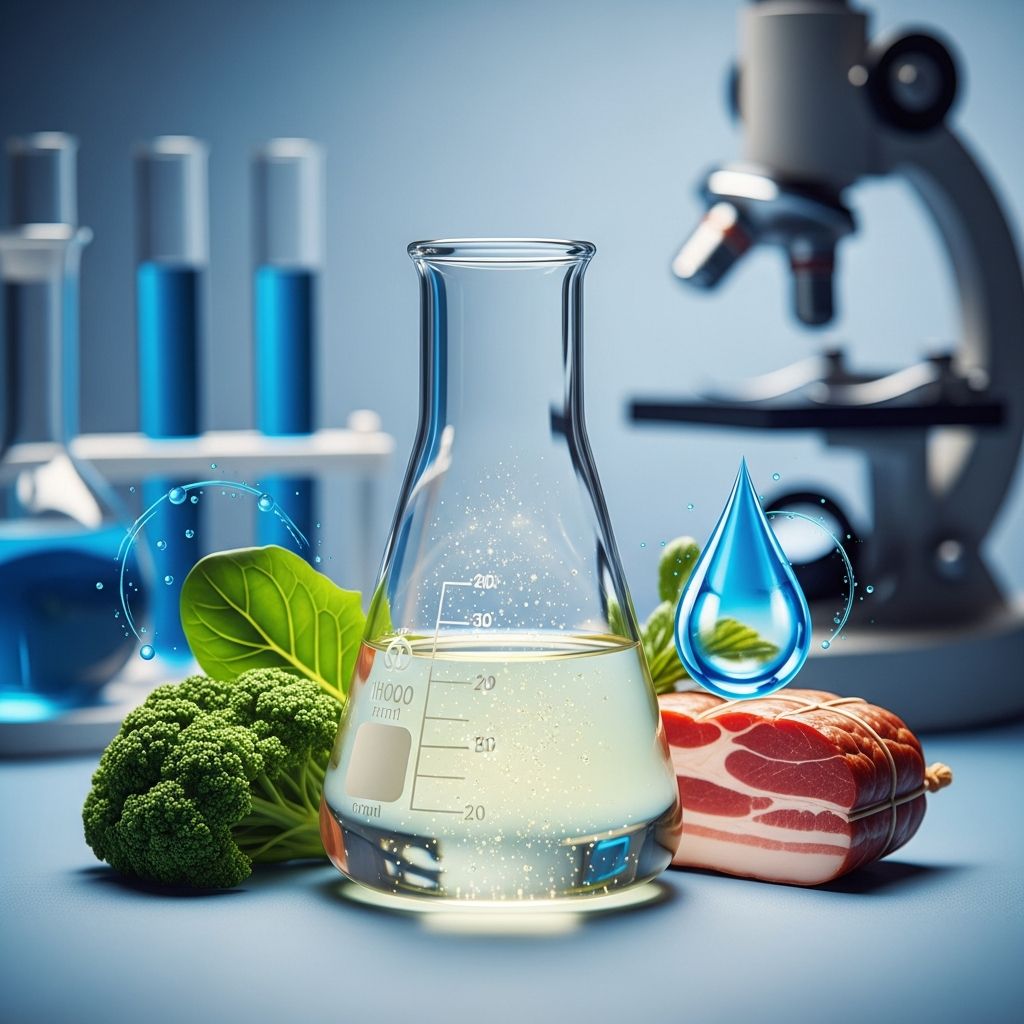
Nitrates are naturally occurring compounds found in many vegetables, water, and the human body, but they are also added to processed meats for preservation. While they offer benefits like lowering blood pressure through conversion to nitric oxide, excessive intake from certain sources can form harmful nitrosamines linked to cancer risks.
What Are Nitrates and Nitrites?
Nitrates (NO3–) and nitrites (NO2–) are inorganic compounds essential to the nitrogen cycle. In the body, bacteria in the mouth or enzymes convert nitrates to nitrites, which can further transform into beneficial nitric oxide or potentially harmful nitrosamines depending on conditions.
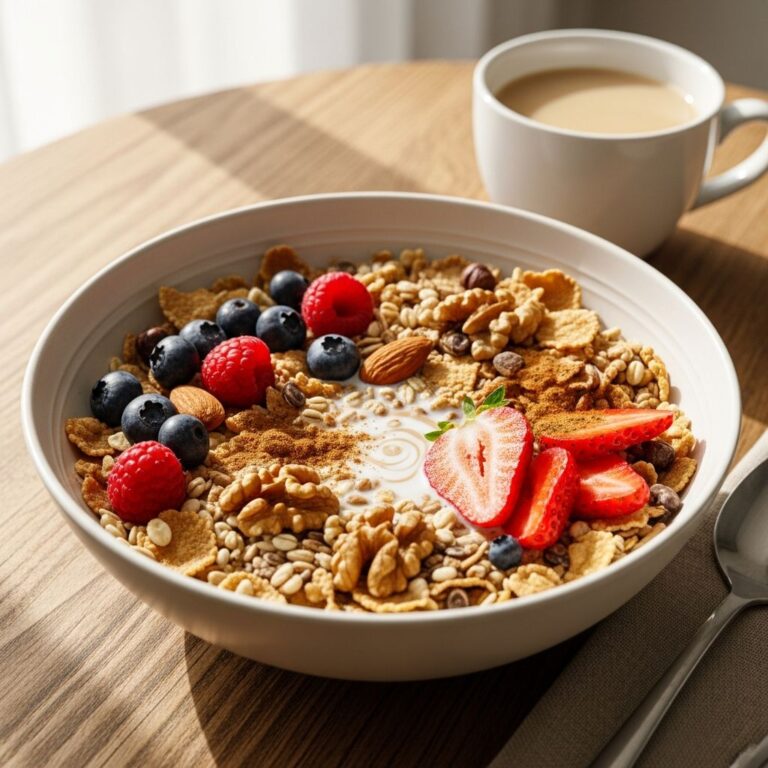
Nitrates occur naturally in high amounts in leafy greens like spinach and beets, where they support plant growth. The body produces them endogenously, and they play roles in signaling and antimicrobial defense in the gut.
- Natural sources: Vegetables (beets, lettuce, celery), drinking water.
- Added sources: Cured meats (bacon, hot dogs, salami) where sodium nitrite preserves color and prevents bacterial growth like Clostridium botulinum.
- Conversion pathway: Nitrate → Nitrite → Nitric oxide (beneficial) or Nitrosamines (harmful, especially with high heat or low antioxidants).
In processed meats, nitrites react with proteins to maintain the pink hue and extend shelf life, but cooking at high temperatures can promote nitrosamine formation.
Health Benefits of Nitrates
Despite concerns, nitrates from vegetables provide significant health perks, primarily by dilating blood vessels and improving circulation.
How Nitrates Support Heart Health
Nitric oxide (NO), derived from nitrates, acts as a signaling molecule that relaxes arterial smooth muscle cells, widening blood vessels and reducing blood pressure. Studies show beetroot juice, rich in nitrates, can lower systolic blood pressure by 4–10 mmHg within hours.
This vasodilation mimics drugs like nitroglycerin used for angina, enhancing oxygen delivery to the heart and reducing stroke risk. High-nitrate veggie diets correlate with lower cardiovascular disease incidence.
Exercise Performance and Other Benefits
Athletes use nitrate-rich foods to boost endurance; nitric oxide improves muscle efficiency by optimizing oxygen use. Research indicates 5–9 mmol of nitrates (from ~250g beets) enhances performance in cycling and running.
- Antimicrobial effects: Nitrate-derived nitrites kill gut pathogens like Salmonella.
- Improved gut motility and microcirculation.
- Potential hormone signaling support.
Vegetables’ antioxidants (e.g., vitamin C) prevent harmful conversions, making plant-based nitrates safer than added forms.
Potential Health Risks of Nitrates and Nitrites
While beneficial in moderation from veggies, risks arise from high nitrite levels or poor conversion conditions.
Methemoglobinemia (Blue Baby Syndrome)
The primary acute risk is methemoglobinemia, where nitrites oxidize hemoglobin’s iron, impairing oxygen transport. Infants under 6 months are vulnerable due to low reductive enzymes and acidic stomachs favoring bacterial conversion.
Symptoms include cyanosis (blue skin), lethargy, and in severe cases, coma or death. Caused by high nitrate water (>10 mg/L) or formula mixed with contaminated water. U.S. EPA regulates drinking water at 10 mg/L nitrate-N.
Related Stories



| Severity of Methemoglobinemia | % MetHb | Symptoms |
|---|---|---|
| Mild | 10–20% | Slight cyanosis, no distress |
| Moderate | 20–50% | Chocolate-brown blood, tachycardia, dyspnea |
| Severe | >50% | Coma, convulsions, death |
Cancer Risks and Nitrosamines
Nitrosamines, formed when nitrites react with amines (abundant in meat) under acidic conditions or high heat, are carcinogenic. IARC classifies nitrates/nitrites as “probably carcinogenic” (Group 2A) when leading to endogenous nitrosation.
High intake of processed meats (with added nitrites) plus nitrate-rich water increases risks of colorectal, stomach, kidney, thyroid, and ovarian cancers. Antioxidants in veggies block this.
Other Concerns
- Pregnancy: Maternal exposure linked to anemia, preterm labor, preeclampsia.
- Thyroid issues, developmental effects from chronic low-level water exposure.
- Cardiovascular strain in sensitive individuals from nitroglycerin-like exposures.
Nitrates in Vegetables vs. Processed Meats
| Source | Nitrate Content | Benefits | Risks |
|---|---|---|---|
| Vegetables (beets, spinach) | High (250–1500 mg/kg) | NO production, antioxidants prevent harm | Minimal |
| Processed meats | Low naturally, added nitrites | Preservation | Nitrosamines, cancer risk |
| Drinking water | Regulated <10 mg/L | None significant | Methemoglobinemia in infants |
Veggie nitrates are protective due to vitamin C and polyphenols inhibiting nitrosamine formation. Processed meats lack these, amplifying risks—limiting to <50g/day recommended by WHO.
How to Get Nitrates Safely
- Prioritize plants: Eat beets, arugula, celery daily for benefits without risks.
- Limit processed meats: Choose uncured options or those with celery powder (natural nitrates, but still monitor).
- Test water: Especially for wells; use filters if >5 mg/L.
- Boosters: Beetroot juice for athletes; cook veggies lightly to preserve nitrates.
- Balance diet: Pair meats with veggies/antioxidants to mitigate nitrosamines.
Regulatory bodies like FDA limit added nitrites in meats (100–200 ppm), but natural veggie intake has no upper limit.
Frequently Asked Questions (FAQs)
Are nitrates in vegetables safe?
Yes, nitrates from vegetables are safe and beneficial, converting to heart-healthy nitric oxide thanks to protective antioxidants.
Do processed meats cause cancer due to nitrates?
Yes, WHO classifies processed meats as Group 1 carcinogens partly due to nitrosamines from added nitrites.
Can nitrates lower blood pressure?
Absolutely—studies show 4–10 mmHg reductions from nitrate-rich foods like beets.
Is tap water nitrate safe for babies?
Use water <10 mg/L nitrate; boil only if low risk, as it concentrates nitrates. Formula-fed infants need testing.
Should athletes avoid nitrates?
No, they enhance performance; aim for 300–600 mg nitrates pre-workout from juice or gels.
Bottom Line
Nitrates aren’t inherently bad—they’re vital for health when from vegetables, supporting blood pressure control and exercise. Risks stem from processed meats and contaminated water forming nitrosamines or causing methemoglobinemia. Focus on whole foods, limit cured meats, and test water for optimal health.
References
- Are Nitrates and Nitrites in Foods Harmful? — Healthline. 2023-05-15. https://www.healthline.com/nutrition/are-nitrates-and-nitrites-harmful
- What Are the Health Effects from Exposure to Nitrates and Nitrites? — CDC/ATSDR. 2024-01-10. https://archive.cdc.gov/www_atsdr_cdc_gov/csem/nitrate-nitrite/health_effects.html
- Foods High in Nitrates — WebMD. 2024-08-20. https://www.webmd.com/diet/foods-high-in-nitrates
- PUBLIC HEALTH STATEMENT FOR NITRATE AND NITRITE — NCBI/ATSDR. 2023-11-05. https://www.ncbi.nlm.nih.gov/books/NBK592486/
- Nitrate — National Cancer Institute. 2024-02-14. https://progressreport.cancer.gov/prevention/chemical_exposures/nitrate
- Nitrate in Drinking Water — Minnesota Dept. of Health. 2025-06-12. https://www.health.state.mn.us/communities/environment/water/contaminants/nitrate.html
Similar Articles








Read full bio of medha deb