Peptides: Complete Guide To Benefits, Uses, And Risks
Discover the power of peptides: short chains of amino acids that support skin health, muscle growth, weight loss, and overall wellness.
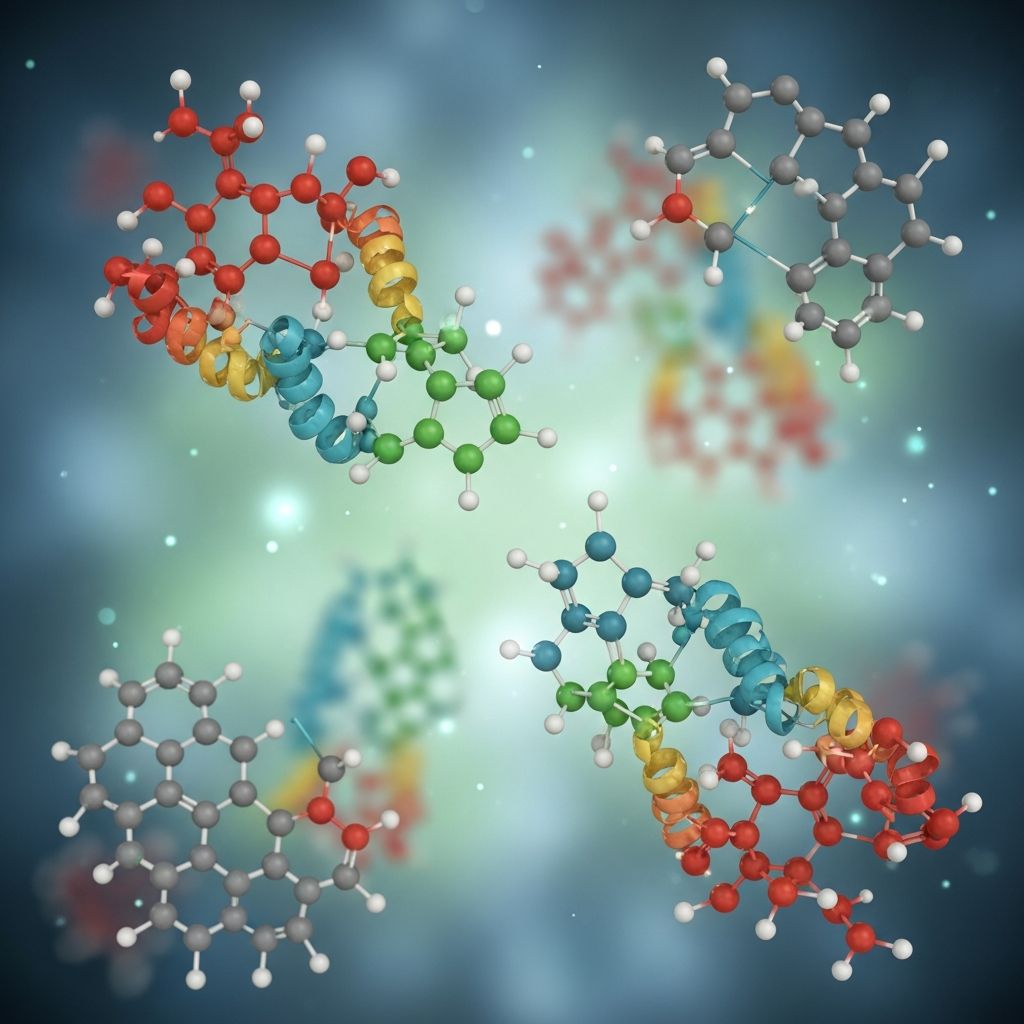
Peptides are short chains of amino acids, the building blocks of proteins, typically consisting of 2 to 50 amino acids. Unlike larger proteins, their smaller size allows easier absorption and targeted biological functions, such as tissue repair, hormone regulation, and immune support.
These molecules occur naturally in the body (endogenous peptides) or from external sources like food and supplements (exogenous peptides). Endogenous peptides handle essential processes like immune response and tissue repair, while exogenous ones supplement deficiencies or enhance functions.
What Do Peptides Do?
Peptides play diverse roles in the body, acting as signaling molecules that influence cellular processes. Bioactive peptides, in particular, offer health benefits including lowering blood pressure, reducing inflammation, antimicrobial effects, antioxidant activity, and immune modulation.
Research highlights their potential in slowing aging, promoting muscle growth, aiding fat loss, and supporting metabolic health. They penetrate tissues effectively due to their size, engaging receptors with high specificity.
Types of Peptides
Peptides are categorized by origin and function:
- Endogenous Peptides: Produced by the body for natural processes like wound healing and hormone balance.
- Exogenous Peptides: Derived from food (e.g., eggs, milk, meat, beans) or synthetic sources for supplementation.
- Synthetic Peptides: Lab-created to mimic natural ones, used in therapies like semaglutide for weight loss.
Common functional types include collagen peptides for skin, growth hormone-releasing peptides (e.g., CJC-1295) for muscle, and healing peptides like BPC-157.
Peptides for Skin Health
Collagen peptides are among the most popular for skin, promoting elasticity, hydration, and reducing wrinkles. They stimulate collagen production, improving skin firmness and reducing signs of aging.
GHK-Cu peptide supports hair growth by stimulating follicles, enhancing scalp blood flow, and strengthening hair. Studies show peptides reduce inflammation and support anti-aging by protecting against oxidative stress.
Peptides for Weight Loss
Peptides like semaglutide and 5-Amino-1MQ regulate appetite, boost fat metabolism, and stabilize blood sugar, aiding sustainable weight management.
These GLP-1 agonists mimic hormones that signal fullness, reducing calorie intake. Growth hormone peptides like CJC-1295 enhance metabolism and fat loss while preserving muscle.
Peptides for Muscle Growth
Growth hormone secretagogues such as CJC-1295 and Ipamorelin stimulate natural GH production, promoting muscle hypertrophy, recovery, and fat reduction.
They improve protein synthesis, increase strength, and support athletic performance. Creatine peptides enhance muscle building and endurance.
Peptides for Tissue Repair and Recovery
BPC-157, known as the ‘healing peptide,’ accelerates tissue repair, reduces inflammation, and promotes angiogenesis for injury recovery, gut health, and joint repair.
It aids in healing tendons, ligaments, muscles, and intestinal lining, showing promise for IBS, colitis, and IBD in animal models.
Other Peptide Benefits
- Hormone Regulation: Peptides like Ipamorelin balance hormones, improving sleep, energy, libido, and vitality.
- Immune Support: Antimicrobial and antioxidant properties bolster immunity and reduce clots.
- Metabolic Health: Support blood sugar control and cardiovascular function.
- Anti-Aging: Promote longevity via cellular repair and reduced inflammation.
Related Stories



How to Use Peptides
Peptides are administered via injections, oral supplements, topical creams, or nasal sprays. Dosing, cycling (e.g., 4-8 weeks on, 2-4 off), and combinations depend on goals.
Consult healthcare providers for personalized protocols. Pharmaceutical-grade sources ensure purity; avoid unregulated products.
| Administration Method | Best For | Pros | Cons |
|---|---|---|---|
| Injections | Muscle growth, repair | High bioavailability | Injection site reactions |
| Oral/Topical | Skin, gut health | Easy to use | Lower absorption |
| Nasal | Hormone peptides | Non-invasive | Variable efficacy |
Peptide Side Effects and Risks
For healthy individuals, side effects are mild: flu-like symptoms, injection site irritation, or digestive upset, as peptides mimic natural ones.
Risks include unregulated sourcing leading to contamination, hormonal imbalances from overuse, or interactions. FDA does not regulate supplements like drugs; pregnant/breastfeeding individuals should avoid.
Long-term data is limited; cycling mitigates tolerance. Always source from reputable providers.
Frequently Asked Questions (FAQs)
What are peptides in simple terms?
Peptides are short amino acid chains that act like protein fragments, supporting repair, growth, and health functions.
Are peptides safe?
Generally yes for healthy adults, with mild side effects. Use under medical supervision, especially injectables.
Can peptides help with weight loss?
Yes, peptides like semaglutide curb appetite and boost metabolism effectively.
How do collagen peptides benefit skin?
They improve elasticity, hydration, and reduce wrinkles by boosting collagen synthesis.
What is BPC-157 used for?
Tissue repair, inflammation reduction, and gut healing.
Do peptides build muscle?
Growth hormone peptides like CJC-1295 promote muscle growth and recovery.
This comprehensive guide covers peptides’ science, benefits, and practical use. Incorporate them wisely for optimal health.
References
- Peptide Therapy Explained | Relive Health — Relive Health. 2024. https://relivehealth.com/hormone-therapy/peptide-therapy-explained-boost-your-health-with-cutting-edge-treatments/
- Peptides: What are they, uses, and side effects — Medical News Today. 2023-10-13. https://www.medicalnewstoday.com/articles/326701
- Benefits & Risks of Peptide Therapeutics for Physical & Mental Health — Huberman Lab. 2024-04-01. https://www.hubermanlab.com/episode/benefits-risks-of-peptide-therapeutics-for-physical-mental-health
- Beginner’s Guide to Peptide Therapy [2026] — Innerbody Research. 2026. https://www.innerbody.com/beginners-guide-to-peptide-therapy
- Peptides for Health Benefits 2020 — PMC – PubMed Central – NIH. 2022-06-21. https://pmc.ncbi.nlm.nih.gov/articles/PMC9223426/
Similar Articles








Read full bio of medha deb