What Are Platelets and Why Are They Important
Understanding platelets: Essential blood cells that prevent bleeding and promote healing.
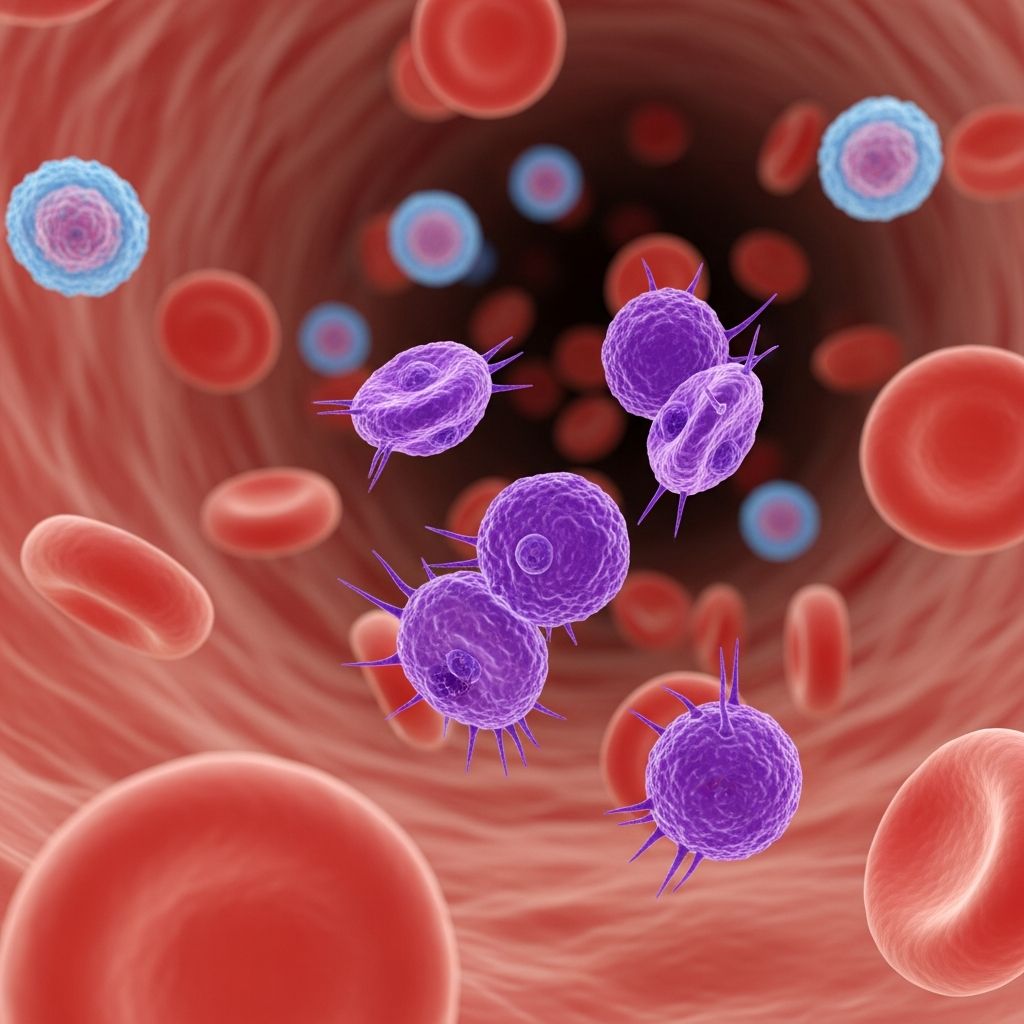
Platelets are tiny, disc-shaped blood cells that play a critical role in maintaining your health and protecting your body from excessive bleeding. These remarkable cellular fragments are among the most important components of your blood, working alongside red blood cells and white blood cells to keep you functioning properly. Understanding what platelets are and how they work can help you appreciate the complex systems that keep your body healthy.
Understanding Platelets: Definition and Basics
Platelets, also known as thrombocytes, are small cell fragments that originate in the bone marrow. Unlike most blood cells, platelets are not complete cells but rather fragments of larger cells called megakaryocytes. Following their formation from megakaryocytes, platelets exist in circulation for approximately 5–7 days and primarily function as regulators of hemostasis and thrombosis. Each platelet measures only 2–4 micrometers in diameter, making them among the smallest cellular elements in the bloodstream.
Despite their diminutive size, platelets are remarkably complex. They contain numerous granules filled with biologically active substances, including proteins, enzymes, and signaling molecules that enable them to perform their diverse functions. The structure of platelets is specifically designed to allow them to detect vessel damage, activate rapidly, and coordinate with other blood components to maintain vascular integrity.
Primary Functions of Platelets
Platelets serve multiple critical functions in the body, with their most well-known role being the prevention of excessive bleeding. However, modern research has revealed that platelets are far more versatile than previously understood, playing important roles in immunity, tissue repair, and overall cardiovascular health.
Blood Clotting and Hemostasis
The primary function of platelets is to prevent bleeding through a process called hemostasis. When a blood vessel is damaged or injured, platelets become activated in the blood, resulting in adhesion to the exposed extracellular matrix underlying the endothelium. This activation triggers a cascade of events that leads to clot formation. Platelets adhere to your blood vessel walls to help prevent further bleeding from occurring.
The clotting process occurs in several stages. First, platelets recognize the site of injury and stick to the damaged vessel wall. Then, they clump together to form a platelet plug, and finally, they work with other blood proteins to form and consolidate a thrombus consisting of both a core and shell. Without platelets, it would be possible to experience internal or spontaneous bleeding, which can be fatal. This process is the foundation of the cascade of events that causes blood to clot and is central to wound healing and cardiovascular drug research.
Wound Healing and Tissue Regeneration
Beyond their role in stopping bleeding, platelets actively contribute to wound healing through the release of specialized proteins. Platelets release proteins called growth factors, which include platelet-derived growth factor (PDGF), transforming growth factor-beta (TGF-β) and vascular endothelial growth factor (VEGF). These growth factors promote tissue regeneration and new blood vessel formation, accelerating the healing process. This healing property has become the basis for platelet-rich plasma (PRP) therapy, an innovative treatment used in orthopedics and dermatology.
Immune Function and Inflammation Regulation
Recent research has significantly expanded our understanding of platelet function beyond hemostasis. Platelets play an important role in innate immunity as well as regulation of tumor growth and extravasations in the vessel. They interact with white blood cells and release messenger proteins called cytokines and interleukins, which help regulate inflammation and defend against infections. Their role in immune regulation is a growing area of research in drugs affecting inflammation and the immune system, demonstrating the expanding therapeutic potential of understanding platelet biology.
Related Stories



How Platelets Work: The Activation Process
Upon activation, platelets undergo significant changes in shape and function that facilitate clot stabilization and recruitment of additional platelets. When you experience an injury, your body immediately recognizes the damage and sends chemical signals that activate nearby platelets. These platelets dramatically change shape from their resting disc-like form to an active, spiky configuration that helps them stick to injured tissue and to each other.
The activation process involves complex biochemical signaling. Activated platelets modulate immune and inflammatory responses, making them involved not only in stopping bleeding but also in pathological conditions such as atherosclerosis, thrombosis and cancer metastasis. This dual nature of platelets—their essential role in normal hemostasis and their potential contribution to disease—makes them an important focus of medical research and drug development.
Platelet Disorders and Health Conditions
Because platelets are so essential to health, disorders affecting platelet count or function can have serious consequences. Two main categories of platelet disorders exist: conditions with too few platelets and conditions with too many platelets.
Low Platelet Count (Thrombocytopenia)
Thrombocytopenia occurs when your platelet count falls below normal levels, typically fewer than 150,000 platelets per microliter of blood. This condition can result from various causes, including bone marrow disorders, certain medications, autoimmune diseases, or conditions affecting platelet survival. People with low platelet counts face an increased risk of bleeding, both from minor injuries and spontaneously.
High Platelet Count (Thrombocytosis)
Conversely, thrombocytosis occurs when platelet counts are abnormally elevated. This condition can increase the risk of blood clots forming where they shouldn’t, potentially leading to serious complications such as stroke or heart attack. High platelet counts may be associated with bone marrow disorders, inflammatory conditions, or certain medications.
Clinical Applications and Medical Treatments
Platelet Transfusions
Platelet transfusions are a life-saving intervention for patients with severe thrombocytopenia, active bleeding or an elevated risk of bleeding, often due to chemotherapy, radiation therapy, bone marrow disorders, trauma patients or major surgeries. Transfused platelets are routinely administered in oncology, hematology, emergency rooms, operating rooms and critical care units. Donated platelets can prevent blood loss and further complications of bleeding in patients who cannot produce adequate platelets on their own.
Maintaining quality, sterility and functionality of transfused platelets follows rigorous regulatory standards such as Good Manufacturing Practice (GMP) and Association for the Advancement of Blood & Biotherapies (AABB) guidelines. This ensures that transfused platelets remain viable and effective in treating patients.
Platelet-Rich Plasma (PRP) Therapy
Platelet-rich plasma is an innovative therapeutic approach that leverages the healing properties of platelets. PRP is a type of injectable treatment touted for a variety of purposes, including injuries and dermatological conditions. It’s made from your own blood, where the process of centrifugation increases the platelet count up to 5 to 10 times. While PRP was previously used for platelet disorders such as thrombocytopenia, it is primarily coveted today for its proteins as a therapeutic procedure in regenerative medicine applications.
Diagnostic Testing
Checking the number of platelets, the shape and how they work is an important part of routine diagnostic workups. A complete blood count (CBC) test can determine your current platelet counts. Tests to measure the level of platelet aggregation are commonly used to test drug efficacy, mechanism of action and bleeding risk profiles. These diagnostic parameters help clinicians assess bleeding risk, platelet disorders, platelet reactivity and response to antithrombotic medications.
Platelets in Pharmaceutical Development
Pharmaceutical companies often study platelet activity when developing new drugs, as platelets serve as sensitive indicators of drug safety and efficacy. Platelets are tested for reactions to new medications in clinical trials, especially drugs that affect blood clotting or chemotherapy drugs that may impact the formation or survival of platelets. Platelets are also used as biological models in toxicology studies and hematological research, providing valuable data that informs drug development and safety assessment.
The importance of platelets in drug development extends to cardiovascular medications, anticoagulants, and anti-inflammatory agents. Understanding how new drugs affect platelet function helps ensure that medications are both effective and safe for patient use.
Maintaining Healthy Platelet Function
Several factors influence platelet health and function. Maintaining adequate nutrition, particularly ensuring sufficient intake of vitamins and minerals, supports normal platelet production and function. Regular physical activity promotes cardiovascular health and optimal platelet function. Additionally, limiting alcohol consumption and avoiding smoking help maintain healthy platelet counts and function.
If you have concerns about platelet disorders or bleeding issues, it is essential to consult with a healthcare provider. They can perform appropriate testing and recommend treatment options tailored to your specific condition.
The Future of Platelet Research
Current and future focus of platelet research will help elucidate the “normal” role of platelets in regulating physiological and pathophysiological processes. New tools and technologies are being developed to better analyze and understand platelet function. Research into how platelets modify tumor extravasation into the vessel through communication with the endothelium or the tumor itself promises new therapeutic approaches for cancer treatment.
These recent studies have significantly widened the potential role for platelets in the body beyond acting as a “bandage” at sites of injury in the endothelium to prevent blood loss. As our understanding grows, new therapeutic applications may emerge, offering improved treatments for bleeding disorders, cardiovascular disease, and other conditions.
Key Takeaways About Platelets
Platelets are complex anucleated cells that are multifunctional and essential to human health. While the primary function of the platelet is thought to be hemostasis, thrombosis, and wound healing through a complex activation process leading to integrin activation and formation of a “core” and “shell” at the site of injury, other physiological roles for the platelet exist including immunity and communication with other cells and tissue in the vessel. Along with red and white blood cells, platelets make up an important part of your blood. These small cells are the byproducts of large bone marrow cells, and can help stop bleeding from minor injuries. Due to their role in forming blood clots and preventing internal bleeding, it’s important that you have the right number of platelets. An abnormally low or high platelet count can develop due to inherited or acquired medical conditions, as well as certain medications.
Frequently Asked Questions (FAQs)
Q: How many platelets should a healthy person have?
A: A normal platelet count typically ranges from 150,000 to 400,000 platelets per microliter of blood. Counts outside this range may indicate a platelet disorder requiring medical evaluation.
Q: Can platelets be donated separately from blood?
A: Yes, you can make a platelet-only donation through a process called apheresis, which allows donors to contribute platelets specifically for patients in need of platelet transfusions.
Q: How long do platelets survive in the bloodstream?
A: Platelets circulate in the blood for approximately 5–7 days before being removed by the spleen and replaced by newly formed platelets from bone marrow.
Q: What medications affect platelet function?
A: Several medications affect platelets, including aspirin and other antiplatelet drugs used to prevent blood clots. Certain chemotherapy drugs and some antibiotics can also impact platelet production or function.
Q: Can diet improve platelet health?
A: Maintaining a balanced diet rich in vitamins and minerals, particularly vitamin K, iron, and B vitamins, supports healthy platelet production and function.
References
- Normal platelet function — National Center for Biotechnology Information (NCBI), National Institutes of Health. 2017. https://pmc.ncbi.nlm.nih.gov/articles/PMC5709181/
- What Are Platelets: Structure, Functions, and Importance — Healthline Media. 2024. https://www.healthline.com/health/what-are-platelets
- Platelets – Functions, Classification, and Their Role in Medicine and Pharmaceuticals — Grifols. 2024. https://www.grifols.com/en/platelets
- The Function of Platelets: 5 Things You Might Not Know — American Red Cross. 2024. https://www.redcrossblood.org/local-homepage/news/article/5-things-about-platelets.html
- Platelet Tests — MedlinePlus, U.S. National Library of Medicine. 2024. https://medlineplus.gov/lab-tests/platelet-tests/
Similar Articles








Read full bio of Sneha Tete