What Can Beta Blockers Do for Anxiety Symptoms?
Discover how beta blockers like propranolol help manage physical anxiety symptoms such as racing heart and trembling in situational stress.
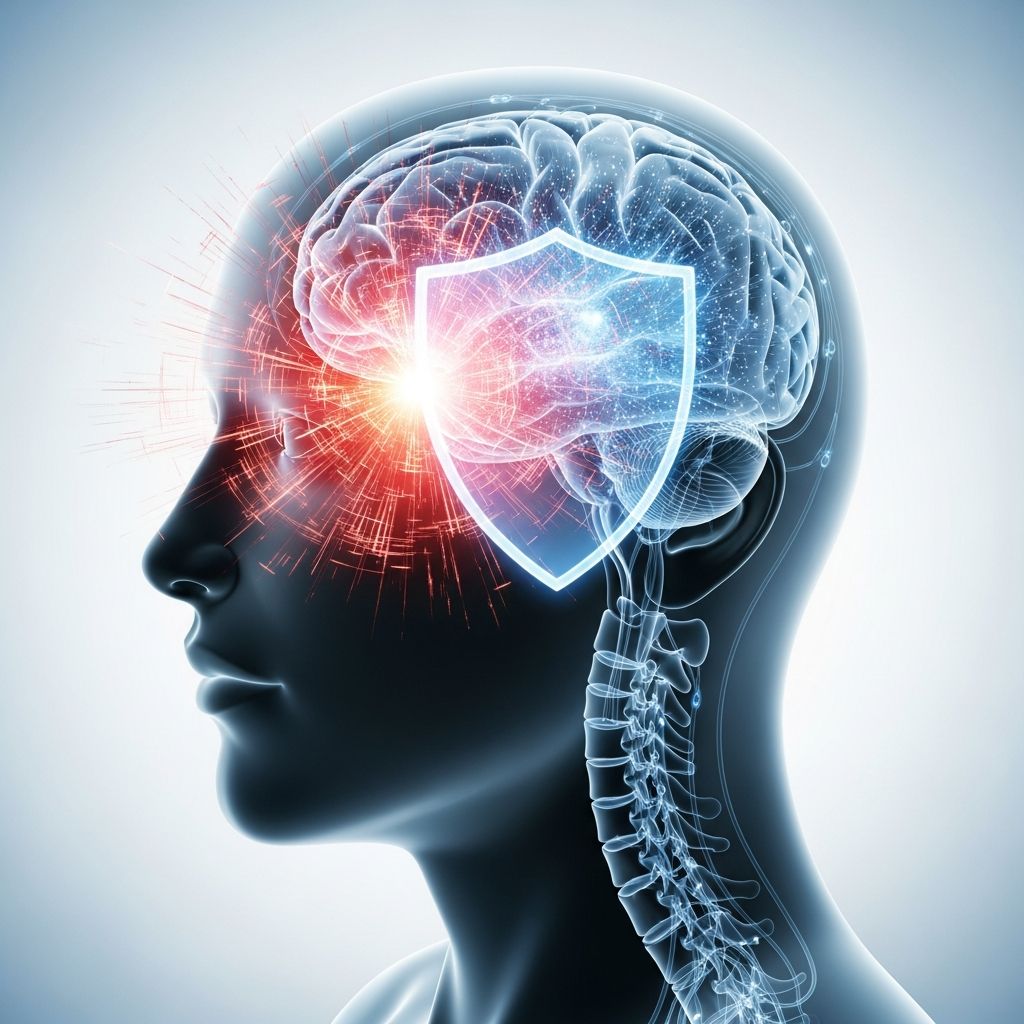
Beta blockers, primarily used for heart conditions, can effectively reduce physical symptoms of anxiety such as rapid heartbeat, trembling, and sweating. They work by blocking adrenaline’s effects, making them suitable for situational anxiety like public speaking or exams, though they do not address psychological aspects like worry.
What are beta blockers?
Beta blockers are medications that block the effects of stress hormones like adrenaline on beta receptors in the heart and blood vessels. This action slows heart rate, lowers blood pressure, and reduces the heart’s workload, originally developed for conditions like high blood pressure, angina, and arrhythmias.
Common examples include
propranolol
, frequently prescribed off-label for anxiety. Propranolol is non-selective, affecting both heart and other tissues, which helps dampen physical anxiety responses. Unlike antidepressants or benzodiazepines, beta blockers do not alter brain chemistry or cause sedation.How do beta blockers help with anxiety?
Beta blockers target the body’s fight-or-flight response triggered by anxiety, which releases adrenaline causing symptoms like palpitations, shaky hands, sweating, and tremors. By blocking these hormones, they prevent the heart from racing and muscles from trembling, allowing clearer thinking during stressful events.
They are particularly effective for
performance anxiety
(e.g., stage fright, presentations) orsituational anxiety
(e.g., job interviews, exams). Effects begin within an hour, making them fast-acting without buildup time required by SSRIs. Users often feel calmer physically, which can indirectly reduce overall anxiety as physical symptoms fuel mental worry.Physical symptoms beta blockers can help with
- Racing heart (palpitations): Slows heart rate by blocking adrenaline.
- Trembling or shaky hands: Reduces muscle tremors common in acute anxiety.
- Sweating: Diminishes excessive perspiration from stress.
- Shortness of breath: Eases rapid breathing by lowering heart workload.
- Blushing or flushing: May lessen facial redness in social anxiety situations.
These benefits make beta blockers popular among performers, public speakers, and professionals facing high-pressure scenarios.
When are beta blockers used for anxiety?
Beta blockers are ideal for
short-term, acute anxiety
rather than chronic conditions like generalised anxiety disorder (GAD). They suit “as-needed” use before predictable stressors, such as a driving test, speech, or flight.For GAD, they are not first-line; antidepressants or CBT are preferred, though some benefit from regular low-dose propranolol. Usage has risen, with a UK study noting beta blocker prescriptions for anxiety doubling from 2008-2018.
Types of beta blockers used for anxiety
Propranolol is the most common due to its quick onset (30-60 minutes) and short duration (4-6 hours). It’s non-selective, impacting heart and peripheral symptoms effectively.
| Type | Examples | Best For | Key Notes |
|---|---|---|---|
| Non-selective | Propranolol | Performance anxiety, tremors | Fast-acting, off-label for anxiety |
| Selective (beta-1) | Atenolol, Metoprolol | Heart-focused anxiety | Less impact on lungs, but slower for anxiety |
Benefits of using beta blockers for anxiety
- Fast onset: Works in under an hour, no weeks-long wait.
- Non-sedating: No drowsiness, preserving mental sharpness for tasks like speaking.
- Non-addictive: Low dependency risk for occasional use.
- Minimal cognitive effects: No ‘brain fog’ or mood alteration.
- Well-tolerated occasionally: Lower side effect risk than daily dosing.
Related Stories



Limitations: What beta blockers don’t do
Beta blockers only manage
physical symptoms
, not mental ones like racing thoughts, fear, or worry. They won’t treat underlying anxiety disorders or PTSD psychologically. For comprehensive care, combine with therapy like CBT.Risks and side effects
While safe for short-term use, potential side effects include:
- Fatigue, dizziness, cold hands/feet.
- Low blood pressure, fainting.
- Disturbed sleep, stomach upset.
- Worsening asthma or masking low blood sugar in diabetes.
Not suitable for everyone; contraindications include asthma, severe bradycardia, or certain heart blocks. Always consult a doctor for interactions.
Who should avoid beta blockers?
- People with asthma/COPD (risk of bronchospasm).
- Diabetes patients (masks hypoglycemia).
- Low blood pressure or heart failure without supervision.
- Pregnant/breastfeeding individuals (discuss risks).
How to get beta blockers for anxiety
Requires a prescription; discuss with GP or psychiatrist. Start low (e.g., 10-40mg propranolol) 30-60 minutes before event. Trial dose first to check tolerance.
Alternatives to beta blockers
- Therapy: CBT for long-term anxiety management.
- SSRIs/SNRIs: For GAD, e.g., sertraline.
- Benzodiazepines: Short-term but addictive (e.g., lorazepam).
- Lifestyle: Exercise, mindfulness, breathing techniques.
Frequently Asked Questions (FAQs)
Can beta blockers cure anxiety?
No, they only relieve physical symptoms temporarily; therapy addresses root causes.
How quickly do beta blockers work for anxiety?
Within 30-60 minutes, peaking in 1-2 hours.
Are beta blockers safe for occasional use?
Yes, for most healthy adults, but consult a doctor.
Do beta blockers make you sleepy?
No, they are non-sedating unlike many anti-anxiety meds.
Can I take beta blockers every day for anxiety?
Not typically; best for situational use, not GAD.
Expert advice
Psychiatrists like Dr. Trygve Dolber emphasize beta blockers for occasional anxiety but recommend holistic approaches including CBT. Combine with lifestyle changes for best results.
References
- Can Beta Blockers Help With Anxiety? Here’s What to Know — University Hospitals. 2025-06-30. https://www.uhhospitals.org/blog/articles/2025/06/can-beta-blockers-help-with-anxiety-heres-what-to-know
- Anxiety: Symptoms, Causes, and Treatments — Patient.info. https://patient.info/mental-health/anxiety
- Beta blockers: Uses and Side-Effects — Patient.info. https://patient.info/heart-health/beta-blockers
- This Common Heart Medication May Ease Anxiety — Cedars-Sinai. https://www.cedars-sinai.org/stories-and-insights/expert-advice/this-common-heart-medication-may-ease-anxiety
- Generalised Anxiety Disorder (GAD): Symptoms and Treatment — Patient.info. https://patient.info/mental-health/anxiety/generalised-anxiety-disorder
- Propranolol (Beta-blocker) — Patient.info. https://patient.info/medicine/propranolol-a-beta-blocker-angilol-bedranol-beta-prograne
- Beta blockers — Mayo Clinic. https://www.mayoclinic.org/diseases-conditions/high-blood-pressure/in-depth/beta-blockers/art-20044522
- Propranolol: medicine for heart problems, anxiety and migraine — NHS. https://www.nhs.uk/medicines/propranolol/
Similar Articles








Read full bio of medha deb