Beer Belly: Evidence-Based Strategies To Lose Abdominal Fat
Understand the causes of beer belly and discover evidence-based strategies to reduce abdominal fat and improve your health.
Understanding Beer Belly: More Than Just Beer
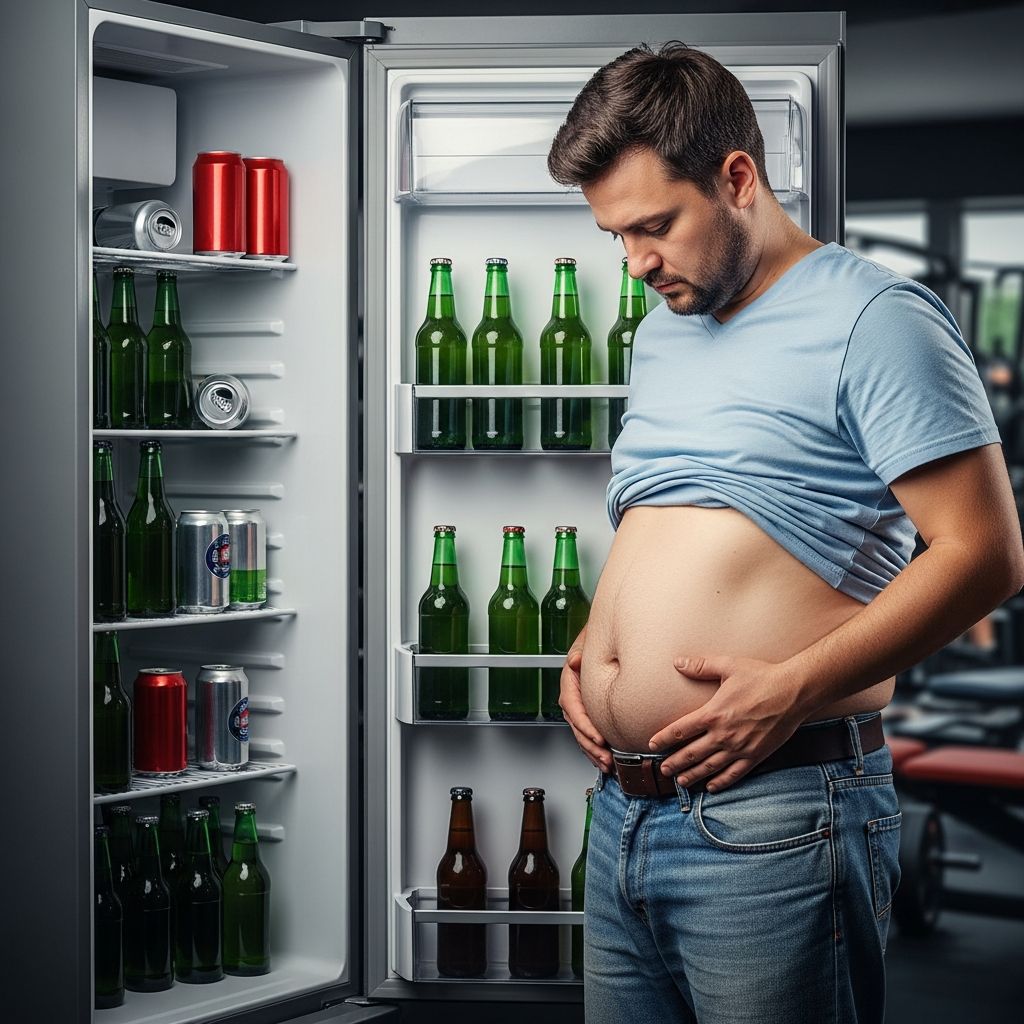
The term “beer belly” has become synonymous with excess abdominal fat in men, yet the reality is far more complex than simply drinking beer. While alcohol certainly plays a role in belly fat accumulation, research reveals that multiple factors—including hormones, stress, diet, and lifestyle—contribute to this common concern. Understanding these underlying causes is the first step toward developing an effective strategy to lose weight and improve your overall health.
Excess visceral fat, the type that accumulates around your abdominal organs, poses significant health risks. Unlike subcutaneous fat (the fat under your skin), visceral fat is metabolically active and strongly associated with serious health conditions including heart disease, type 2 diabetes, insulin resistance, and metabolic syndrome. Studies show that a waist circumference over 37 inches in men is strongly linked to these cardiovascular and metabolic risks. This makes addressing beer belly not just a cosmetic concern, but an important aspect of disease prevention and long-term health.
The Role of Alcohol in Abdominal Fat Accumulation
Beer and other alcoholic beverages contribute to belly fat through several interconnected mechanisms. Research demonstrates that men consuming more than three drinks per day are up to 80% more likely to carry excess belly fat compared to light drinkers. The threshold appears significant: consuming more than approximately 500 mL daily—just over one standard beer—is associated with increased abdominal obesity in men.
Alcohol contributes to weight gain through multiple pathways. First, alcoholic beverages provide “empty” calories that offer little nutritional value while adding substantially to your daily caloric intake. Second, when you consume alcohol, your liver prioritizes detoxifying and metabolizing alcohol over burning fat stored in your body. This metabolic shift means that fat-burning processes are essentially paused while your body processes alcohol. Third, alcohol consumption frequently leads to overeating, as alcohol lowers inhibitions and impairs judgment around food choices. The combination of extra calories, disrupted fat metabolism, and increased food consumption creates an ideal environment for belly fat accumulation.
It’s important to note that moderate beer consumption does not necessarily lead to weight gain in all individuals. Research indicates that moderate consumption of either alcoholic or non-alcoholic beer (approximately 30 grams of alcohol daily for men, or about two standard drinks) does not increase body weight in healthy individuals and may even offer certain health benefits. However, the risk profile shifts dramatically with excessive consumption.
Hormonal Factors and Testosterone
Testosterone plays a far more significant role in body composition than many men realize. Beyond its effects on libido and sexual function, testosterone is crucial in determining how your body stores fat and builds muscle. As men age, testosterone levels decline naturally—approximately 1% per year after age 30—and this hormonal shift contributes substantially to increased visceral fat, decreased muscle mass, reduced metabolic rate, and even mood changes.
Low testosterone is directly associated with greater central adiposity (belly fat) and reduced insulin sensitivity. Conversely, when testosterone levels are optimized, men typically experience improved body composition with reduced fat mass and increased lean muscle tissue. This relationship between hormones and body composition suggests that simply counting calories and exercising may not address the complete picture if hormonal imbalances are present.
If you suspect low testosterone might be contributing to your beer belly, consulting with a healthcare provider for hormone testing is worthwhile. Depending on clinical findings, testosterone optimization therapy—whether through topical, injectable, or oral formulations—may be appropriate and can significantly enhance fat loss results when combined with proper nutrition and exercise.
Related Stories



Stress, Cortisol, and Abdominal Fat
Chronic stress is an often-overlooked contributor to abdominal fat accumulation. When you experience prolonged stress, your body elevates cortisol production—a hormone that promotes fat storage, particularly around the midsection. Stress triggers the body’s “fight or flight” response, which evolved to help us survive immediate threats but becomes problematic when activated chronically by modern stressors like work pressure, financial concerns, or relationship challenges.
Additionally, chronic stress has broader negative health effects: it shortens telomeres (the protective caps on chromosomes), accelerates biological aging, disrupts sleep quality, and impairs the body’s metabolic function. The stress-sleep-weight connection is particularly important—inadequate sleep elevates cortisol and ghrelin (the hunger hormone) while reducing leptin (the satiety hormone), creating conditions that promote both overeating and fat accumulation.
Addressing stress through evidence-based techniques can meaningfully impact your ability to lose belly fat. Regular physical activity, meditation, adequate sleep (7-9 hours nightly for adults), social connection, and professional support when needed all help reduce cortisol levels and create metabolic conditions favorable for fat loss.
Nutrition: The Foundation of Belly Fat Loss
While alcohol reduction is important, overall nutrition quality plays an equally crucial role in losing beer belly. The most effective approach focuses on whole foods over processed options, adequate protein intake, and stable blood sugar management.
Protein and Muscle Preservation
Adequate protein intake (approximately 0.8-1.0 grams per pound of body weight daily) is essential for several reasons. Protein increases satiety, helping you feel fuller longer and reducing overall caloric intake. It also supports muscle maintenance during weight loss, and since muscle tissue is metabolically active and burns calories at rest, preserving muscle mass is crucial for sustainable fat loss. Furthermore, protein has a higher thermic effect than carbohydrates or fats, meaning your body burns more calories digesting protein—an advantage when trying to create a caloric deficit.
Blood Sugar Stabilization
Refined carbohydrates and sugary foods cause rapid blood sugar spikes followed by crashes that trigger hunger and cravings, particularly for more sugar. Choosing whole grains, vegetables, legumes, and fruits with intact fiber provides sustained energy and prevents the blood sugar roller coaster that promotes overeating. This approach not only supports weight loss but also reduces diabetes risk, particularly important given that high beer consumption is associated with increased risk of developing abnormal glucose regulation and pre-diabetes.
Alcohol Moderation and Mindful Eating
Reducing alcohol consumption is fundamental to addressing beer belly. This doesn’t necessarily mean complete abstinence, but rather moderating intake to proven safe levels. For men, moderate consumption is defined as up to two standard drinks daily. Beyond this threshold, the risk of abdominal fat accumulation increases substantially.
Equally important is addressing eating habits and portion sizes. Many people unconsciously overeat, particularly when distracted by screens or eating quickly. Practicing mindful eating—paying attention to hunger and fullness cues, eating slowly, and focusing on food—helps regulate caloric intake naturally without requiring rigid restrictions.
Exercise and Physical Activity
While nutrition addresses caloric intake, exercise directly increases caloric expenditure and offers specific benefits for reducing visceral fat. Research consistently shows that regular physical activity preferentially reduces abdominal fat, even without significant weight loss on the scale.
Cardiovascular Exercise
Aerobic exercise—brisk walking, jogging, cycling, swimming, or any activity that elevates your heart rate—burns calories and appears to preferentially reduce visceral fat. Aim for at least 150 minutes of moderate-intensity aerobic activity weekly, which can be achieved through 30-minute sessions five days per week or similar combinations.
Resistance Training
Strength training builds and preserves muscle tissue, increases resting metabolic rate, and directly contributes to improving body composition. Muscle tissue burns more calories at rest than fat tissue, so building muscle enhances your ability to maintain weight loss long-term. Resistance training also improves insulin sensitivity and helps regulate blood sugar. Aim for strength training two to three times weekly, targeting all major muscle groups.
High-Intensity Interval Training (HIIT)
HIIT—alternating short bursts of intense exercise with recovery periods—has been shown to be particularly effective for reducing abdominal fat. HIIT workouts require less time commitment than steady-state cardio while delivering substantial metabolic benefits. A 20-30 minute HIIT session once or twice weekly can meaningfully contribute to fat loss.
Sleep and Recovery
Quality sleep is often underestimated in weight loss discussions, yet it’s fundamental to successful fat loss. During sleep, your body regulates hormones crucial for appetite control and metabolism. Inadequate sleep increases hunger hormones, reduces satiety signals, and impairs glucose metabolism—all of which promote weight gain and belly fat accumulation.
Adults should aim for 7-9 hours of consistent, quality sleep nightly. Establishing good sleep hygiene includes maintaining a consistent sleep schedule, creating a dark and cool sleep environment, limiting screen time before bed, and avoiding caffeine late in the day. If you struggle with sleep despite these measures, consulting a sleep specialist may be valuable.
Lifestyle Modifications for Lasting Change
Sustainable beer belly reduction requires addressing lifestyle factors comprehensively rather than pursuing quick fixes or crash diets. Here are evidence-based strategies:
- Set realistic goals: Aim to lose 1-2 pounds weekly through a combination of diet and exercise. This pace is sustainable and more likely to result in permanent fat loss rather than regain.
- Track progress beyond the scale: Weight alone doesn’t capture changes in body composition. Take measurements, monitor how clothes fit, and assess energy levels and health markers like blood pressure and cholesterol.
- Build gradual habits: Rather than overhaul your entire life overnight, implement one or two changes per week. This approach is more sustainable and less likely to lead to burnout.
- Manage stress actively: Incorporate stress-reduction techniques like meditation, deep breathing, yoga, or any activity you find enjoyable and relaxing.
- Seek social support: Whether through friends, family, or formal support groups, social accountability significantly increases the likelihood of success.
- Plan for obstacles: Identify potential barriers to your goals and develop strategies in advance. For example, if social occasions trigger excess drinking, plan alternatives or set drink limits before attending.
When to Seek Professional Help
For some men, beer belly persists despite lifestyle modifications. In these cases, consulting with healthcare professionals is appropriate. A primary care physician can evaluate whether underlying conditions like thyroid disorders, metabolic syndrome, or hormonal imbalances are contributing factors. A registered dietitian can provide personalized nutrition guidance. A mental health professional can address emotional eating or stress management. Depending on clinical evaluation and findings, your healthcare provider might recommend additional interventions such as hormone optimization therapy or other evidence-based treatments.
Frequently Asked Questions
Q: Can I lose beer belly without giving up alcohol completely?
A: Moderate alcohol consumption (up to two drinks daily for men) doesn’t necessarily prevent weight loss, though reducing intake significantly enhances results. The key is staying within moderate limits and compensating for alcoholic calories through adjusted diet and exercise.
Q: How long does it take to see results?
A: Many people notice improvements in how they feel—increased energy, better sleep, improved mood—within 2-4 weeks. Visible fat loss typically becomes apparent after 4-8 weeks of consistent effort. Visceral fat responds to lifestyle changes relatively quickly, often before significant weight loss on the scale.
Q: Is spot reduction possible for belly fat?
A: You cannot target fat loss to specific areas through exercise alone. However, overall fat loss through diet and exercise, combined with abdominal strengthening exercises, does preferentially reduce visceral belly fat while improving muscle tone and definition.
Q: What role does genetics play in beer belly?
A: Genetics influence how you store fat and your baseline metabolism, but they don’t determine your fate. Even those with genetic predisposition to abdominal fat accumulation can significantly reduce it through lifestyle modifications.
Q: Are there supplements that help with beer belly?
A: While some supplements are marketed for weight loss, most lack strong evidence. Focusing on whole foods, regular exercise, and adequate sleep provides far better results than supplements. Always consult your healthcare provider before starting any supplement regimen.
References
- Marcos, A., et al. “Moderate Consumption of Beer and Its Effects on…” — National Center for Biotechnology Information (NCBI), 2021. https://pmc.ncbi.nlm.nih.gov/articles/PMC8001413/
- How Alcohol Causes You to Have a Beer Belly: Effects of Drinking on Fat and Muscle Growth — Times of India, 2024. https://timesofindia.indiatimes.com/life-style/health-fitness/health-news/how-alcohol-causes-you-to-have-a-beer-belly-effects-of-drinking-on-fat-and-muscle-growth/articleshow/125388896.cms
- Visceral Fat and Its Health Implications — Harvard Health, 2023. https://www.health.harvard.edu/staying-healthy/what-can-i-do-about-my-beer-belly
- Why Do Beer Bellies Happen? Causes & How to Reduce Belly Fat — DHGate Smart, 2024. https://smart.dhgate.com/why-do-beer-bellies-happen-causes-how-to-reduce-belly-fat/
- How to Lose the Beer Belly — Thrivelab Men’s Health, 2024. https://www.thrivelab.com/mens-health-blog/how-to-lose-the-beer-belly-the-thrivelab-men-way
Similar Articles








Read full bio of Sneha Tete