What Causes My Ankles to Swell: Common Conditions & Treatments
Learn the common causes of ankle swelling, from injury to serious medical conditions, and when to seek help.
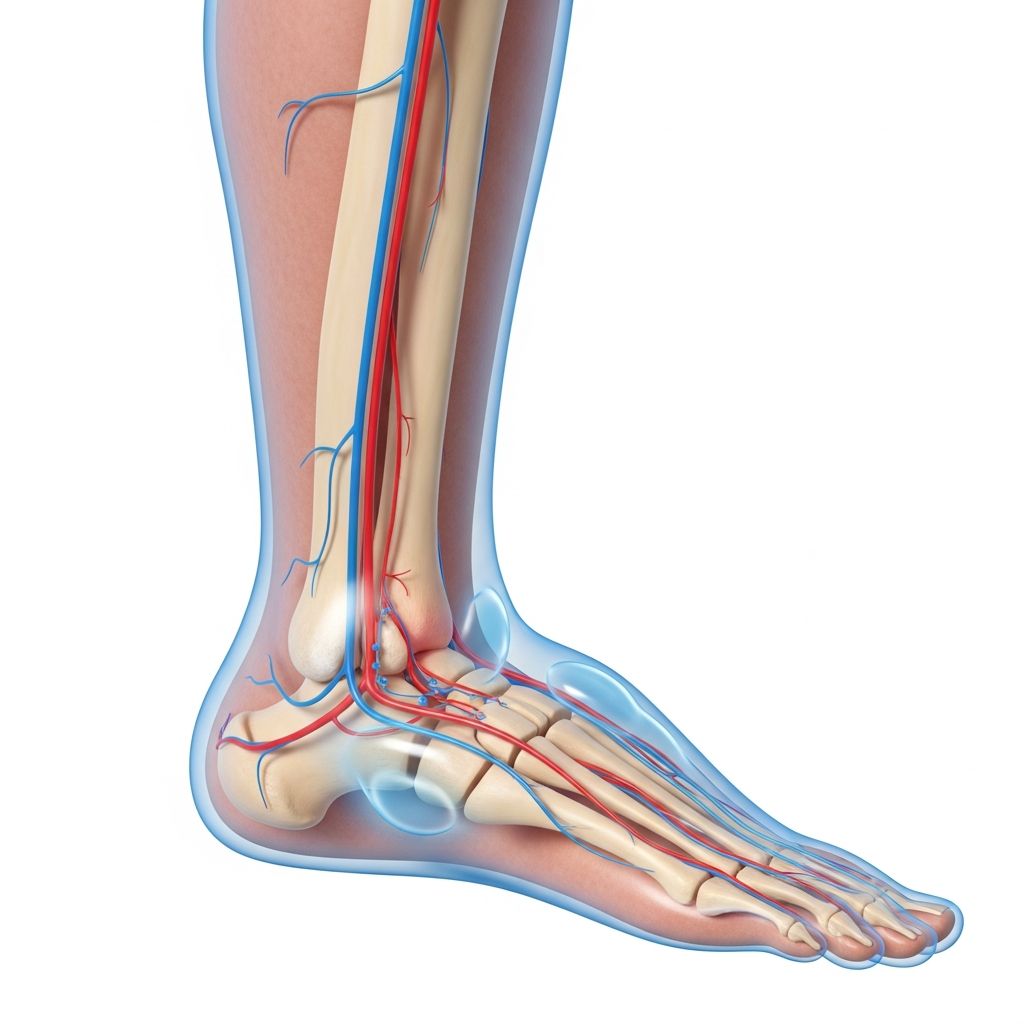
Swollen ankles are a common health concern that affects millions of people worldwide. While ankle swelling is often temporary and benign, it can sometimes indicate an underlying medical condition that requires professional evaluation. Understanding the various causes of ankle swelling is essential for determining the appropriate course of action and knowing when to contact a healthcare provider.
Understanding Ankle Swelling: The Two Main Categories
Ankle swelling generally results from one of two primary mechanisms: edema or inflammation. Each has distinct characteristics and underlying causes that affect how the condition is managed.
Edema: Fluid Accumulation
Edema refers to swelling caused by excess fluid accumulation in the body’s tissues. This condition is particularly prevalent in the lower legs, ankles, and feet due to gravity’s effect on fluid distribution. Edema can develop from relatively harmless lifestyle factors such as prolonged immobility, excessive salt intake, or carrying excess body weight. However, edema can also signal serious underlying medical conditions that require immediate attention.
Inflammation: Immune Response
Inflammation occurs when the immune system responds to an irritant or injury. Unlike edema, which involves fluid accumulation, inflammation causes swelling through immune activation. This type of swelling can be acute, developing suddenly after an injury, or chronic, persisting over an extended period.
Lifestyle and Behavioral Causes of Ankle Swelling
Several everyday activities and lifestyle choices can lead to swollen ankles without indicating serious health problems.
Prolonged Immobility and Inactivity
Keeping your legs in the same position for extended periods—whether sitting during long flights, working at a desk, or lying down—can cause fluid to accumulate in your ankles and feet. When muscles aren’t contracting regularly, they cannot effectively pump fluid back to the heart, resulting in localized swelling. Regular movement and position changes typically resolve this type of swelling.
Dietary Factors
High sodium intake can contribute to edema by causing the body to retain excess fluid. When you consume too much salt, your body works to maintain a balance of sodium and water, leading to increased fluid retention throughout the body, including the ankles. Reducing salt consumption and drinking adequate water can help alleviate salt-related swelling.
Weight and Body Composition
Carrying excess body weight places additional stress on the lower extremities and can impair circulation, contributing to ankle swelling. The increased pressure in blood vessels makes it harder for the body to return blood from the legs to the heart efficiently, causing fluid to accumulate in the ankle and foot tissues.
Medical Conditions Associated with Ankle Swelling
While some cases of ankle swelling resolve on their own, others stem from serious medical conditions requiring professional diagnosis and treatment.
Cardiovascular Conditions
Heart Failure: One of the most significant causes of bilateral ankle swelling is heart failure. When the heart cannot pump blood efficiently, fluid backs up into the venous system, causing swelling in the lower extremities. Heart failure-related ankle swelling typically affects both ankles equally and may be accompanied by shortness of breath, fatigue, or chest discomfort.
Chronic Venous Insufficiency: This common condition affects the valves in leg veins, impairing their ability to push blood back to the heart. Chronic venous insufficiency frequently causes edema in the ankles and lower legs and may progress to more severe symptoms if left untreated.
Related Stories



Deep Vein Thrombosis: Deep vein thrombosis, or DVT, is a blood clot in a deep vein that obstructs blood flow returning to the heart. DVT causes localized swelling, typically in one leg, and represents a medical emergency. Persistent pain and swelling following a DVT diagnosis is known as post-thrombotic syndrome.
Kidney and Liver Disease
Kidney Problems: During end-stage renal disease, the kidneys struggle to remove waste and excess fluid from the body, leading to edema in the ankles and other areas. Various kidney conditions can produce ankle swelling as a symptom requiring intervention.
Chronic Liver Disease: A healthy liver produces albumin, a protein that prevents fluid from leaking from blood vessels into surrounding tissues. Liver disease significantly reduces albumin production, allowing fluid to accumulate in the legs, ankles, and abdomen.
Pregnancy-Related Conditions
Preeclampsia: This serious pregnancy complication involves dangerously elevated blood pressure and protein in the urine. Preeclampsia can cause various symptoms including headaches, vision changes, sudden weight gain, and ankle edema. This condition can affect both mother and fetus, making it critical to report these symptoms to an obstetrician immediately.
Endocrine Disorders
Hypothyroidism: An underactive thyroid gland produces insufficient hormones, affecting muscle and joint function and causing aches, pains, stiffness, and swelling. Research suggests connections between thyroid disorders and conditions like rheumatoid arthritis, which independently cause painful joint edema.
Lymphatic System Disorders
Lymphedema: This condition involves swelling of soft tissues in the arms or legs due to lymph fluid buildup. Lymph, composed primarily of white blood cells that fight infection, normally drains through lymph vessels. When these vessels are damaged or absent, lymph accumulates, causing persistent swelling.
Inflammatory Causes of Ankle Swelling
Inflammatory conditions cause swelling through immune system activation rather than fluid retention alone.
Ankle Injuries and Sprains
Ankle sprains are among the most common sports-related injuries, accounting for up to 40% of all athletic injuries. When you sustain a foot or ankle injury, the immune system responds with inflammation, causing visible swelling in the affected area. Ankle sprains typically respond well to home treatment including rest, ice, compression, and elevation.
Arthritis and Joint Inflammation
Gout: Gout is a form of arthritis that causes sudden, severe swelling in joints near the extremities, particularly the ankles. This condition develops when uric acid accumulates and forms crystals in the joints and surrounding tissues, triggering intense inflammation.
Rheumatoid Arthritis: Rheumatoid arthritis is an autoimmune disorder that causes fluid to accumulate in the joint linings, leading to swelling and potentially causing permanent joint damage. The ankle is frequently affected by rheumatoid arthritis.
Other Arthritic Conditions: Various other forms of arthritis can produce ankle swelling through inflammatory mechanisms affecting the joint structures.
Bursitis
Bursitis involves inflammation of bursae—fluid-filled sacs that cushion joints. While the knee is most commonly affected, ankle bursitis also develops and causes localized swelling and discomfort in the ankle region.
Infections
Bacterial or fungal infections affecting the ankle or surrounding tissues can cause inflammatory swelling. Infections require prompt medical attention to prevent serious complications.
Medication-Related Ankle Swelling
Certain medications can cause ankle swelling as a side effect through various mechanisms. These medications include:
| Medication Class | Examples | Mechanism |
|---|---|---|
| Antidepressants | SSRIs and others | Various effects on fluid regulation |
| Hormonal contraceptives | Birth control pills | Estrogen-related fluid retention |
| Hormone replacement therapy | Estrogen supplements | Estrogen-related fluid retention |
| Testosterone therapy | Testosterone pills | Hormone-related effects |
| Antihypertensives | Calcium channel blockers | Blood vessel dilation and fluid accumulation |
| Corticosteroids | Prednisone and others | Fluid and sodium retention |
If you suspect your ankle swelling stems from a medication side effect, consult your healthcare provider before making any changes to your medication regimen. Your doctor may adjust your dosage or switch you to an alternative medication.
When to Seek Medical Attention
While many cases of ankle swelling resolve with home treatment, certain symptoms warrant prompt medical evaluation. You should contact a doctor if you experience:
- Heat or discoloration in the swollen area
- Swelling that worsens or fails to improve with home treatment
- Fever accompanying the swelling
- Sudden increase in swelling during pregnancy
- A personal history of heart, kidney, or liver disease
- Severe pain or inability to bear weight on the affected ankle
- Swelling in only one leg, suggesting possible DVT
- Difficulty breathing or chest pain along with ankle swelling
Home Treatment Strategies
Many cases of edema and mild swelling respond favorably to conservative home treatment approaches. The American Academy of Orthopaedic Surgeons recommends a systematic approach for treating ankle injuries at home. Elevating your legs above heart level reduces swelling by promoting fluid drainage back toward the heart. Ice application reduces inflammation and discomfort. Compression bandages or sleeves help contain swelling by applying gentle pressure. Rest allows inflamed tissues to heal. Over-the-counter pain relievers can manage discomfort while the condition improves. Additionally, maintaining adequate hydration, reducing salt intake, and gradually increasing physical activity as tolerated can facilitate recovery.
Diagnostic Evaluation
When you visit a healthcare provider for persistent ankle swelling, expect a comprehensive evaluation. Your doctor will review your medical history, current medications, and symptom timeline. Physical examination of both ankles helps identify whether swelling is bilateral or unilateral, which provides important diagnostic clues. Depending on findings, your doctor may order blood tests to assess kidney and liver function, imaging studies like ultrasound or CT scans, or electrocardiography to evaluate heart function. This systematic approach helps identify the underlying cause so appropriate treatment can begin.
Prognosis and Recovery
The prognosis for ankle swelling depends entirely on the underlying cause. Many cases of edema from lifestyle factors resolve completely with conservative treatment and lifestyle modifications. Swelling from acute injuries typically improves within days to weeks with appropriate home care. However, swelling from chronic medical conditions like heart failure, kidney disease, or cirrhosis requires ongoing management to control symptoms and prevent complications. Addressing the underlying cause is essential for achieving lasting relief.
Frequently Asked Questions
Q: How long does it typically take for ankle swelling to go away?
A: Timeline depends on the cause. Swelling from prolonged sitting usually resolves within hours of movement. Injury-related swelling typically improves within days to weeks with proper treatment. Swelling from chronic medical conditions may persist indefinitely without treatment of the underlying condition.
Q: Can ankle swelling indicate a blood clot?
A: Yes, unilateral ankle swelling, especially if accompanied by pain, warmth, or redness, can indicate deep vein thrombosis. Seek immediate medical attention if you suspect a blood clot, as this is a medical emergency.
Q: Is ankle swelling during pregnancy always concerning?
A: Mild ankle swelling is common during pregnancy due to increased fluid retention and pressure from the growing uterus. However, sudden severe swelling or swelling accompanied by other symptoms like headaches or vision changes may indicate preeclampsia and requires immediate evaluation.
Q: What is the difference between edema and inflammation?
A: Edema is swelling caused by fluid accumulation in tissues, while inflammation is swelling caused by the immune system’s response to injury or irritation. Edema is typically painless and soft, while inflammatory swelling is often warm, red, and tender.
Q: Can weight loss help reduce ankle swelling?
A: Yes, for individuals carrying excess weight, gradual weight loss can reduce the pressure on lower extremity blood vessels and improve circulation, potentially alleviating ankle swelling over time.
References
- 15 causes of swollen ankles and how to get rid of it — Medical News Today. 2024. https://www.medicalnewstoday.com/articles/324324
Similar Articles








Read full bio of medha deb