What Causes Brain Freeze: The Science Explained
Discover the fascinating science behind brain freeze and why it happens when you eat cold treats too quickly.
What Causes Brain Freeze: Understanding the Ice Cream Headache
Most people have experienced the sudden, sharp pain that strikes when eating ice cream or drinking a frozen beverage too quickly. This uncomfortable sensation, commonly known as “brain freeze,” affects people across all ages and is one of the most frequent yet misunderstood types of headache. Despite its prevalence, the exact mechanisms behind brain freeze remained a medical mystery for decades until Harvard Medical School researchers conducted groundbreaking studies that illuminated the physiological processes responsible for this phenomenon.
Brain freeze, medically termed sphenopalatine ganglioneuralgia or cold stimulus headache, is a short-term, sharp headache that typically occurs after rapidly consuming something extremely cold. The condition is particularly common during warm weather when people consume cold treats and beverages more frequently. Understanding what causes brain freeze not only helps explain this temporary discomfort but may also provide insights into treating other types of headaches, including migraines and pain associated with brain injuries.
The Medical Definition and Terminology
Brain freeze is known by several medical terms, with sphenopalatine ganglioneuralgia being the most formal designation. The condition is also referred to as an ice cream headache, cold stimulus headache, or trigeminal headache. This last term refers to the trigeminal nerve, which plays a significant role in the sensation of brain freeze. The trigeminal nerve runs through the upper palate of the mouth and is one of the most sensitive areas of the face and head.
This type of headache is universally recognized and occurs across different climates and cultures. However, it is most commonly experienced during summer months or in warm climates when individuals are more likely to consume cold foods and beverages rapidly. The condition affects both children and adults, making it one of the most common yet temporary headache disorders.
The Physiological Mechanism of Brain Freeze
Blood Vessel Response to Cold Stimuli
The primary cause of brain freeze involves the body’s immediate response to extreme cold in the mouth and throat. When something extremely cold comes into contact with the upper palate, the capillaries in the sinus and oropharyngeal region undergo rapid vasoconstriction, which is a narrowing of the blood vessels. This sudden constriction occurs as the body attempts to protect itself from the extreme temperature change.
Following this initial constriction phase, the body naturally works to rewarm the affected area. This rewarming process triggers vasodilation, which is the rapid widening or expansion of blood vessels. The sudden transition from constriction to dilation creates the conditions necessary for pain sensation. These rapid and extreme changes in blood vessel diameter occur very close to sensitive nerve endings in the palate, which explains why the sensation can be so sharp and intense despite being temporary.
Blood Flow and the Anterior Cerebral Artery
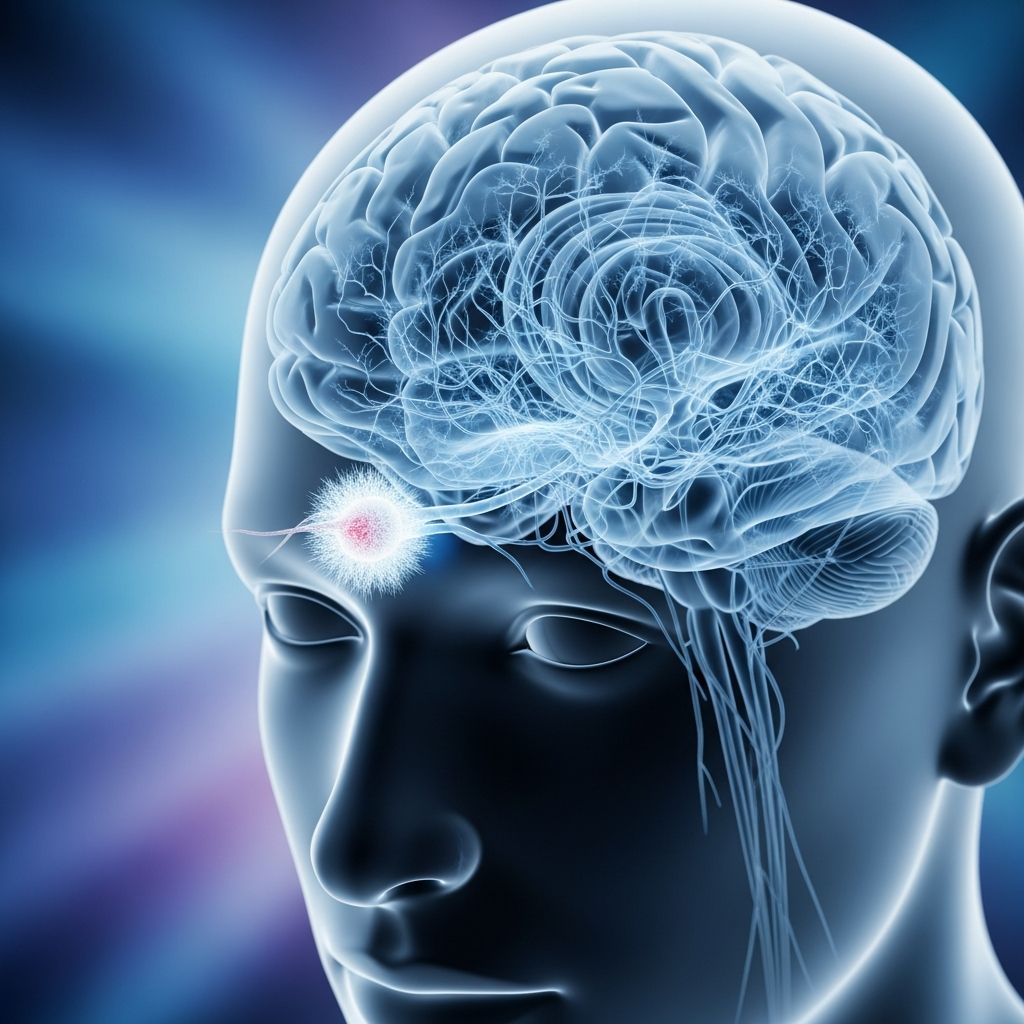
Harvard Medical School researcher Dr. Jorge Serrador and his team conducted a landmark study that provided significant insights into the brain freeze mechanism. The researchers recruited thirteen healthy adult volunteers and monitored their brain blood flow using transcranial Doppler ultrasound while the participants sipped ice-cold water through a straw, directing the liquid to their upper palate. The results were illuminating: the sensation of brain freeze appeared to be caused by a dramatic and sudden increase in blood flow through the brain’s anterior cerebral artery.
This finding was crucial because it demonstrated that brain freeze is not merely a localized sensation in the mouth but involves significant changes in cerebral blood flow. When the anterior cerebral artery expanded rapidly in response to the cold stimulus, participants experienced the characteristic pain of brain freeze. Conversely, when researchers administered warm water to the volunteers, the artery constricted, and the pain sensation immediately subsided.
The Role of the Trigeminal Nerve
One significant theory emerging from research suggests that the trigeminal nerve, which innervates the upper palate, plays a direct role in triggering increased blood flow to the brain. When extremely cold stimuli contact the trigeminal nerve in the palate, it may directly signal the brain to increase blood flow to the area. This protective mechanism, intended to warm the affected region, may paradoxically cause the pain sensation characteristic of brain freeze by rapidly increasing intracranial pressure through the sudden vasodilation of cerebral blood vessels.
Why Brain Freeze Occurs: Risk Factors and Conditions
Consumption Speed and Temperature Contrast
Brain freeze is most likely to occur when several conditions align simultaneously. The most important factor is the rapid consumption of extremely cold substances, particularly when they make direct contact with the upper palate. The temperature contrast between the external environment and the cold substance also plays a role; brain freeze is more common on hot days when the temperature differential is greater.
The method of consumption matters significantly. Using a straw to drink cold beverages or eating ice cream directly from the cone sends the cold stimulus straight to the roof of the mouth, maximizing the likelihood of triggering brain freeze. In contrast, allowing cold substances to warm slightly in the mouth before swallowing reduces the risk of triggering this uncomfortable sensation.
Individual Susceptibility and Migraine Connection
Research has shown that certain individuals are more susceptible to brain freeze than others. Most notably, people who suffer from migraines are significantly more likely to experience brain freeze after consuming very cold food or drink compared with people who never have migraines. This connection between brain freeze and migraines has led researchers to hypothesize that similar mechanisms may underlie both conditions.
Dr. Serrador has proposed that some of the physiological processes occurring during brain freeze may be similar to what causes migraines and possibly other types of headaches, including those caused by traumatic brain injuries. If confirmed through further research, this connection could revolutionize how scientists approach studying and treating various headache disorders in laboratory settings.
Prevention Strategies for Brain Freeze
Understanding the mechanisms of brain freeze has led to several practical prevention strategies that can effectively reduce the likelihood of experiencing this uncomfortable sensation:
– Consume cold foods and beverages slowly rather than rapidly- Avoid using straws when drinking cold beverages, as straws direct liquid directly to the sensitive palate- Allow ice cream and frozen treats to warm slightly in your mouth before swallowing- Reduce the amount of cold stimulus applied to the palate at one time- Avoid consuming extremely cold items during hot weather when the temperature contrast is greatest- Consider drinking warm beverages before consuming cold treats, as some research suggests caffeine may reduce brain freeze risk through its effect on blood flow
Effective Treatment and Relief Methods
Once brain freeze occurs, several techniques can alleviate the pain and shorten its duration. These treatments work by reversing the vasodilation and reducing blood flow changes in the affected area:
– Drink warm water, which triggers vasoconstriction of the expanded blood vessels- Press your tongue firmly against the roof of your mouth to provide warmth and help restore normal blood vessel function- Cover your mouth and nose with your hands and breathe rapidly to increase the flow of warm air to the palate- Remove the cold stimulus from your mouth immediately- Allow several seconds to pass, as brain freeze typically resolves within seconds to minutes without intervention
Brain Freeze and Headache Research Implications
Advancing Migraine Treatment Understanding
One of the most significant implications of brain freeze research is its potential to advance our understanding and treatment of migraines and other headache disorders. The Harvard Medical School research team believes that their findings could eventually pave the way to more effective treatments for various types of headaches, particularly migraine-related pain and discomfort caused by brain injuries.
The connection between brain freeze and migraines suggests that vasodilation and local changes in brain blood flow may be central to understanding how various headaches develop. If dilated arteries cause a sudden rush of blood to the brain, which raises pressure and causes pain, then medications that constrict blood vessels should theoretically reduce pressure and eliminate pain. This principle could lead to new pharmaceutical approaches to migraine treatment.
Temperature Regulation and Brain Function
Dr. Serrador has provided important context for why the brain reacts so dramatically to cold stimuli. He explains that the brain is a relatively important organ that needs to function continuously, and it is fairly sensitive to temperature changes. Vasodilation may be the body’s mechanism for moving warm blood into tissue to ensure the brain stays at an optimal temperature. This protective mechanism, while well-intentioned, can paradoxically cause pain when triggered by sudden temperature changes from consuming cold substances rapidly.
Laboratory Study of Headache Disorders
Dr. Serrador has noted that studying headaches in laboratory settings is typically challenging because it is difficult to artificially recreate the specific triggers that cause different types of headaches. Brain freeze, however, is relatively straightforward to induce in a controlled research environment by having participants consume cold water through a straw. This ease of reproduction makes brain freeze an ideal model for studying headache mechanisms, and researchers hope to apply insights gained from brain freeze studies to understanding other rare headache disorders.
Important Facts About Brain Freeze
– Brain freeze is also known as sphenopalatine ganglioneuralgia, ice cream headache, cold stimulus headache, or trigeminal headache- The condition is caused by rapid constriction and subsequent expansion of blood vessels in response to cold stimuli- It is not a serious medical condition, though it can be very uncomfortable and unpleasant- The sensation typically lasts only seconds to minutes and resolves spontaneously- Any cold stimulus can cause brain freeze, not just ice cream—including ice pops, slushies, cold water, and frozen beverages- Brain freeze is more common in migraine sufferers than in people without migraine history- The condition is entirely preventable through slow consumption of cold items
Frequently Asked Questions About Brain Freeze
Q: Is brain freeze dangerous or a sign of a serious medical condition?
A: No, brain freeze is not dangerous or indicative of a serious medical condition. It is a temporary, harmless phenomenon caused by rapid blood vessel changes in response to cold stimuli. The sensation typically resolves within seconds to minutes without any intervention.
Q: Why do some people get brain freeze more easily than others?
A: Individual susceptibility to brain freeze varies. People who suffer from migraines are significantly more likely to experience brain freeze than those without migraine history. Some individuals may also have more sensitive palates or blood vessels that respond more dramatically to temperature changes.
Q: Can brain freeze be completely prevented?
A: Yes, brain freeze can be effectively prevented by consuming cold foods and beverages slowly, avoiding straws when drinking cold beverages, and allowing frozen treats to warm slightly in your mouth before swallowing. Reducing the rate and amount of cold stimulus applied to the palate significantly decreases the likelihood of triggering brain freeze.
Q: What should I do if I experience brain freeze?
A: If you experience brain freeze, drink warm water, press your tongue to the roof of your mouth, or breathe warm air over the palate by covering your mouth and nose with your hands. These techniques work by warming the affected area and triggering vasoconstriction, which relieves the pain. Brain freeze typically resolves on its own within seconds to a few minutes.
Q: How does brain freeze research help with migraine treatment?
A: Brain freeze research reveals that rapid blood vessel changes and altered cerebral blood flow can cause headache pain. Since migraine sufferers are more susceptible to brain freeze, researchers believe similar mechanisms may underlie both conditions. This knowledge could lead to new medications and treatments that target vasodilation and blood flow changes to provide relief from migraines and other headache disorders.
Q: Is there any connection between caffeine and brain freeze?
A: Some research suggests that consuming caffeine before eating or drinking cold items may reduce the risk of brain freeze. This is because caffeine has a slight effect on reducing blood flow, which may counteract the vasodilation response triggered by cold stimuli. However, more research is needed to confirm this relationship definitively.
References
- Brain Freeze: The Science Behind Ice Cream Headache — Medical News Today. 2024. https://www.medicalnewstoday.com/articles/244458
- Understanding ‘Brain Freeze’ May Be Key to Migraine Treatment — Harvard Medical School. 2024. https://hms.harvard.edu/news/understanding-brain-freeze-may-be-key-migraine-treatment-says-study
- What is Brain Freeze & Why Do We Get It? — Shore Physicians Group. 2024. https://shorephysiciansgroup.com/what-is-brain-freeze-why-do-we-get-it/
- Brain Freeze Cause Targeted by Harvard Researchers — WJLA News. 2024. https://wjla.com/news/health/brain-freeze-cause-targeted-by-harvard-researchers-75204
Similar Articles








Read full bio of medha deb