Causes Of Cirrhosis Of The Liver: What You Need To Know
Understand the primary causes of liver cirrhosis, from hepatitis C to alcohol abuse, and learn prevention strategies for liver health.
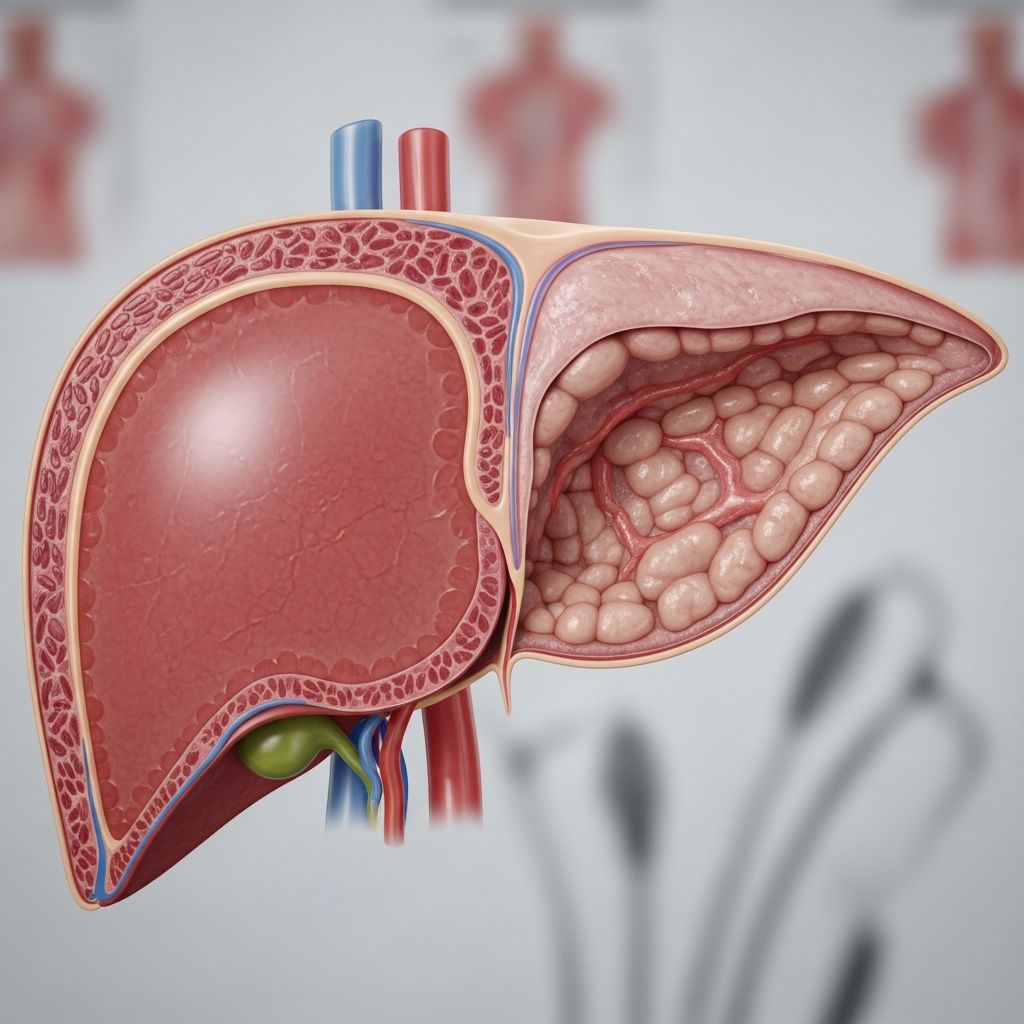
Cirrhosis represents the end-stage of chronic liver disease, characterized by irreversible scarring that impairs liver function. Hepatitis C virus (HCV) infection stands as a primary cause, leading to progressive fibrosis in 15-30% of chronic cases over decades. This condition replaces healthy liver tissue with scar tissue, disrupting essential functions like toxin filtration and protein synthesis.
What Is Cirrhosis of the Liver?
Cirrhosis develops when chronic liver injury triggers excessive scar tissue formation, known as fibrosis. The liver, vital for metabolizing nutrients, detoxifying blood, and producing bile, loses efficiency as nodules of regenerating tissue form amid scars. According to the World Health Organization (WHO), HCV—a bloodborne virus—inflames the liver, potentially causing both acute and chronic damage ranging from mild illness to cirrhosis and liver cancer.
Not all HCV infections progress to cirrhosis; only about 15-30% do over 20-30 years, influenced by factors like alcohol use and co-infections. Early stages may be asymptomatic, but advanced cirrhosis manifests as jaundice, ascites (fluid buildup), fatigue, and easy bruising.
How Does Hepatitis C Cause Cirrhosis?
HCV infects liver cells (hepatocytes), provoking ongoing inflammation and immune response. This chronic assault activates hepatic stellate cells, which deposit collagen, leading to fibrosis. Over time, fibrosis advances to cirrhosis, with scar bands encircling regenerative nodules, distorting liver architecture.
Transmission occurs via blood exposure: sharing needles (most common), unsafe medical procedures, unscreened transfusions, or perinatal routes. In the U.S., HCV is the top cause of cirrhosis and hepatocellular carcinoma (HCC), driving liver transplants. Globally, 58 million have chronic HCV, per WHO estimates.
- Progression timeline: Acute infection clears spontaneously in 15-25%; chronic cases risk cirrhosis in 15-30% after 20-30 years.
- Accelerators: Daily alcohol (>50g), HIV/HBV co-infection, male sex, older age at infection.
Other Causes of Cirrhosis
Beyond HCV, multiple factors scar the liver:
- Alcohol-related liver disease: Chronic heavy drinking (>30g/day women, >40g/day men) induces steatosis, hepatitis, then cirrhosis. Synergizes with HCV to hasten progression.
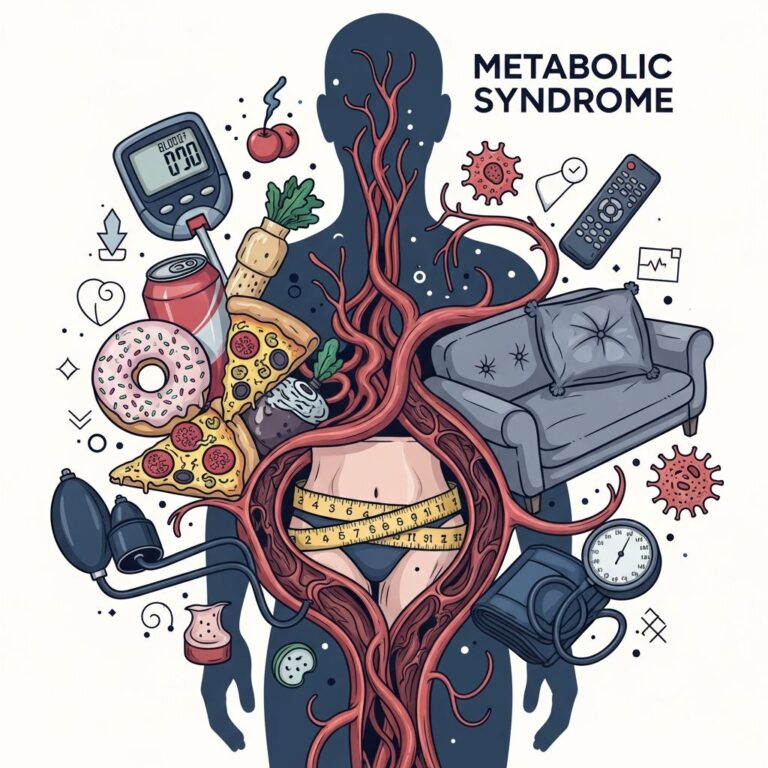
- Non-alcoholic fatty liver disease (NAFLD): Linked to obesity, diabetes, metabolic syndrome; fat accumulation leads to steatohepatitis and fibrosis.
- Viral hepatitis B: Similar to HCV, causes chronic inflammation.
- Autoimmune hepatitis: Immune attack on liver cells.
- Genetic disorders: Hemochromatosis (iron overload), Wilson’s disease (copper accumulation), alpha-1 antitrypsin deficiency.
- Other: Chronic heart failure, bile duct obstruction (primary biliary cholangitis), toxins.
| Cause | Prevalence | Risk Factors |
|---|---|---|
| Hepatitis C | Leading in U.S. | IV drug use, old transfusions |
| Alcohol | Global major cause | Heavy drinking |
| NAFLD | Rising with obesity | Diabetes, metabolic syndrome |
| Hepatitis B | High in Asia/Africa | Blood/sexual exposure |
Risk Factors for Developing Cirrhosis from Hepatitis C
While not every HCV case leads to cirrhosis (20-30 per 100 develop it), risks amplify progression:
- Co-infections: HIV or HBV accelerate fibrosis.
- Alcohol: Even moderate intake worsens outcomes.
- Metabolic issues: NAFLD, obesity, diabetes.
- Immunosuppression: Drugs lowering immunity.
- Demographics: Male sex, age >40 at infection.
- Genotype: Type 1 most common in U.S., but direct-acting antivirals (DAAs) treat all.
High-risk groups for HCV testing: born 1945-1965, IV drug users, hemodialysis patients, pre-1992 transfusion recipients, incarcerated individuals, HIV-positive.
Related Stories



Symptoms of Cirrhosis
Early cirrhosis is often silent; symptoms emerge as function declines:
- Fatigue, weakness
- Jaundice (yellow skin/eyes)
- Itchy skin
- Abdominal swelling (ascites)
- Easy bruising/bleeding
- Spider angiomas, palmar erythema
- Edema in legs
- Confusion (hepatic encephalopathy)
- Gynecomastia, testicular atrophy in men
Decompensated cirrhosis signals poor prognosis: variceal bleeding, ascites, encephalopathy.
Complications of Cirrhosis
Cirrhosis heightens risks:
- Hepatocellular carcinoma (HCC): 1-4% annual risk in HCV-cirrhosis; requires surveillance.
- Liver failure: End-stage, necessitating transplant.
- Portal hypertension: Esophageal varices, ascites.
- Infections: Spontaneous bacterial peritonitis.
- Malnutrition: Impaired protein synthesis.
Poor prognostic markers: low albumin/platelets, high alpha-fetoprotein.
Diagnosis of Cirrhosis
Diagnosis combines:
- Blood tests: Liver enzymes (ALT/AST), bilirubin, albumin, platelets; FIB-4/APRI scores.
- Imaging: Ultrasound, CT, MRI for nodularity.
- Elastography: FibroScan measures stiffness.
- Biopsy: Gold standard for staging fibrosis.
- HCV RNA: Confirms viremia; genotyping guides therapy.
Treatment and Management
Treatment targets underlying cause:
- Antivirals for HCV: DAAs achieve >95% sustained virologic response (SVR), preventing progression; lower SVR in cirrhosis (40-50% Child-Pugh A).
- Alcohol cessation: Abstinence halts progression.
- NAFLD: Weight loss, diabetes control.
- Complication management: Beta-blockers for varices, diuretics for ascites, lactulose for encephalopathy.
- Transplant: For decompensated cirrhosis.
SVR doesn’t reverse cirrhosis but prevents decompensation and HCC.
Prevention of Cirrhosis
Prevent via:
- HCV screening/testing high-risk groups.
- Safe injection practices, blood screening.
- Alcohol moderation.
- Vaccination for HBV; no HCV vaccine.
- Healthy weight, diabetes management.
Frequently Asked Questions (FAQs)
What is the link between hepatitis C and cirrhosis?
Hepatitis C causes chronic liver inflammation leading to fibrosis and cirrhosis in 15-30% of cases over decades, but cirrhosis does not cause HCV.
Can hepatitis C be cured if cirrhosis is present?
Yes, DAAs cure >95% of cases, halting progression though scarring persists.
How long does it take for HCV to cause cirrhosis?
20-30 years typically; faster with alcohol or co-infections.
Is cirrhosis reversible?
Early fibrosis may regress with treatment, but advanced cirrhosis is irreversible.
Who should get tested for hepatitis C?
Baby boomers (1945-1965), IV drug users, hemodialysis patients, pre-1992 transfusion recipients.
References
- Hepatitis C and cirrhosis: What’s the link? — Medical News Today. 2018-04-18. https://www.medicalnewstoday.com/articles/323698
- Hepatitis C cirrhosis: New perspectives for diagnosis and treatment — PMC (NCBI). 2015-07-28. https://pmc.ncbi.nlm.nih.gov/articles/PMC4506942/
- Hepatitis C — World Health Organization. 2024-04-23. https://www.who.int/news-room/fact-sheets/detail/hepatitis-c
- Hepatitis C – Symptoms and causes — Mayo Clinic. 2023-06-02. https://www.mayoclinic.org/diseases-conditions/hepatitis-c/symptoms-causes/syc-20354278
- The Effects of Hepatitis C on Your Body — Healthline. 2023-11-17. https://www.healthline.com/health/hepatitis-c/effects-on-the-body
Similar Articles








Read full bio of medha deb