What Causes Gout? 8 Foods That Trigger Attacks
Understand gout causes, risk factors, and the 8 key foods that can trigger painful attacks to manage symptoms effectively.
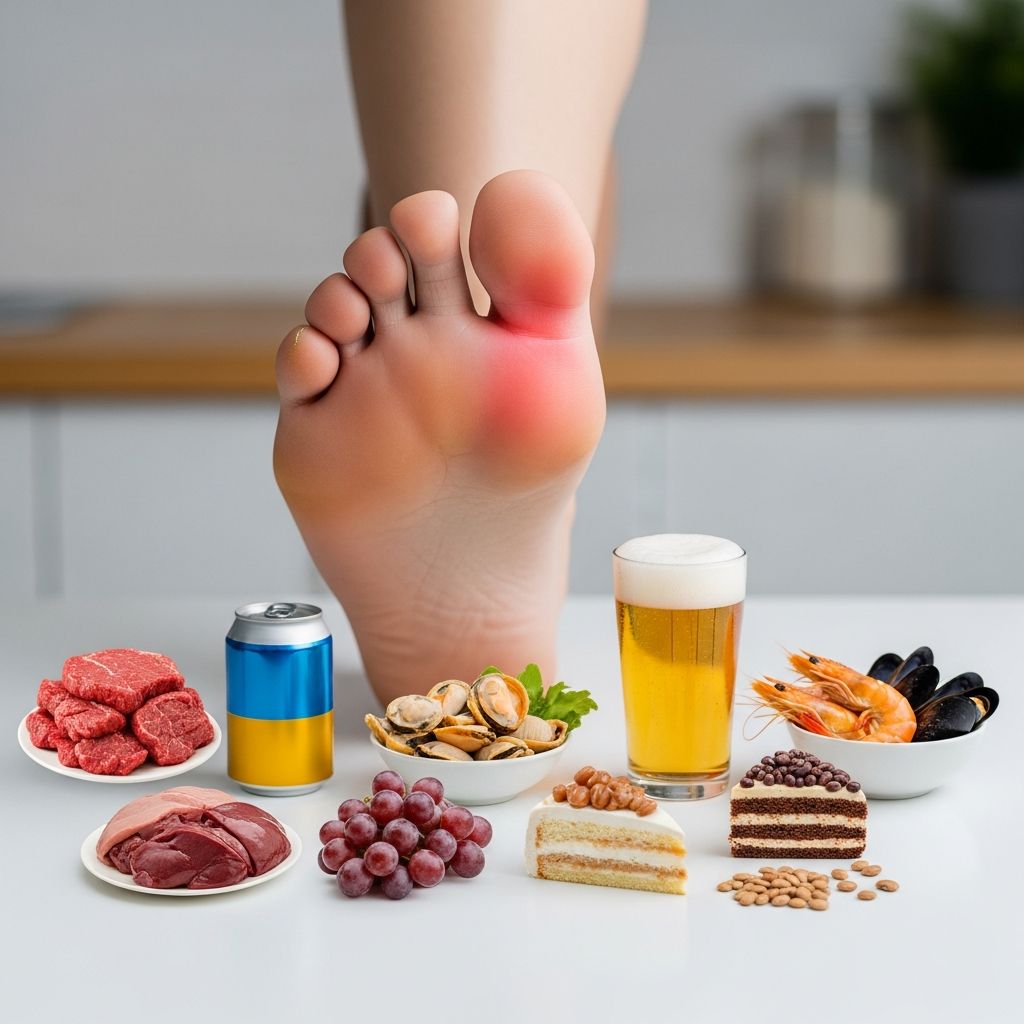
Gout is a form of inflammatory arthritis caused by elevated uric acid levels forming needle-like crystals in the joints, leading to sudden, intense pain often in the big toe. This condition affects millions, with attacks triggered by diet, genetics, and lifestyle factors that impair uric acid excretion or increase its production.
What Is Gout?
Gout, also known as gouty arthritis, results from hyperuricemia, where uric acid (urate) accumulates in the blood. Uric acid is a byproduct of purine breakdown, substances found in body tissues and certain foods. Normally, kidneys filter and excrete uric acid via urine, but excess production or poor elimination causes crystals to deposit in joints, provoking inflammation, swelling, redness, and severe pain.
Attacks often strike at night, lasting days to weeks if untreated, and primarily affect the big toe but can involve knees, ankles, or hands. Over time, untreated gout leads to chronic joint damage, tophi (uric acid deposits under the skin), and kidney issues. In the US, gout impacts about 9.2 million adults, or 3.9% of the population, more commonly in men and older individuals.
Symptoms of Gout
Gout flares cause abrupt, excruciating joint pain, peaking within 12 hours, with affected areas hot, red, and tender. Common symptoms include:
- Intense pain in one or more joints, especially the big toe (podagra).
- Persistent discomfort even after initial pain subsides.
- Inflammation and redness making the joint look infected.
- Limited range of motion during and after attacks.
- Over time, tophi nodules and chronic arthritis.
Flares typically resolve in 7-14 days but recur if underlying hyperuricemia persists.
What Causes Gout?
Gout stems from hyperuricemia, where blood urate exceeds 6.8 mg/dL, forming crystals in joints. About 90% of cases involve underexcretion by kidneys due to genetic defects in organic anion transporters, medications, or kidney impairment. The remaining 10% result from overproduction, often from high-purine diets or rapid cell turnover (e.g., chemotherapy).
Purines break down into uric acid; high intake from foods or endogenous sources overwhelms excretion. Triggers include injury, surgery, illness, or rapid uric acid spikes.
Risk Factors for Gout
Several factors elevate gout risk by raising uric acid production or hindering excretion:
- Male sex and age: Men are more prone; postmenopausal women catch up.
- Family history: Genetic predisposition affects kidney handling of urate.
- Obesity: Increases production and reduces excretion.
- Comorbidities: Hypertension, diabetes, metabolic syndrome, chronic kidney disease, heart failure, psoriasis, or cancers.
- Medications: Diuretics, low-dose aspirin, immunosuppressants, high-dose niacin.
- Diet and alcohol: Purine-rich foods, fructose-sweetened drinks, beer.
- Rare genetics: Lesch-Nyhan or Kelley-Seegmiller syndromes.
Related Stories



Studies show men on typical Western diets (red meat, fries, sweets, alcohol) have 42% higher gout risk versus DASH diets rich in fruits, veggies, and whole grains.
8 Foods That Trigger Gout Attacks
High-purine foods elevate uric acid, precipitating flares. Limit these triggers:
- Organ meats (liver, kidneys, sweetbreads): Extremely high in purines; avoid entirely.
- Red meat (beef, lamb, pork): Moderate-high purines; cap at 4-6 oz daily.
- Game meats (venison, goose): Purine-dense; consume sparingly.
- Seafood (anchovies, sardines, mussels, scallops, tuna, trout): High purines despite omega-3 benefits; limit portions.
- Beer and grain liquors: Purines plus alcohol impairs excretion; worst offender.
- Sugary sodas and fructose drinks: Fructose boosts production; avoid high-fructose corn syrup.
- Turkey and other poultry: Moderate purines; okay in moderation.
- Yeast extracts (some gravies, broths): Concentrated purines; check labels.
A table of purine content helps:
| Food Category | Purine Level | Recommendation |
|---|---|---|
| Organ meats | High (150-1000 mg/100g) | Avoid |
| Red meat | Medium-High (100-200 mg/100g) | Limit |
| Seafood (anchovies, sardines) | High (200-400 mg/100g) | Limit 4-6 oz/week |
| Beer | High + dehydrating | Avoid during flares |
| Sugary sodas | Fructose-driven | Eliminate |
Purine levels vary; total daily intake should stay under 100-150 mg for gout management.
How to Prevent Gout Attacks
Prevention targets uric acid reduction:
- Weight management: Gradual loss lowers levels without rapid cell breakdown.
- Diet: Emphasize low-purine foods: cherries, dairy, veggies, whole grains, nuts (DASH-style).
- Hydration: 8-16 cups water daily aids excretion.
- Limit alcohol/sugar: Especially beer and sodas.
- Medications: Allopurinol or febuxostat for chronic cases; colchicine/probenecid acutely.
- Monitor comorbidities: Control BP, diabetes.
Vitamin C (500 mg/day) may help mildly.
Treatment for Gout Flares
Acute attacks need rapid relief:
- NSAIDs (ibuprofen, naproxen): First-line anti-inflammatories.
- Colchicine: Reduces inflammation if started early.
- Corticosteroids: For NSAID contraindications.
- Urate-lowering therapy: For frequent flares (>2/year), tophi, or high urinary uric acid.
Rest, ice, elevate the joint.
Frequently Asked Questions (FAQs)
Is gout curable?
No, but manageable with lifestyle and meds to prevent flares and complications.
Does diet alone cause gout?
Diet contributes but genetics and excretion issues are primary.
Can women get gout?
Yes, especially post-menopause.
Is coffee safe for gout?
Yes, moderate coffee may lower risk.
How much water for gout prevention?
Aim for 2-4 liters daily.
Long-Term Complications of Gout
Untreated, gout causes joint erosion, tophi, kidney stones, and chronic kidney disease. Early intervention prevents progression.
References
- Gout | Gouty Arthritis – MedlinePlus — U.S. National Library of Medicine. 2023. https://medlineplus.gov/gout.html
- Gout: Symptoms, Diagnosis, and Treatment | Arthritis Foundation — Arthritis Foundation. 2023. https://www.arthritis.org/diseases/gout
- Gout Symptoms, Causes, & Risk Factors | NIAMS — National Institute of Arthritis and Musculoskeletal and Skin Diseases. 2023. https://www.niams.nih.gov/health-topics/gout
- Gout/Gouty Arthritis In Depth: Risk Factors, Diagnosis Treatment – HSS — Hospital for Special Surgery. 2023. https://www.hss.edu/health-library/conditions-and-treatments/gout-risk-factors-diagnosis-treatment
- What Is Gout? | Rheumatology – JAMA Network — JAMA. 2020-10-13. https://jamanetwork.com/journals/jama/fullarticle/2787544
Similar Articles








Read full bio of Sneha Tete