What Causes Gout? 8 Foods That Trigger Attacks
Understand gout causes, risk factors, and the 8 key foods that can trigger painful attacks—plus prevention tips for lasting relief.
Gout is a form of inflammatory arthritis triggered by elevated uric acid levels in the blood, leading to the formation of sharp urate crystals in joints, causing intense pain, swelling, and redness. These attacks most commonly affect the big toe but can impact other joints, bursae, tendons, and even kidneys.
What Is Gout?
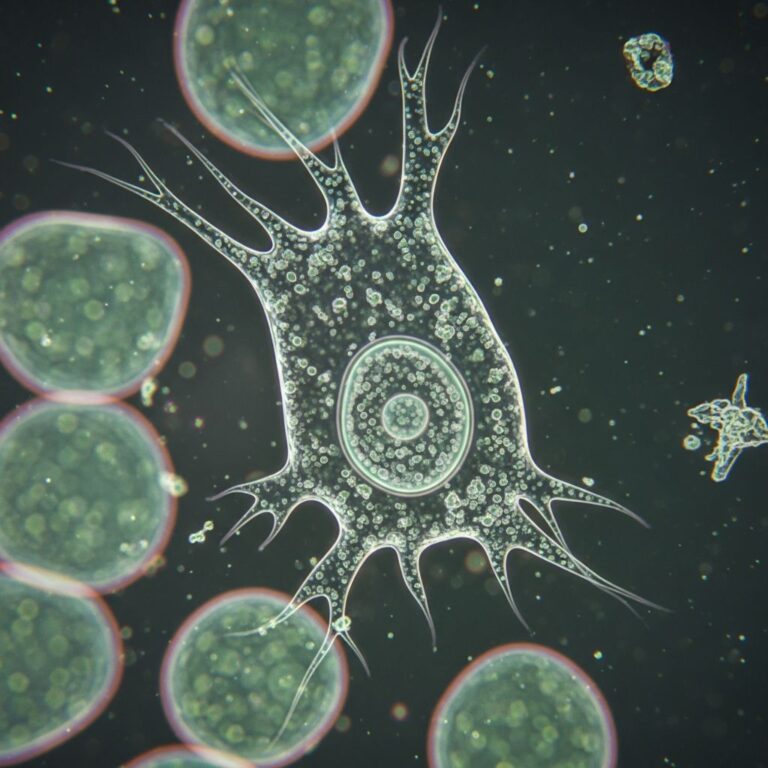
Gout develops when urate—a byproduct of purine breakdown—accumulates in the body, forming needle-shaped crystals that provoke severe inflammation. Urate forms from purines found in body tissues and certain foods; normally, kidneys excrete it via urine, but overproduction or underexcretion leads to hyperuricemia, the precursor to gout.
Not everyone with high urate levels gets gout; genetic factors, diet, and comorbidities play key roles. Flares often strike suddenly, lasting 1-2 weeks, with symptom-free intervals. Untreated, attacks become more frequent and severe, potentially forming tophi (uric acid deposits) under the skin.
Symptoms of Gout
Gout flares bring excruciating pain peaking within 4-12 hours, often at night, with affected joints hot, red, swollen, and tender—even light touch hurts. Common sites include:
- The big toe (podagra, in 50% of first attacks)
- Ankles, knees, elbows, wrists, fingers
- Bursae (e.g., elbows), tendon sheaths
- Kidneys (leading to stones)
Chronic gout causes persistent joint damage, tophi, and mobility loss. Between flares, many feel normal, masking the need for treatment.
Causes of Gout
At its core, gout stems from hyperuricemia: serum urate above 6.8 mg/dL. About 90% of cases involve poor kidney excretion due to genetic defects in organic anion transporters, while 10% result from uric acid overproduction.
Purines break down into uric acid; humans lack uricase (unlike most mammals), making us prone to buildup. Triggers include rapid cell turnover (e.g., chemotherapy), medications, or high-purine diets. Crystals deposit in joints, sparking neutrophil response and cytokine release for inflammation.
Risk Factors for Gout
Several factors elevate risk:
- Male sex: Men are 3-4 times more likely; estrogen protects women pre-menopause.
- Age: Peaks post-40 in men, post-menopause in women.
- Genetics: Family history or rare disorders like Lesch-Nyhan syndrome.
- Obesity: Excess fat boosts uric acid production and strains kidneys.
- Comorbidities: Hypertension, diabetes, chronic kidney disease, metabolic syndrome, heart disease.
- Medications: Diuretics, low-dose aspirin, niacin, cyclosporine.
- Lifestyle: Alcohol (especially beer), sugary drinks, purine-rich diets.
Prevalence: Affects 3.9% of US adults (9.2 million), rising with obesity and diuretic use.
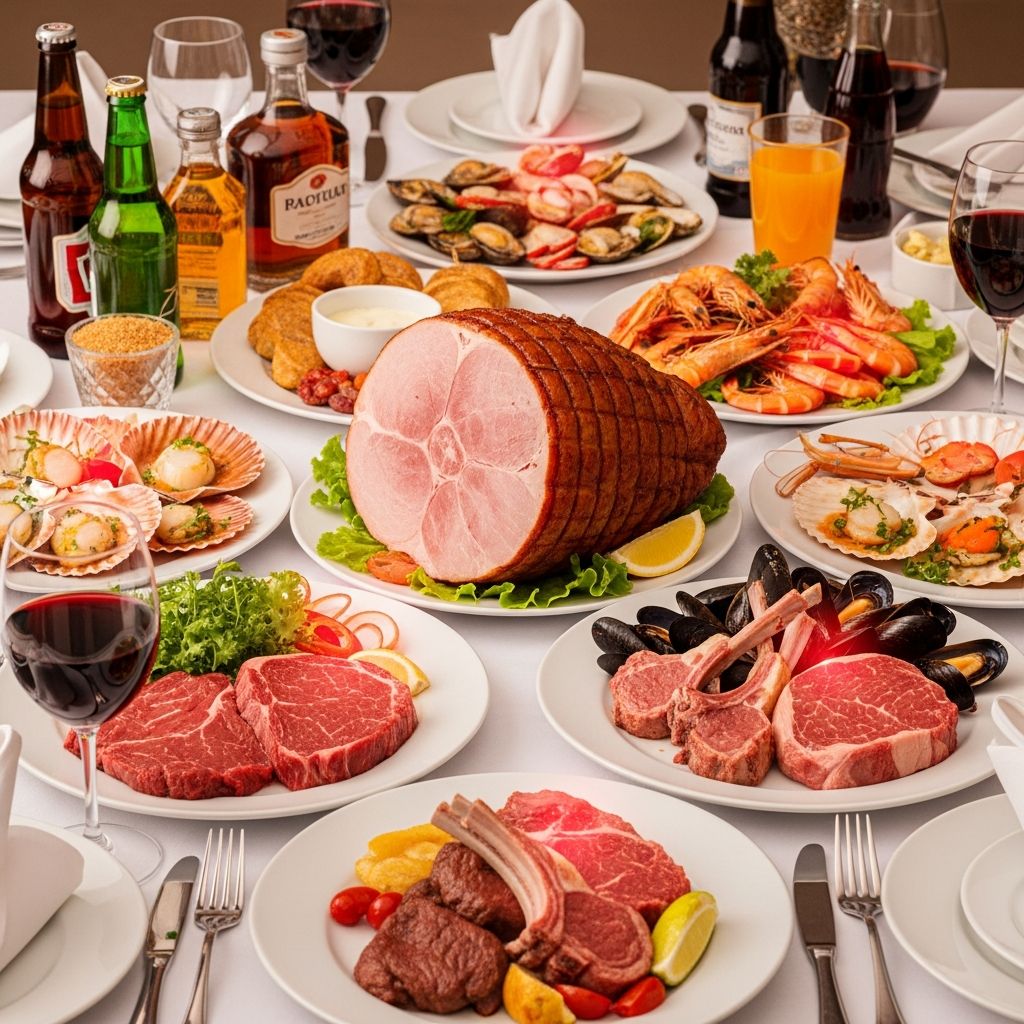
8 Foods That Trigger Gout Attacks
High-purine foods spike uric acid, provoking flares. Limit these:
- Organ meats (liver, kidneys, sweetbreads): Purine powerhouses; avoid entirely during flares.
- Red meat (beef, lamb, pork): Raises risk 40%; opt for lean cuts sparingly.
- Seafood (anchovies, sardines, mussels, scallops, trout): Some fish double risk; choose low-purine options like salmon occasionally.
- Alcohol, especially beer and liquor: Impairs excretion; beer worst due to yeast purines. Wine moderate.
- Sugary drinks (soda, fruit juices with fructose): Fructose boosts production; daily soda hikes risk 75%.
- Processed meats (bacon, sausage, hot dogs): High purines plus sodium strain kidneys.
- Turkey and goose: Poultry outliers; moderate chicken instead.
- Yeast extracts (Marmite, beer yeast): Concentrated purines; skip gravies too.
Related Stories



| Food Category | Purine Level | Risk Impact | Alternatives |
|---|---|---|---|
| Organ Meats | Very High | Strong trigger | Plant proteins |
| Red Meat | High | Moderate-High | Chicken, eggs |
| Seafood (shellfish) | High | High | Low-purine fish |
| Alcohol (beer) | High | Very High | Water, coffee |
Vegetables like asparagus or spinach have purines but don’t trigger gout, likely due to fiber.
Prevention and Management
Lifestyle changes cut flares 30-50%:
- Lose weight gradually (1-2 lbs/week).
- Hydrate (8-16 cups water daily).
- DASH diet: Fruits, veggies, low-fat dairy, whole grains.
- Limit purines, alcohol, fructose.
- Exercise regularly (150 min/week moderate).
Medications: Acute—NSAIDs, colchicine, steroids; preventive—allopurinol or febuxostat for high urate. Treat comorbidities.
Complications of Untreated Gout
Chronic flares erode joints, form tophi, raise kidney stone (nephrolithiasis) and CKD risk, and link to cardiovascular events.
Frequently Asked Questions (FAQs)
What is the fastest way to cure a gout attack?
Rest, ice, elevate; take prescribed colchicine or NSAIDs within 24 hours. Flares resolve in 7-14 days.
Does diet alone cure gout?
Diet helps prevent flares but rarely normalizes urate alone; meds often needed for hyperuricemia.
Can women get gout?
Yes, post-menopause; affects 5-10% fewer than men.
Is gout hereditary?
Partially; genetics influence 40-60% of risk via excretion genes.
Does coffee trigger gout?
No; moderate coffee may lower risk via antioxidants.
How much water for gout prevention?
At least 8-12 cups daily to dilute urate.
This comprehensive guide empowers gout management. Consult a doctor for personalized advice.
References
- Gout Symptoms, Causes, & Risk Factors — NIAMS, National Institutes of Health. 2023. https://www.niams.nih.gov/health-topics/gout
- Gout/Gouty Arthritis In Depth: Risk Factors, Diagnosis, Treatment — Hospital for Special Surgery (HSS). 2024. https://www.hss.edu/health-library/conditions-and-treatments/gout-risk-factors-diagnosis-treatment
- What Is Gout? — JAMA Network. 2023-05-16. https://jamanetwork.com/journals/jama/fullarticle/2787544
Similar Articles








Read full bio of Sneha Tete