What Causes High Triglycerides? 4 Major Factors Explained
Discover the key causes of high triglycerides, from diet and lifestyle to medical conditions, and learn effective strategies to manage and lower your levels.
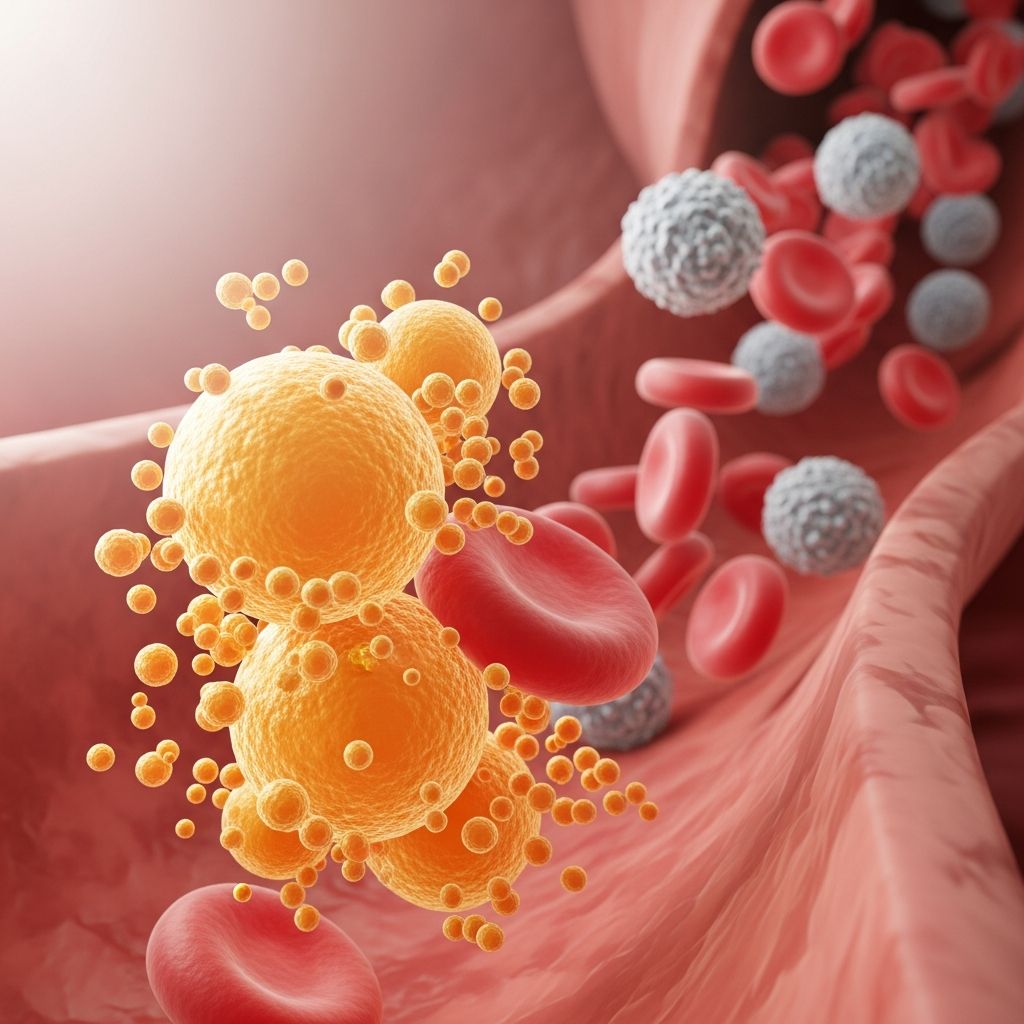
High triglycerides, or hypertriglyceridemia, occur when fat levels in your blood exceed normal ranges, raising risks for heart disease, stroke, and pancreatitis. Understanding the causes—from diet to genetics—empowers you to take control through lifestyle changes and medical interventions.
What Are Triglycerides?
Triglycerides are a type of fat (lipid) found in your blood, serving as an energy source. When you consume more calories than you burn, especially from sugars, fats, or alcohol, your body converts the excess into triglycerides for storage. Normal levels are under 150 mg/dL; borderline high is 150-199 mg/dL; high is 200-499 mg/dL; and very high is 500 mg/dL or above.
These fats travel through the bloodstream packaged with cholesterol in lipoproteins. While essential in moderation, elevated levels contribute to artery plaque buildup (atherosclerosis), thickening vessel walls and increasing cardiovascular risks. Extremely high levels (>500 mg/dL) can trigger acute pancreatitis, a painful pancreatic inflammation requiring urgent care.
High Triglycerides Levels: Chart and Ranges
| Category | Triglyceride Level (mg/dL) | Risk Level |
|---|---|---|
| Normal | Less than 150 | Low |
| Borderline high | 150-199 | Moderate |
| High | 200-499 | High |
| Very high | 500 or above | Very high (pancreatitis risk) |
These ranges are standard per American Heart Association guidelines, measured via fasting blood tests for accuracy.
Symptoms of High Triglycerides
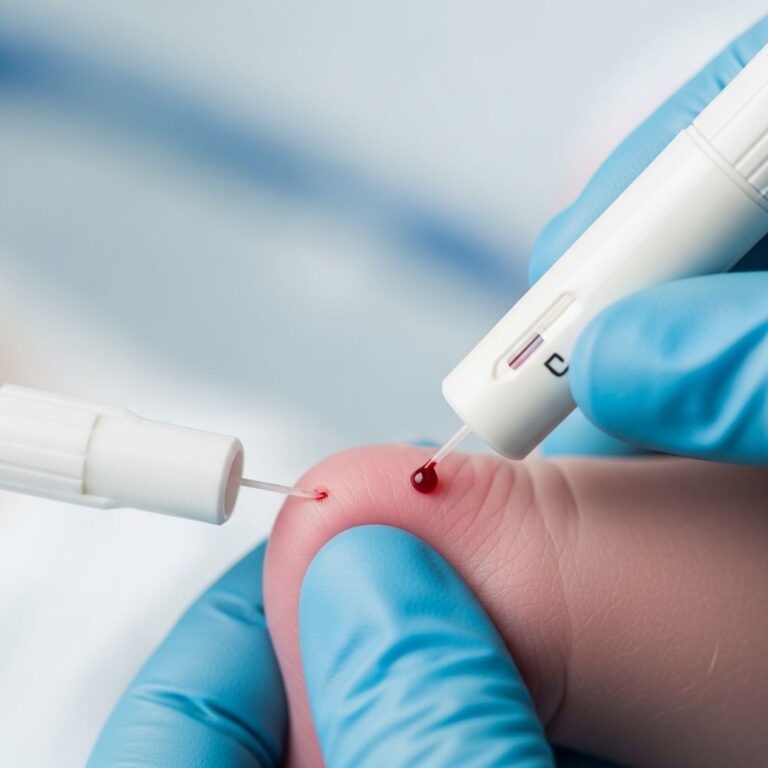
Most people with high triglycerides experience no noticeable symptoms, making routine blood work essential for detection. In severe cases (>1,000 mg/dL), symptoms may include:
- Chest pain or angina
- Numbness or tingling in extremities
- Dizziness or confusion
- Abdominal pain from pancreatitis
- Xanthomas (fatty deposits under the skin)
Severe elevations can block blood flow to the heart or brain, mimicking stroke or heart attack signs. Fat buildup in the liver, spleen, or skin may also occur. Early screening prevents these complications.
What Causes High Triglycerides?
High triglycerides result from a mix of lifestyle, medical, genetic, and medication-related factors. Your body stores unused calories as triglycerides; imbalances in intake versus expenditure drive elevations.
Lifestyle Factors
- Diet high in sugars, refined carbs, and fats: Excess calories from sugary drinks, white bread, fructose (e.g., corn syrup), and unhealthy fats convert directly to triglycerides.
- Obesity or overweight: Excess body fat slows metabolism, impairing triglyceride breakdown.
- Sedentary lifestyle: Lack of exercise reduces calorie burn and fat utilization.
- Excessive alcohol consumption: Alcohol is calorie-dense and prompts the liver to produce more triglycerides.
- Smoking: Tobacco worsens lipid profiles and insulin resistance.
Medical Conditions
- Uncontrolled type 2 diabetes or prediabetes: High blood sugar impairs fat processing.
- Hypothyroidism (underactive thyroid): Slows metabolism, leading to fat accumulation.
- Kidney or liver disease: Impairs lipid clearance.
- Metabolic syndrome: Cluster of obesity, high blood pressure, elevated sugar, and abnormal lipids.
Medications
Certain drugs elevate triglycerides as a side effect:
- Birth control pills and estrogen therapy
- Diuretics, beta-blockers, and steroids
- Retinoids, immunosuppressants, and some HIV meds
Genetics
Familial hypertriglyceridemia or lipid disorders cause inherited high levels, often combining with lifestyle factors for worse outcomes. Rare conditions hinder fat-to-energy conversion.
High Triglycerides and Heart Disease Risk
High triglycerides promote atherosclerosis by thickening artery walls, raising odds of heart attack, stroke, and peripheral artery disease. They often signal metabolic syndrome, amplifying risks when paired with low HDL (good cholesterol) and high LDL. Levels over 500 mg/dL heighten pancreatitis risk, potentially life-threatening. Managing triglycerides protects cardiovascular health.
Related Stories



How to Lower High Triglycerides
Treatment prioritizes lifestyle changes, with medications for persistent cases. Goals: Reduce to <150 mg/dL and prevent complications.
Lifestyle Changes
- Weight loss: Losing 5-10% body weight can drop triglycerides 20%.
- Diet adjustments: Limit sugars, refined carbs, and alcohol; emphasize fiber, omega-3s, and whole foods. For severe cases (>1,000 mg/dL), very low-fat diet (<15-25g fat/day).
- Exercise: 30+ minutes daily aerobic activity burns triglycerides.
- Quit smoking and limit alcohol: Essential for lipid control.
Medications
If lifestyle fails, options include:
- Fibrates: Lower triglycerides by 20-50%.
- Statins: Primarily for cholesterol but reduce triglycerides too.
- Niacin: Boosts HDL, cuts triglycerides.
- Fish oil (omega-3s): High doses for severe cases.
Tailor to underlying causes, like optimizing diabetes control.
Foods to Avoid with High Triglycerides
- Sugary foods/drinks (soda, candy)
- Refined carbs (white bread, pastries)
- Trans/saturated fats (fried foods, processed meats)
- Excess alcohol
Opt for oats, fish, nuts, veggies, and avocados instead.
Frequently Asked Questions (FAQs)
What is a dangerous level of triglycerides?
Levels ≥500 mg/dL are very high, risking pancreatitis; >1,000 mg/dL requires immediate very low-fat diet.
Can high triglycerides be reversed?
Yes, often through weight loss, diet, exercise, and meds—many achieve normal levels.
Do all high triglycerides cause symptoms?
No, most are silent; severe cases may cause pain or xanthomas.
Is alcohol bad for triglycerides?
Yes, excess raises levels significantly; limit or avoid.
How often should triglycerides be checked?
Every 4-6 years for adults; more frequently if high or at risk.
References
- High Triglycerides: Causes, Symptoms & Treatments — UCF Health. 2023. https://ucfhealth.com/our-services/cardiology/high-triglycerides/
- Hypertriglyceridemia: Causes, Risk Factors & Treatment — Cleveland Clinic. 2023-09-28. https://my.clevelandclinic.org/health/diseases/23942-hypertriglyceridemia
- Managing Your High Triglycerides – Symptoms & Treatment — Carle.org. 2023. https://carle.org/conditions/heart-and-vascular-conditions/high-triglycerides
- Triglycerides: Why do they matter? — Mayo Clinic. 2023-11-08. https://www.mayoclinic.org/diseases-conditions/high-blood-cholesterol/in-depth/triglycerides/art-20048186
- Triglycerides — MedlinePlus (U.S. National Library of Medicine). 2023-10-25. https://medlineplus.gov/triglycerides.html
- Management of Hypertriglyceridemia — American Academy of Family Physicians (AAFP). 2007-05-01. https://www.aafp.org/pubs/afp/issues/2007/0501/p1365.html (Note: Retained for authoritative guidelines on management despite age).
Similar Articles








Read full bio of medha deb