What Causes Ice Cream Headaches: Brain Freeze Explained
Understand the science behind brain freeze and learn effective ways to prevent and treat ice cream headaches.
Understanding Ice Cream Headaches: The Science Behind Brain Freeze
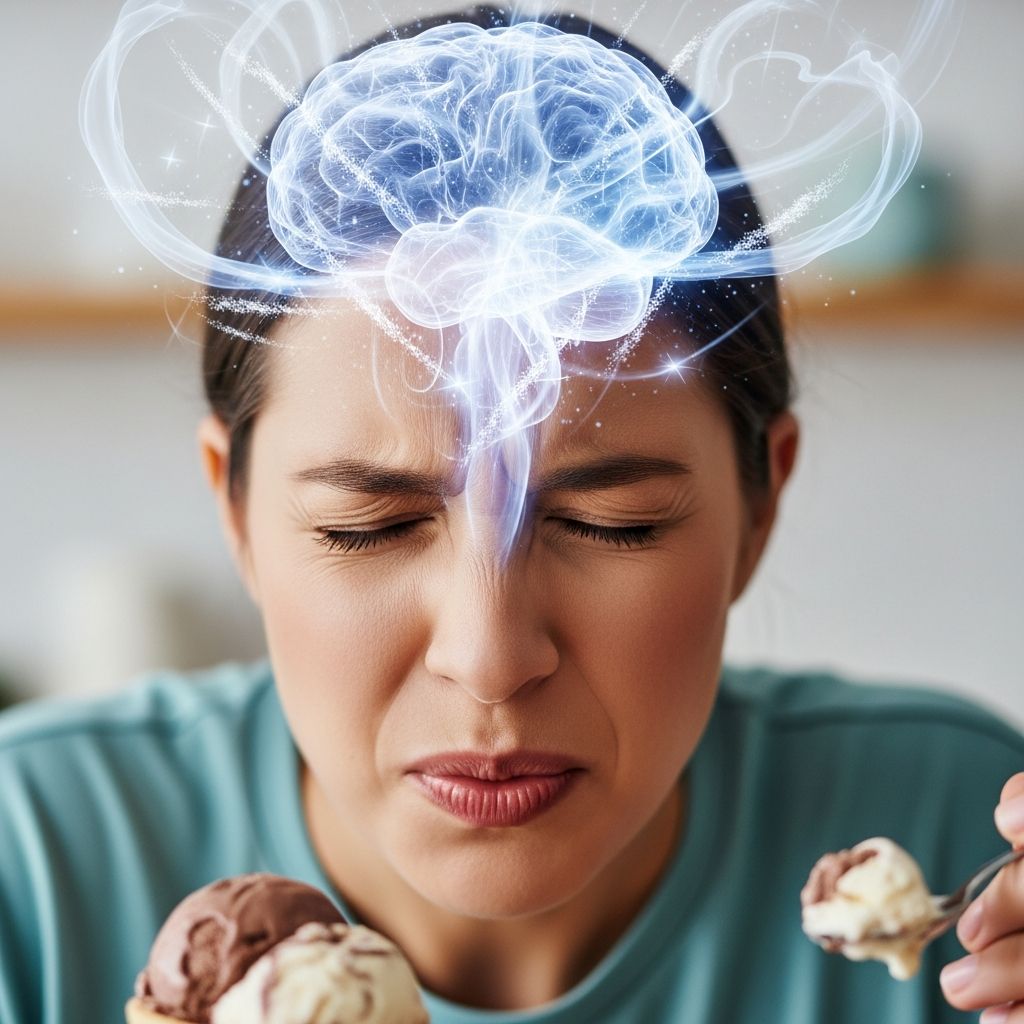
Ice cream headaches, commonly referred to as “brain freeze,” are a sudden, sharp pain that strikes your head when you consume something cold too quickly. While this sensation is typically brief and harmless, the experience can be quite intense and uncomfortable. The medical term for this condition is sphenopalatine ganglioneuralgia, which describes the specific nerve pathway involved in the pain sensation. Despite being a common occurrence that affects millions of people annually, many individuals don’t fully understand why these painful episodes happen or how to prevent them effectively.
Research indicates that ice cream headaches are remarkably prevalent in the general population. Studies have shown that up to 74% of American adults experience brain freeze at some point in their lives, making it one of the most universally experienced types of headache. The prevalence of these headaches varies by age group, with children being particularly susceptible to experiencing them more frequently than adults.
What Triggers an Ice Cream Headache?
The primary trigger for an ice cream headache is the rapid introduction of cold substances to sensitive areas inside your mouth, particularly the roof of your mouth and the back of your throat. While ice cream is the most commonly cited culprit, brain freeze can be triggered by any number of cold foods and beverages consumed too quickly.
Common Triggers of Brain Freeze
Ice cream headaches aren’t limited to ice cream alone. The following can all trigger a brain freeze:
– Cold beverages consumed rapidly, especially through a straw- Frozen desserts like popsicles, snow cones, and slushies- Smoothies and blended frozen drinks- Cold water swallowed quickly- Exposure to extremely cold air when breathing- Submersion in cold water
The speed at which you consume cold foods or drinks plays a crucial role in whether you’ll experience brain freeze. When you take your time eating ice cream or slowly sip a cold beverage, your body has time to adjust to the temperature change, making an ice cream headache less likely. However, when you consume cold foods rapidly, your mouth and throat experience a sudden, dramatic temperature drop that triggers the pain response.
The method of consumption also matters significantly. Eating ice cream directly allows your tongue to hold the cold substance against the roof of your mouth as it melts, maximizing contact with this sensitive area. Similarly, drinking cold beverages through a straw directs the liquid into more intimate contact with the roof of your mouth compared to slowly sipping from a cup.
The Physiological Mechanism Behind Brain Freeze
The Role of Blood Vessels and Nerve Endings
Understanding why ice cream headaches occur requires knowledge of the complex anatomy in and around your mouth. The roof of your mouth contains an extraordinarily high concentration of sensitive nerve endings and numerous small blood vessels called capillaries located just beneath the surface of the skin. This area is exquisitely sensitive to temperature changes, making it the perfect location for triggering the brain freeze response.
Related Stories



When a cold substance comes into direct contact with the roof of your mouth, an immediate physiological cascade begins. The extreme cold causes the capillaries and larger blood vessels in this region to undergo rapid vasoconstriction, which means they shrink and narrow significantly. This happens within seconds as your body’s protective mechanisms kick in. The purpose of this response is to conserve heat and protect vital organs, but it triggers something unexpected in terms of pain signaling.
The Vasoconstriction-Vasodilation Cycle
Immediately after the blood vessels constrict, an equally rapid reversal occurs. As soon as the cold stimulus is removed or your body adjusts to the temperature, the same blood vessels undergo vasodilation, expanding quickly to their normal size or even larger. This rapid sequence of constriction followed by dilation creates the conditions for pain.
The leading scientific theory suggests that this dramatic and sudden change in blood vessel size irritates the sensitive nerve endings in the roof of your mouth. These nerves respond to the mechanical stimulation caused by the blood vessel changes and send urgent “pain messages” up through the trigeminal nerve, a major cranial nerve that extends from the roof of your mouth through your forehead and midface.
The Trigeminal Nerve Connection
The trigeminal nerve plays a central role in the ice cream headache experience. This nerve is responsible for providing sensation to large areas of your face and head. When the nerves in the roof of your mouth become overstimulated by the rapid blood vessel changes, they activate the trigeminal nerve, which interprets these signals as head pain. Additionally, the rapid constriction of blood vessels alters blood flow through the anterior cerebral artery, which supplies blood to the brain. This altered blood flow further activates the trigeminal nerve, compounding the pain signal.
The over-stimulation of the trigeminal nerve is what ultimately creates the characteristic sharp, sudden pain of an ice cream headache. This is why the medical term for this condition specifically references the sphenopalatine ganglion, a collection of nerve cells in this region that serves as a relay station for pain signals.
Why Some People Are More Susceptible to Brain Freeze
Age and Susceptibility
Research has consistently shown that children experience brain freeze more frequently than adults. There are several reasons for this difference. Children haven’t yet developed the behavioral patterns that help adults avoid ice cream headaches. They tend to eat or drink cold foods much more quickly and with less restraint than adults. Additionally, children’s nervous systems may be inherently more sensitive to these rapid temperature changes, though they typically develop increased resistance as they mature and their nervous systems mature.
Migraine History and Brain Freeze
One particularly interesting finding from headache research is the connection between a history of migraine headaches and susceptibility to brain freeze. Studies have demonstrated that individuals who experience migraine attacks are significantly more likely to develop ice cream headaches than those without a migraine history. Research found that 55% of teenagers with a history of migraine experienced brain freeze, compared to only 37% of teenagers without migraine history. Similarly, women with a history of migraine were found to be twice as likely to experience brain freeze after consuming ice water compared to women without a migraine history.
This connection likely relates to the shared physiological mechanisms underlying both conditions. Both migraines and brain freeze involve changes in blood vessel diameter and blood flow. Individuals whose nervous systems are already primed to react dramatically to vascular changes may be more sensitive to the effects of rapid vasoconstriction and vasodilation triggered by cold foods.
How Long Does an Ice Cream Headache Last?
One reassuring aspect of brain freeze is its brief duration. Unlike many other types of headaches that can persist for hours or even days, ice cream headaches are characteristically short-lived. Most brain freeze episodes resolve completely within two to five minutes, and many disappear within just a few seconds. The intense nature of the pain often makes it feel longer than it actually is, but the good news is that no intervention is required for the headache to pass on its own.
Prevention Strategies for Ice Cream Headaches
Slow Down Your Consumption
The most effective way to prevent ice cream headaches is to eat or drink cold foods and beverages slowly. This gives your body adequate time to adjust to the temperature change gradually, allowing your blood vessels and nervous system to respond in a measured way rather than triggering the dramatic vasoconstriction-vasodilation cycle. Taking breaks between bites of ice cream or sips of a cold drink provides your mouth and throat with recovery time.
Modify Your Drinking Habits
If you enjoy drinking very cold beverages, consider using a smaller straw and sipping slowly. This reduces the volume of cold liquid contacting the roof of your mouth at any given moment. Alternatively, you might allow cold drinks to warm slightly before consuming them, or add room-temperature water to dilute the beverage and reduce its temperature shock.
Avoid Rapid Temperature Changes
Be especially cautious about rapid temperature changes in your mouth. Avoid switching quickly between very hot and very cold foods or drinks, as the extreme contrast can intensify the response of your blood vessels and increase the likelihood of brain freeze.
How to Stop an Ice Cream Headache Once It Starts
Warm the Roof of Your Mouth
If you find yourself experiencing a brain freeze, the most effective immediate treatment is to warm the affected area. You can do this by pressing your tongue firmly against the roof of your mouth and holding it there for several seconds. This warms the area and helps normalize blood vessel diameter. Alternatively, you can press your thumb against the roof of your mouth to achieve the same warming effect.
Consume a Warm Beverage
Sipping a warm or room-temperature beverage can also help alleviate brain freeze. The warmth triggers the constricted blood vessels to relax and dilate, calming the pain response. Importantly, avoid anything extremely hot, as excessive temperature swings might actually worsen the situation. A lukewarm drink of water, tea, or any beverage at body temperature works well.
Breathe Warm Air
Another simple technique involves cupping your hands over your mouth and nose, then breathing the warmer air that collects in your hands. This can help gradually warm the affected area and provide relief.
Pain Relievers: Not Recommended
While you might be tempted to take over-the-counter pain relievers like aspirin or acetaminophen to address the headache, this approach is generally ineffective. By the time these medications begin working in your system, the brain freeze will have naturally resolved on its own. The time required for these drugs to take effect far exceeds the typical duration of an ice cream headache.
Ice Cream Headaches Versus Migraine Headaches
While ice cream headaches and migraines share some physiological similarities, particularly involving blood vessel changes, they are distinct conditions. Cold foods and beverages are not generally considered migraine triggers, even though individuals with a migraine history are more likely to experience brain freeze. If you have a history of migraines and notice that ice cream or cold drinks consistently trigger migraine attacks (as opposed to brief brain freeze), consult with a healthcare provider about potential triggers and management strategies specific to your migraine pattern.
When to Seek Medical Help
Ice cream headaches are benign and require no medical intervention in the vast majority of cases. However, certain situations warrant medical attention. If you experience a sudden, severe headache that doesn’t resolve quickly on its own, if the pain is significantly more intense than typical ice cream headaches, or if you develop other concerning symptoms alongside the headache, contact a healthcare provider promptly. Additionally, if you notice that consuming cold foods consistently triggers prolonged or severe headaches that don’t fit the typical brief pattern of brain freeze, discuss this with a medical professional to rule out underlying conditions.
Frequently Asked Questions About Ice Cream Headaches
Q: Is brain freeze dangerous?
A: No, ice cream headaches are not dangerous. While the pain can be intense, it is brief and causes no lasting harm. Brain freeze is a temporary neurological response to rapid temperature changes and resolves on its own within minutes.
Q: Why do children get brain freeze more often than adults?
A: Children are more susceptible to brain freeze because they tend to eat cold foods quickly without moderation and haven’t developed the eating habits that help adults prevent the condition. Additionally, children’s nervous systems may be inherently more sensitive to rapid temperature changes, though this sensitivity typically decreases with age.
Q: Can I prevent ice cream headaches completely?
A: While you cannot eliminate the physical capability to experience brain freeze, you can significantly reduce the likelihood by eating cold foods and drinks slowly, taking breaks between bites, and avoiding rapid temperature changes in your mouth.
Q: What’s the fastest way to stop a brain freeze?
A: The fastest relief typically comes from pressing your tongue or thumb against the roof of your mouth to warm the area. This can provide relief within seconds. Drinking a warm beverage also works effectively but may take slightly longer.
Q: Does brain freeze indicate a serious medical condition?
A: Brief, occasional ice cream headaches in response to cold foods are completely normal and do not indicate an underlying medical condition. However, if you experience atypical symptoms or prolonged headaches, consult a healthcare provider.
Q: Should I take pain medication for brain freeze?
A: Pain medication is not recommended for ice cream headaches because the condition resolves naturally long before oral pain relievers begin working. It’s more practical and effective to use immediate warming techniques instead.
Conclusion
Ice cream headaches, while uncomfortable, are a normal and generally harmless response to rapid cold stimulation of sensitive nerve endings and blood vessels in the roof of your mouth. Understanding the physiological mechanisms behind brain freeze—the rapid vasoconstriction and vasodilation cycle that over-stimulates the trigeminal nerve—helps explain why this phenomenon occurs and how to prevent or manage it effectively. By slowing your consumption of cold foods and beverages, you can significantly reduce the likelihood of experiencing brain freeze. And if you do find yourself in the grip of a sudden ice cream headache, simple warming techniques like pressing your tongue to the roof of your mouth or sipping a warm drink provide quick relief. Knowledge of these strategies ensures that you can continue enjoying frozen treats without suffering unnecessary pain.
References
- Brain Freeze (Ice Cream Headache) — WebMD. 2024. https://www.webmd.com/migraines-headaches/ice-cream-headache
- Ice Cream Headaches — Modern Migraine MD. 2024. https://www.modernmigrainemd.com/post/ice-cream-headaches
- Cold-stimulus headache — Headache Journal, conducted by Nigel Bird, Anne MacGregor, and Marcia I. Wilkinson. https://pubmed.ncbi.nlm.nih.gov/
- Mayo Clinic Minute: Ice cream brain freeze, it’s a real thing — Mayo Clinic Newsnetwork. 2023. https://newsnetwork.mayoclinic.org/discussion/mayo-clinic-minute-ice-cream-brain-freeze-its-a-real-thing/
- What to know about that dreaded ice cream headache — Novant Health. 2024. https://www.novanthealth.org/healthy-headlines/what-to-know-about-that-dreaded-ice-cream-headache
- Cause of ‘brain freeze’ a bit of a mystery, but not to worry — UT Southwestern Medical Center. 2023. https://www.utsouthwestern.edu/newsroom/articles/year-2023/aug-brain-freeze.html
Similar Articles








Read full bio of Sneha Tete