What Causes Irritable Bowel Syndrome? 6 Key Causes
Unraveling the complex factors behind IBS: from gut-brain issues to infections, microbes, and triggers that worsen symptoms.
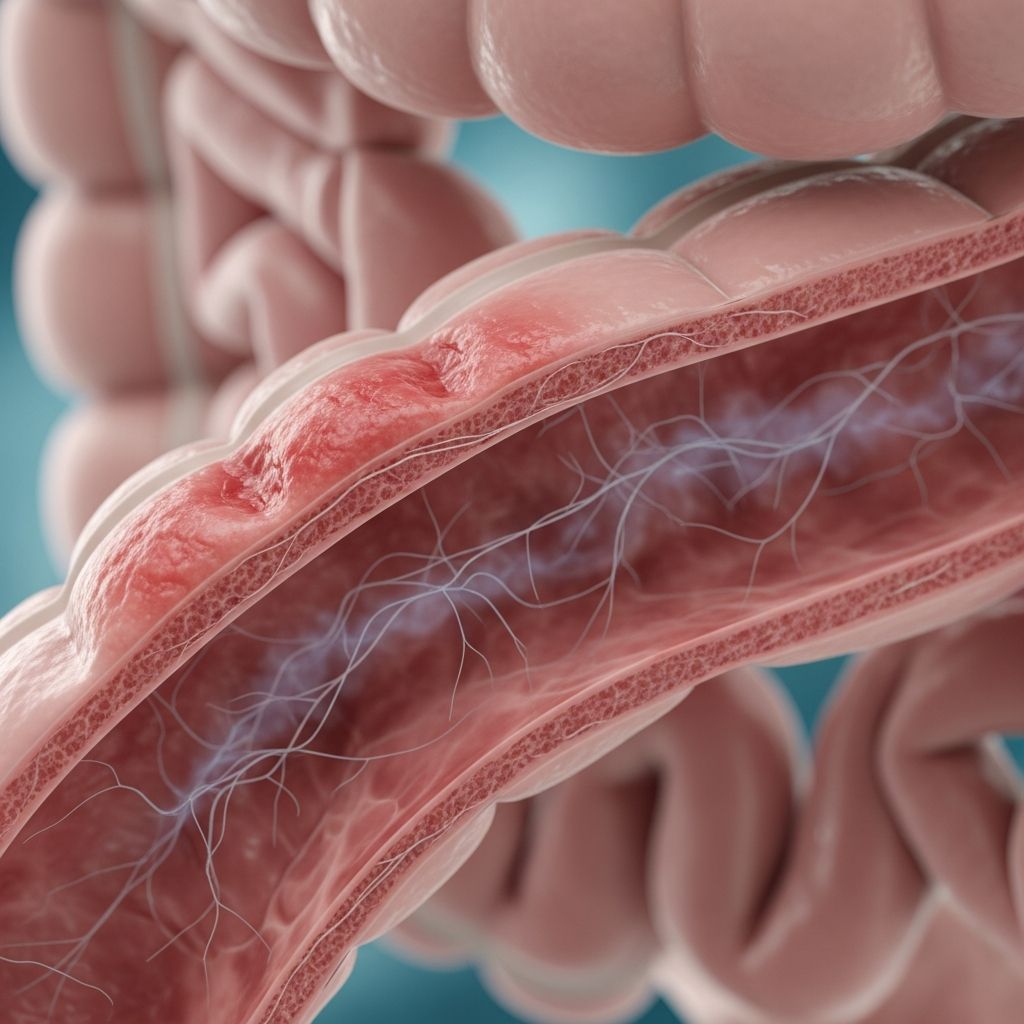
Irritable bowel syndrome (IBS) is a common gastrointestinal disorder characterized by abdominal pain, bloating, and altered bowel habits like diarrhea, constipation, or both. While the exact cause remains unknown, multiple factors contribute, including abnormalities in gut motility, visceral hypersensitivity, brain-gut axis dysfunction, infections, microbiome alterations, and environmental triggers. Understanding these helps in managing symptoms effectively.
What Is Irritable Bowel Syndrome?
IBS affects the large intestine and impacts how the gut works, leading to chronic symptoms without structural damage. It is classified into subtypes: IBS with constipation (IBS-C), diarrhea (IBS-D), mixed (IBS-M), and unsubtyped (IBS-U). Symptoms must occur at least one day per week in the last three months, with onset six months prior, per Rome IV criteria. Globally, it impacts 10-15% of adults, more commonly women under 50.
Unlike inflammatory bowel disease, IBS does not increase risks of colon cancer or cause inflammation visible on tests. Diagnosis relies on symptom patterns after ruling out other conditions like celiac disease or infections.
Nervous System Abnormalities
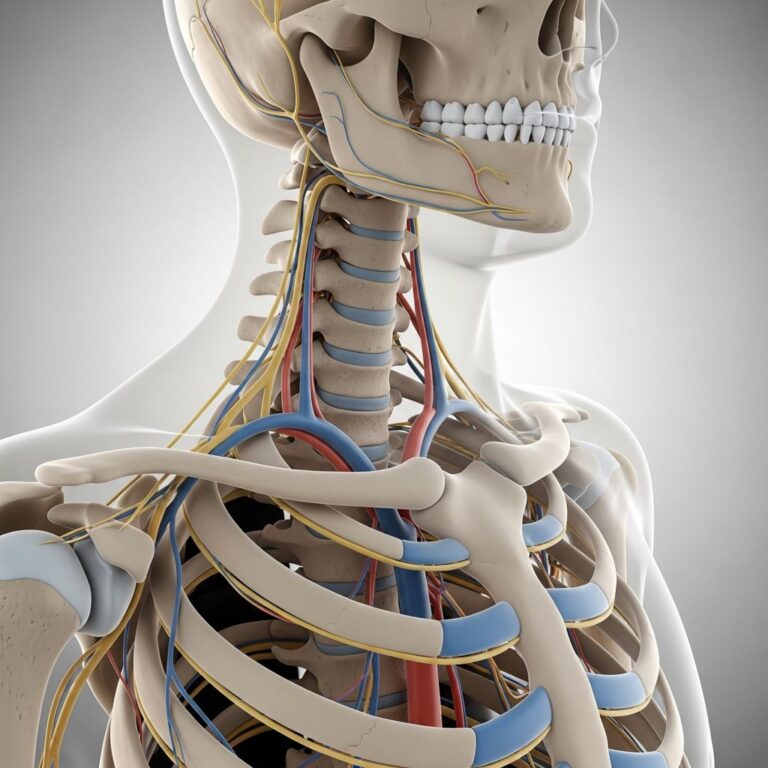
Issues in the digestive tract’s nerves play a central role in IBS. When the abdomen stretches from gas or stool, nerves may signal excessive discomfort. Poorly coordinated signals between the brain and intestines cause overreactions to normal digestive changes, resulting in pain, diarrhea, or constipation.
This brain-gut axis dysfunction, or visceral hypersensitivity, heightens pain perception from normal gut stimuli. Dysmotility—inappropriate muscle contractions—leads to abnormal intestinal movement, exacerbating symptoms.
Severe Infection
Post-infectious IBS develops after severe gastroenteritis from bacteria or viruses, affecting up to 25% of cases. For instance, Salmonella infection increases IBS risk eightfold in the following year.
Research at Cedars-Sinai identifies bacterial overgrowth in the small intestine from food poisoning as causing 60% of cases. Bacteria produce gases like hydrogen (diarrhea), methane (constipation), or hydrogen sulfide (severe diarrhea), confirmed via breath tests.
Early Adverse Life Events and Stress
Childhood stress or trauma correlates with more severe IBS symptoms. While stress does not cause IBS, it worsens symptoms by amplifying gut sensitivity.
Psychosocial factors, including anxiety, depression, or abuse history, modulate the brain-gut connection. However, IBS is organic, not psychological; stress exacerbates an underlying physiological issue.
Changes in Gut Microbes
The gut microbiome—bacteria, fungi, viruses—influences health. IBS patients show distinct microbial profiles, with overgrowth or dysbiosis leading to fermentation, gas, and bloating.
Small intestinal bacterial overgrowth (SIBO) from dysmotility promotes excess gas production. Post-infection microbiome shifts persist, contributing to ongoing symptoms.
Food Sensitivities and Intolerances
While not true allergies, certain foods trigger IBS: wheat, dairy, citrus, beans, cabbage, milk, carbonated drinks. These may worsen symptoms via fermentation or sensitivity, though the mechanism is unclear.
Related Stories



Celiac disease mimics IBS and requires screening in refractory cases. IBS is not caused by food intolerance but aggravated by it.
- Wheat and gluten: Common triggers, but celiac must be ruled out.
- Dairy: Lactose intolerance overlaps.
- FODMAPs: Fermentable carbs in onions, garlic, etc., produce gas.
Genetics
Twin and family studies indicate a genetic component, though modest. Environmental factors likely interact with genes in susceptible individuals. Specific genes remain unidentified, but heritability explains clustering in families.
Risk Factors for IBS
Key risk factors include:
| Risk Factor | Description |
|---|---|
| Age | More common under 50, peaking in late teens to early 40s. |
| Sex | Women are up to twice as likely; estrogen therapy post-menopause increases risk. |
| Family History | Genetic and shared environment contribute. |
| Mental Health | Anxiety, depression, abuse history heighten risk. |
| Infection History | Post-gastroenteritis onset. |
Triggers for IBS Symptoms
Triggers do not cause IBS but provoke flares:
- Stress: Increases symptom frequency and severity.
- Food/Drink: As listed earlier.
- Hormones: Symptoms often worsen premenstrually.
- Medications: Antibiotics or others disrupting gut flora.
Managing triggers via low-FODMAP diet, stress reduction (e.g., mindfulness), and probiotics shows promise.
Frequently Asked Questions (FAQs)
What is the main cause of IBS?
No single cause; multifactorial including gut-brain dysfunction, infections, and microbiome changes.
Does stress cause IBS?
Stress worsens symptoms but does not initiate IBS.
Can IBS develop after food poisoning?
Yes, post-infectious IBS affects 10-30% after bacterial gastroenteritis.
Is IBS genetic?
Partly; family history raises risk via genes and environment.
Are food allergies to blame?
Rarely; sensitivities trigger symptoms, not cause disease. Rule out celiac.
How is IBS diagnosed?
By symptoms (Rome criteria) after excluding other conditions via tests.
Can IBS lead to cancer?
No, it does not increase colorectal cancer risk.
This comprehensive overview draws from authoritative sources to demystify IBS causes. Consult a gastroenterologist for personalized advice, as management includes diet, medications (e.g., antispasmodics, rifaximin for SIBO), and therapy.
References
- Irritable bowel syndrome – Symptoms and causes — Mayo Clinic. 2023-10-24. https://www.mayoclinic.org/diseases-conditions/irritable-bowel-syndrome/symptoms-causes/syc-20360016
- Irritable Bowel Syndrome (IBS) — Advocate Health Care. Accessed 2026. https://adscresources.advocatehealth.com/resources/irritable-bowel-syndrome/
- Causes and Treatments for Irritable Bowel Syndrome — Cedars-Sinai. 2023. https://www.cedars-sinai.org/stories-and-insights/expert-advice/causes-and-treatments-for-irritable-bowel-syndrome
- Irritable bowel syndrome — PubMed Central (PMC). 2006-02-13. https://pmc.ncbi.nlm.nih.gov/articles/PMC1761148/
- Irritable Bowel Syndrome (IBS): Symptoms, Causes & Treatment — Cleveland Clinic. 2023-11-09. https://my.clevelandclinic.org/health/diseases/4342-irritable-bowel-syndrome-ibs
- Irritable Bowel Syndrome (IBS) — American College of Gastroenterology (ACG). Accessed 2026. https://gi.org/topics/irritable-bowel-syndrome/
Similar Articles








Read full bio of medha deb