Causes Of Kidney Failure: A Complete Guide
Understand the leading causes of kidney failure, from diabetes to genetic conditions, and learn how to protect your kidneys.
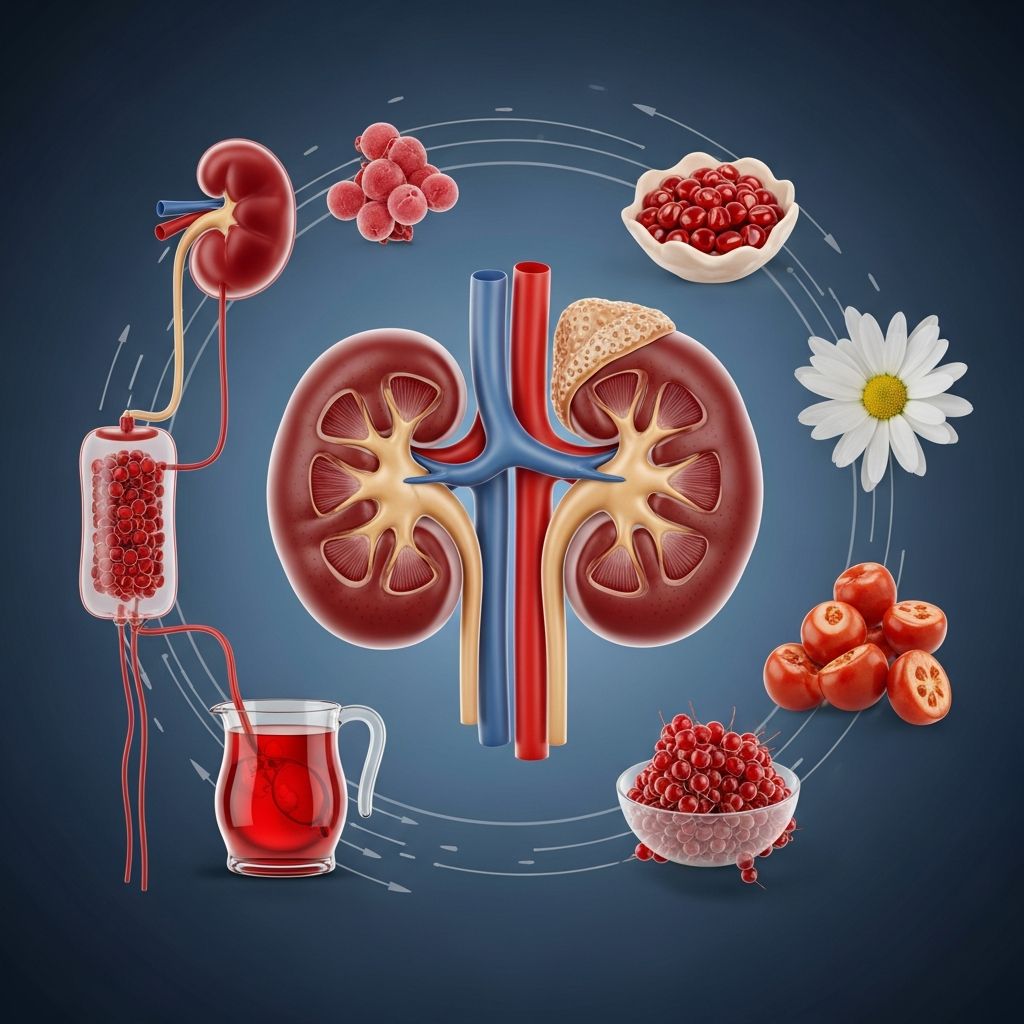
Kidney failure, also known as renal failure, occurs when the kidneys lose their ability to filter waste products from the blood effectively. This life-threatening condition can develop suddenly (acute kidney injury) or progressively over time (chronic kidney disease). According to the National Kidney Foundation, more than 37 million adults in the U.S. have kidney disease, and over 800,000 people live with kidney failure. Understanding the causes is crucial for prevention and early intervention.
The kidneys perform vital functions, including filtering blood, regulating blood pressure, balancing electrolytes, and producing hormones. When damaged, toxins build up, leading to symptoms like fatigue, swelling, nausea, and shortness of breath. This article explores the primary causes of kidney failure, risk factors, symptoms, diagnosis, treatment, and prevention strategies.
Acute vs. Chronic Kidney Failure
Kidney failure is classified into two main types: acute kidney injury (AKI) and chronic kidney disease (CKD). AKI develops rapidly, often within hours or days, and can be reversible with prompt treatment. CKD progresses slowly over months or years, often leading to end-stage renal disease (ESRD).
- Acute Kidney Injury (AKI): Sudden loss of kidney function, often due to dehydration, infection, or medication toxicity. Reversible in 50-70% of cases if addressed early.
- Chronic Kidney Disease (CKD): Gradual decline in kidney function, typically stages 1-5, with stage 5 being ESRD requiring dialysis or transplant.
Distinguishing between AKI and CKD is essential for appropriate management. AKI accounts for about 10-15% of hospital admissions, while CKD affects 14% of the U.S. population.
Diabetes: The Leading Cause
Diabetes, particularly type 2, is the number one cause of kidney failure, responsible for nearly 45% of cases in the U.S. High blood sugar levels damage the kidneys’ filtering units (glomeruli), leading to diabetic nephropathy.
Over time, excess glucose causes inflammation and scarring in the kidneys. Early signs include microalbuminuria (small amounts of protein in urine). Without blood sugar control, this progresses to overt proteinuria, declining glomerular filtration rate (GFR), and ESRD.
Key statistics from the Centers for Disease Control and Prevention (CDC) show that 1 in 3 adults with diabetes has CKD. African Americans, Hispanics, and Native Americans face higher risks.
- Risk factors: Poor glycemic control (HbA1c >7%), duration of diabetes >10 years, hypertension.
- Prevention: Maintain HbA1c <7%, regular screening with urine albumin-to-creatinine ratio (ACR) and estimated GFR (eGFR).
High Blood Pressure (Hypertension)
Hypertension is the second leading cause, contributing to 30% of kidney failure cases. Chronically elevated blood pressure damages the delicate blood vessels in the kidneys, leading to hypertensive nephrosclerosis.
The kidneys regulate blood pressure via the renin-angiotensin-aldosterone system (RAAS). When damaged, this system becomes dysregulated, creating a vicious cycle of worsening hypertension and kidney damage.
Sustained systolic blood pressure >140 mmHg or diastolic >90 mmHg accelerates kidney injury. African Americans develop hypertensive kidney disease at younger ages and more severely.
| Blood Pressure Category | Systolic (mmHg) | Diastolic (mmHg) | Kidney Risk |
|---|---|---|---|
| Normal | <120 | <80 | Low |
| Elevated | 120-129 | <80 | Moderate |
| Stage 1 Hypertension | 130-139 | 80-89 | High |
| Stage 2 Hypertension | ≥140 | ≥90 | Very High |
Related Stories



Glomerulonephritis
Glomerulonephritis (GN) encompasses a group of diseases that inflame the glomeruli. This third leading cause accounts for 10-15% of kidney failure cases. Common types include IgA nephropathy, lupus nephritis, and post-streptococcal GN.
Inflammation leads to proteinuria, hematuria, and reduced GFR. IgA nephropathy, the most common primary GN, often presents with recurrent gross hematuria following upper respiratory infections.
- Post-infectious GN: Follows bacterial infections like strep throat.
- Lupus nephritis: Affects 40-60% of systemic lupus erythematosus patients.
- Membranous nephropathy: Common in adults, associated with autoantibodies.
Treatment involves immunosuppression, blood pressure control, and RAAS inhibitors like ACE inhibitors or ARBs.
Polycystic Kidney Disease (PKD)
PKD is the most common inherited kidney disease, affecting 600,000 Americans. Multiple fluid-filled cysts progressively enlarge the kidneys, compressing normal tissue and impairing function.
Autosomal dominant PKD (ADPKD), caused by PKD1/PKD2 mutations, typically presents in adulthood. Symptoms include flank pain, hematuria, hypertension, and palpable kidneys.
By age 60, 50% of ADPKD patients reach ESRD. Management includes tolvaptan (vasopressin antagonist), blood pressure control, and pain management. Kidney transplantation offers the best outcomes.
Other Important Causes
Obstructive Uropathy
Blockages in the urinary tract prevent urine flow, causing back-pressure damage. Common causes include kidney stones, enlarged prostate (BPH), and tumors.
- Stones cause 5-10% of AKI cases.
- BPH affects 50% of men over 60.
Acute Tubular Necrosis (ATN)
ATN, the most common cause of intrinsic AKI, results from ischemia (low blood flow) or nephrotoxins. Common culprits: aminoglycosides, NSAIDs, contrast dye.
Interstitial Nephritis
Drug-induced acute interstitial nephritis (AIN) features eosinophil infiltration. Common offenders: proton pump inhibitors, antibiotics.
Systemic Diseases
- Multiple myeloma: Light chain deposition damages tubules.
- SLE: Lupus nephritis classes III-V.
- ANCA vasculitis: Rapidly progressive GN.
Risk Factors for Kidney Failure
Several factors increase susceptibility:
- Age: Risk doubles after age 60.
- Family history: Genetic predisposition in PKD, APOL1 variants.
- Race/ethnicity: Higher rates in Black, Hispanic, Native American populations.
- Obesity: Increases diabetes/hypertension risk.
- Smoking: Accelerates CKD progression.
- Low birth weight: Associated with fewer nephrons.
Symptoms of Kidney Failure
Early CKD is often silent. As GFR falls below 30 mL/min/1.73m², symptoms emerge:
- Early: Fatigue, mild anemia, nocturia.
- Moderate: Edema, hypertension, bone pain (hyperphosphatemia).
- Advanced (ESRD): Uremia (nausea, pruritus, confusion), pericarditis, seizures.
Diagnosis and Staging
Diagnosis involves:
- Blood tests: Serum creatinine, BUN, eGFR.
- Urine tests: Urinalysis, ACR, 24-hour protein.
- Imaging: Ultrasound, CT for structural abnormalities.
- Biopsy: Gold standard for glomerular diseases.
CKD staging (KDIGO guidelines):
| Stage | eGFR (mL/min/1.73m²) | Description |
|---|---|---|
| 1 | ≥90 | Kidney damage with normal GFR |
| 2 | 60-89 | Mild decrease |
| 3a | 45-59 | Mild-moderate |
| 3b | 30-44 | Moderate-severe |
| 4 | 15-29 | Severe |
| 5 | <15 | Kidney failure |
Treatment Options
Treatment targets underlying causes and slows progression:
- Conservative: BP control (<130/80 mmHg), SGLT2 inhibitors, finerenone for diabetic CKD.
- Dialysis: Hemodialysis (3x/week) or peritoneal dialysis.
- Transplantation: 5-year graft survival ~85%.
Prevention Strategies
- Control diabetes (HbA1c <7%).
- Maintain BP <130/80 mmHg.
- Avoid nephrotoxins, stay hydrated.
- Regular screening for at-risk individuals.
- Healthy lifestyle: Low-sodium diet, exercise, no smoking.
Frequently Asked Questions (FAQs)
Can kidney failure be reversed?
Acute kidney injury is often reversible with prompt treatment, but chronic kidney disease progression can only be slowed, not reversed.
Who is at highest risk for kidney failure?
People with diabetes, hypertension, family history of kidney disease, and certain racial/ethnic groups (Black, Hispanic, Native American).
What foods should I avoid with kidney disease?
Limit sodium, potassium, phosphorus, and protein. Avoid processed foods, bananas, dairy, and colas.
How often should I get screened for kidney disease?
Annual screening for those with diabetes, hypertension, or family history. Urine ACR and blood creatinine/eGFR.
Is kidney failure painful?
Early stages usually aren’t painful. Advanced uremia can cause itching, muscle cramps, and bone pain.
References
- Chronic Kidney Disease in the United States, 2023 — Centers for Disease Control and Prevention. 2023-03-01. https://www.cdc.gov/kidneydisease/publications-resources/ckd-national-facts.html
- Kidney Disease Statistics — National Kidney Foundation. 2024-10-15. https://www.kidney.org/kidney-topics/kidney-disease-statistics
- KDIGO 2024 Clinical Practice Guideline for Chronic Kidney Disease — Kidney Disease: Improving Global Outcomes. 2024-04-01. https://kdigo.org/guidelines/ckd-evaluation-and-management/
- United States Renal Data System 2024 Annual Data Report — National Institutes of Health. 2024-06-30. https://usrds.org/annual-data-report/
- Polycystic Kidney Disease — National Institute of Diabetes and Digestive and Kidney Diseases. 2023-11-15. https://www.niddk.nih.gov/health-information/kidney-disease/polycystic-kidney-disease
- High Blood Pressure & Kidney Disease — National Heart, Lung, and Blood Institute. 2024-02-20. https://www.nhlbi.nih.gov/health/high-blood-pressure-and-kidney-disease
Similar Articles








Read full bio of Sneha Tete