Noisy Joints: 5 Ways To Keep Them Quiet And Healthy
Discover why your joints crack, pop, and creak—and when noisy joints signal arthritis or other issues needing attention.
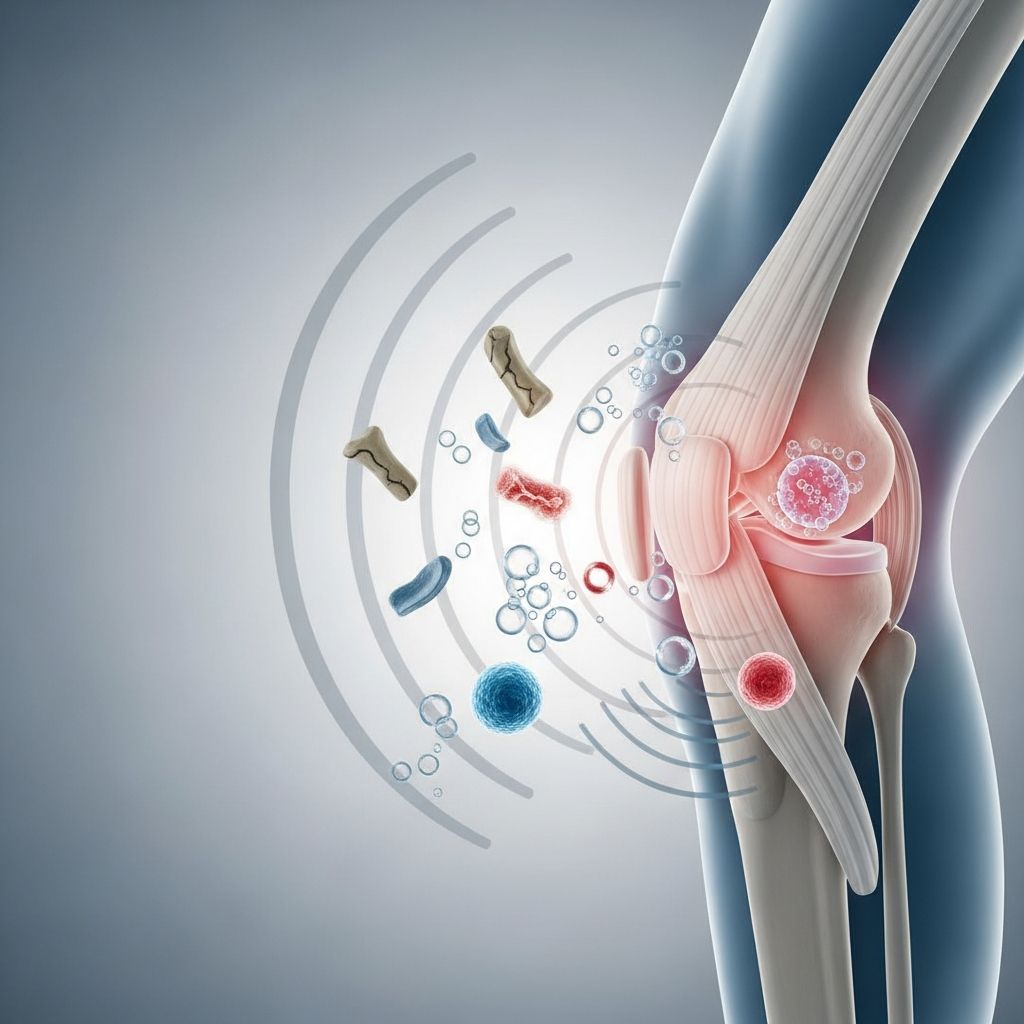
Joints that crack, pop, snap, or grind are common experiences for many people. These sounds, medically known as crepitus, often occur in the knees, knuckles, ankles, shoulders, and hips during everyday movements like standing, walking, or stretching. While most joint noises are harmless, some may indicate underlying issues such as arthritis or injury. This article breaks down the science behind noisy joints, differentiates benign from problematic sounds, and offers practical advice for maintaining joint health.
Why Do Joints Crack, Pop, Snap, and Make Other Noises?
The human body contains synovial joints, which are surrounded by a capsule filled with synovial fluid—a thick lubricant containing gases like nitrogen, oxygen, and carbon dioxide. When you move a joint, such as cracking your knuckles, the sudden drop in pressure within the joint causes these dissolved gases to form bubbles that rapidly collapse, producing a popping or cracking sound. This phenomenon, called cavitation, is entirely normal and painless.
Tendons and ligaments, which connect muscles to bones and stabilize joints, can also contribute to noises. As joints flex and extend, these structures may briefly glide over bony prominences and snap back into place, creating a snapping or clicking sound. This is particularly noticeable in the knees when rising from a chair or climbing stairs.
Friction between cartilage surfaces or soft tissues can produce grinding or creaking sensations, especially if minor wear has occurred due to aging. However, as long as there’s no pain, swelling, or limited motion, these sounds pose no threat.
Joint Crepitus: What Is It and Is It Harmful?
Crepitus refers to any audible or palpable noise from a joint during movement, ranging from subtle crackling to loud pops. In healthy joints, crepitus stems from the mechanisms described above—gas bubbles or tendon snaps—and is benign. Studies show no long-term damage from habitual knuckle-cracking; one long-term observation found only slightly reduced grip strength in chronic crackers, but no arthritis link.
However, persistent crepitus accompanied by symptoms warrants attention. Research from Baylor College of Medicine tracked thousands without initial knee pain; those with noisy knees (crepitus) were three times more likely to develop symptomatic arthritis within three years, especially if X-rays showed joint space narrowing. Crepitus in this context signals early cartilage breakdown, where roughened bone ends grate together.
Noisy Joints and Arthritis: Is There a Connection?
Arthritis, particularly osteoarthritis (OA), is the leading cause of painful noisy joints. OA affects over 58.5 million U.S. adults, or 25% of the population, rising with age as cartilage—a smooth, slippery protective layer—wears away, exposing bone. Without cartilage, bones grind (bone-on-bone), causing crepitus, pain, stiffness, and swelling. Knees are most commonly affected, but hands, hips, and spine can also be involved.
- Osteoarthritis (OA): Most prevalent in those over 65, triggered by age, obesity, prior injuries, or genetics. Women are at higher risk for knee OA.
- Rheumatoid Arthritis (RA): An autoimmune condition causing joint inflammation; noisy joints may occur but are less common than in OA.
- Post-Traumatic Arthritis: Develops after injuries like meniscus tears, common in older adults.
Related Stories



Painful crepitus often feels like grinding or catching, unlike the sharp pop of gas release. Early intervention with weight management, exercise, and anti-inflammatories can slow progression.
Other Causes of Painful Joint Noises
Beyond arthritis, several conditions produce painful pops or cracks:
| Condition | Description | Common Locations | Symptoms |
|---|---|---|---|
| Meniscus Tear | Torn knee cartilage flips in/out, causing locking/popping | Knee | Pain, swelling, instability |
| Bursitis | Inflamed fluid sacs cushioning joints | Shoulder, knee, elbow | Painful creaking, tenderness |
| Tendinitis | Inflamed tendons from overuse | Elbow, wrist, heel | Popping with movement, weakness |
| Ligament Issues | Stretched/teared stabilizers | Ankle, knee | Snapping, giving way |
Aging naturally thins cartilage and synovial fluid, increasing friction-based noises. Obesity exacerbates this by overloading weight-bearing joints.
When to See a Doctor for Noisy Joints
Benign crepitus needs no treatment, but consult a doctor if:
- Pain, swelling, or redness accompanies noises.
- Joint locks, catches, or loses range of motion.
- Symptoms persist >2 weeks or worsen with activity.
- You’re over 50 or have risk factors like obesity/injury.
Diagnosis may involve physical exams, X-rays, or MRI to detect cartilage loss or tears. Early detection prevents irreversible damage.
5 Ways to Keep Joints Quiet and Healthy
While you can’t eliminate all noises, lifestyle changes reduce friction and inflammation:
- Maintain Healthy Weight: Every pound shed eases 4 pounds of knee pressure.
- Exercise Regularly: Low-impact activities like swimming, cycling, or yoga build strength and lubricate joints.
- Stay Hydrated and Eat Anti-Inflammatory Foods: Omega-3s (fish, nuts), antioxidants (berries, greens) support synovial fluid.
- Warm-Up Before Activity: Increases blood flow, reducing tendon snaps.
- Use Proper Form: Avoid repetitive stress; consider physical therapy for imbalances.
Supplements like glucosamine may help some, but evidence varies—discuss with a provider.
Frequently Asked Questions (FAQs)
Is cracking my knuckles bad for me?
No, it doesn’t cause arthritis, though it may slightly reduce grip strength over decades.
Why do my knees crack when I squat?
Gas bubbles or tendons snapping over bone; painful cracking suggests meniscus or OA issues.
Does joint popping mean I’m getting arthritis?
Not always, but frequent knee crepitus triples risk if X-rays show changes.
Can exercise make noisy joints worse?
High-impact can, but low-impact strengthens and protects.
At what age do joints start getting noisy?
Often in 30s-40s from wear; worsens post-65 with cartilage loss.
References
- Why Do My Joints Make Noise? — Franciscan Health. 2023-05-15. https://www.franciscanhealth.org/community/blog/noisy-joints
- Snap, Crackle, Pop: Why Our Joints Make Noise — Orlando Health. 2024-02-20. https://www.orlandohealth.com/content-hub/snap-crackle-pop-why-our-joints-make-noise/
- Cracking, Popping Joints May Foretell Arthritis — The Rheumatologist (Reuters). 2023-11-10. https://www.the-rheumatologist.org/article/cracking-popping-joints-may-foretell-arthritis/
- What makes joints pop and crack and is it a sign of disease? — Arthritis WA. 2020-02-27. https://www.arthritiswa.org.au/2020/02/27/what-makes-joints-pop-and-crack-and-is-it-a-sign-of-disease/
- Osteoarthritis: Symptoms, Diagnosis, and Treatment — Arthritis Foundation. 2025-01-05. https://www.arthritis.org/diseases/osteoarthritis
- When Knee Pain May Mean Arthritis — Arthritis Foundation. 2024-08-12. https://www.arthritis.org/health-wellness/about-arthritis/where-it-hurts/when-knee-pain-may-mean-arthritis
Similar Articles








Read full bio of medha deb