What Causes Painful Sex: Conditions and Treatments
Understanding dyspareunia: Common causes of painful intercourse and effective treatment options.

Understanding Painful Sex: Causes, Symptoms, and Solutions
Sexual intimacy should be a source of pleasure and connection, yet many individuals experience pain during or after sexual activity. This condition, medically known as dyspareunia, affects a significant portion of the population. According to healthcare professionals, nearly 75% of women report experiencing painful sex at some point in their lives, while men also experience this issue with varying frequencies. The good news is that painful sex is often treatable once the underlying cause is identified.
Pain during sexual activity can manifest in different ways and at different times. Some people experience discomfort before intercourse begins, while others feel pain during penetration or after sexual activity concludes. Understanding the specific nature of your pain and its potential causes is the first step toward finding effective relief.
What Is Dyspareunia?
Dyspareunia is the medical term for persistent or recurrent pain experienced before, during, or after sexual intercourse. This condition can significantly impact quality of life, intimate relationships, and overall well-being. To receive a formal diagnosis of dyspareunia, symptoms typically need to persist for at least three months and cause sufficient distress to affect personal life, self-esteem, or relationships.
The pain associated with dyspareunia can be felt in various locations. Some individuals experience localized discomfort in their genitals—such as the vulva, vagina, or penis—while others report pain in broader areas including the lower back or pelvic region. The characteristics of the pain can vary significantly depending on its underlying cause.
Pain may occur during specific sexual activities, such as when a partner penetrates the vagina or anus, during penile penetration, at the moment of ejaculation, or during orgasm. Recognizing when the pain occurs and its specific characteristics provides valuable information for healthcare providers in determining the cause.
Common Causes of Painful Sex
Multiple factors can contribute to painful sexual experiences. These causes range from easily treatable infections to more complex anatomical or hormonal conditions. Understanding these potential causes helps individuals and their healthcare providers work together toward effective solutions.
Infections and Sexually Transmitted Infections
Sexually transmitted infections (STIs) represent one of the most common causes of sexual pain. Infections such as chlamydia, gonorrhea, and herpes can create inflammation and cause painful sores on the genitals and inside the body. This inflammation directly contributes to discomfort during sexual activity. Additionally, bacterial or fungal infections can cause vulvovaginitis, characterized by irritation of the vulva and vagina, along with discharge, itching, and pain during intercourse. Urethritis and urethral syndrome, involving inflammation of the urethra, also cause dyspareunia and are often triggered by sexually transmitted diseases, hormonal changes, or injury.
Hormonal Changes and Vaginal Atrophy
Hormonal fluctuations play a significant role in sexual comfort. As women approach perimenopause and menopause, estrogen levels decline substantially. Estrogen is crucial for maintaining a thick, moist vaginal lining. This drop in estrogen leads to vaginal atrophy—a condition where the vaginal lining becomes thinner and drier. Similar hormonal changes can occur after childbirth, during breastfeeding, or following certain cancer treatments or removal of the ovaries. These hormonal transitions create an environment conducive to painful intercourse, often compounded by inadequate lubrication.
Inadequate Lubrication
Proper lubrication is essential for comfortable sexual experiences. When natural lubrication is insufficient, friction during penetration increases significantly, leading to pain and discomfort. Inadequate lubrication can result from insufficient sexual arousal or foreplay, hormonal changes related to menopause or breastfeeding, or side effects from medications. Common medications that reduce lubrication include antihistamines, certain birth control pills, high blood pressure medications, and antidepressants.
Related Stories



Vaginismus and Pelvic Floor Dysfunction
Vaginismus is a condition in which the muscles of the vagina involuntarily contract upon penetration or attempted penetration. These involuntary muscle spasms can range from mild to severe, making intercourse difficult and painful. Vaginismus may be primary (occurring from the first attempt at penetration) or secondary (developing after a period of pain-free intercourse). This condition often becomes worse when complicated by bladder infections, yeast infections, or urinary tract infections.
Vaginal Stricture and Scar Tissue
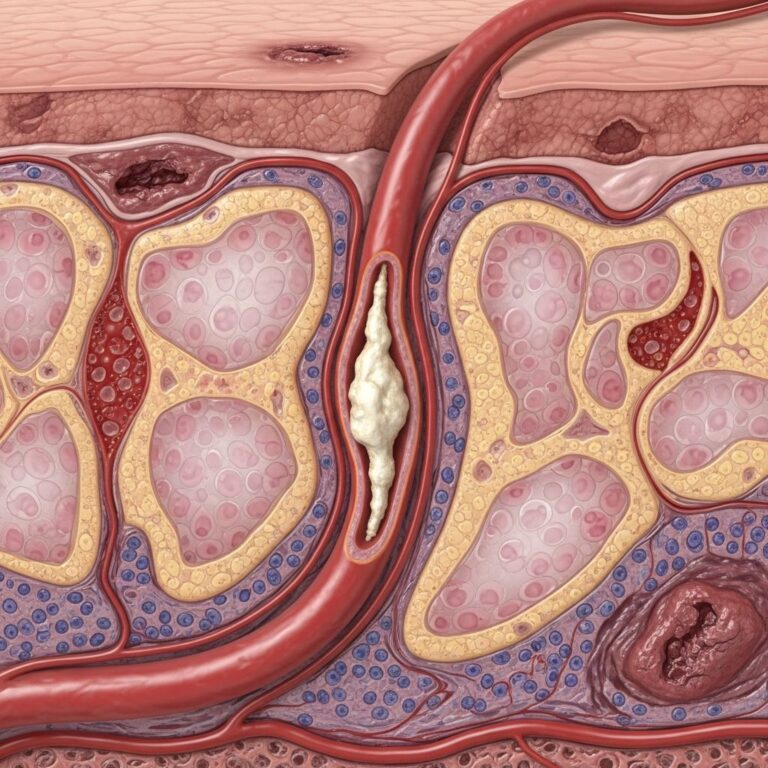
Vaginal stricture, also known as vaginal stenosis, develops when scar tissue forms within the vagina. This scarring typically results from pelvic surgery, radiation therapy in the pelvic region, or childbirth complications. Scar tissue is stiffer than healthy tissue and lacks elasticity, which shortens and narrows the vaginal canal, making intercourse painful. Similarly, pelvic adhesions—bands of scar tissue that develop following pelvic surgery, pelvic inflammatory disease, or endometriosis—can cause significant pain during sexual activity if the scarring becomes extensive.
Endometriosis and Uterine Conditions
Endometriosis occurs when tissue similar to the uterine lining attaches and grows on pelvic organs, including the uterus, ovaries, and fallopian tubes. Growths from endometriosis tissue irritate nearby organs and can cause scarring, resulting in pain during or after sexual intercourse. Fibroids, which are noncancerous growths within the uterus, similarly cause discomfort and pain during sexual activity. Uterine prolapse, where the uterus descends into the vaginal canal due to weakened pelvic floor muscles, can also contribute to dyspareunia.
Ovarian Cysts
Ovarian cysts are growths that form in or on the ovaries. While typically painless and benign, cysts can cause dyspareunia, particularly if their size or position puts pressure on surrounding tissues during sexual activity.
Pelvic Inflammatory Disease
Pelvic inflammatory disease (PID) is a severe infection of the reproductive system affecting the ovaries, uterus, and fallopian tubes. Most commonly resulting from untreated sexually transmitted infections, PID initially may present with mild or subtle symptoms, but painful intercourse is a characteristic sign. This serious condition requires prompt medical attention.
Prostate and Genital Structure Issues
In men, painful sex can result from a swollen or inflamed prostate gland, a condition called prostatitis. This inflammation causes pain during intercourse or ejaculation. Additionally, if the foreskin on the penis is abnormally tight, this can cause pain during penetration.
Gastrointestinal and Bladder Issues
Constipation can contribute to sexual pain by causing abdominal fullness and discomfort that intensifies during sexual activity. Interstitial cystitis, characterized by inflammation and irritation of the bladder wall, also causes dyspareunia. While the exact cause of interstitial cystitis remains unknown, certain foods and beverages—including acidic and spicy foods, potassium-rich items, caffeinated and carbonated drinks, and alcohol—can worsen symptoms.
Genital Irritation
Irritation of the genital area from personal care products can cause painful sexual experiences. Many common soaps, lotions, and lubricants contain ingredients that irritate sensitive genital skin. If the skin on the penis or vagina becomes irritated, sexual activity becomes uncomfortable and painful.
When to Seek Medical Help
While occasional discomfort during sex may occur, persistent pain warrants professional evaluation. Consult a healthcare provider if you experience any of the following:
- Pain during sexual activity lasting more than a few months
- Pain that affects your self-esteem, personal life, or relationships
- Anxiety or fear about sexual intercourse
- Pain that worsens over time
- Severe or debilitating pain during or after sexual activity
Your primary care provider can often diagnose and treat the underlying cause of sexual pain. In some cases, they may refer you to a sexual health specialist—a licensed healthcare professional with additional training in diagnosing and treating sexual problems, including various types of dyspareunia.
Diagnosis and Treatment Approaches
The treatment for painful sex depends entirely on identifying the underlying cause. Your healthcare provider will conduct a thorough medical history, perform a physical examination, and possibly order diagnostic tests to determine what’s causing your pain. Once the cause is identified, treatment options become more targeted and effective.
For infections, antibiotics or antifungal medications may resolve the problem. Hormonal causes might be addressed through hormone replacement therapy or vaginal estrogen treatments. Inadequate lubrication can often be managed with water-based or silicone-based lubricants and increased foreplay. Structural or anatomical issues may require physical therapy, medical devices, or in some cases, surgical intervention.
Psychological factors such as anxiety, trauma, or relationship difficulties also contribute to sexual pain and should be addressed through counseling or therapy when relevant. Many sexual health specialists recommend a multifaceted approach that addresses both physical and emotional components of the condition.
The Emotional and Psychological Impact
Beyond the physical discomfort, persistent sexual pain significantly impacts psychological well-being. Research shows that painful sex can lead to increased psychological distress, including depression and feelings of loneliness. The isolation many individuals experience due to embarrassment or difficulty discussing sexual concerns can worsen these emotional effects. This underscores the importance of open communication with healthcare providers and partners, as well as seeking appropriate professional support.
Frequently Asked Questions About Painful Sex
Q: Is pain during sex normal?
A: While nearly 75% of women experience pain during sex at some point, frequent and lasting pain is not normal and should be evaluated by a healthcare provider. Occasional discomfort may be manageable, but persistent pain typically indicates an underlying condition requiring treatment.
Q: What role do hormonal changes play in painful sex?
A: Hormonal changes, particularly decreasing estrogen levels during perimenopause and menopause, cause the vaginal lining to thin and dry (vaginal atrophy). This leads to decreased natural lubrication and increased friction during intercourse, resulting in pain. Hormonal changes after childbirth, during breastfeeding, and following certain cancer treatments can similarly affect sexual comfort.
Q: Can dyspareunia be cured?
A: Many causes of painful sex are highly treatable once identified. Infections respond to medications, hormonal issues can be addressed with hormone therapy, inadequate lubrication can be managed with products and techniques, and many structural problems have effective medical or surgical solutions. The key is obtaining a proper diagnosis.
Q: Should I tell my partner about painful sex?
A: Yes, open communication with your partner is important. They can provide support, help adjust activities, and understand that the issue is not personal. Additionally, some causes of pain (such as infections) require your partner to seek treatment as well.
Q: What types of healthcare providers treat painful sex?
A: Your primary care physician can often diagnose and treat dyspareunia. However, sexual health specialists—including gynecologists, urologists, sex therapists, and other licensed professionals with specialized training—can provide expert evaluation and targeted treatment for complex cases.
Moving Forward With Treatment
Painful sex does not need to be accepted as an inevitable part of life. With proper diagnosis and treatment, most individuals can resume enjoyable sexual activity. The first step is recognizing that the problem exists and seeking professional guidance without shame or embarrassment. Your healthcare provider has helped many patients with similar concerns and can provide effective solutions tailored to your specific situation. Taking action to address painful sex improves not only physical comfort but also emotional well-being and relationship satisfaction.
References
- Why It Suddenly Hurts to Have Sex: Dyspareunia Explained — GoodRx. 2024. https://www.goodrx.com/health-topic/sexual-health/pain-during-sex
- Pain During Sex: Causes and Treatments — WebMD. 2024. https://www.webmd.com/sexual-conditions/pain-during-intercourse-treatment
- Temporal Relationships Between Pain During Intercourse and Major Depressive Disorder — National Center for Biotechnology Information (NCBI). 2021. https://pubmed.ncbi.nlm.nih.gov/34649130/
- Sex-based Differences in Pain Perception and Treatment — Johns Hopkins University Research. https://pure.johnshopkins.edu/en/publications/sex-based-differences-in-pain-perception-and-treatment-4/
- Risk Factors for Sexual Pain Among Physically Active Women — Johns Hopkins University Research. https://pure.johnshopkins.edu/en/publications/risk-factors-for-sexual-pain-among-physically-active-women
Similar Articles








Read full bio of Sneha Tete