What Causes Postpartum Depression? Expert Insights
Unraveling the complex causes of postpartum depression, from hormonal shifts to biological impairments and emotional stressors.
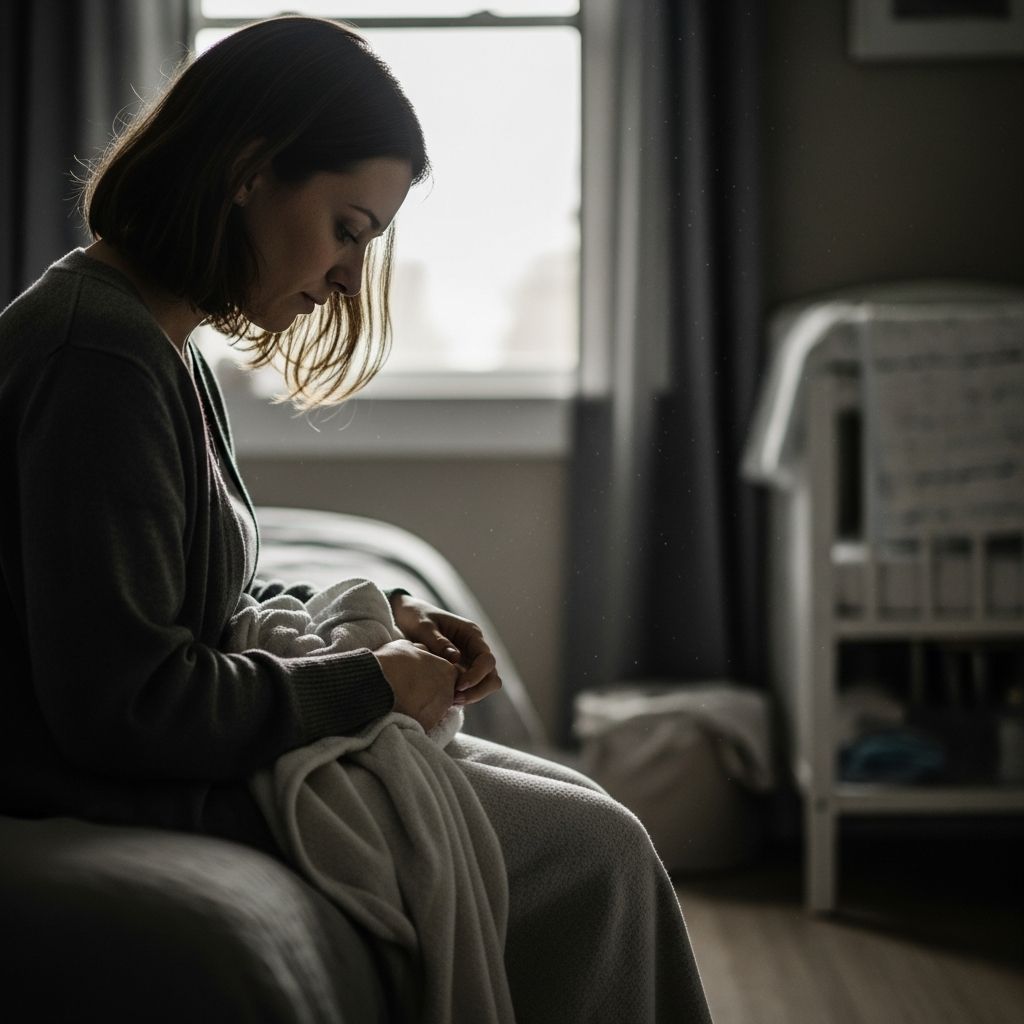
Postpartum depression (PPD) is a serious mood disorder affecting approximately 1 in 7 new mothers, characterized by persistent sadness, anxiety, and difficulty bonding with the baby. Unlike the temporary “baby blues” experienced by up to 75% of women, PPD involves more severe, longer-lasting symptoms that can interfere with daily life and maternal-infant bonding.
What Is Postpartum Depression?
Postpartum depression emerges after childbirth, often within the first few weeks but sometimes up to a year later, causing extreme sadness, despair, irritability, and fatigue. It impacts about 15% of new mothers, with symptoms ranging from mild to severe, including mood swings, excessive crying, loss of appetite, insomnia, overwhelming tiredness, and feelings of worthlessness or guilt.
Distinguishing PPD from baby blues is crucial: baby blues symptoms are milder and resolve within 10 days, while PPD persists for weeks or months. In severe cases, it can progress to postpartum psychosis, affecting 1 in 1,000 women, marked by hallucinations, delusions, paranoia, and a high risk of suicide or harm to the baby, requiring immediate hospitalization.
Symptoms of Postpartum Depression
Recognizing PPD symptoms early is vital for timely intervention. Common signs include:
- Depressed mood or severe mood swings
- Excessive crying or difficulty bonding with the baby
- Withdrawal from family and friends
- Loss of appetite or overeating
- Insomnia or excessive sleeping
- Overwhelming fatigue and loss of energy
- Reduced interest in previously enjoyable activities
- Intense irritability, anger, or anxiety
- Fears of being a bad mother, hopelessness, or worthlessness
- Difficulty concentrating, restlessness, or panic attacks
- Thoughts of self-harm, harming the baby, death, or suicide
These symptoms, if lasting more than two weeks, signal PPD rather than transient adjustment. Untreated, they can endure for months, exacerbating risks like interrupted breastfeeding and chronic depression.
How Common Is Postpartum Depression?
PPD affects 10-20% of new mothers worldwide, with up to 20% of postpartum maternal deaths linked to suicide. In the U.S., about 7.2% of women report depressive symptoms at 9-10 months postpartum, many without earlier detection. Recurrence risk rises to 30% in subsequent pregnancies. Globally, underdiagnosis remains a challenge, particularly in underserved populations.
Risk Factors for Postpartum Depression
No single cause explains PPD, but multiple risk factors converge. These include:
- Personal history: Prior depression, anxiety, or PPD increases vulnerability.
- Family history: Genetic predisposition, especially major depression in relatives.
- Physical health: Thyroid hormone drops, diabetes, or difficult pregnancies.
- Social factors: Lack of support, relationship stress, young maternal age, or financial strain.
- Life stressors: Sleep deprivation, identity shifts, or overwhelming newborn care responsibilities.
| Risk Factor | Prevalence Impact | Source |
|---|---|---|
| Prior mental health issues | 30% recurrence risk | |
| Family history of depression | Significantly elevated risk | |
| Sleep deprivation & stress | Common trigger | |
| Age under 25 | Higher incidence |
Biological Causes of Postpartum Depression
Recent research uncovers biological underpinnings. A key discovery from UVA Health, Johns Hopkins, and Weill Cornell reveals impaired autophagy—the body’s process for clearing old genetic material and cellular debris—in women developing PPD. This deficit precedes symptoms, altering extracellular RNA communication in immune cells and causing toxicity linked to depression.
Hormonal shifts post-delivery also play a role: sharp drops in estrogen, progesterone, and thyroid hormones contribute to fatigue, sluggishness, and mood instability. These physical changes, combined with genetic factors, suggest PPD as a neurobiological disorder rather than mere emotional weakness.
Related Stories



Emotional and Psychological Causes
Beyond biology, emotional stressors amplify risk. New mothers often face sleep deprivation, identity loss, diminished self-image, and anxiety over caregiving abilities. Overwhelm from minor problems, coupled with isolation, fosters irritability, guilt, and detachment. Studies show depressed mothers exhibit higher anxiety, lower self-esteem, anger dysregulation, and reduced responsiveness to stimuli.
Impact on Mothers, Babies, and Families
Untreated PPD disrupts bonding, leading to cognitive, emotional, and social delays in children. Mothers face heightened suicide risk, chronic depression, and family strain. Long-term, it predicts future mental health issues, lower maternal happiness, and intergenerational effects. Babies of depressed mothers show poorer development outcomes, underscoring the need for early screening.
Diagnosis and When to Seek Help
Healthcare providers use tools like the Edinburgh Postnatal Depression Scale (EPDS) for screening. Seek help if symptoms persist beyond two weeks, intensify, or include suicidal thoughts. Emergency care is essential for psychosis signs like hallucinations or mania.
Treatment Options for Postpartum Depression
Effective treatments include:
- Psychotherapy: Cognitive behavioral therapy (CBT) addresses negative thoughts.
- Medications: Antidepressants safe for breastfeeding, like sertraline.
- Support: Groups, family involvement, and lifestyle adjustments (sleep, nutrition).
- Emerging: Autophagy-promoting drugs based on new research.
Early intervention yields high success rates, preventing complications.
Prevention Strategies
Risk identification via prenatal screening, social support networks, and education on symptoms can mitigate onset. Promoting sleep, balanced nutrition, and stress management aids resilience. Blood tests targeting autophagy deficits may soon enable preemptive care.
Frequently Asked Questions (FAQs)
Is postpartum depression the same as baby blues?
No. Baby blues are mild, short-lived (up to 10 days), while PPD is severe and prolonged.
Can breastfeeding mothers take antidepressants?
Yes, many SSRIs like sertraline are safe; consult your doctor.
How long does postpartum depression last?
With treatment, weeks to months; untreated, it may persist or recur.
Does postpartum depression affect the baby?
Yes, it can impair bonding and child development.
Can men experience postpartum depression?
Yes, paternal PPD affects 10% of new fathers, with similar symptoms. (Note: While focused on maternal PPD, paternal risks mirror many factors.)
Supporting a Loved One with Postpartum Depression
Offer non-judgmental listening, assist with baby care, encourage professional help, and validate feelings. Avoid minimizing symptoms.
References
- Scientists Discover Potential Biological Cause for Postpartum Depression — UVA Health. 2023 (approx., recent study). https://www.uvahealth.com/news/scientists-discover-potential-biological-causefor-postpartum-depression/
- Postpartum Depression: Causes, Symptoms & Treatment — Cleveland Clinic. 2024-10-15 (last updated). https://my.clevelandclinic.org/health/diseases/9312-postpartum-depression
- Postpartum Depression – Symptoms and Causes — Mayo Clinic. 2024-05-10 (last updated). https://www.mayoclinic.org/diseases-conditions/postpartum-depression/symptoms-causes/syc-20376617
- Impact of Postpartum Depression — Elevance Health. 2023. https://www.elevancehealth.com/our-approach-to-health/whole-health/postpartum-depression-impact-on-maternal-health
- Consequences of Maternal Postpartum Depression: A Systematic Review — PMC (NCBI). 2019-04-04. https://pmc.ncbi.nlm.nih.gov/articles/PMC6492376/
- Timing of Postpartum Depressive Symptoms — CDC. 2023. https://www.cdc.gov/pcd/issues/2023/23_0107.htm
Similar Articles








Read full bio of Sneha Tete