What Causes Seizures? Triggers, Risks, And Prevention
Understand the triggers, types, and risk factors behind seizures—from epilepsy to fevers and injuries.
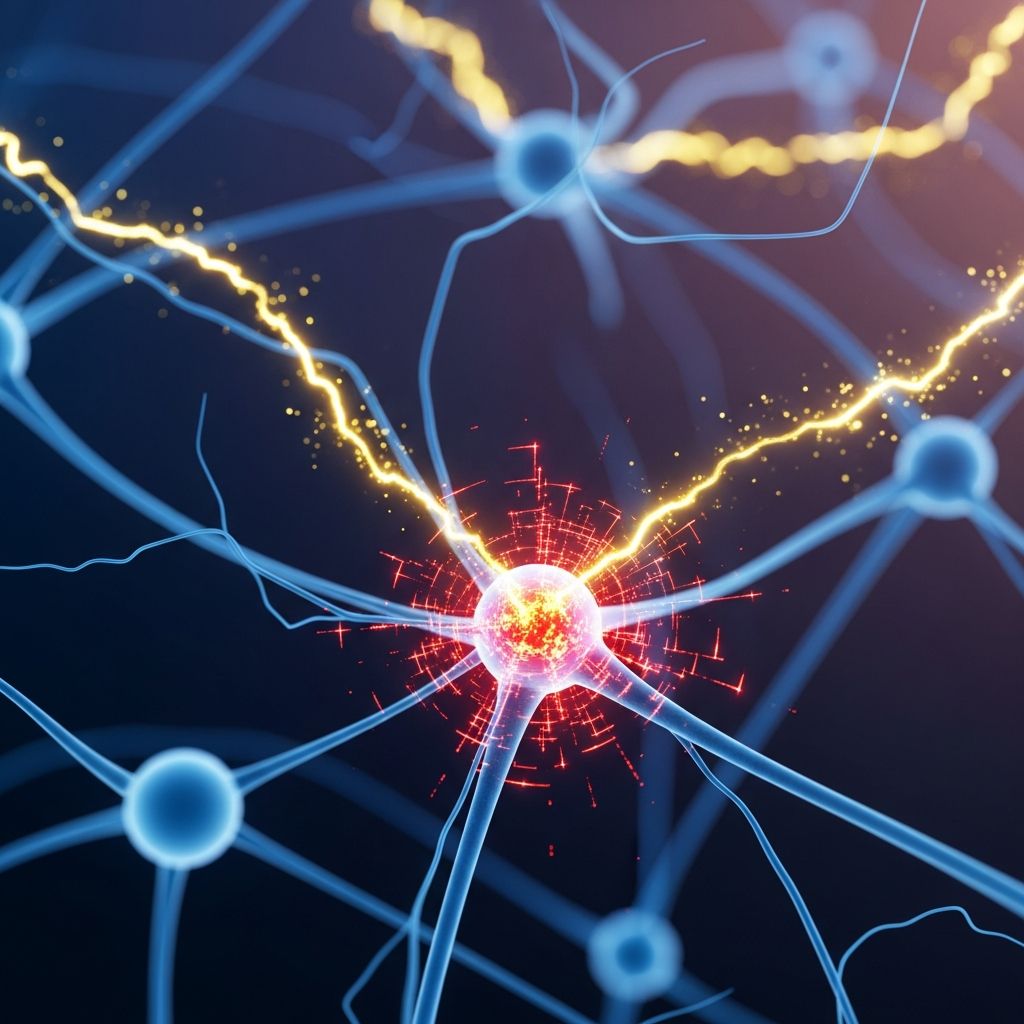
Seizures occur due to sudden, uncontrolled bursts of electrical activity in the brain that can lead to changes in behavior, movements, sensations, or consciousness. These episodes can stem from epilepsy or various temporary triggers like fevers, injuries, or infections, affecting people of all ages.
What Is a Seizure?
A seizure is a temporary disruption in the brain’s normal electrical activity, where neurons fire uncontrollably, overwhelming specific brain areas. This surge can cause symptoms ranging from subtle awareness changes to full-body convulsions. While often associated with epilepsy—a neurological disorder characterized by recurrent seizures—not all seizures indicate epilepsy; many are provoked by identifiable factors.
Seizures typically last from seconds to a few minutes. Most people recover fully afterward, but repeated or prolonged episodes may require medical evaluation to identify underlying issues. Up to 10% of people worldwide experience at least one seizure in their lifetime, highlighting their commonality.
Types of Seizures
Seizures are classified into two main categories: focal (starting in one brain area) and generalized (involving both sides of the brain from the onset). Unknown onset seizures occur when the start point isn’t identifiable. Classification guides treatment and prognosis.
Focal Seizures
Focal seizures originate in a specific brain region and may or may not impair awareness. Symptoms mimic other conditions like migraines or narcolepsy, including:
- Sudden sensory changes, such as unusual smells, tastes, or visual distortions.
- Emotional shifts like fear or déjà vu.
- Uncontrolled movements in one body part, such as twitching in a hand or leg.
- Impaired awareness, where the person stares blankly or performs repetitive actions (automatisms), like lip-smacking.
If focal seizures spread, they become focal-to-bilateral tonic-clonic seizures.
Generalized Seizures
These affect the entire brain simultaneously, often causing loss of consciousness. Subtypes include:
- Tonic seizures: Muscles stiffen, particularly in the back, arms, and legs, leading to falls.
- Atonic seizures: Sudden muscle tone loss, causing drops or ‘drop attacks.’Clonic seizures: Rhythmic jerking, usually in the neck, face, and arms.
- Myoclonic seizures: Brief jerks or twitches in arms and legs, without loss of consciousness.
- Tonic-clonic seizures: The classic ‘grand mal’ type—involves stiffening (tonic phase) followed by jerking (clonic phase), possible tongue-biting, incontinence, and post-seizure confusion.
Tonic-clonic seizures can evolve from focal ones and last several minutes.
Symptoms of Seizures
Symptoms vary by type but commonly include convulsions, staring spells, confusion, loss of awareness, and sensory disturbances. Other signs: drooling, rapid eye blinking, sudden falls, or unusual noises like grunting. Post-seizure fatigue or headache is frequent. Status epilepticus—seizures lasting over five minutes or recurring without recovery—is a medical emergency risking brain damage.
Causes of Seizures
Seizures arise when normal neuron communication fails due to genetic changes, structural issues, infections, or metabolic imbalances. Causes divide into epilepsy-related (unprovoked) and provoked (with clear triggers).
Epilepsy
Epilepsy involves recurrent unprovoked seizures from genetic mutations or brain abnormalities. Not all seizure patients have epilepsy; diagnosis requires at least two unprovoked events.
Provoked Seizures
These have identifiable triggers:
- High fever (febrile seizures): Common in children aged 6 months to 5 years, usually benign.
- Infections: Meningitis, encephalitis, or severe COVID-19.
- Electrolyte imbalances: Low blood sodium from diuretics or dehydration.
- Medications: Certain painkillers, antidepressants, or smoking cessation aids.
- Brain injury: Trauma, stroke, or tumors causing bleeding or swelling.
- Substance use: Alcohol withdrawal, binge drinking, cocaine, amphetamines.
- Sleep deprivation or stress.
Related Stories



Idiopathic seizures lack a known cause.
Risk Factors for Seizures
Certain conditions heighten seizure likelihood:
- Head injuries or brain trauma.
- Stroke or dementia like Alzheimer’s.
- Brain tumors or cognitive impairments.
- Family history of seizures or epilepsy.
- Alcohol/drug misuse.
Children and older adults face higher risks due to febrile seizures or cerebrovascular issues.
Triggers for Seizures
In those with epilepsy, triggers provoke episodes:
- Missed medications.
- Sleep deprivation.
- Stress or hormonal changes.
- Flashing lights or patterns (photosensitive epilepsy).
- Alcohol, caffeine, or illness.
Tracking triggers via a seizure diary aids management.
Complications of Seizures
Seizures pose risks including:
- Injuries: Falls causing fractures, head trauma, or drowning in water.
- Vehicle accidents: Loss of control while driving.
- Mental health issues: Higher rates of anxiety, depression from seizures or medications.
- SUDEP: Sudden unexpected death in epilepsy, linked to poorly controlled seizures.
- Status epilepticus: Prolonged seizures causing permanent damage.
Regular treatment reduces these risks.
Diagnosis of Seizures
Healthcare providers diagnose via:
- Medical history and witness accounts.
- EEG to detect abnormal brain waves.
- Brain imaging (MRI/CT) for structural issues.
- Blood tests for metabolic causes.
Finding a seizure focus guides targeted therapies.
Treatment and Management
Treatment aims to control frequency:
- Medications: Anti-seizure drugs like levetiracetam stabilize neuron activity; balancing efficacy and side effects is key.
- Diet: Ketogenic diet reduces seizures in some, especially children.
- Surgery: For focal epilepsy unresponsive to drugs.
- Devices: Vagus nerve stimulation.
Lifestyle adjustments include avoiding triggers and ensuring safety.
Prevention of Seizures
While not always preventable, strategies include:
- Adequate sleep and stress management.
- Avoiding alcohol/drugs.
- Medication adherence.
- Protecting against head injuries (helmets).
- Seizure alerts for high-risk activities like driving.
Post-seizure, ensure safety without unnecessary ambulance calls unless prolonged or injured.
Frequently Asked Questions (FAQs)
What should I do if someone has a seizure?
Clear space, cushion their head, time the seizure, and turn them on their side post-convulsion. Call emergency services if it lasts over 5 minutes, repeats, or breathing issues occur.
Can seizures be cured?
Many achieve seizure freedom with medication (60-70%); surgery cures some focal cases. Prognosis varies by cause and type.
Are seizures only in children?
No, they affect all ages. Childhood febrile seizures are common, while adults face injury- or stroke-related ones.
Do all seizures involve convulsions?
No, many are subtle like staring or brief jerks without shaking.
Can stress cause seizures?
Stress is a trigger in epilepsy but rarely causes first seizures alone.
References
- Seizures – Symptoms and causes — Mayo Clinic Staff. 2024-11-01. https://www.mayoclinic.org/diseases-conditions/seizure/symptoms-causes/syc-20365711
- Seizure: What It Is, Causes, Symptoms, Treatment & Types — Cleveland Clinic. Accessed 2026. https://my.clevelandclinic.org/health/diseases/22789-seizure
Similar Articles








Read full bio of medha deb