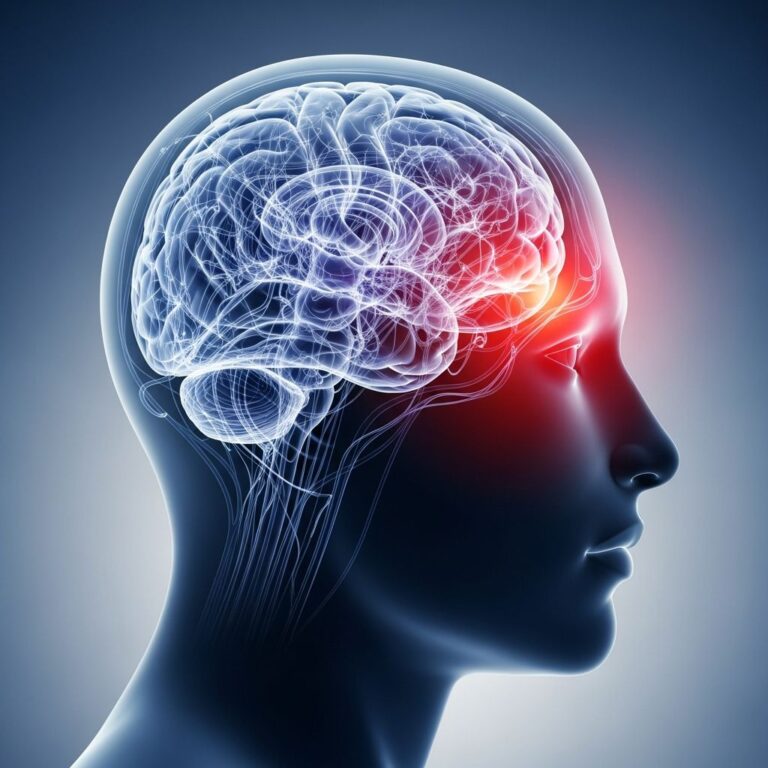
What Causes Sleepwalking: 5 Common Triggers
Uncover the triggers, risks, and treatments for sleepwalking in children and adults to improve sleep safety and quality.
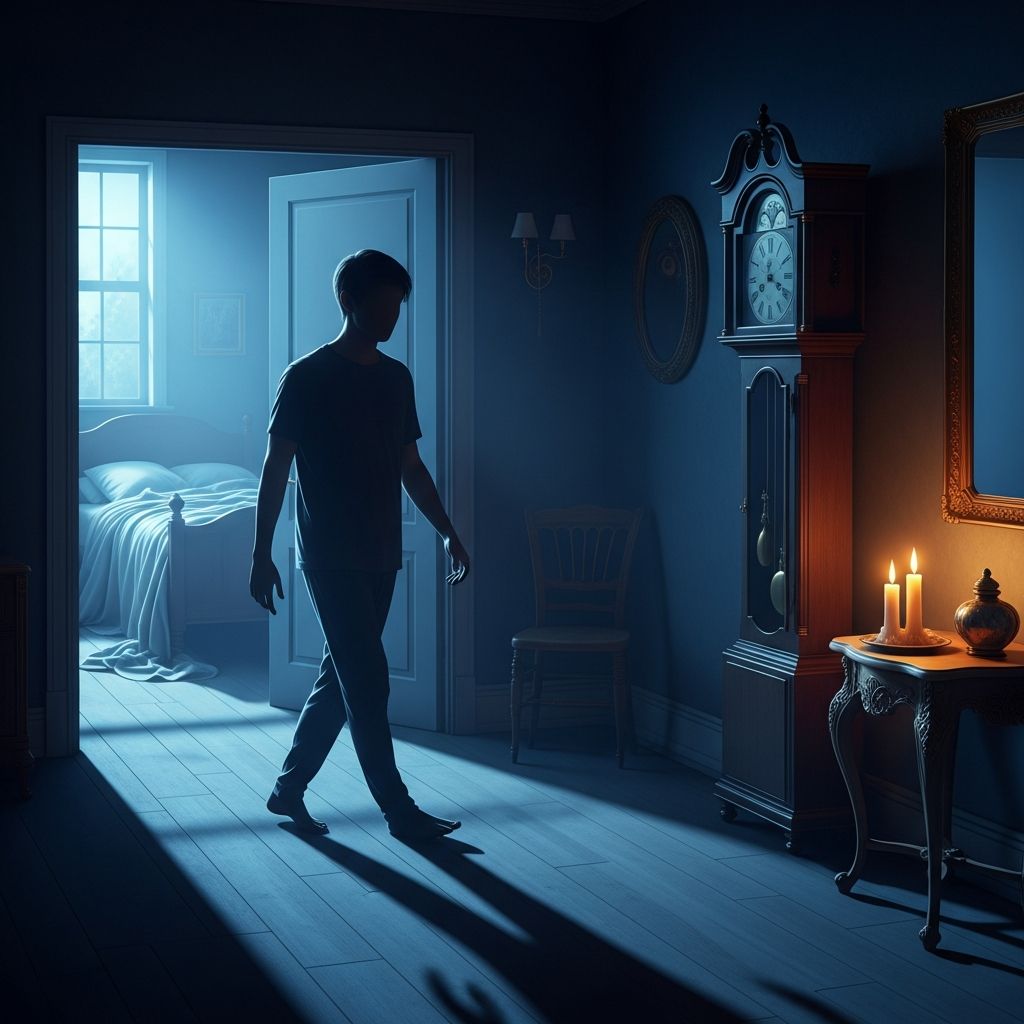
Sleepwalking, also known as somnambulism, is a parasomnia disorder where individuals perform complex behaviors like walking or talking while in a state of partial arousal from deep non-REM (NREM) sleep, typically without full awareness.
This condition affects up to 4% of adults and is more prevalent in children, often resolving with age but posing safety risks when persistent.
What Is Sleepwalking?
Sleepwalking occurs during the deepest stage of NREM sleep (N3), when the brain is partially awake for motor activities but remains asleep for conscious awareness, leading to automatic behaviors.
It falls under parasomnias, unwanted sleep disruptions including night terrors and sleep talking, distinguishing it from dreaming in REM sleep.
Episodes last 5-15 minutes, peaking 1-3 hours after sleep onset, with the person exhibiting blank stares, unresponsiveness, and no recall upon waking.
Symptoms of Sleepwalking
Common symptoms include sitting up, walking around, or performing routine tasks like dressing or eating while eyes open but glassy.
- Appearing awake but unresponsive to communication.
- Slow, clumsy movements or inappropriate actions like urinating in closets.
- Confusion or violence if awakened abruptly.
- No memory of the event the next day.
In severe cases, individuals may leave home, drive, or engage in sexual activity unknowingly, heightening injury risks.
How Common Is Sleepwalking?
Sleepwalking impacts 1-15% of children, with 1-7% of adults experiencing it; boys are slightly more affected, and most cases diminish by adolescence.
Adult persistence links to underlying issues, affecting quality of life with daytime fatigue and mood disturbances.
Sleepwalking Causes and Risk Factors
Sleepwalking arises from NREM sleep instability, triggered by factors increasing slow-wave sleep pressure.
Genetics
A strong hereditary component exists: children of one sleepwalking parent have a 47% risk, rising to 62% if both parents are affected; specific gene mutations are implicated.
Sleep Deprivation
Insufficient sleep heightens deep sleep rebound, destabilizing NREM arousals and triggering episodes.
Stress and Anxiety
Emotional or physical stress fragments sleep, exacerbating parasomnias; adult cases often tie to anxiety or depression.
Medications and Substances
Sedatives, hypnotics, antipsychotics, and alcohol disrupt sleep architecture, promoting arousals.
Medical Conditions
Underlying disorders like obstructive sleep apnea (OSA), restless legs syndrome (RLS), GERD, fever, or brain injuries provoke sleepwalking.
| Trigger Category | Examples | Mechanism |
|---|---|---|
| Sleep-Related | Sleep deprivation, OSA, RLS | Increases NREM instability |
| Genetic | Family history | Hereditary predisposition |
| Substances | Alcohol, sedatives | Alters sleep stages |
| Other | Stress, fever, medications | Promotes arousals |
Sleepwalking in Children vs. Adults
Children experience benign, transient episodes peaking at ages 3-8, often outgrown; adults face chronic cases signaling disorders like OSA or mental health issues, with violent behaviors possible.
Related Stories



Triggers in kids include fever or genetics; adults cite stress, meds, or apnea.
Risks and Complications of Sleepwalking
While not always harmful, sleepwalking risks injuries from falls, wandering, or driving; chronic cases cause daytime sleepiness, insomnia, depression, and reduced quality of life.
- Physical harm: bruises, fractures, or rare fatalities.
- Social: embarrassment, family disruption.
- Health: fatigue, mood disorders, impaired function.
Is Sleepwalking a Sign of Something Serious?
In children, usually not; in adults, it may indicate untreated sleep apnea, mental health conditions, or medication effects, warranting evaluation.
Frequent episodes (>2/week) or new-onset in adults signal need for medical review.
Diagnosis of Sleepwalking
Diagnosis relies on history and video evidence; polysomnography (sleep study) confirms if other disorders suspected, monitoring brain waves during episodes.
Sleepwalking Treatment
Treatment focuses on triggers: improve sleep hygiene, treat OSA, avoid alcohol/meds.
- Scheduled awakenings: Wake 15-30 min before typical episode.
- Medications: Low-dose benzodiazepines or antidepressants for severe cases.
- Cognitive behavioral therapy for stress.
Safety first: door alarms, bedrails, window locks.
How to Prevent Sleepwalking
Minimize risks with consistent sleep schedules, stress reduction, no evening caffeine/alcohol, and treating comorbidities.
- Ensure 7-9 hours sleep nightly.
- Create cool, dark sleep environment.
- Use gentle guidance back to bed; avoid shaking awake.
When to See a Doctor for Sleepwalking
Seek help if episodes frequent, violent, injure, persist into adulthood, or accompany daytime impairment.
Frequently Asked Questions (FAQs)
What causes sleepwalking?
Genetics, sleep deprivation, stress, medications, alcohol, sleep apnea, fever, or brain injuries.
Is sleepwalking dangerous?
Yes, risks include injuries from falls or wandering; adults may show violent behaviors impacting life quality.
Should you wake a sleepwalker?
Gently guide back to bed; abrupt waking causes confusion/distress, not harm.
Is sleepwalking genetic?
Yes, family history significantly raises risk, up to 62% if both parents affected.
Does sleepwalking stop with age?
Often in children; adult cases may need treatment for underlying causes.
Can stress cause sleepwalking?
Yes, stress disrupts sleep, triggering episodes especially in predisposed individuals.
References
- What Is Sleepwalking? Understanding Causes, Symptoms, and Treatments — National Council on Aging. 2024. https://www.ncoa.org/article/what-is-sleepwalking-understanding-causes-symptoms-and-treatments/
- Sleepwalking – Symptoms and causes — Mayo Clinic Staff. 2024-06-04. https://www.mayoclinic.org/diseases-conditions/sleepwalking/symptoms-causes/syc-20353506
- Adult sleepwalking is serious condition that impacts health-related quality of life — American Academy of Sleep Medicine. N/A. https://aasm.org/adult-sleepwalking-is-serious-condition-that-impacts-health-related-quality-of-life/
- Sleepwalking: What Is Somnambulism? — Sleep Foundation. N/A. https://www.sleepfoundation.org/parasomnias/sleepwalking
- Somnambulism — NCBI Bookshelf. N/A. https://www.ncbi.nlm.nih.gov/books/NBK559001/
- Sleepwalking (Somnambulism): Causes, Symptoms & Treatment — Cleveland Clinic. N/A. https://my.clevelandclinic.org/health/diseases/14292-sleepwalking
Similar Articles








Read full bio of medha deb