Causes Of Type 1 Diabetes: 3 Primary Triggers Explained
Understand the complex causes of type 1 diabetes: genetics, environmental triggers, viruses, and ongoing research for prevention and cures.
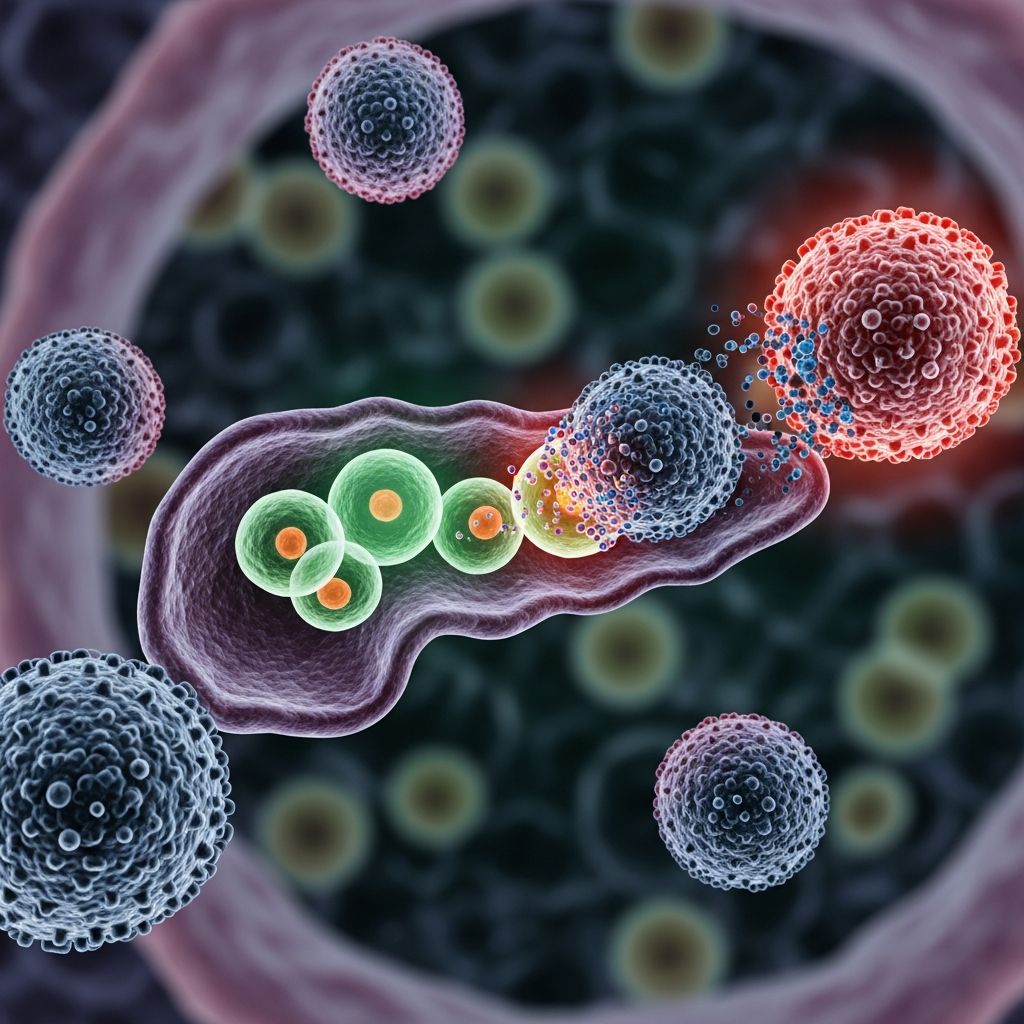
What causes type 1 diabetes?
Type 1 diabetes occurs when the immune system mistakenly attacks and destroys the insulin-producing beta cells in the pancreas, leading to an inability to regulate blood glucose levels. This autoimmune process develops over years, often triggered by a combination of genetic susceptibility and environmental factors, though the exact mechanisms remain under intensive investigation.
Unlike type 2 diabetes, which involves insulin resistance and lifestyle factors, type 1 is not preventable through diet or exercise. It can onset at any age, including adulthood, and affects approximately 400,000 people in the UK alone. Researchers worldwide, including those funded by Diabetes UK, are exploring genetics, viruses, gut microbiome, and diet to uncover root causes and potential cures.
How does type 1 diabetes start?
In healthy individuals, beta cells in the pancreas produce insulin, a hormone that allows glucose from food to enter cells for energy. In type 1 diabetes, the immune system identifies these beta cells as foreign invaders and launches a destructive attack, halting insulin production entirely. This process, known as autoimmunity, can begin years before symptoms like excessive thirst, fatigue, and weight loss appear.
The destruction is gradual, with beta cell function declining over time. By diagnosis, over 90% of beta cells may be lost. Scientists believe this autoimmune response is initiated in genetically susceptible individuals by an environmental trigger, such as a viral infection, leading to lifelong insulin dependency via injections or pumps.
- Key process: Autoimmune destruction of beta cells.
- Timeline: Can take months to years before symptoms emerge.
- Outcome: No natural insulin production, requiring external replacement.
Genetics and type 1 diabetes
Genetics play a crucial role in type 1 diabetes risk, but no single gene determines it. Instead, multiple genes, particularly those in the HLA region on chromosome 6, increase susceptibility. These genes regulate immune responses, making some individuals more prone to autoimmunity.
If a parent or sibling has type 1, the risk rises: 1-4% for siblings (vs. 0.4% general population) and 2-6% if a parent is affected. However, rising diagnosis rates—up 4% annually in the UK—cannot be explained by genetics alone, as human DNA evolves too slowly. Environmental changes must interact with these genes.
Recent Diabetes UK-funded research identified nine ‘core’ genes strongly linked to immune dysregulation in type 1. Further studies uncovered 27 key proteins, including immune checkpoints like PDCD1, which normally prevent overactive immunity but fail in susceptible individuals.
| Genetic Risk Factor | Impact on Risk | Source |
|---|---|---|
| HLA genes (e.g., DR3/DR4) | Strongest association; up to 50% of risk | |
| INS gene (insulin) | Increases beta cell visibility to immune system | |
| Core proteins (e.g., PDCD1) | Regulate immune brakes; newly identified |
Environmental triggers
While genes load the gun, environment pulls the trigger. Rapid increases in type 1 cases point to modern lifestyle changes. Potential triggers include viruses, gut microbiome alterations, diet, and others like hygiene and pollutants.
Viral infections and type 1 diabetes
Human Enteroviruses (HEVs), a family including coxsackievirus, show the strongest link. These gut-infecting viruses spread via poor hygiene and cause flu-like symptoms. Traces of HEVs appear in pancreatic samples from new and long-term type 1 patients.
Theories on mechanisms:
- Molecular mimicry: HEV proteins resemble beta cell components, confusing the immune system.
- Exposure hypothesis: Virus reveals hidden beta cell antigens.
- Direct damage: Infection alters beta cells, marking them for attack.
- Maternal HEV during pregnancy may elevate infant risk, though evidence is preliminary.
Other viruses like rubella are implicated, but HEVs dominate research. Vaccines do not cause type 1; studies refute this.
Gut microbiome’s role
The gut microbiome—trillions of bacteria influencing immunity and metabolism—differs in type 1 patients. Factors like caesarean births, antibiotic use, and low-fiber diets reduce diversity, potentially impairing immune tolerance.
Early infancy is critical: Breastfed babies with diverse microbiomes show lower risk. Research explores probiotics to restore balance and prevent autoimmunity.
Diet and early nutrition
Childhood diet is scrutinized: Cow’s milk proteins may trigger immunity in genetically prone infants; gluten and cereals show mixed links. Vitamin D deficiency correlates with higher risk, while omega-3s and breastfeeding may protect.
Evidence is contradictory—no single food causes or prevents type 1—but timing matters, especially weaning.
Other factors under investigation
- Hygiene hypothesis: Overly clean environments reduce immune training, increasing autoimmunity.
- Pollutants: Chemicals may disrupt beta cells or immunity.
- Maternal age/season: Older mothers and winter births slightly elevate risk.
- Stress: Psychological factors may exacerbate immune responses.
What causes type 1 diabetes in adults?
The same autoimmune process affects adults, often termed LADA (Latent Autoimmune Diabetes in Adults). Onset can mimic type 2 but progresses to insulin need. Genetic and triggers mirror childhood cases; diagnosis at any age underscores universal mechanisms.
Is type 1 diabetes genetic or lifestyle?
Primarily genetic with environmental triggers—not lifestyle. No evidence links obesity, diet, or inactivity as causes. Prevention focuses on screening high-risk individuals and blocking triggers.
Ongoing research and future hopes
Diabetes UK funds pivotal work: 1970s discoveries confirmed autoimmunity; today, core genes and proteins are mapped. Collaborations like the Type 1 Diabetes Grand Challenge with JDRF aim for cures via immunotherapy.
Trials target immune modulation, beta cell protection, and trigger prevention. Early screening via antibody tests identifies at-risk children for intervention.
Frequently Asked Questions (FAQs)
Can type 1 diabetes be prevented?
No guaranteed prevention, but research into screening and vaccines against triggers offers hope. Lifestyle does not cause it.
Does family history guarantee type 1?
No—risk increases but most cases lack family history. Genes heighten susceptibility, not certainty.
Are viruses like COVID-19 triggers?
Some viruses like HEVs are studied; COVID data is emerging but not conclusive.
Can diet cause type 1?
No, though early nutrition influences risk in genetically prone individuals.
What’s new in type 1 research?
27 new proteins identified; focus on immune checkpoints for therapies.
References
- Research spotlight – what causes Type 1 diabetes? — Diabetes UK. 2023. https://www.diabetes.org.uk/our-research/about-our-research/hot-topics/what-causes-type-1
- Our research uncovers ‘core’ genes for type 1 diabetes — Diabetes UK. 2023. https://www.diabetes.org.uk/about-us/news-and-views/our-research-uncovers-core-genes-type-1-diabetes
- What causes type 1 diabetes? — Diabetes UK. 2025. https://www.diabetes.org.uk/about-diabetes/type-1-diabetes/causes
- Discoveries on the root causes of type 1 and type 2 diabetes — Diabetes UK. 2025-08. https://www.diabetes.org.uk/about-us/news-and-views/discoveries-root-causes-type-1-and-type-2-diabetes-research-highlights-august-2025
- Research on tackling the root cause of type 1 diabetes — Diabetes UK. 2023. https://www.diabetes.org.uk/our-research/about-our-research/our-impact/tackling-root-cause-type-1-diabetes
- Types of diabetes — Diabetes UK. 2025. https://www.diabetes.org.uk/about-diabetes/types-of-diabetes
Similar Articles








Read full bio of Sneha Tete