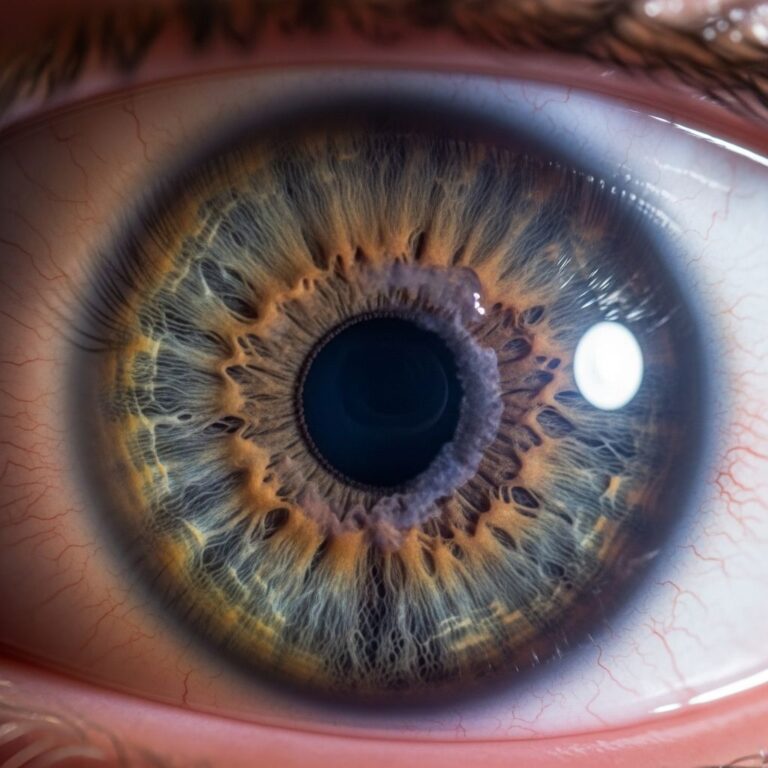
What Could Be Causing Your Blurry Vision
Discover common causes of blurry vision and when to seek medical care.
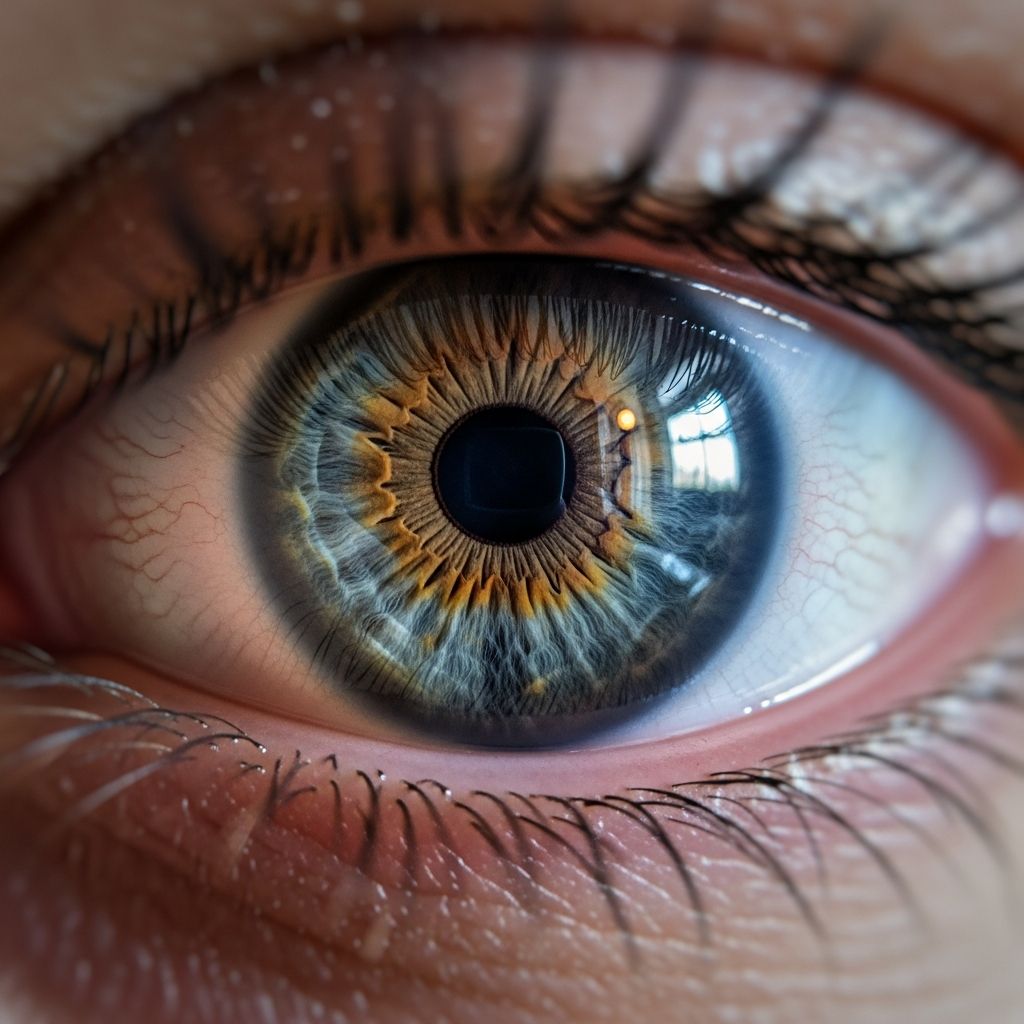
What Could Be Causing Your Blurry Vision?
Blurry or distorted vision is one of the most common eye complaints, affecting millions of people worldwide. While some causes are temporary and easily corrected, others may signal underlying health conditions requiring professional medical attention. Understanding the potential causes of blurry vision can help you determine when to seek care and what steps to take to protect your eyesight.
Vision problems can develop gradually or appear suddenly, and they may affect one or both eyes. The good news is that many causes of blurry vision are treatable, especially when caught early through regular eye exams. This guide explores the most common reasons for blurry vision and provides insights into when you should contact an eye care professional.
Refractive Errors: The Most Common Cause
Refractive errors are among the leading causes of blurry vision and affect a significant portion of the population. These errors occur when the shape of your eye prevents light from focusing correctly on the retina, resulting in unclear images at various distances.
Myopia (nearsightedness) occurs when the cornea is too curved or the eye is too long, causing distant objects to appear blurry while close objects remain clear. Hyperopia (farsightedness) is the opposite—the cornea is too flat or the eye is too short, making close objects appear blurry. Astigmatism involves an irregularly shaped cornea or lens, causing blurred vision at all distances.
Age-related changes also lead to presbyopia, a condition where the eye’s lens loses flexibility, making it difficult to focus on close objects. This typically becomes noticeable after age 40 and is a natural part of aging.
Fortunately, refractive errors are easily corrected with eyeglasses, contact lenses, or refractive surgery. Regular eye exams can detect these problems early, ensuring clear vision and preventing eye strain.
Cataracts: Clouding of the Lens
A cataract is a progressive condition in which the normally clear eye lens becomes cloudy, causing vision to become increasingly blurry and dim. This occurs when proteins in the lens accumulate and form clumps, preventing light from passing through clearly. Cataracts are extremely common, particularly in older adults, though they can develop at any age.
What Causes Cataracts?
Age: The most common risk factor for cataracts is aging. As we grow older, the proteins in the eye lens naturally break down and accumulate. While this process is gradual, it can eventually lead to significant vision loss.
Diabetes: People with diabetes are 60% more likely to develop cataracts than those without the condition. High blood sugar levels increase the concentration of glucose in the aqueous humor, which nourishes the lens. Additionally, an enzyme in the lens converts glucose into sorbitol, a sugar alcohol that can cause lens swelling and protein clumping.
High Blood Pressure: Elevated blood pressure causes inflammation in the eyes, which may contribute to cataract development. Hypertension is also linked to other eye conditions, including age-related macular degeneration and glaucoma.
Related Stories



Smoking: Cigarette smoke contains toxins that cause oxidative stress in eye cells, including those in the lens. Research shows that smokers develop cataracts at higher rates than non-smokers.
Excessive Alcohol Consumption: Heavy drinking significantly increases cataract risk. Alcohol metabolism produces free radicals that damage lens proteins, accelerating the formation of protein clumps.
Eye Trauma: Blunt or penetrating eye injuries, chemical burns, electric shock, or exposure to ionizing radiation can cause traumatic cataracts. These may develop immediately after injury or years later.
Congenital Cataracts: Some individuals are born with cataracts due to inherited genetic factors, maternal infections during pregnancy (such as measles or rubella), metabolic disorders, or intrauterine inflammation.
Cataract surgery is the most frequently performed eye surgery in the United States and remains the most effective treatment. The procedure involves removing the cloudy natural lens and replacing it with an artificial intraocular lens, restoring clear vision.
Diabetes and Vision Problems
Diabetes affects blood sugar regulation and can significantly impact eye health in multiple ways. Beyond cataracts, diabetes is a leading cause of diabetic retinopathy, a condition affecting the blood vessels in the retina. High blood sugar levels damage these delicate vessels, leading to bleeding, fluid accumulation, and vision loss.
People with diabetes should maintain tight blood sugar control and schedule regular comprehensive eye exams. Early detection of diabetic eye disease through routine screening can prevent permanent vision loss through timely treatment.
High Blood Pressure and Eye Health
Hypertension, or high blood pressure, is a silent condition that often goes unnoticed but can cause significant damage to the eyes. Elevated blood pressure creates inflammation in ocular blood vessels, potentially leading to cataracts and other vision problems. Additionally, hypertension increases the risk of age-related macular degeneration and glaucoma, both of which threaten sight.
Regular blood pressure monitoring and management through medication, diet, and lifestyle changes can help protect your vision and overall health.
Digital Eye Strain: A Modern Challenge
With the rise of remote work, gaming, and screen-based activities, digital eye strain—also called computer vision syndrome—has become increasingly common. Prolonged screen time causes a cluster of symptoms including dry eyes, blurred vision, headaches, and neck pain.
When staring at screens, people blink less frequently, reducing tear production and causing dry eyes. Additionally, the eyes must work harder to focus on digital displays, leading to fatigue and temporary blurriness. While digital devices do not cause permanent eye damage, they can trigger uncomfortable symptoms that affect productivity and quality of life.
To manage digital eye strain, follow the 20-20-20 rule: every 20 minutes, look at something 20 feet away for 20 seconds. Blue light-filtering glasses or screen filters may also help reduce discomfort. Some individuals benefit from updated prescriptions or lifestyle adjustments recommended by an eye care professional.
Other Common Causes of Blurry Vision
Dry Eye Syndrome: Insufficient tear production or poor tear quality causes dry, irritated eyes and blurred vision. Dry eye is particularly prevalent in North Texas and other dry climates but can affect anyone. Treatment ranges from artificial tears to specialized procedures.
Eye Infections: Bacterial, viral, or fungal infections can cause inflammation, discharge, and temporary vision changes. These require prompt medical evaluation.
Uveitis: Inflammation of the middle layer of the eye (uvea) causes eye pain, redness, and blurred vision. This condition requires immediate professional attention.
Vitamin A Deficiency: This nutrient is essential for healthy vision. Deficiency can impair night vision and, if severe, lead to permanent blindness.
Halos and Glare: Seeing halos around lights, especially at night, may indicate early cataracts, astigmatism, dry eye syndrome, or corneal swelling. While not always serious, these symptoms warrant an eye exam to rule out sight-threatening conditions.
Red Flags: When to See an Eye Doctor
Certain symptoms require immediate professional evaluation:
- Sudden onset of blurry vision
- Blurry vision accompanied by eye pain
- Vision loss affecting only one eye
- Flashing lights or sudden increase in floaters
- Halos around lights combined with eye pain
- Blurred vision after eye trauma
- Persistent headaches linked to vision problems
- Blurry vision with difficulty focusing at night
Don’t delay seeking care. Early detection of serious eye conditions often determines the difference between preserving and losing vision.
The Importance of Regular Eye Exams
Routine eye exams are essential for maintaining clear vision and detecting eye diseases early, often before symptoms appear. Comprehensive eye exams can identify cataracts, glaucoma, macular degeneration, dry eye syndrome, and other conditions. Doctors recommend yearly eye exams for most adults, even those who don’t wear corrective lenses, because many serious eye conditions are symptom-free until advanced stages.
During an eye exam, your eye care professional will assess your vision, eye pressure, retinal health, and overall ocular function. These preventive visits provide opportunities to update prescriptions, detect systemic diseases like diabetes and hypertension that affect the eyes, and discuss lifestyle factors impacting vision.
Prevention and Lifestyle Modifications
While some causes of blurry vision cannot be prevented, many can be reduced through healthy lifestyle choices:
- Quit smoking: Smoking accelerates cataract development and increases overall eye disease risk.
- Limit alcohol: Moderate alcohol consumption helps protect against cataract formation.
- Manage chronic conditions: Control diabetes and high blood pressure through medication and lifestyle changes.
- Protect eyes from injury: Wear safety glasses during sports, construction, or chemical handling.
- Use UV protection: Wear sunglasses with 100% UVA/UVB protection to prevent UV-related eye damage.
- Take screen breaks: Follow the 20-20-20 rule to reduce digital eye strain.
- Eat a healthy diet: Consume foods rich in antioxidants, lutein, and zeaxanthin to support eye health.
- Stay hydrated: Drink adequate water to support tear production and eye lubrication.
Frequently Asked Questions
Q: Can blurry vision resolve on its own?
A: Some temporary causes of blurry vision, such as eye strain or dry eyes, may improve with rest and self-care. However, persistent blurry vision warrants a professional eye exam to rule out serious conditions.
Q: Is blurry vision always a sign of a serious condition?
A: No. Many causes of blurry vision, including refractive errors and eye strain, are easily corrected and not serious. However, some causes require prompt medical attention, making professional evaluation important.
Q: How often should I have my eyes examined?
A: Adults should have yearly eye exams, even without vision problems or corrective lens needs. Those with chronic conditions like diabetes or high blood pressure may need more frequent exams.
Q: Can eye strain from screens cause permanent damage?
A: No. While screens cause temporary discomfort and blurred vision, they do not cause permanent eye damage. However, prolonged strain can cause bothersome symptoms requiring management strategies.
Q: What should I do if I suddenly lose vision?
A: Sudden vision loss is a medical emergency. Seek immediate care at an urgent care center or emergency room, as this may indicate a serious condition like retinal detachment or stroke.
Conclusion
Blurry vision can result from numerous causes, ranging from simple refractive errors to serious systemic diseases. While many causes are easily corrected with glasses, contact lenses, or other interventions, others require specialized treatment. The key to protecting your vision is recognizing warning signs, scheduling regular eye exams, and maintaining a healthy lifestyle. If you experience persistent or sudden blurry vision, don’t hesitate to contact an eye care professional. Early intervention often determines the outcome for many eye conditions, preserving the clear vision and independence you depend on daily.
References
- What Causes Cataracts? – Cloudy, Blurry Vision — Harvard Eye Associates. 2024. https://harvardeye.com/uncategorized/what-causes-cataracts-2/
- Headaches, Halos, and Hazy Vision: 5 Red Flags for Your Eyes — Sweeney Eye Associates. 2024. https://sweeneyeye.com/headaches-halos-and-hazy-vision-5-red-flags-for-your-eyes/
- American Academy of Ophthalmology Eye Health Tips — American Academy of Ophthalmology. 2024. https://www.aao.org/eye-health/tips-prevention/
- Blue Light and Eye Health — Harvard Health Publishing. 2023. https://www.health.harvard.edu/staying-healthy/blue-light-has-a-dark-side
- Digital Eye Strain and Screen Use — BMJ Open Ophthalmology. 2021. https://bmjopenhealthcare.bmj.com/
Similar Articles








Read full bio of medha deb