Itchy Scalp: Causes, Diagnosis, And Doctor-Approved Relief
Discover the common and uncommon causes of scalp itching and find effective relief strategies.
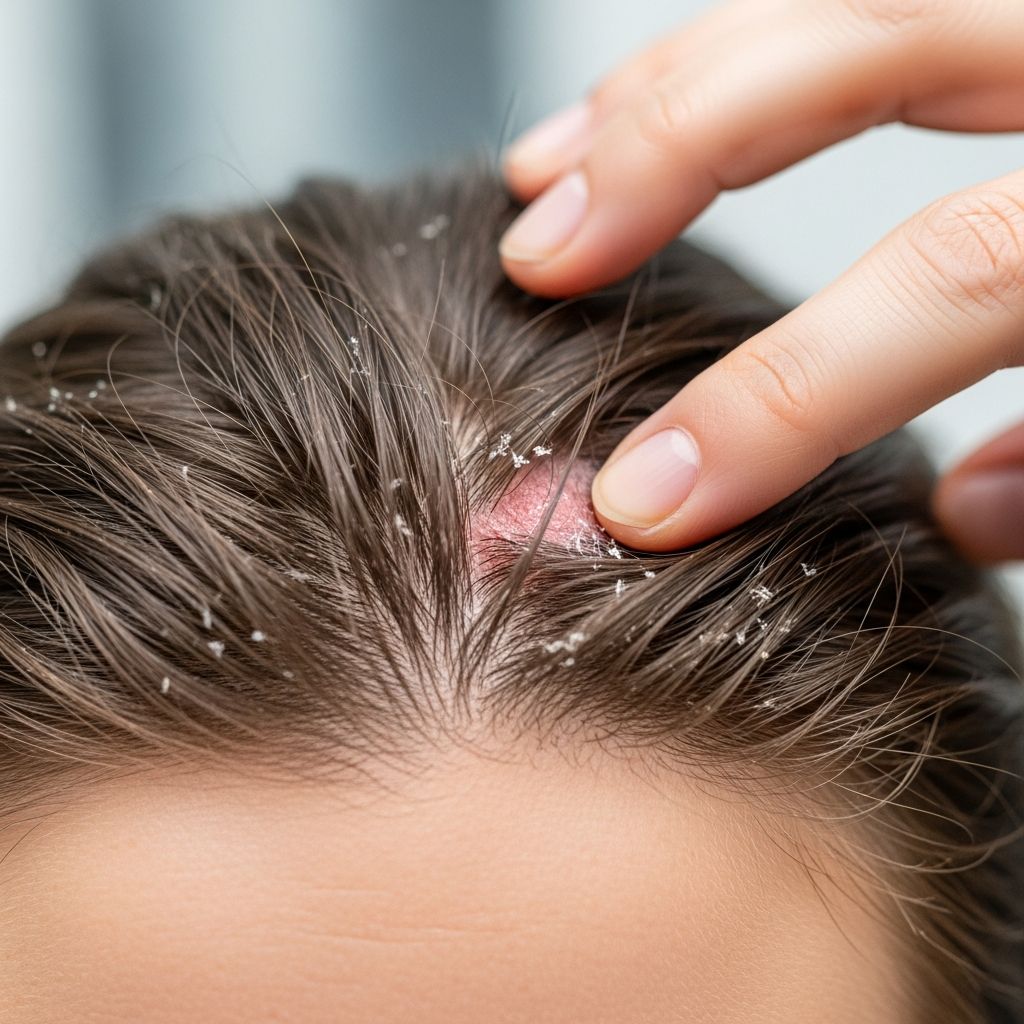
An itchy scalp is a common complaint that affects millions of people worldwide. While many assume dandruff is the culprit, the reality is far more complex. An itchy scalp can stem from numerous underlying conditions, lifestyle factors, and environmental triggers. Understanding what’s causing your specific scalp discomfort is essential for finding the right solution and preventing unnecessary frustration with ineffective treatments.
Understanding Scalp Itching Beyond Dandruff
One of the most common misconceptions is that itchy scalp and dandruff always go hand in hand. However, you can experience significant scalp itching without any visible flakes or signs of dandruff. This distinction is crucial because applying anti-dandruff treatments to a scalp that doesn’t have dandruff may provide no relief and could even worsen the irritation. The truth is that multiple conditions—ranging from simple environmental factors to serious medical disorders—can trigger that maddening urge to scratch.
Recognizing that your itchy scalp might have a different cause than you initially thought is the first step toward finding genuine relief. Whether your discomfort is temporary or chronic, understanding the potential causes helps you seek appropriate treatment and avoid wasting time on ineffective remedies.
Common Environmental and Lifestyle Causes
Scalp Dryness
One of the most straightforward causes of scalp itching is simple dryness. Multiple environmental and lifestyle factors can strip moisture from your scalp, leading to irritation and itching. Cold weather creates particularly challenging conditions, as does low indoor humidity during winter months. Additionally, frequent hot showers can deplete natural scalp oils, while harsh shampoos may strip away the protective moisture barrier your scalp needs.
Overuse of styling products and chemical treatments compounds this problem. Heat styling tools, color treatments, and heavy product buildup all contribute to scalp dehydration. Fortunately, dry scalp often responds well to simple interventions like moisturizing masks, hydrating shampoos, and nourishing scalp oils that help restore the scalp’s natural protective barrier. Small adjustments to your hair care routine—such as reducing heat styling, spacing out washes, and avoiding very hot showers—can make a significant difference.
Product Sensitivity and Allergic Reactions
Your scalp may react negatively to specific ingredients in hair care products. Fragrances, sulfates, parabens, and other common additives can trigger allergic contact dermatitis or simple irritant reactions. Some people develop sensitivity over time, while others react immediately to new products. Identifying and eliminating the offending product is typically all that’s needed to resolve the itching.
Medical Conditions Causing Scalp Itching
Seborrheic Dermatitis
Seborrheic dermatitis is a common inflammatory skin condition that frequently affects the scalp. This condition involves an overgrowth of yeast and an inflammatory response that creates itching, redness, and sometimes visible flaking or greasy scaling. Unlike simple dandruff, seborrheic dermatitis typically requires medical-grade treatment. Medicated shampoos containing zinc pyrithione, ketoconazole, or salicylic acid are often effective, though they may need to be used consistently two or three times weekly for optimal results.
Psoriasis
Psoriasis is an autoimmune condition that commonly manifests on the scalp. It causes thick, silvery plaques accompanied by significant itching and sometimes pain. Scalp psoriasis can be particularly frustrating because it’s often visible and may affect self-confidence. Treatment typically involves topical steroids, tar-based shampoos, or prescription creams. In more severe cases, systemic medications or biologic therapies may be necessary.
Related Stories



Eczema and Atopic Dermatitis
Eczema frequently affects the scalp, causing intense itching, redness, and sometimes oozing or crusting. Atopic dermatitis, the most common form of eczema, often runs in families with a history of allergies or asthma. Recent research from Harvard Medical School has revealed that the bacterium Staphylococcus aureus, commonly found on patients with atopic dermatitis, can directly activate nerve cells in the skin to cause itch. This discovery explains why eczema and atopic dermatitis are often accompanied by persistent, sometimes unbearable itching. Treatment typically involves gentle moisturizers, topical steroids during flare-ups, and sometimes prescription medications to manage the condition.
Lichen Planopilaris
Lichen planopilaris is a less common but serious inflammatory condition that affects hair follicles on the scalp. It causes itching, redness, and can lead to scarring and permanent hair loss if left untreated. This condition requires professional diagnosis and treatment, which may include topical or injected steroids and sometimes immunosuppressant medications.
Scalp Infections
Both fungal and bacterial infections can cause scalp itching without necessarily producing visible dandruff. Ringworm of the scalp, medically known as tinea capitis, is a fungal infection that often begins with itching and tenderness before patches of hair loss become apparent. Bacterial infections can lead to small red bumps or sores that feel sore and itchy. These infections require professional treatment with prescription antifungal or antibiotic medications, as over-the-counter shampoos are typically ineffective. Seeking dermatological care is important because untreated scalp infections can spread or lead to permanent hair loss.
Nerve-Related Itch (Neuropathic Itch)
Sometimes scalp itching results from nerve dysfunction rather than a skin condition. Neuropathic itch can arise from nerve damage, pinched nerves, or neurological conditions. This type of itching may not improve with typical scalp treatments and usually requires evaluation by a dermatologist or neurologist to address the underlying nerve issue.
Hormonal and Systemic Causes
Hormonal Fluctuations
Hormonal changes significantly impact scalp health and can trigger itching even without visible flakes. Pregnancy, menopause, and thyroid disorders all affect the scalp’s oil production and sensitivity levels. Women often notice increased scalp irritation during menopause, when declining estrogen levels affect skin hydration throughout the body, including the scalp. Hormonal imbalances can result in dryness, inflammation, or itchiness. Addressing the underlying hormonal issue through medical treatment, combined with gentle hair care products, often helps ease these symptoms.
Stress and Lifestyle Factors
Psychological stress can manifest as physical symptoms, including scalp itching and irritation. Stress affects the immune system, inflammation levels, and skin barrier function. Additionally, stress often triggers or worsens existing skin conditions like psoriasis, eczema, and seborrheic dermatitis. Addressing lifestyle factors such as improving diet, ensuring adequate sleep, staying properly hydrated, and practicing stress-reducing techniques like yoga or meditation can greatly improve scalp comfort and reduce itching.
How Dermatologists Diagnose Scalp Itching
Identifying the cause of scalp itching isn’t always straightforward because multiple conditions can produce similar symptoms. Dermatologists employ a careful, step-by-step diagnostic approach to reach an accurate diagnosis. This thorough process ensures you don’t waste time and money trying random treatments that won’t address your specific problem.
A dermatologist will typically begin with a detailed history of your symptoms, including when the itching started, whether it’s constant or intermittent, and what makes it better or worse. They’ll examine your scalp carefully, looking for visible signs like flaking, redness, lesions, or hair loss patterns. In some cases, they may perform a culture or take a skin sample for microscopic examination to identify infections or other conditions. This diagnostic precision is crucial because the right treatment depends entirely on what’s actually causing your itch.
Treatment Options for Itchy Scalp
Medicated Shampoos
Medicated shampoos are often the first line of treatment for various scalp conditions. These products contain active ingredients designed to address specific issues—zinc pyrithione for seborrheic dermatitis, ketoconazole for fungal conditions, salicylic acid for scaling, and tar-based formulations for psoriasis. Even if you don’t notice flakes, these shampoos can effectively soothe itching and restore scalp balance. Consistency is key; using medicated shampoos two or three times weekly and alternating with a gentle everyday shampoo usually produces the best results over time.
Topical Steroids
When inflammation drives the itching, topical corticosteroids may be necessary. Available as creams, gels, foams, or lotions, these medications quickly calm irritation and reduce redness. They’re particularly effective for flare-ups of psoriasis, eczema, or allergic reactions. Because steroids can thin the skin if overused, dermatologists typically prescribe them for short periods or in cycles, monitoring closely to maintain scalp health while relieving discomfort.
Moisturizing Treatments
When dryness rather than inflammation causes itching, hydrating treatments can make a world of difference. Natural oils like coconut, jojoba, and argan oil replenish lost moisture, while soothing ingredients such as aloe vera and shea butter help reduce irritation. Supporting scalp health from within matters too—eating foods rich in omega-3 fatty acids, vitamins, and minerals supports healthy skin, while drinking adequate water keeps the scalp hydrated.
Prescription Treatments
When over-the-counter products prove insufficient, dermatologists may recommend stronger medications. These can include oral antifungals for stubborn yeast infections, immunosuppressants for autoimmune conditions like lichen planopilaris, or antihistamines for itch caused by allergies. In cases of bacterial scalp infections, prescription-strength antibiotics may be necessary.
Frequently Asked Questions
Can an itchy scalp occur without dandruff?
Yes, absolutely. An itchy scalp can result from numerous conditions including dry scalp, allergic reactions, infections, psoriasis, eczema, hormonal changes, stress, or nerve-related issues. Many people experience significant scalp itching without any visible flakes or dandruff.
When should I see a dermatologist about scalp itching?
You should consult a dermatologist if your scalp itching persists for more than two weeks, is severe, accompanies hair loss or visible lesions, or doesn’t improve with over-the-counter treatments. Professional evaluation is essential for identifying the underlying cause and determining appropriate treatment.
Can stress cause an itchy scalp?
Yes, stress can trigger or worsen scalp itching through multiple mechanisms. Stress affects the immune system, increases inflammation, and can trigger or exacerbate existing skin conditions like psoriasis, eczema, and seborrheic dermatitis. Managing stress through relaxation techniques, exercise, and adequate sleep can help improve scalp health.
Are medicated shampoos effective for itchy scalp without dandruff?
Medicated shampoos can be helpful for various scalp conditions beyond dandruff, including seborrheic dermatitis, psoriasis, and eczema. However, effectiveness depends on correctly identifying the underlying cause. Using the wrong medicated shampoo may not help and could potentially worsen irritation.
What lifestyle changes can help reduce scalp itching?
Several lifestyle modifications can help: use lukewarm rather than hot water for shampooing, reduce heat styling, space out hair washes, avoid harsh shampoos, manage stress through meditation or yoga, maintain proper hydration, eat a nutrient-rich diet, and ensure adequate sleep. These changes support overall scalp health and often reduce itching significantly.
References
- New Clues Into the Head-Scratching Mystery of Itch — Harvard Medical School. November 22, 2024. https://hms.harvard.edu/news/new-clues-head-scratching-mystery-itch
- These Factors May Affect Your Scalp’s Health — OLAPLEX Inc. 2024. https://olaplex.com/blogs/news/these-factors-may-affect-your-scalps-health
- Itchy Scalp but No Dandruff? Dermatologist’s Guide — London Dermatology Centre. 2024. https://www.london-dermatology-centre.co.uk/blog/itchy-scalp-without-dandruff/
Similar Articles








Read full bio of medha deb