What Does a 1,500-Calorie Day Look Like?
Discover a delicious, satisfying 1,500-calorie meal plan with real recipes and practical tips for sustainable weight loss.
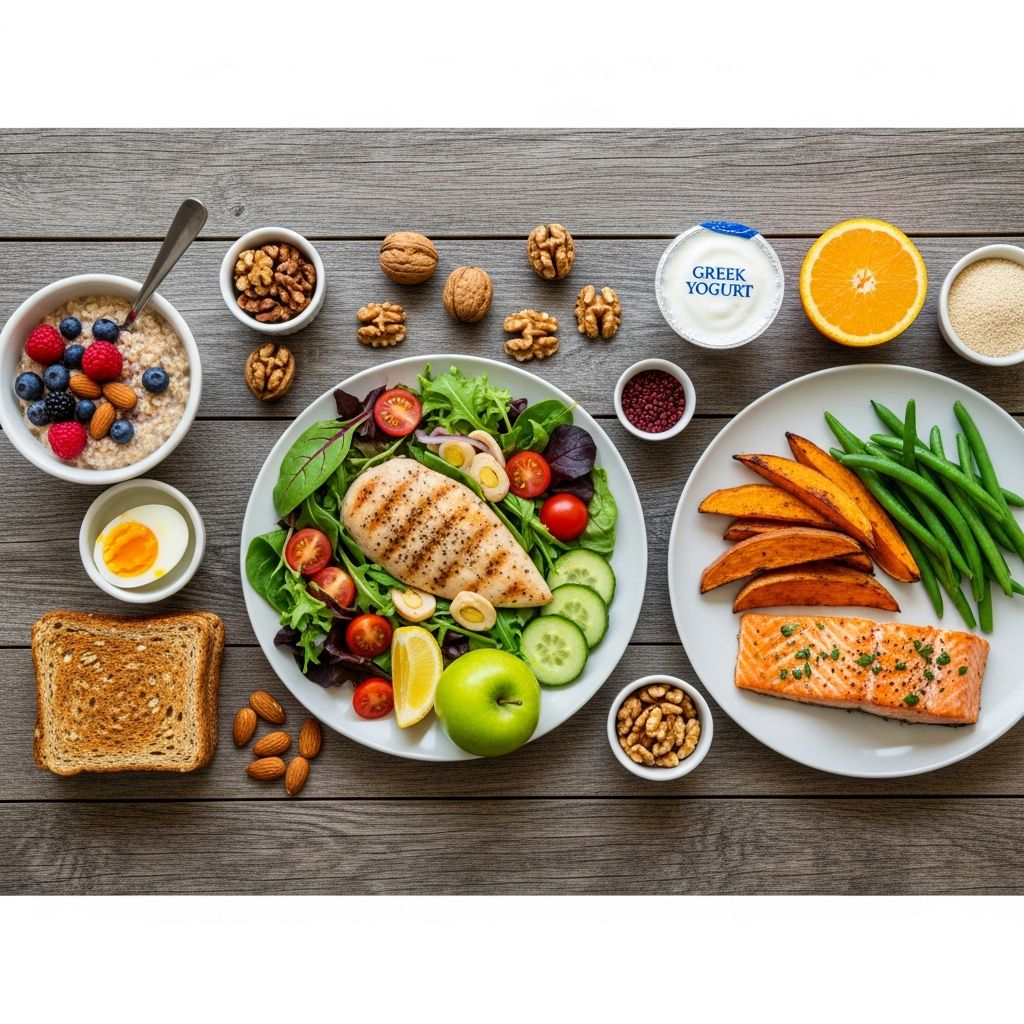
When you’re working toward weight loss or better health, understanding what a day of eating within a 1,500-calorie budget actually looks like can make all the difference. Rather than viewing this calorie level as restrictive, it’s an opportunity to discover satisfying, nutrient-dense foods that keep you energized and full throughout the day. A well-planned 1,500-calorie diet can include breakfast, lunch, dinner, and snacks—with plenty of variety and flavor that makes healthy eating sustainable.
Understanding the 1,500-Calorie Diet Framework
A 1,500-calorie diet is a moderate calorie restriction that many people adopt to create the calorie deficit necessary for weight loss. Creating a calorie deficit—consuming fewer calories than your body burns—is fundamental to losing fat. For most people, a deficit of 500 calories per day from their total daily energy expenditure (TDEE) results in a loss of approximately 1 to 2 pounds per week, which is considered a healthy, sustainable rate. A 1,500-calorie diet fits the needs of many people who want to lose fat and improve their overall health, though individual needs vary significantly based on age, sex, activity level, and metabolism.
The key to success with any calorie-controlled diet is choosing foods that maximize nutrition and satiety. Rather than simply counting calories, focus on the quality of those calories—whole foods packed with protein, fiber, and essential nutrients will keep you satisfied longer than processed alternatives.
The Importance of Whole Foods
The foundation of a healthy 1,500-calorie day is built on whole, minimally processed foods. Whole foods like vegetables, fruits, fish, eggs, poultry, nuts, and seeds are packed with nutrients and tend to be more filling than processed foods. These foods provide sustained energy, support better digestion, and help regulate blood sugar levels throughout the day.
In contrast, highly processed foods and beverages—including fast food, candy, and soda—often contain added sugars and unhealthy fats that can contribute to inflammation and weight gain. Even foods labeled as “diet” or “low-fat” may contain hidden sugars and artificial ingredients that undermine your weight loss goals. By basing your meals around whole foods, you’re more likely to achieve lasting weight loss while maintaining a healthy body weight long-term.
What to Eat on a 1,500-Calorie Diet
When attempting to lose weight and adopt better eating habits, it’s important to choose mostly minimally processed, whole foods. Though it’s perfectly healthy to have a treat now and then, the majority of your 1,500-calorie diet should include:
- Lean proteins: Chicken, turkey, fish, eggs, legumes, and Greek yogurt support muscle maintenance and satiety
- Healthy fats: Avocados, nuts, seeds, and olive oil provide essential fatty acids and help absorb fat-soluble vitamins
- Complex carbohydrates: Whole grains, sweet potatoes, and legumes provide sustained energy and fiber
- Vegetables and fruits: Rich in vitamins, minerals, and fiber with relatively few calories
- Dairy: Low-fat or full-fat plain yogurt, cheese, and milk in moderate portions
A Sample 1,500-Calorie Day Breakdown
A typical 1,500-calorie day can be structured with three main meals of approximately 400-500 calories each, plus one or two snacks of 150-200 calories each. This distribution keeps energy and hunger levels stable throughout the day. Here’s what one satisfying day might include:
Related Stories



Breakfast: Arugula and Avocado Omelette
Start your day with a protein-rich breakfast that keeps you satisfied until lunch. An arugula and avocado omelette combines eggs for high-quality protein with fresh greens and healthy fats from the avocado. This meal is fresh, delicious, and an easy way to begin your day right. Pair it with a slice of whole-grain toast for complex carbohydrates that support sustained energy.
Morning Snack: Spiced Apple
Around mid-morning, enjoy a simple, satisfying snack: a tart apple with cinnamon sprinkles for a little extra flavor. This combination provides natural sugars, fiber, and the satisfaction of a slightly sweet treat without derailing your nutrition plan. The fiber in the apple helps maintain stable blood sugar levels and keeps hunger at bay until lunch.
Lunch: Mason Jar Salad with Grilled Chicken
A gorgeous mason jar salad makes lunch visually appealing and convenient to prepare in advance. Layer fresh spinach (2 cups), grilled chicken (4 ounces), chickpeas (½ cup), shredded carrots (½ cup), goat cheese (1 ounce), and a balsamic vinaigrette. When you’re ready to eat, simply shake it up and dive in. The combination of lean protein, fiber-rich legumes, fresh vegetables, and a small amount of cheese creates a balanced, filling meal that tastes far more indulgent than the calorie count suggests.
Afternoon Snack: Hummus with Veggie Sticks
Keep hunger at bay in the afternoon with a simple, nutrient-dense snack: hummus with cucumbers and an assortment of veggie sticks. The protein and healthy fats in hummus combined with the fiber and low calories of raw vegetables create a satisfying snack that requires minimal preparation. This pairing also provides important micronutrients while keeping calories modest.
Dinner: Zucchini Noodles with Avocado Pesto and Shrimp
Dinner showcases how creativity makes low-calorie eating enjoyable. Zucchini noodles provide a low-calorie base packed with vitamins and minerals, while shrimp offers lean protein and important nutrients like selenium and iodine. Toss with a homemade avocado pesto—made from avocado, basil, garlic, lemon juice, and a drizzle of olive oil—for healthy fats and fresh flavor. Add a simple side salad of mixed greens with a light vinaigrette to round out the meal with additional vegetables and nutrients.
Key Nutrients to Prioritize
When working with a 1,500-calorie limit, every calorie should count nutritionally. Focus on foods rich in:
- Protein: Aim for 25-30% of your calories from protein sources to support muscle maintenance, satiety, and metabolism
- Fiber: Include at least 25-30 grams daily from vegetables, fruits, legumes, and whole grains
- Micronutrients: Prioritize colorful produce to ensure adequate vitamins, minerals, and antioxidants
- Healthy fats: Include unsaturated fats from nuts, seeds, fish, and plant oils for hormone production and nutrient absorption
Practical Meal Prep Strategies
Successfully maintaining a 1,500-calorie diet requires planning and preparation. Consider these practical strategies:
- Prepare meals at home: Home cooking gives you complete control over ingredients, portions, and cooking methods
- Batch cook proteins: Prepare grilled chicken, baked fish, or hard-boiled eggs in advance for quick meal assembly
- Chop vegetables ahead: Pre-cut vegetables are more likely to be consumed and make meals faster to prepare
- Use convenience ingredients wisely: Store-bought items like pre-cooked grains, frozen vegetables, and rotisserie chicken can support healthy eating without sacrificing nutrition
- Plan your week: By reviewing your meal plan and menu beforehand, you’re less inclined to make last-minute unhealthy meal choices
Eating Out on a 1,500-Calorie Budget
While preparing meals at home is ideal for calorie control, it’s entirely possible to make healthy choices when dining out. Review menus online before going to a restaurant so you can identify lower-calorie options. Look for grilled proteins, vegetable-based side dishes, and dressings on the side. Don’t hesitate to ask how dishes are prepared and request modifications that align with your goals—most restaurants are happy to accommodate requests for grilled instead of fried preparations or sauces served separately.
Understanding Realistic Weight Loss Expectations
When following a 1,500-calorie diet, realistic expectations support long-term success. Research shows that weight loss on calorie-restricted diets ranges from 0.002 to 1.13 kilograms per week, depending on individual factors and the degree of calorie restriction. Most experts recommend aiming for slow, consistent weight loss of 1 to 2 pounds per week, as this rate is more sustainable and helps preserve muscle mass.
It’s important to remember that weight loss differs drastically from person to person. Factors including age, sex, metabolism, activity level, and genetics all influence how quickly you lose weight. Don’t get discouraged if your progress is slower than expected—this is normal and doesn’t mean your plan isn’t working. Bumping up physical activity, spending less time sitting, reducing added sugars, and focusing on whole foods should help expedite weight loss and keep you on track.
Listening to Your Hunger Cues
A critical aspect of sustainable eating on a 1,500-calorie budget is listening to your body’s signals. If you’re not feeling full and satisfied after these meals, eat more. Your body is telling you that you may actually need more calories. This is especially true if you exercise regularly, have a fast metabolism, or have certain life circumstances requiring higher calorie intake. Ignoring genuine hunger cues can lead to nutrient deficiencies, decreased energy, and difficulty maintaining your plan long-term.
Customizing Your 1,500-Calorie Day
The meal plan outlined above serves as a template. You can swap in different recipes that fit similar calorie ranges and provide plenty of protein and fiber. If you don’t enjoy shrimp and zucchini noodles, find another recipe in a similar calorie range—many resources provide complete nutrition information to guide your swaps. This flexibility ensures your 1,500-calorie day reflects your food preferences and dietary requirements, making the plan something you can actually stick with.
Whether you’re vegetarian, eating gluten-free, or following other dietary preferences, a 1,500-calorie diet can accommodate your needs. The principles remain the same: choose whole foods, prioritize protein and fiber, and focus on meals that satisfy you nutritionally and emotionally.
Frequently Asked Questions
Q: Is 1,500 calories enough for everyone?
A: A 1,500-calorie diet is appropriate for many people, particularly those aiming to lose weight. However, individual calorie needs vary significantly based on age, sex, height, weight, and activity level. Some people may need more or fewer calories. If you experience excessive hunger, fatigue, or nutrient deficiencies, consult with a healthcare provider or registered dietitian about your appropriate calorie intake.
Q: How much weight can I expect to lose on a 1,500-calorie diet?
A: Most people can expect to lose 1 to 2 pounds per week when following a 1,500-calorie diet, assuming they were previously eating more than this amount. However, individual results vary. Initial weight loss may be faster due to water weight, then stabilize at 1 to 2 pounds weekly. Consistency matters more than rapid weight loss for long-term success.
Q: Can I include treats on a 1,500-calorie diet?
A: Yes, it’s perfectly healthy and encouraged to have treats now and then. The key is balance—ensure that approximately 80-90% of your calories come from nutrient-dense whole foods, leaving room for 10-20% from foods you enjoy. This approach makes the diet sustainable and prevents feelings of deprivation.
Q: What if I feel hungry on a 1,500-calorie diet?
A: Hunger is your body’s signal that you may need more calories. Eat more when truly hungry—this is not failure; it’s listening to your body. Additionally, ensure your meals include adequate protein and fiber, which promote satiety. Drink plenty of water and avoid sitting for long periods, as these strategies can also help manage hunger.
Q: How can I make a 1,500-calorie diet sustainable long-term?
A: Focus on foods you genuinely enjoy, prepare meals at home when possible, and use meal planning to avoid last-minute unhealthy choices. View this as a lifestyle change rather than a temporary diet. Include variety, allow flexibility, and work with a healthcare provider or dietitian to ensure you’re meeting all nutritional needs.
References
- A 1,500-Calorie Diet: Food Lists, Meal Plan and More — Healthline. 2024. https://www.healthline.com/nutrition/1500-calorie-diet
- Optimal Diet Strategies for Weight Loss and Weight Loss Maintenance — National Center for Biotechnology Information (NCBI), U.S. National Library of Medicine. 2021. https://pmc.ncbi.nlm.nih.gov/articles/PMC8017325/
- 7 Days of Healthy Meals on a Budget — British Heart Foundation, Heart Matters Magazine. 2024. https://www.bhf.org.uk/informationsupport/heart-matters-magazine/nutrition/eat-well-on-a-budget/sample-menus
- This Is What an Amazing 1,500-Calorie Day Looks Like | Prep School — EatingWell. August 19, 2022. https://www.youtube.com/watch?v=n0XjFsVExMs
Similar Articles








Read full bio of Sneha Tete