What Does a 2000-Calorie Diet Look Like?
Discover a balanced 2,000-calorie daily meal plan packed with whole foods, proteins, veggies, and healthy fats for optimal health and energy.
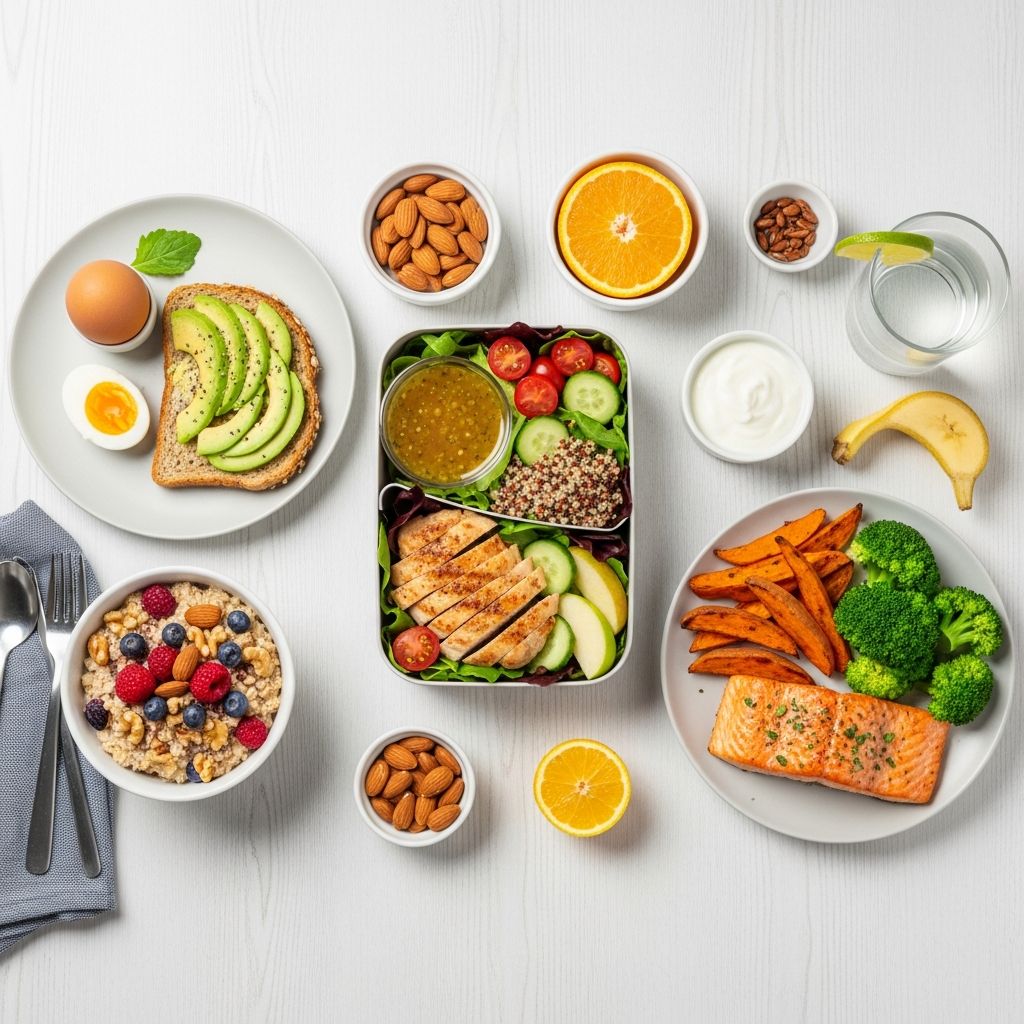
A 2,000-calorie diet serves as a standard benchmark for many adults, providing adequate energy and nutrients to support daily activities while promoting overall health. This calorie level aligns with the needs of moderately active individuals, helping maintain weight or support gradual loss when combined with exercise.
Designed around whole, unprocessed foods, such a diet emphasizes fruits, vegetables, lean proteins, whole grains, and healthy fats to ensure satiety, nutrient density, and balanced macronutrients. According to dietary guidelines, it typically includes 45-65% carbohydrates, 20-35% fats, and 10-35% proteins, adjusted for personal factors like age, gender, and activity level.
Why Choose a 2,000-Calorie Diet?
The 2,000-calorie intake is referenced in U.S. FDA labeling as a general reference for adults, making it practical for meal planning. It meets the Recommended Dietary Allowances (RDAs) for most vitamins and minerals when focused on nutrient-rich foods. For weight management, it creates a moderate deficit for those needing to lose 1-2 pounds weekly, as excess calories beyond needs contribute to fat storage.
Individual needs vary: sedentary women may require 1,800-2,000 calories, while active men might need 2,400+. Tools like the Harris-Benedict equation estimate basal metabolic rate (BMR), then multiply by activity factor (e.g., 1.55 for moderate activity). For example, a 210-pound person aiming for 1-pound weekly loss targets around 2,020 calories.
Foods to Eat on a 2,000-Calorie Diet
Prioritize whole foods for fiber, vitamins, and sustained energy. Aim for variety across food groups to cover micronutrients.
- Vegetables: Non-starchy options like spinach, broccoli, asparagus, cherry tomatoes, eggplant (unlimited in moderation); starchy ones like sweet potatoes, butternut squash, peas (1/2-1 cup per serving).
- Fruits: Berries, bananas, apples, pears, grapes, kiwis (2-3 servings daily for antioxidants).
- Proteins: Lean meats (chicken, turkey, beef), fish (salmon, cod, tuna), eggs, plant-based (beans, lentils, tofu), dairy (Greek yogurt, kefir, cheese).
- Whole Grains: Oats, quinoa, brown rice, whole-wheat bread, wild rice (3-6 ounces equivalent daily).
- Healthy Fats: Avocados, nuts (almonds), seeds (hemp, chia), olive oil, nut butters (in moderation).
- Dairy/Alternatives: Low-fat milk, non-dairy milk, full-fat plain yogurt.
Sample daily distribution: Breakfast 400-500 calories, lunch 500-600, dinner 500-600, snacks 200-300 each.
Foods to Limit or Avoid
Minimize processed items to prevent empty calories and blood sugar spikes.
- Sugary drinks, candies, baked goods.
- Refined grains (white bread, pastries).
- Fried foods, trans fats.
- High-sodium processed meats.
- Excess alcohol.
Occasional indulgences are fine, but 80-90% whole foods ensure balance.
A 7-Day 2,000-Calorie Meal Plan
This sample plan totals ~2,000 calories daily, with ~500 per main meal and 250 per snack. Portions are approximate; adjust for preferences. Prep tips: Batch-cook grains, chop veggies, portion snacks.
Day 1 (Monday)
- Breakfast (450 cal): 1 cup spoon-size shredded wheat cereal, 1 cup skim milk, 1.5 cups diced strawberries + 2 kiwis.
- Morning Snack (214 cal): 6 oz nonfat Greek yogurt, 6 dried apricot halves.
- Lunch (456 cal): 1 multigrain sandwich thin, 3 oz turkey, veggies, 1 pear, 1 cup skim milk.
- Afternoon Snack (154 cal): 18 unsalted dry-roasted almonds.
- Dinner (634 cal): North Country Braised Chicken (6 oz), 1 cup whole-wheat fettuccine with 1 tsp olive oil, 6 spears steamed broccoli.
- Evening Snack (165 cal): 1/2 cup 1% cottage cheese with 1 cup blueberries.
Day 2 (Tuesday)
- Breakfast (416 cal): 1 cup cooked oatmeal, 2 Tbsp golden raisins, 1 cup skim milk, 1 medium banana.
- Morning Snack (189 cal): 1 medium apple, 1 Tbsp peanut butter.
- Lunch (500 cal): Avocado-tuna salad: 1/2 avocado, 5 oz canned tuna, 1/2 cup cherry tomatoes, 2 cups mixed greens.
- Afternoon Snack (250 cal): Power smoothie: 3/4 cup non-dairy milk, 1 cup spinach, 1 scoop protein powder, 1 cup frozen blueberries, 1 Tbsp hemp seeds.
- Dinner (561 cal): Grilled Rosemary-Salmon Skewers (5 oz), 1 cup cooked quinoa, salad with 2 cups baby spinach, 1/2 cup tomatoes, 1 Tbsp walnuts + vinaigrette.
- Evening Snack (117 cal): 36 dark chocolate chips.
Day 3 (Wednesday)
- Breakfast (420 cal): 1 cup spoon-size shredded wheat, 1 cup skim milk, fruit salad (1.5 cups strawberries, 2 kiwis).
- Morning Snack (146 cal): 2 oz low-fat Swiss cheese, 2 multigrain crispbreads.
- Lunch (632 cal): Black bean and sweet potato burrito with 1/2 cup black beans, 1/2 sweet potato, salsa, etc.
- Afternoon Snack (223 cal): 2 Tbsp peanut butter, 1 brown-rice cake.
- Dinner (649 cal): Cajun Pecan-Crusted Catfish (6 oz), 3/4 cup brown rice, 1 medium baked sweet potato, 1 cup collard greens.
- Evening Snack (143 cal): 3/4 cup nonfat frozen yogurt.
Related Stories



Day 4 (Thursday)
- Breakfast (403 cal): 2 oat waffles, fruit salad (1.5 cups strawberries, 2 kiwis), 6 oz Greek yogurt.
- Morning Snack (200 cal): Protein bar (200-250 cal, <12g sugar,>5g fiber).
- Lunch (445 cal): 1 cup corn flakes, 1 cup skim milk, 1 pear.
- Afternoon Snack (154 cal): 18 almonds.
- Dinner (631 cal): Tofu with Peanut-Ginger Sauce, 1.5 cups brown rice, 1.5 cups steamed broccoli.
- Evening Snack (165 cal): Cottage cheese with blueberries.
Day 5 (Friday)
- Breakfast (430 cal): 6 oz Greek yogurt, 1 banana, fruit salad, 1/2 cup orange juice.
- Morning Snack (214 cal): Yogurt and apricots.
- Lunch (416 cal): Oatmeal with raisins, milk, banana.
- Afternoon Snack (189 cal): Apple with peanut butter.
- Dinner (561 cal): Thyme- & Sesame-Crusted Halibut, 1 cup mashed butternut squash, spinach with sesame oil.
- Evening Snack (117 cal): Dark chocolate.
Day 6 (Saturday)
- Breakfast (445 cal): Oatmeal, 3 Tbsp raisins, milk, pear.
- Morning Snack (223 cal): Hummus with crispbreads.
- Lunch (456 cal): Sandwich thin with turkey.
- Afternoon Snack (146 cal): Cheese and crispbreads.
- Dinner (634 cal): Braised chicken, fettuccine, broccoli.
- Evening Snack (143 cal): Frozen yogurt.
Day 7 (Sunday)
- Breakfast (416 cal): Shredded wheat, milk, banana, orange juice.
- Morning Snack (154 cal): Almonds.
- Lunch (500 cal): Fish tacos: 3 corn tortillas, 6 oz grilled cod, 1/2 avocado, pico de gallo.
- Afternoon Snack (250 cal): Smoothie.
- Dinner (vegetarian chili ~500 cal): 1/2 cup crushed tomatoes, kidney beans, butternut squash, corn, onions, jalapeo.
- Evening Snack (Snack: cheese and grapes ~300 cal): 2 oz cheddar, 1 cup grapes.
Meal Prep Tips for Success
Streamline your week: Roast veggies in bulk, cook grains like quinoa/rice, portion proteins, assemble salads. Use containers for grab-and-go. Shop for staples: oats, yogurt, nuts, frozen berries.
| Day | Total Calories | Protein Focus |
|---|---|---|
| Monday | ~2,073 | Chicken |
| Tuesday | ~1,993 | Salmon |
| Wednesday | ~2,050 | Catfish |
| Thursday | ~2,053 | Tofu |
| Friday | ~1,989 | Halibut |
| Saturday | ~2,068 | Chicken |
| Sunday | ~2,033 | Chili/Veg |
Frequently Asked Questions
Is a 2,000-calorie diet right for weight loss?
Yes, for many adults; it supports 1-2 lbs/week loss with exercise, but calculate personal needs.
Can vegetarians follow this plan?
Absolutely—swap meats for beans, tofu, eggs; Day 7 example is vegetarian.
How to adjust for higher activity?
Add 200-500 calories via nuts, grains, or extra protein.
What if I’m still hungry?
Increase veggies/fiber; drink water before meals.
Are the snacks necessary?
They prevent overeating at meals; customizable.
References
- A 2,000-Calorie Diet: Food Lists and Meal Plan — Healthline. 2023-10-15. https://www.healthline.com/nutrition/2000-calorie-diet
- Eating Well for Heart Health Meal Plan — ARUP Laboratories. 2022-05-01. https://www.aruplab.com/files/images/wellness/MealPlan_2000_calorie.pdf
- 2,000-Calorie Meal Plan to Lose Weight, Created by a Dietitian — AOL (EatingWell). 2024-01-10. https://www.aol.com/2-000-calorie-meal-plan-174540315.html
Similar Articles








Read full bio of Sneha Tete