What Does Green Snot Mean: Causes and When to See a Doctor
Understanding green nasal mucus: what it reveals about your health and when to seek medical care.
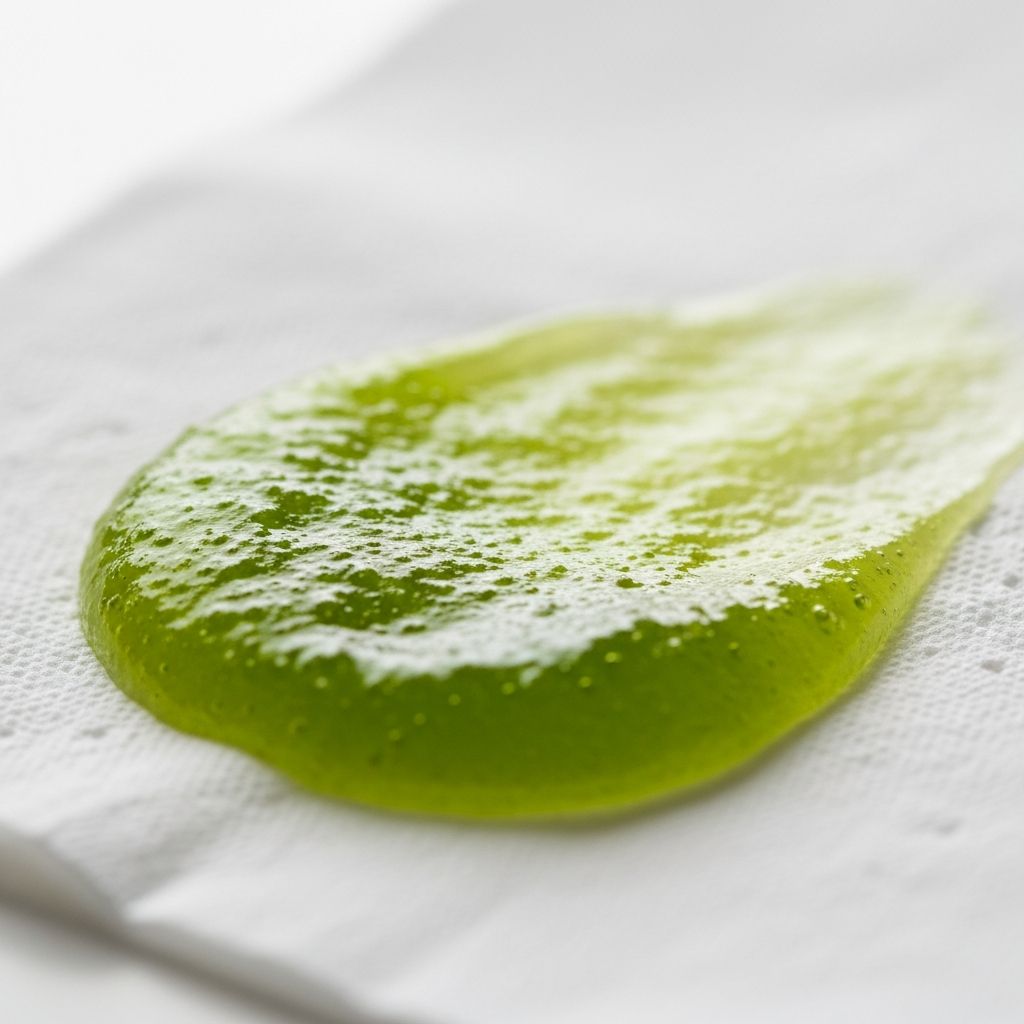
What Does Green Snot Mean?
Green nasal mucus is a common symptom that can indicate your body is actively fighting an infection. When you notice your snot has turned green, it’s a sign that your
immune system is working overtime
to combat invading pathogens. Understanding what this color change means can help you determine whether home care is sufficient or if medical attention is necessary.The Science Behind Green Snot
Mucus normally serves as a protective barrier for your nasal passages and sinuses, trapping dust, bacteria, and other environmental irritants. When you develop an infection, your body responds by sending
white blood cells
to the affected area to fight off the invading germs.The green color in your snot comes from
dead white blood cells and other waste products
that accumulate as your immune system battles the infection. As white blood cells work harder to eliminate pathogens, they multiply rapidly, and once they’ve completed their job, they’re discarded in your nasal mucus, giving it that characteristic yellowish-green tint. The process typically progresses from clear to white to yellow to green as the infection intensifies and your body mounts a stronger immune response.Common Causes of Green Snot
Green nasal mucus can result from several different conditions. Understanding the underlying cause can help you determine the appropriate course of action.
Sinus Infections
One of the most common reasons for green snot is a
sinus infection
(sinusitis). A sinus infection occurs when your sinuses become blocked and fill with mucus, creating an environment where bacteria can thrive. The blockage prevents normal drainage, allowing pressure and discomfort to build up in your face and around your eyes.Common Cold
The common cold frequently causes green or yellow snot. When a cold virus infects your respiratory tract, it triggers inflammation and increased mucus production. A typical cold lasts between 5 to 10 days, with symptoms usually peaking between days three and five. During this time, your nasal discharge may progress from clear to green as your body fights the viral infection.
Lung Infections
Green snot can also indicate a
lung infection
, particularly conditions like bronchitis or pneumonia. In these cases, you may experience additional symptoms such as a persistent cough, difficulty breathing, and chest discomfort alongside your green nasal discharge.Bacterial Infections
While viral infections are common,
bacterial infections
can also produce green snot. Bacterial infections tend to worsen as they progress and may continue beyond the typical 5 to 10-day cold duration. These infections often require medical evaluation and may necessitate antibiotic treatment.Distinguishing Green Snot from Other Colors
The color of your nasal mucus can provide valuable clues about what’s happening in your body. Here’s what different colors typically indicate:
| Mucus Color | Typical Meaning | Associated Conditions |
|---|---|---|
| Clear | Normal or allergies | Hay fever, environmental allergies, normal nasal drainage |
| White | Congestion | Common cold, early infection stages |
| Yellow | Body fighting infection | Cold, sinus infection, early bacterial infection |
| Green | Stronger immune response | Sinus infection, lung infection, bacterial infection |
| Red or Pink | Blood present | Nasal tissue irritation, frequent nose blowing, dry tissues |
| Brown | Environmental irritation | Inhaled dust, dirt, or pollution |
Related Stories



**Clear mucus** usually signals allergies or environmental factors triggering nasal congestion.
Yellow snot
indicates your body is fighting an infection, as the yellow coloring comes from white blood cells rushing to combat germs.Red or pink snot
means blood is present, most often caused by irritation of nasal tissues from frequent nose blowing, viral infections, or nasal sprays that cause dryness.When Green Snot Is Normal
In most cases, green snot is not cause for immediate concern.
Yellow or green snot is usually nothing to be worried about
, particularly if it’s accompanied by typical cold symptoms and appears within the normal timeline of illness. Many people experience green snot as part of their body’s natural healing process.However, it’s important to recognize that some viral sinus infections produce green snot without indicating a bacterial infection that requires antibiotics. The mere presence of green mucus doesn’t automatically mean you need antibiotic treatment. Your healthcare provider must evaluate your complete symptom picture to determine the appropriate treatment.
When to See a Doctor
While green snot often resolves on its own, certain situations warrant a visit to your healthcare provider. You should contact your doctor if:
- Your symptoms persist for
more than 10 days
- You have green snot accompanied by a
fever lasting three or four days in a row
- You’re experiencing
difficulty breathing
or a severe cough - You develop a
headache focused around or behind the eyes
that worsens when bending over - You notice
swelling around your eyes
or dark circles - You experience
all-day swelling or redness
around the eyes - You have a
severe headache
or sensitivity to light - You develop
pain in the back of your neck
- You notice
increasing irritability
or persistent vomiting - You have a
high fever
, even without sinus pain
These warning signs may indicate a bacterial sinus infection or another condition requiring medical evaluation and treatment. A rebound effect—where you start feeling better after a few days but then symptoms return and worsen—can also signal a
bacterial sinus infection
.Differentiating Between Colds, Allergies, and Flu
Understanding the difference between conditions causing nasal symptoms can help you determine the appropriate response.
Allergies
**Allergies typically produce clear mucus** rather than yellow or green. The discharge is usually thin and runny, particularly during allergy season or when you’re exposed to environmental irritants. Allergies often persist longer than 10 days and may be managed with over-the-counter antihistamines and nasal sprays.
Common Cold
A cold usually causes green or yellow snot and develops over one to three days after viral exposure. Common cold symptoms include stuffy or runny nose, cough, postnasal drip, headache, body aches, tiredness, and occasionally fever. Most colds resolve within 5 to 10 days.
Flu
The flu presents more dramatically than a cold. A big indicator of flu is when symptoms such as body aches, fevers above 101 degrees, chills, nausea, upset stomach, or night sweats
suddenly begin occurring
. The flu has a defined endpoint, and symptoms typically resolve within one to two weeks.How a Cold Becomes a Sinus Infection
It’s important to understand how a simple cold can develop into a more serious sinus infection. A cold can progress to a sinus infection when your sinuses become
blocked and fill with mucus
. As drainage becomes impaired, bacteria can grow in the trapped mucus, making symptoms progressively worse.Sinus infection symptoms include:
- Thick, yellow, bad-smelling nasal discharge
- Pressure or pain around the face and eyes
- Headache, usually in the forehead area
- Nasal blockage and congestion
- Postnasal drip
- Fever or cough
- Bad breath
If you experience these symptoms persisting beyond the typical cold duration or worsening after initial improvement, seek medical evaluation.
Management and Treatment Options
Most cases of green snot associated with viral infections resolve without specific medical intervention. Home care strategies include:
- Staying hydrated by drinking plenty of water and warm fluids
- Using a humidifier to add moisture to the air
- Saline nasal drops or sprays to help clear congestion
- Rest to allow your immune system to focus on fighting infection
- Over-the-counter decongestants or cough medicines for symptom relief
- Warm compresses applied to your sinuses for comfort
If a bacterial infection is confirmed through medical evaluation, your healthcare provider may prescribe antibiotics. However, not all green snot requires antibiotic treatment, as many infections are viral and resolve independently.
Special Considerations for Children
Children are particularly prone to colds and may experience green snot more frequently than adults. Parents should monitor their child’s symptoms carefully. You should contact your child’s pediatrician if green snot persists for more than 10 days and is accompanied by fevers, cough, and difficulty breathing.
If your baby’s congestion interferes with breastfeeding or bottle feeding, seek medical advice promptly, as proper nutrition is essential during illness.
Frequently Asked Questions
Q: Does green snot always mean I have a bacterial infection?
A: No. While green snot indicates your body is fighting an infection, some sinus infections may be viral rather than bacterial. Only a healthcare provider can determine whether you have a bacterial or viral infection through examination and, if necessary, testing.
Q: How long does it take for snot to turn from yellow to green?
A: The progression from clear to yellow to green typically occurs over several days as your infection develops and your immune response intensifies. This timeline varies depending on the type and severity of infection.
Q: Can I treat green snot at home?
A: Yes, in most cases. Home remedies like staying hydrated, using humidifiers, saline sprays, and getting adequate rest can help manage symptoms. However, if symptoms persist beyond 10 days or you develop warning signs listed above, seek medical attention.
Q: Is green snot contagious?
A: The underlying infection causing green snot may be contagious, depending on whether it’s viral or bacterial. Practice good hygiene by covering your nose when sneezing, washing hands frequently, and avoiding close contact with others while symptomatic.
Q: Should I take antibiotics for green snot?
A: Only if prescribed by your healthcare provider after evaluation. Unnecessary antibiotics can contribute to antibiotic resistance and won’t help if the infection is viral. Let your doctor determine whether antibiotics are appropriate for your situation.
Q: What if my green snot smells bad?
A: Bad-smelling nasal discharge can indicate a sinus infection and is worth mentioning to your healthcare provider, especially if accompanied by other symptoms like facial pain or pressure, fever, or symptoms lasting beyond 10 days.
References
- The Secrets of Snot: What Does My Child’s Snot Color Mean? — Valley Children’s Hospital. Accessed January 13, 2026. https://www.valleychildrens.org/blog/the-secrets-of-snot-what-does-my-childs-snot-color-mean
- What the color of your snot means — OSF HealthCare. Accessed January 13, 2026. https://www.osfhealthcare.org/blog/what-the-color-of-your-snot-means
- Snot Color Chart: Yellow, Green, Brown, and More — Healthline. Accessed January 13, 2026. https://www.healthline.com/health/snot-color
- Why Does Your Snot Change Colors — and How You Can Get Rid of It — BJC HealthCare. Accessed January 13, 2026. https://www.bjc.org/news/snot-101-why-does-your-snot-change-colors-and-how-you-can-get-rid-it
- When a Cold Becomes a Sinus Infection — WebMD. Accessed January 13, 2026. https://www.webmd.com/cold-and-flu/cold-becomes-sinus-infection
- How to know if nose woes are flu, cold or allergies — Baylor College of Medicine. Accessed January 13, 2026. https://www.bcm.edu/news/nose-flu-cold-allergies
Similar Articles








Read full bio of medha deb