What Does Gut Health Have to Do with Skin Health?
Discover the surprising gut-skin connection and how improving your microbiome can lead to healthier, more radiant skin and lower skin cancer risk.
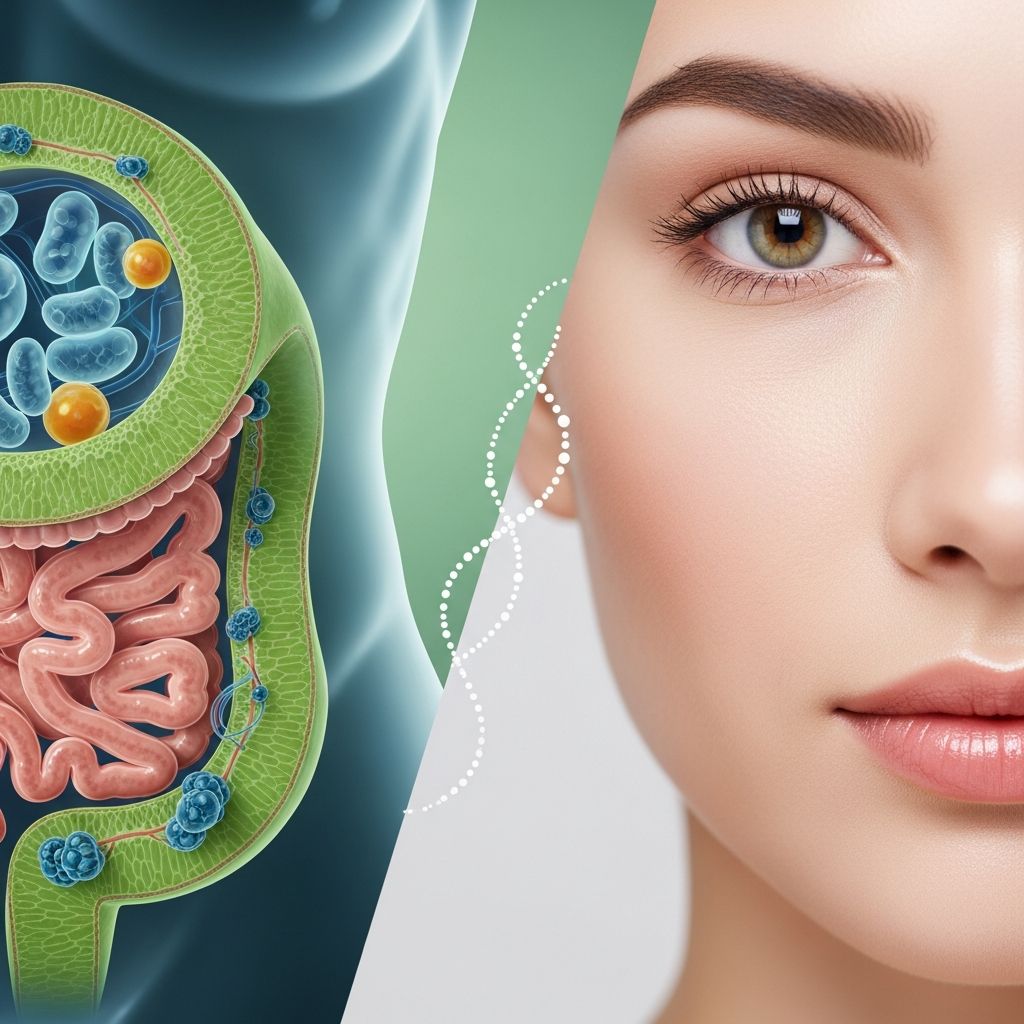
The gut-skin axis represents a bidirectional communication pathway between the gastrointestinal tract and the skin, where imbalances in gut microbiota—known as dysbiosis—can trigger systemic inflammation manifesting as skin disorders. Emerging research highlights how a healthy gut microbiome supports skin barrier function, reduces inflammation, and may even lower risks for conditions like skin cancer by modulating immune responses and oxidative stress.
The Gut-Skin Axis Explained
The
gut-skin axis
is a complex interplay mediated by the gut microbiome, which produces metabolites like short-chain fatty acids (SCFAs) that regulate inflammation and immune function. When gut bacteria are imbalanced, it compromises the intestinal barrier (leaky gut), allowing toxins and bacteria to enter the bloodstream, promoting chronic inflammation that affects skin health.- Gut barrier integrity: Protects against microbial translocation; diet and probiotics strengthen it.
- Inflammatory mediators: Cytokines like IL-6 and TNF-α rise with dysbiosis, exacerbating skin issues.
- Microbial metabolites: SCFAs from bacteria like Bifidobacterium reduce skin inflammation and boost collagen.
Studies show gut dysbiosis correlates with skin microbiome shifts, influencing conditions from acne to psoriasis. Primary sources confirm this axis’s role in homeostasis, with peer-reviewed evidence linking gut health to epithelial barrier strength.
How Gut Health Influences Specific Skin Conditions
Gut dysbiosis is implicated in multiple dermatological disorders through increased gut permeability and systemic inflammation.
Acne
Acne patients exhibit reduced beneficial bacteria like Bifidobacterium and Lactobacillus, with elevated inflammatory Proteobacteria. High-glycemic diets worsen this by activating mTOR pathways via insulin spikes, leading to breakouts. Restoring gut balance with probiotics shows promise in reducing acne severity.
Eczema (Atopic Dermatitis)
Eczema links to decreased Faecalibacterium prausnitzii, low SCFA production, and leaky gut. Infants with gut dysbiosis are prone to eczema; probiotics like Lactobacillus strains improve barrier function and reduce flares.
Psoriasis
Psoriasis patients have reduced Bacteroidetes and Akkermansia, with bacterial DNA in bloodstream indicating barrier failure. Elevated cytokines (IFN-γ, IL-17) drive plaques; SCFAs from gut bacteria counteract this inflammation.
Rosacea
Eradicating gut pathogens like H. pylori alleviates rosacea symptoms, highlighting gut involvement. Dysbiosis triggers facial flushing via neurogenic inflammation.
Skin Cancer Risk
Gut microbiota influences skin cancer via immune modulation; dysbiosis promotes UV-induced inflammation and impairs antioxidant defenses. Probiotics enhance regulatory T-cells, potentially aiding wound healing post-treatment and reducing radiation dermatitis risk.
| Skin Condition | Gut Dysbiosis Markers | Potential Interventions |
|---|---|---|
| Acne | ↓ Bifidobacterium, ↑ Proteobacteria | Low-glycemic diet, probiotics |
| Eczema | ↓ Faecalibacterium, leaky gut | Pre/probiotics, omega-3s |
| Psoriasis | ↓ Akkermansia, bacterial translocation | SCFAs, anti-inflammatory diet |
| Rosacea | H. pylori overgrowth | Antibiotics, gut healing foods |
| Skin Cancer | Immune dysregulation | Probiotics for post-treatment |
Probiotics, Prebiotics, and Postbiotics for Skin Health
Related Stories



**Probiotics** like Lactobacillus and Bifidobacterium restore microbiome diversity, lower inflammation, and improve skin hydration. They boost collagen, reduce transepidermal water loss, and protect against UV damage via antioxidants.
- Lactobacillus rhamnosus: Enhances skin elasticity, aids wound healing.
- Bifidobacterium with prebiotics: Prevents erythema, treats photoaging.
- Postbiotics: SCFAs like butyrate exhibit anti-inflammatory effects for psoriasis.
Peer-reviewed studies affirm probiotics’ role in modulating the gut-skin axis, with clinical trials showing reduced AD and acne symptoms.
Dietary Strategies to Support the Gut-Skin Axis
A
Mediterranean-style diet
rich in fruits, vegetables, legumes, nuts, and omega-3s fosters beneficial bacteria while curbing inflammation.- Low-glycemic foods: Stabilize blood sugar, prevent acne.
- Fermented foods: Yogurt, kefir, sauerkraut for natural probiotics.
- Prebiotic fibers: Garlic, onions, bananas feed good bacteria.
- Anti-inflammatory additions: Turmeric, ginger, bone broth for gut lining repair.
- Avoid triggers: Sugar, dairy, processed foods that promote dysbiosis.
Gluten-free diets benefit those with sensitivities, improving both gut and skin symptoms. Official guidelines emphasize whole foods for microbiome health.
Lifestyle Factors Affecting Gut and Skin Health
Beyond diet, stress, sleep, and exercise impact the gut-skin axis. Chronic stress disrupts microbiota via cortisol, worsening inflammation. Adequate sleep supports microbiome recovery, while exercise boosts diversity.
- Manage stress with mindfulness to preserve gut barrier.
- Prioritize 7-9 hours sleep for SCFA production.
- Moderate exercise enhances microbial anti-inflammatory effects.
Frequently Asked Questions (FAQs)
Q: Can improving gut health really clear up acne?
A: Yes, studies show probiotics and low-glycemic diets reduce acne by restoring gut balance and lowering inflammation.
Q: What probiotics are best for eczema?
A: Lactobacillus and Bifidobacterium strains improve barrier function and reduce flares in atopic dermatitis.
Q: How does diet affect psoriasis?
A: Anti-inflammatory diets rich in omega-3s and fiber promote SCFAs, alleviating symptoms via the gut-skin axis.
Q: Is there a link between gut health and skin cancer?
A: Dysbiosis may heighten UV damage risk; probiotics support immune function and treatment recovery.
Q: How long until gut changes improve skin?
A: Improvements often appear in 4-12 weeks with consistent probiotics and diet, per clinical evidence.
Conclusion
Nurturing gut health through diet, probiotics, and lifestyle unlocks radiant skin by addressing root causes via the gut-skin axis. This holistic approach not only treats conditions like acne, eczema, and psoriasis but may enhance resilience against skin cancer risks. Consult healthcare professionals for personalized strategies grounded in this emerging science.
References
- Beauty from Within: A Comprehensive Review on Interplay Between Gut Health and Skin — Cosmoderma. 2023. https://cosmoderma.org/beauty-from-within-a-comprehensive-review-on-interplay-between-gut-health-and-skin/
- Gut–Skin Axis: Current Knowledge of the Interrelationship between Microbial Dysbiosis and Skin Conditions — PMC (NCBI). 2021-03-11. https://pmc.ncbi.nlm.nih.gov/articles/PMC7916842/
- The Skin Microbiome Revolution: How Your Gut Bacteria Transform Your Skin Health — Mid County Dermatology. 2024. https://www.midcountyderm.com/post/the-skin-microbiome-revolution-how-your-gut-bacteria-transform-your-skin-health
- The role of gut microbiome in inflammatory skin disorders — PMC (NCBI). 2022. https://pmc.ncbi.nlm.nih.gov/articles/PMC8969879/
- Gut Health for Clear Skin: How Your Digestive System Impacts Your Skin — United Digestive. 2023. https://www.uniteddigestive.com/gut-health-for-clear-skin-how-your-digestive-system-impacts-your-skin/
- The gut-skin axis: feel it in your gut, wear it on your skin — Gut Microbiota for Health. 2023. https://www.gutmicrobiotaforhealth.com/the-gut-skin-axis-feel-it-in-your-gut-wear-it-on-your-skin/
Similar Articles








Read full bio of Sneha Tete