What Does It Mean to Have a Heart Attack?
Understanding heart attacks: causes, symptoms, diagnosis, and emergency response.
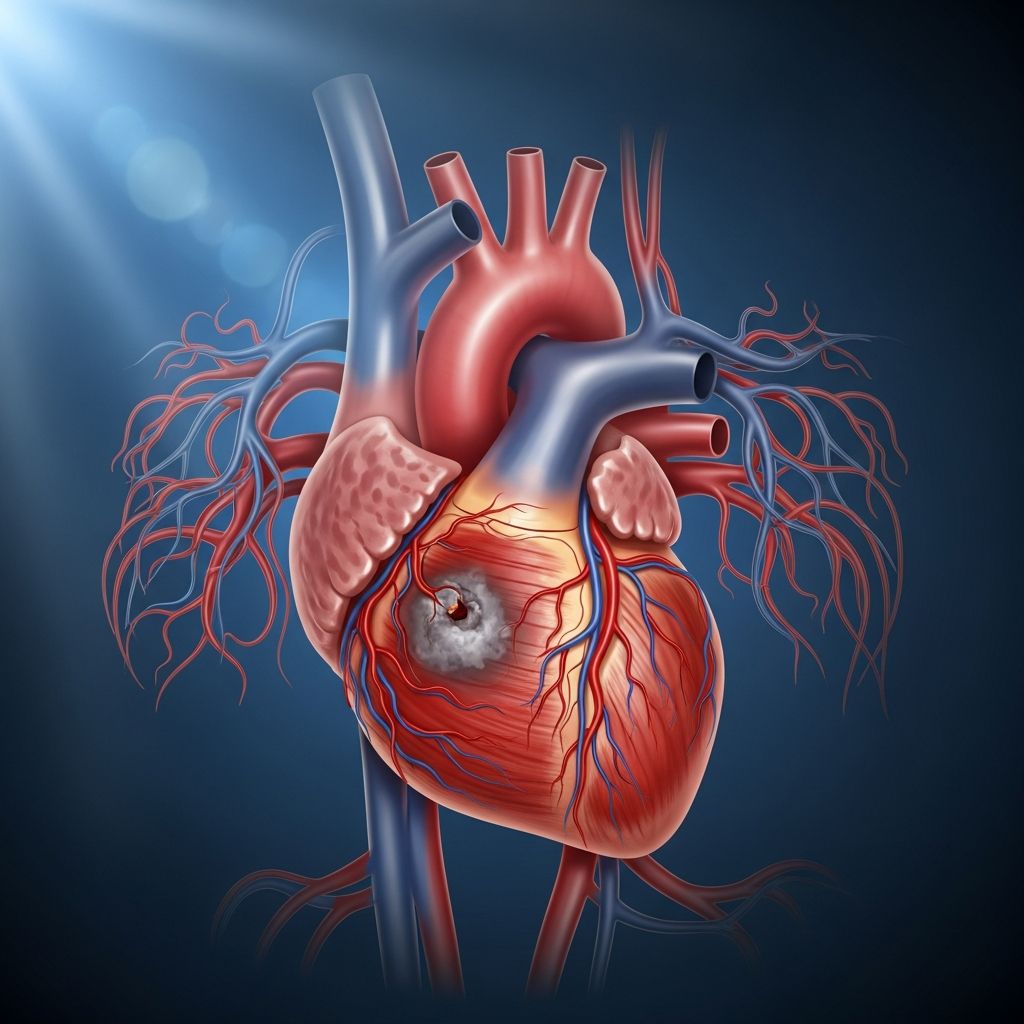
A heart attack, medically known as myocardial infarction, occurs when blood flow to the heart muscle suddenly becomes blocked, depriving it of oxygen-rich blood. Without prompt treatment, the heart muscle begins to die, which can lead to permanent damage or fatal consequences. Understanding what a heart attack is, recognizing its warning signs, and knowing how to respond can literally save your life or someone else’s.
Understanding the Basics of Heart Attacks
Every year, nearly 800,000 Americans experience a heart attack, making it one of the leading cardiovascular emergencies in the United States. A heart attack develops when a blood clot suddenly forms in a coronary artery, blocking the flow of oxygen-rich blood to the heart muscle. When the heart doesn’t receive adequate blood supply, the affected muscle tissue begins to die within minutes. The severity of a heart attack depends on how quickly blood flow is restored and how much of the heart muscle is damaged.
The critical factor in surviving a heart attack is time. Quick medical intervention can prevent or significantly limit damage to the heart muscle. This is why it is essential to recognize the symptoms of a heart attack immediately and call 911, even if you are uncertain about whether you are experiencing a heart attack.
Common Symptoms of a Heart Attack
Heart attack symptoms can vary between individuals, but certain warning signs are more common than others. Recognizing these symptoms is crucial for seeking immediate medical attention.
Chest Discomfort
The most common symptom of a heart attack is chest discomfort, typically felt in the center or left side of the chest. This discomfort usually lasts for more than a few minutes and may come and go. The sensation can vary and may feel like pressure, squeezing, fullness, or acute pain. Some people describe it as similar to heartburn or indigestion, which can make it difficult to identify as a cardiac emergency. It’s important not to dismiss mild chest discomfort, as it may still indicate a serious cardiac event.
Shortness of Breath
Shortness of breath is another prominent symptom that can occur before, during, or after chest discomfort. In some cases, it may be your only symptom. You might experience difficulty breathing while resting or during minimal physical activity. This symptom occurs because the heart is unable to pump blood effectively, causing fluid to accumulate in the lungs.
Discomfort in the Upper Body
Heart attack pain can radiate beyond the chest to various upper body areas, including one or both arms, the back, shoulders, neck, jaw, and upper stomach. This referred pain occurs due to the interconnected nerve pathways between the heart and other parts of the body.
Additional Symptoms
Other symptoms that may accompany a heart attack include nausea, vomiting, dizziness, lightheadedness, and cold sweats. Some individuals may experience unusual fatigue or weakness. These symptoms can be easily mistaken for other conditions, which is why chest discomfort combined with any of these symptoms should prompt immediate medical attention.
Related Stories



Gender Differences in Heart Attack Symptoms
While men and women experience many of the same heart attack symptoms, research shows important differences in how symptoms may present. Women are more likely to experience atypical symptoms, including unexplained fatigue, nausea, abdominal pain, and cramping. Women may also be more prone to shortness of breath without significant chest pain. These differences can lead to delayed diagnosis in women, making it even more critical for women to report all symptoms to healthcare providers.
What Causes a Heart Attack?
Understanding the underlying causes of heart attacks helps in prevention and risk management. The primary cause of most heart attacks is coronary artery disease (CAD).
Coronary Artery Disease and Plaque Buildup
The most common cause of heart attacks is coronary artery disease (CAD), a condition characterized by the accumulation of cholesterol and other materials, called plaque, on the inner walls of coronary arteries. This process, known as atherosclerosis, develops gradually over years or even decades. As plaque builds up, it narrows the arteries, reducing blood flow to the heart.
Eventually, an area of plaque can rupture or break open, triggering the formation of a blood clot around the damaged plaque. This blood clot can rapidly block the coronary artery, abruptly cutting off blood flow to a section of the heart muscle and causing a heart attack.
Coronary Artery Spasm
A less common cause of heart attack is a severe spasm (sudden tightening) of a coronary artery. This spasm can temporarily or permanently cut off blood flow through the artery. Coronary artery spasms can occur in people with or without significant plaque buildup and may be triggered by stress, cold exposure, or certain medications.
Risk Factors for Heart Attacks
Several risk factors increase your likelihood of experiencing a heart attack. Some are modifiable through lifestyle changes, while others cannot be changed.
Non-Modifiable Risk Factors
Age and family history play significant roles in heart attack risk. Men over 45 and women over 55 have higher risk levels. Additionally, if your parents or close relatives experienced early heart disease, your risk increases substantially.
Modifiable Risk Factors
Many heart attack risk factors can be controlled through lifestyle modifications and medical management:
- High blood pressure (hypertension)
- High cholesterol levels
- Smoking and tobacco use
- Diabetes and pre-diabetes
- Obesity and excess weight
- Physical inactivity and sedentary lifestyle
- Unhealthy diet high in saturated fats and sodium
- Excessive stress and mental health conditions
- Excessive alcohol consumption
Diagnosis of a Heart Attack
At the hospital, healthcare providers make a diagnosis based on your symptoms, blood tests, and specialized heart health tests. The diagnostic process typically includes:
Initial Assessment
Medical staff will ask detailed questions about your symptoms, including when they started, their severity, and what you were doing when they began. They will also inquire about your medical history, current medications, and risk factors for heart disease.
Blood Tests
Specific blood tests can reveal markers indicating heart muscle damage. Troponin tests measure proteins released when heart tissue is damaged. Other tests like creatine kinase (CK) and lactate dehydrogenase (LDH) levels can also indicate myocardial damage. C-reactive protein tests may show inflammation related to heart disease.
Electrocardiogram (ECG)
An electrocardiogram records the heart’s electrical activity and can show abnormal patterns associated with a heart attack. It helps identify the location and extent of heart muscle damage.
Imaging Tests
Additional heart health tests may include echocardiograms, stress tests, and cardiac catheterization to assess heart function and identify blockages in coronary arteries.
Emergency Treatment and Response
If you suspect a heart attack, immediate action is essential. Time is literally heart muscle. Every minute without treatment increases the risk of permanent damage or death.
Call 911 Immediately
Do not drive yourself to the hospital or delay calling for emergency services. Call 911 immediately if you experience symptoms of a heart attack. Emergency services can begin treatment in the ambulance, which can significantly improve outcomes.
Emergency Medications
While waiting for the ambulance, certain medications can help reduce damage to the heart. Unless allergic, chewing and swallowing aspirin immediately can thin the blood, potentially saving your life. If the patient has a documented heart condition and a prescription for nitroglycerin, these medications should be taken immediately while awaiting the ambulance arrival.
Cardiopulmonary Resuscitation (CPR)
If the person becomes unresponsive and stops breathing or has no pulse, perform hands-only CPR with chest compressions at a rate of at least 100 compressions per minute. This helps keep blood flowing to the brain and vital organs.
Automated External Defibrillator (AED)
If an automated external defibrillator (AED) is immediately available, follow its instructions and use the device as soon as possible. An AED can restore normal heart rhythm in certain cardiac emergencies.
Hospital Treatment Options
Once at the hospital, treatment may include medications and medical procedures such as coronary angioplasty. In coronary angioplasty, a catheter with a balloon is threaded through blood vessels to the blocked artery. The balloon is inflated to widen the artery and restore blood flow. Often, a stent (a small metal mesh tube) is placed to keep the artery open.
Other treatments may include thrombolytic therapy (clot-busting medications) to dissolve blood clots, and various cardiac medications to reduce strain on the heart and prevent future clots.
Recovery and Rehabilitation
After a heart attack, cardiac rehabilitation programs play a crucial role in recovery. These programs typically include monitored exercise, dietary counseling, stress management, and education about heart disease prevention. Lifestyle modifications are essential for long-term heart health.
Lifestyle Changes
Recovery involves adopting heart-healthy habits such as maintaining a balanced diet low in saturated fats and sodium, engaging in regular physical activity as approved by your doctor, managing stress through relaxation techniques, quitting smoking if applicable, limiting alcohol consumption, and managing weight.
Medication Compliance
Taking prescribed medications consistently, such as beta-blockers, ACE inhibitors, antiplatelet agents, and statins, is essential for preventing future heart attacks and managing heart disease.
Prevention Strategies
Preventing a heart attack is far preferable to treating one. Key prevention strategies include:
- Managing high blood pressure through medication and lifestyle changes
- Controlling cholesterol levels through diet and medication if needed
- Maintaining a healthy weight and avoiding obesity
- Exercising regularly (at least 150 minutes per week of moderate activity)
- Following a heart-healthy diet rich in fruits, vegetables, and whole grains
- Not smoking and avoiding secondhand smoke
- Managing stress through meditation, yoga, or counseling
- Limiting alcohol consumption
- Managing diabetes if you have this condition
- Attending regular health check-ups to monitor risk factors
Frequently Asked Questions
Q: How quickly does a heart attack develop?
A: Heart attacks can develop within minutes. Heart muscle begins dying within minutes of losing blood flow, which is why immediate treatment is critical. Nearly half of people who have had a heart attack don’t realize it at the time, emphasizing the importance of recognizing symptoms.
Q: Can you survive a heart attack without treatment?
A: Survival without treatment is possible but unlikely, and damage to the heart is probable. Quick treatment can significantly improve survival rates and minimize heart damage. Even if you survive initially, untreated heart attacks often result in serious complications.
Q: Are women more likely to have heart attacks than men?
A: While heart disease affects both men and women, women often have atypical symptoms that may delay diagnosis. Post-menopausal women have similar or higher heart disease risk as men of similar age.
Q: What should I do if someone near me is having a heart attack?
A: Call 911 immediately. Give aspirin if not allergic, perform CPR if needed, and use an AED if available. Do not wait to see if symptoms improve.
Q: Can you have a heart attack and not know it?
A: Yes. Silent heart attacks, which cause minimal or no symptoms, do occur, particularly in people with diabetes. These are only discovered later through heart tests.
Q: How long is the recovery from a heart attack?
A: Recovery timelines vary, but most people return to normal activities within several weeks to months. Full recovery can take several months with proper rehabilitation and lifestyle changes.
References
- Heart Attack | Myocardial Infarction — MedlinePlus, National Library of Medicine. 2024. https://medlineplus.gov/heartattack.html
- Symptoms & Signs of a Heart Attack in Women & Men — Mass General Brigham, Harvard Medical School affiliated institution. 2023-06-28. https://www.massgeneralbrigham.org/en/about/newsroom/articles/warning-signs-of-heart-attack
Similar Articles








Read full bio of medha deb