What Does It Mean When Your Poop Floats?
Floating poop can signal diet issues or serious conditions like malabsorption. Learn causes, symptoms, and when to see a doctor for peace of mind.

Floating poop, while often harmless, can indicate excess gas from diet or more serious issues like fat malabsorption (steatorrhea). Normally, stool sinks due to its density, but buoyancy arises from trapped air, high fiber, or undigested fats.
Understanding the causes helps determine if it’s a temporary dietary effect or a sign of gastrointestinal (GI) disorders. This article explores common and serious triggers, symptoms to watch, and guidance on seeking medical help.
Is Floating Poop Normal?
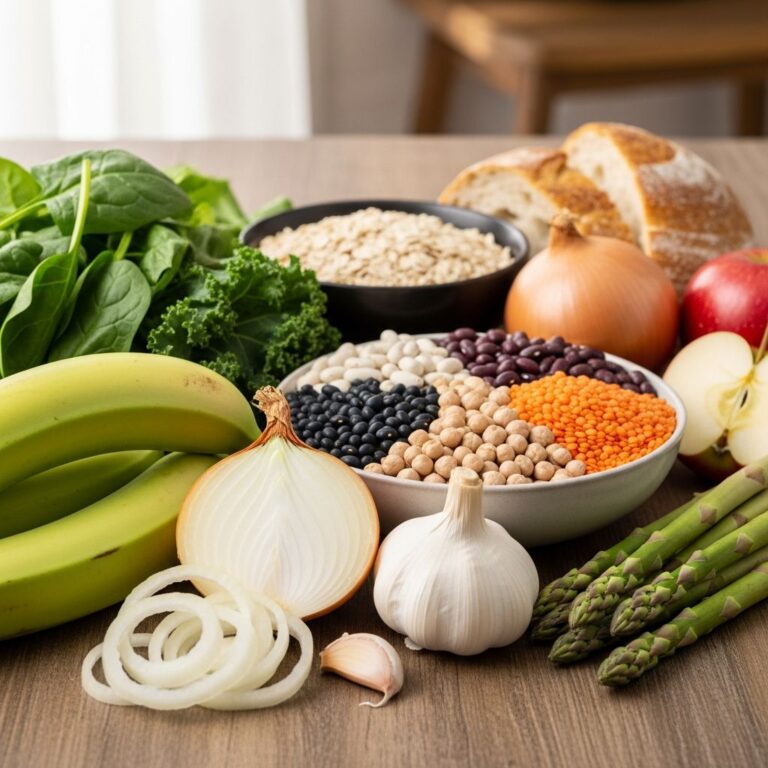
Floating stools are common and usually benign, especially with dietary changes. A high-fiber diet increases bacterial fermentation, producing gas that traps in stool, making it buoyant. Foods like beans, broccoli, Brussels sprouts, and cauliflower are frequent culprits.
However, persistent floating, especially greasy or foul-smelling stool, signals potential malabsorption where the body fails to absorb nutrients properly. Studies show 26% of people with functional bowel disorders like irritable bowel syndrome (IBS) experience floating stools.
- Diet-related floating: Temporary, resolves with diet adjustment.
- Medical-related: Often with greasy appearance (steatorrhea), weight loss, or diarrhea.
Common Causes of Floating Poop
Excess Gas from Diet
The most frequent reason is trapped gas from fermentable foods. High-fiber intake boosts gut bacteria activity, creating air bubbles in stool. A 2020 study noted bloating and floating stools when switching to high-fiber, high-protein diets.
Sugary foods, lactose, starch, and carbonated drinks also contribute. Lactose intolerance causes gas and floating stools after dairy consumption, as undigested lactose ferments in the colon.
| Gas-Producing Foods | Why They Cause Floating Stool |
|---|---|
| Beans, lentils | Fiber ferments, producing hydrogen and methane gas |
| Cruciferous veggies (broccoli, cabbage) | Raffinose sugar breaks down into gas |
| Dairy (for intolerant individuals) | Lactose maldigestion leads to fermentation |
| Sugar-free gum/candies | Sorbitol and mannitol draw water and gas |
GI Infections
Infections like giardiasis produce greasy, floating stools due to malabsorption and gas. Bacterial culprits such as Escherichia coli and Salmonella generate gas during invasion. Parasites impair nutrient uptake, leading to fatty, buoyant stool.
Symptoms often include diarrhea, cramps, and fever. Most resolve with hydration and antibiotics if bacterial.
Serious Causes: Malabsorption and Steatorrhea
Steatorrhea—excess fat in stool—makes it float, greasy, sticky, and foul-smelling. It’s a hallmark of fat malabsorption.
Celiac Disease
Autoimmune reaction to gluten damages small intestine villi, preventing fat absorption. Floating, pale stools accompany bloating, diarrhea, and weight loss.
Pancreatic Issues
Exocrine pancreatic insufficiency (EPI) from chronic pancreatitis or cystic fibrosis reduces digestive enzymes, leaving fats undigested. Pancreatic cancer blocks ducts, causing greasy, light-colored stools. Blockages from tumors or gallstones exacerbate this.
- Cystic fibrosis: Thick mucus clogs pancreas, impairing enzyme release.
- Pancreatitis: Inflammation reduces enzyme production.
Liver and Bile Duct Problems
Bile from the liver emulsifies fats. Blockages from gallstones, liver disease, or biliary atresia cause fatty stools, dark urine, and pale color.
Small Intestine Disorders
Crohn’s disease, tropical sprue, Whipple disease, or post-surgical short bowel syndrome lead to steatorrhea. Inflammatory bowel disease (IBD) like ulcerative colitis may cause blood-tinged floating stools.
Related Stories



Carbohydrate Malabsorption
Undigested carbs (lactose, sucrose) ferment, producing acidic, gassy stool. Disaccharidase deficiency is a rare genetic cause.
Rare Genetic Conditions
Bassen-Kornzweig syndrome impairs fat absorption; biliary atresia underdevelops bile ducts.
| Condition | Key Symptoms with Floating Stool | Mechanism |
|---|---|---|
| Celiac Disease | Diarrhea, weight loss, bloating | Gluten damages intestines |
| EPI/Pancreatic Cancer | Greasy, pale, foul-smelling | Enzyme/bile deficiency |
| IBS/Functional Disorders | Bloating, pain, irregular bowels | Altered motility/gas |
| GI Infections | Fever, cramps, diarrhea | Gas/malabsorption |
Associated Symptoms That Warrant Concern
Isolated floating poop is rarely alarming, but combined symptoms signal issues:
- Greasy, sticky, or foul-smelling texture (steatorrhea).
- Unintentional weight loss.
- Chronic diarrhea, constipation, or blood in stool.
- Severe abdominal pain, nausea, vomiting, fever.
- Pale/clay-colored stools, dark urine, itchy skin.
- Poor appetite or dizziness.
Blood with floating stool may indicate IBD, ulcers, polyps, or cancer.
When to See a Doctor
Consult a healthcare provider if floating persists beyond a few days or accompanies red flags. Tests may include stool analysis for fat content, blood work, endoscopy, or imaging.
- Immediate care: Blood, severe pain, dehydration, fever >101°F.
- Follow-up: Persistent changes in those with GI history.
Diagnosis guides treatment: gluten-free diet for celiac, enzymes for EPI, antibiotics for infections.
Treatment and Prevention
Dietary Adjustments
Reduce gas-producers gradually; introduce fiber slowly. Lactose-intolerant? Opt for lactose-free dairy.
Medical Interventions
Treat underlying causes: pancreatic enzyme supplements for EPI, bile acid therapy for deficiencies. Celiac requires strict gluten avoidance.
Lifestyle Tips
- Eat smaller, frequent meals.
- Stay hydrated.
- Exercise to aid digestion.
- Track diet-symptom journal.
Frequently Asked Questions (FAQs)
Is floating poop always a sign of cancer?
No, it’s rarely cancer-related alone. Pancreatic cancer may cause it via enzyme blockage, but symptoms like weight loss and jaundice accompany it.
Does floating poop mean high cholesterol?
Not directly. It’s more about digestion than blood cholesterol, though both involve fats.
How long is too long for floating stools?
If over 1-2 weeks or with other symptoms, see a doctor.
Can medications cause floating poop?
Yes, some like orlistat (fat-blocker) lead to steatorrhea.
Is floating poop contagious?
Only if infection-related, like giardiasis.
References
- Floating Poop: Causes, is it normal, and when to see a doctor — Medical News Today. 2023-10-15. https://www.medicalnewstoday.com/articles/325274
- What to Know About Floating Stools — WebMD. 2024-05-20. https://www.webmd.com/digestive-disorders/what-to-know-about-floating-stools
- What Causes Your Stool to Float? — Healthline. 2023-11-08. https://www.healthline.com/health/stools-floating
- Stools – floating — ADAM Health. 2024-01-12. https://sbrmc.adam.com/content.aspx?productid=117&pid=1&gid=003128
- Should My Poop Float or Sink? — UnityPoint Health. 2023-09-14. https://www.unitypoint.org/news-and-articles/should-my-poop-float-or-sink
- Steatorrhea (Fatty Stool): Definition, Causes, Treatment — Cleveland Clinic. 2024-02-28. https://my.clevelandclinic.org/health/symptoms/24049-steatorrhea-fatty-stool
Similar Articles








Read full bio of medha deb