What Does Lice Look Like? Complete Identification Guide
Identify head lice, nits, and body lice: Visual guide, life cycle, symptoms, and effective treatment strategies for quick removal.
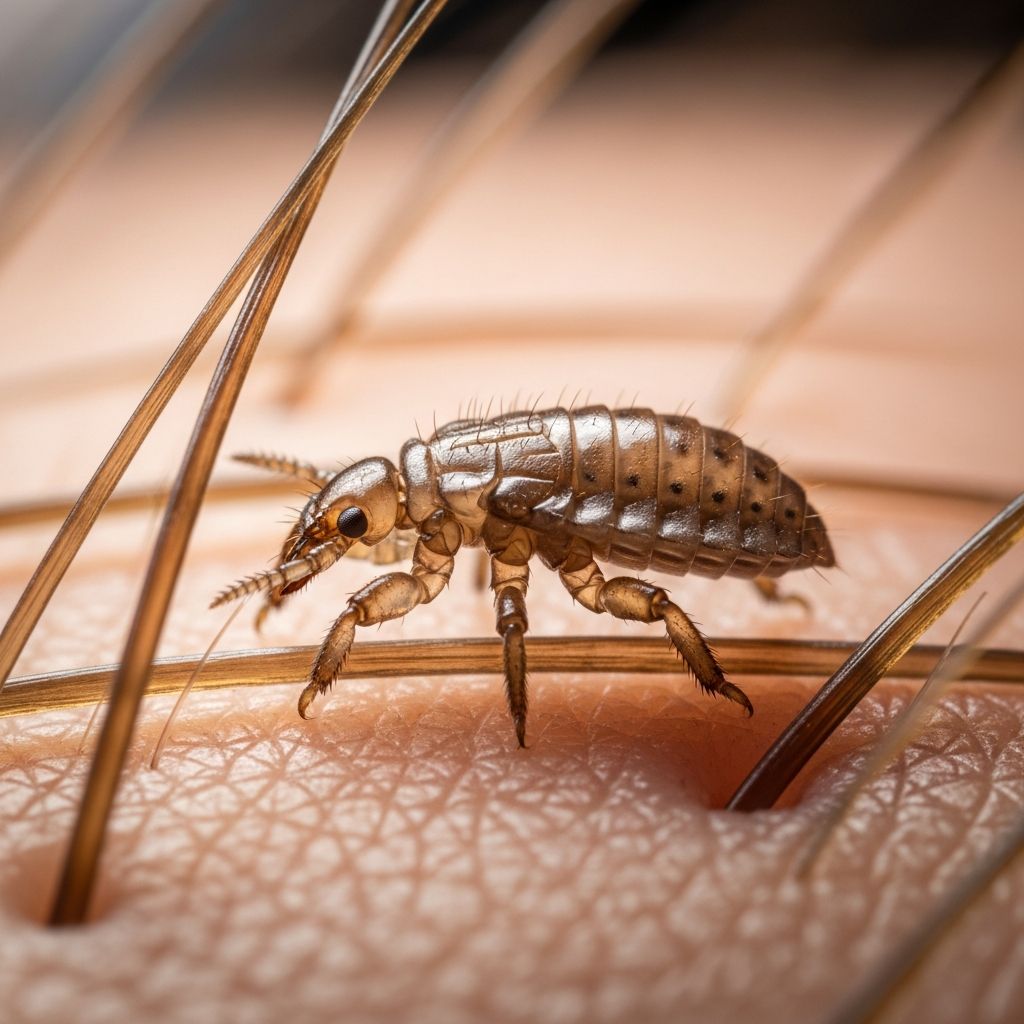
Head lice are tiny parasitic insects that infest the human scalp, causing itching and discomfort. Distinguishing lice from nits, dandruff, or debris is crucial for effective treatment. This guide covers their appearance, life cycle, symptoms, and removal strategies based on authoritative health sources.
What Are Lice?
Lice are wingless, six-legged insects that feed on human blood. Head lice (Pediculus humanus capitis) live on the scalp, while body lice inhabit clothing seams. Pubic lice affect the genital area. They cannot fly or jump but crawl quickly, spreading via direct contact.
Adult head lice measure 2-3 mm long, about sesame seed size, with a grayish-white or tan body that darkens after feeding. Nits are lice eggs, oval and 0.8 mm, glued to hair shafts near the scalp.
Head Lice Pictures: What Do They Look Like?
Visual identification is key. Adult lice have a flattened body, crab-like legs for gripping hair, and antennae. They move rapidly when disturbed. Nits appear as tiny white or yellowish dots, firmly attached 1/4 inch from the scalp, unlike loose dandruff.
- Adult louse: 1/16-inch long, pear-shaped, six legs with claws.
- Nit (viable): Pearl-like, glossy, 1 mm, close to scalp.
- Empty nit: Hatched shells, translucent, farther from scalp.
Nymphs resemble smaller adults, emerging 6-9 days post-hatch, maturing in 9-12 days.
Lice Life Cycle
The lice life cycle spans 3 weeks: egg (nit), nymph, adult. Females lay 3-10 eggs daily, hatching in 7-12 days at scalp warmth (86-95°F). Nymphs molt three times, becoming adults in 9 days. Adults live 30 days on-host, dying in 1-2 days off-host without blood meals every 4-6 hours.
| Stage | Description | Duration |
|---|---|---|
| Egg (Nit) | Oval, cemented to hair shaft | 7-12 days to hatch |
| Nymph | Immature louse, blood-feeding | 9-12 days to adult |
| Adult | Reproduces, feeds frequently | Up to 30 days |
Breaking the cycle requires killing all stages: treat adults/nymphs, remove nits, retreat in 7-9 days.
What Do Lice Eggs (Nits) Look Like?
Nits are teardrop-shaped, 0.75-1 mm, pearly white. Viable ones are shiny, near scalp roots for warmth; hatched ones are dull, higher up. They resist brushing, unlike dandruff. Use a magnifying glass or lice comb under bright light for detection.
Differentiation:
- Nits: Fixed to hair, hard to remove.
- Dandruff: Flakes off easily, irregular shape.
- Product buildup: Sticky, not oval.
What Do Nits vs. Lice Look Like?
Nits are stationary eggs; lice are mobile. Empty nits slide up hair; live ones stay put. Infestations show clusters behind ears, nape. No symptoms in 4-6 weeks for first-timers as immunity builds.
Body Lice vs. Head Lice: Pictures and Key Differences
| Feature | Head Lice | Body Lice |
|---|---|---|
| Habitat | Scalp, hair | Clothing seams |
| Size | 2-3 mm | 2.3-3.6 mm |
| Transmission | Head-to-head | Poor hygiene, contact |
| Symptoms | Scalp itch | Body rash, fever |
Body lice lay eggs in clothes, transmitting diseases like typhus.
What Do Pubic Lice Look Like?
Pubic lice (crabs) are 1-2 mm, yellow-gray, with large claw-like legs. They infest coarse hair in pubic area, armpits. Eggs are smaller, pearl-like. Spread sexually or via bedding.
Related Stories



Lice Bites: What Do They Look Like?
Lice inject saliva causing red, itchy welts. Head lice bites appear as tiny red bumps on scalp, neck, ears. Intense scratching leads to sores, infection. Body lice cause maculopapular rash.
Symptoms of Lice Infestation
- Tingling/crawling sensation.
- Persistent scalp itching, worse at night.
- Visible nits/lice on combing.
- Red bumps, sores from scratching.
- Lymph node swelling (severe cases).
Many asymptomatic, especially first infestation.
How Do You Get Lice?
Direct head-to-head contact primary, common in schools. Indirect via shared hats, combs rare as lice die off-host in 2 days. Not from pets or poor hygiene.
How to Check for Lice
- Wet hair, apply conditioner.
- Section hair, use fine-tooth comb.
- Comb from roots to tips over sink/paper.
- Examine comb for lice/nits.
- Repeat every 2-3 days for 2 weeks.
Lice Treatment
Treat only if live lice/nits found. Options:
- OTC Pyrethrins/Permethrin: Kills live lice; retreat in 7-10 days.
- Ivermectin lotion: Prescription, single application.
- Spinosad (Natroba): For ages 6+, kills eggs too.
- Wet combing: Daily with conditioner.
- Silicone (dimethicone): Suffocates lice, no resistance.
Avoid unproven remedies like mayo/olive oil.
Home Remedies for Lice
Supportive: Daily combing, tea tree oil dilution (limited evidence). Prioritize FDA-approved treatments.
How to Get Rid of Lice
- Apply treatment per instructions.
- Comb out dead lice/nits daily.
- Wash bedding/clothes in hot water (>130°F), dry high heat.
- Vacuum furniture/cars.
- Seal non-washables in bags 2 weeks.
- Treat household contacts if symptomatic.
No school exclusion needed post-treatment in most policies.
Lice Prevention Tips
- Avoid head contact.
- Don’t share combs/hats.
- Check hair weekly in high-risk groups.
- Tie long hair back.
Frequently Asked Questions (FAQs)
Do lice live in pillows or bedding?
Briefly (1-2 days); wash in hot water to kill.
Can lice jump or fly?
No, only crawl.
How long do lice live off the head?
Up to 2 days without host.
Are lice contagious?
Highly via contact.
Can pets get human lice?
No.
References
- Life cycle of lice: Stages, how they spread, and more — Medical News Today. 2023-05-01. https://www.medicalnewstoday.com/articles/life-cycle-of-lice
- Overview: Head lice — InformedHealth.org – NCBI Bookshelf. 2023-10-05. https://www.ncbi.nlm.nih.gov/books/NBK279329/
- Head Lice — Ashland County Health Department. 2024-01-15. https://www.ashlandhealth.com/services/head-lice/
- Head Lice: What Parents Need to Know — American Academy of Pediatrics (HealthyChildren.org). 2023-08-20. https://www.healthychildren.org/English/health-issues/conditions/from-insects-animals/Pages/signs-of-lice.aspx
- Head Lice: Where Do They Come From? — Healthline. 2024-02-10. https://www.healthline.com/health/lice/where-do-lice-come-from
Similar Articles








Read full bio of Sneha Tete