Nephrologist: Comprehensive Guide To Roles, Training, And Care
Understanding the role of nephrologists in kidney disease diagnosis and treatment.

What is a Nephrologist?
A nephrologist is a medical doctor who specializes in the diagnosis, treatment, and management of kidney diseases and disorders. These highly trained physicians have completed medical school followed by additional specialized training in nephrology, the branch of medicine focusing on kidney health and function. Nephrologists possess extensive knowledge of how the kidneys work, what causes kidney dysfunction, and how to manage complex kidney conditions that affect millions of people worldwide.
Nephrologists serve as essential members of the healthcare team, working collaboratively with other specialists to provide comprehensive care for patients with kidney problems. They combine clinical expertise with research knowledge to deliver evidence-based treatments and help patients maintain optimal kidney function throughout their lives.
Training and Qualifications of Nephrologists
Becoming a nephrologist requires extensive medical education and training. After completing four years of medical school, aspiring nephrologists must complete a three-year internal medicine residency program. Following this foundation, they undertake a two to three-year nephrology fellowship to develop specialized expertise in kidney disease management.
During their fellowship training, nephrologists learn about:
- Chronic kidney disease (CKD) management and progression
- Acute kidney injury evaluation and treatment
- Glomerular diseases and autoimmune kidney conditions
- Dialysis and renal replacement therapy
- Kidney transplantation and post-transplant care
- Hypertension and cardiovascular complications of kidney disease
- Renal genetics and inherited kidney disorders
- Interventional nephrology procedures
Many nephrologists obtain board certification through the American Board of Internal Medicine, demonstrating their commitment to maintaining high standards of medical knowledge and patient care. Some nephrologists pursue additional subspecialty training in areas such as transplant nephrology, pediatric nephrology, or interventional nephrology.
Primary Responsibilities of Nephrologists
Nephrologists engage in diverse clinical activities designed to diagnose, treat, and prevent kidney diseases. Their responsibilities encompass both direct patient care and collaborative medical management.
Disease Diagnosis and Management
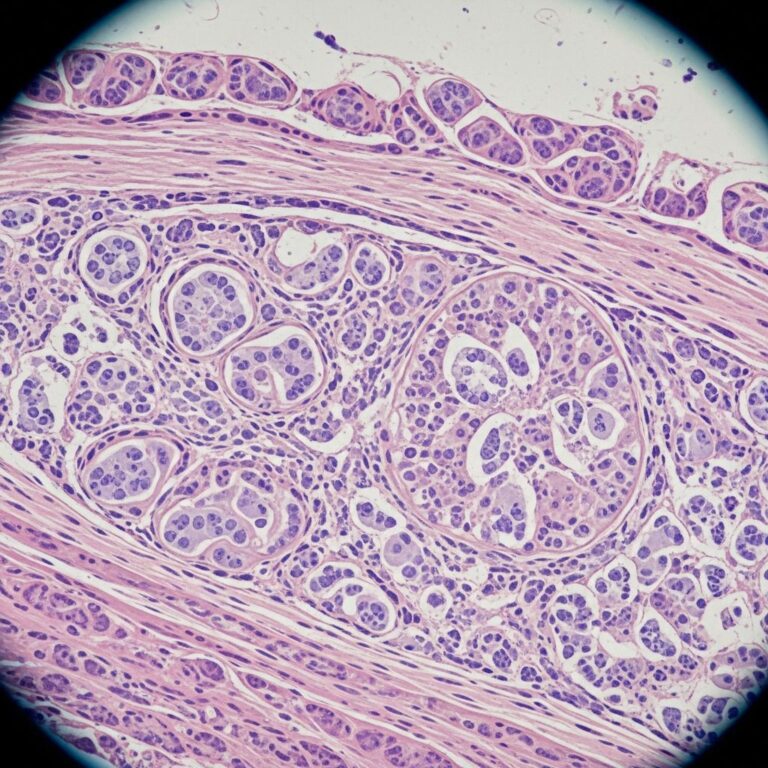
Nephrologists evaluate patients presenting with signs and symptoms of kidney disease. They order and interpret specialized tests, including blood work measuring kidney function markers such as creatinine and glomerular filtration rate (GFR), urinalysis, and imaging studies. When necessary, they perform kidney biopsies to obtain tissue samples for precise diagnosis of glomerular diseases and other kidney conditions.
Chronic Kidney Disease Care
Nephrologists provide long-term management of chronic kidney disease, helping patients slow disease progression through blood pressure control, medication management, dietary modifications, and lifestyle interventions. They monitor kidney function closely and adjust treatment plans as needed to preserve remaining kidney function and prevent complications.
Acute Kidney Injury Management
When patients experience sudden kidney function decline, nephrologists rapidly assess the underlying cause and implement appropriate treatment. This may include managing electrolyte imbalances, fluid status, and prescribing medications while supporting kidney recovery.
Dialysis and Renal Replacement Therapy
For patients with end-stage kidney disease requiring dialysis, nephrologists manage dialysis prescriptions, monitor treatment effectiveness, and adjust therapy based on patient response. They help patients and families understand different dialysis options, including hemodialysis, peritoneal dialysis, and home-based therapies.
Kidney Transplant Coordination
Nephrologists play crucial roles in evaluating kidney transplant candidates, managing pre-transplant preparation, and providing post-transplant care. They monitor transplant function, manage immunosuppressive medications, and address complications that may arise after transplantation.
Related Stories



Conditions Nephrologists Treat
Nephrologists manage a wide spectrum of kidney diseases and related conditions affecting patients across all age groups. These include:
Glomerular Diseases
Nephrologists specialize in diagnosing and treating diseases affecting the glomeruli, the kidney’s filtering units. These conditions include IgA nephropathy, lupus nephritis, focal segmental glomerulosclerosis (FSGS), membranoproliferative glomerulonephritis, and various other autoimmune kidney diseases. Through kidney biopsy and immunological testing, nephrologists identify specific disease processes and develop targeted treatment strategies.
Chronic Kidney Disease
Nephrologists manage the progressive decline in kidney function seen in chronic kidney disease, implementing strategies to slow disease progression and prevent cardiovascular complications.
Acute Kidney Injury
Nephrologists treat sudden loss of kidney function due to various causes, including medications, infections, dehydration, or contrast exposure.
Hypertension and Renal Hypertension
Nephrologists manage high blood pressure related to kidney disease and identify secondary hypertension caused by renal artery stenosis or other kidney abnormalities.
Electrolyte and Fluid Disorders
Nephrologists diagnose and treat abnormalities in sodium, potassium, calcium, and phosphate balance, which significantly impact kidney and overall health.
Kidney Infections and Pyelonephritis
Nephrologists evaluate and treat infections affecting the kidneys and urinary system.
Polycystic Kidney Disease
Nephrologists manage this genetic disorder characterized by fluid-filled cysts developing throughout the kidneys, leading to progressive kidney failure.
Diabetic Kidney Disease
Nephrologists treat kidney damage resulting from diabetes, implementing strategies to preserve function and prevent progression to end-stage disease.
Genetic Kidney Diseases
Nephrologists diagnose and manage inherited kidney disorders through genetic testing, counseling, and specialized treatment approaches.
When Should You See a Nephrologist?
Your primary care physician may refer you to a nephrologist when you develop kidney-related health issues or when kidney disease complications arise. Consider seeing a nephrologist if you experience:
- Elevated creatinine levels or declining kidney function
- Persistent proteinuria or blood in urine
- Hypertension resistant to standard treatments
- Recurrent kidney infections
- Family history of kidney disease or genetic kidney disorders
- Diabetes with kidney involvement
- Kidney stones or other structural abnormalities
- Electrolyte imbalances
- Symptoms suggesting kidney dysfunction
Collaboration With Other Healthcare Specialists
Nephrologists work closely with other medical professionals to provide comprehensive kidney care. These collaborative relationships include:
- Primary Care Physicians: Coordinating overall health management and initial kidney disease evaluation
- Cardiologists: Addressing cardiovascular complications of kidney disease
- Endocrinologists: Managing diabetes-related kidney disease
- Urologists: Treating structural kidney and urinary tract abnormalities
- Transplant Surgeons: Collaborating on kidney transplantation procedures
- Pathologists: Interpreting kidney biopsy results
- Nurses and Dialysis Technicians: Managing dialysis treatment and patient education
- Nutritionists: Developing dietary plans for kidney disease management
- Social Workers: Addressing psychosocial aspects of living with kidney disease
Advanced Services and Specializations
Many nephrology centers, including Cleveland Clinic, offer specialized services addressing complex kidney conditions:
Renal Genetics Programs
Specialized clinics focus on identifying genetic causes of kidney disease through advanced testing and genetic counseling, improving diagnosis accuracy and enabling targeted treatments.
Interventional Nephrology
Nephrologists with additional training perform procedures such as native fistula creation for hemodialysis access, percutaneous renal biopsies, and management of dialysis access complications.
Transplant Nephrology
Specialists in this area provide comprehensive kidney transplant care, including recipient and donor evaluation, medication management, and long-term follow-up.
Pediatric Nephrology
Pediatric nephrologists specialize in kidney diseases affecting children, from congenital abnormalities to acquired disease.
Obstetric Nephrology
Nephrologists with obstetric training manage kidney disease in pregnant patients, balancing maternal kidney health with fetal well-being.
Research and Innovation in Nephrology
Nephrologists contribute significantly to advancing kidney disease understanding through clinical research. Major nephrology centers conduct epidemiological studies examining disease patterns, outcomes research comparing treatment approaches, and translational research developing novel therapeutic strategies. These research efforts lead to improved diagnostic methods, more effective treatments, and better long-term outcomes for patients with kidney disease.
Frequently Asked Questions
Q: What is the difference between a nephrologist and a urologist?
A: Nephrologists specialize in kidney disease management, including diagnosis, treatment of conditions affecting kidney function, and dialysis management. Urologists focus on the urinary system’s structural aspects, treating conditions like kidney stones, urinary tract infections, and urinary system cancers. While there is occasional overlap, these specialists typically address different aspects of kidney and urinary health.
Q: How often should I see a nephrologist if I have chronic kidney disease?
A: The frequency of nephrologist visits depends on your kidney disease stage and severity. Early-stage kidney disease may require annual or semi-annual visits, while advanced disease typically requires more frequent monitoring. Your nephrologist will establish an appropriate follow-up schedule based on your individual needs.
Q: Can a nephrologist help me avoid dialysis?
A: Yes, nephrologists implement comprehensive strategies to slow kidney disease progression and preserve remaining function. Through optimal blood pressure control, medication management, dietary modifications, and lifestyle changes, many patients can delay or avoid dialysis. However, some patients with severe kidney disease may eventually require dialysis or transplantation.
Q: What should I expect at my first nephrology appointment?
A: At your initial appointment, the nephrologist will review your medical history, current medications, family history of kidney disease, and symptoms. They will perform a physical examination, review laboratory results, and order additional tests if needed. Based on this evaluation, they will discuss their findings and develop a personalized treatment plan.
Q: Do I need a referral to see a nephrologist?
A: Most insurance plans require a referral from your primary care physician to see a nephrologist. However, some healthcare systems allow direct self-referral. Contact your insurance provider or the nephrology clinic directly to clarify their specific requirements.
Q: How can I prepare for my nephrology visit?
A: Prepare by bringing a list of all current medications, recent laboratory results, and blood pressure readings if you monitor at home. Write down any symptoms or concerns you want to discuss. Knowing your family history of kidney disease or other health conditions is also helpful.
References
- Cleveland Clinic Nephrology Update — Cleveland Clinic Center for Continuing Education. 2024. https://oakstone.com/cleveland-clinic-nephrology-update/
- Identifying Genetic Causes of Chronic Kidney Disease Improves Diagnosis and Treatment — Cleveland Clinic Consult QD. 2024. https://consultqd.clevelandclinic.org/urology-nephrology/nephrology
- The Cleveland Clinic Kidney Biopsy Epidemiological Project — National Institutes of Health, National Center for Biotechnology Information. 2023. https://pmc.ncbi.nlm.nih.gov/articles/PMC9802556/
- Kidneys: Location, Anatomy, Function & Health — Cleveland Clinic. 2024. https://my.clevelandclinic.org/health/body/21824-kidney
- IgA Nephropathy: Reviewing the Evidence on Current and Future Therapies — Cleveland Clinic Journal of Medicine. 2024. https://www.ccjm.org/nephrology
Similar Articles








Read full bio of medha deb