Protein Powder Benefits: 6 Ways To Build Muscle & Boost Health
Uncover the real benefits, risks, and necessity of protein powder for muscle building, weight management, and daily health.
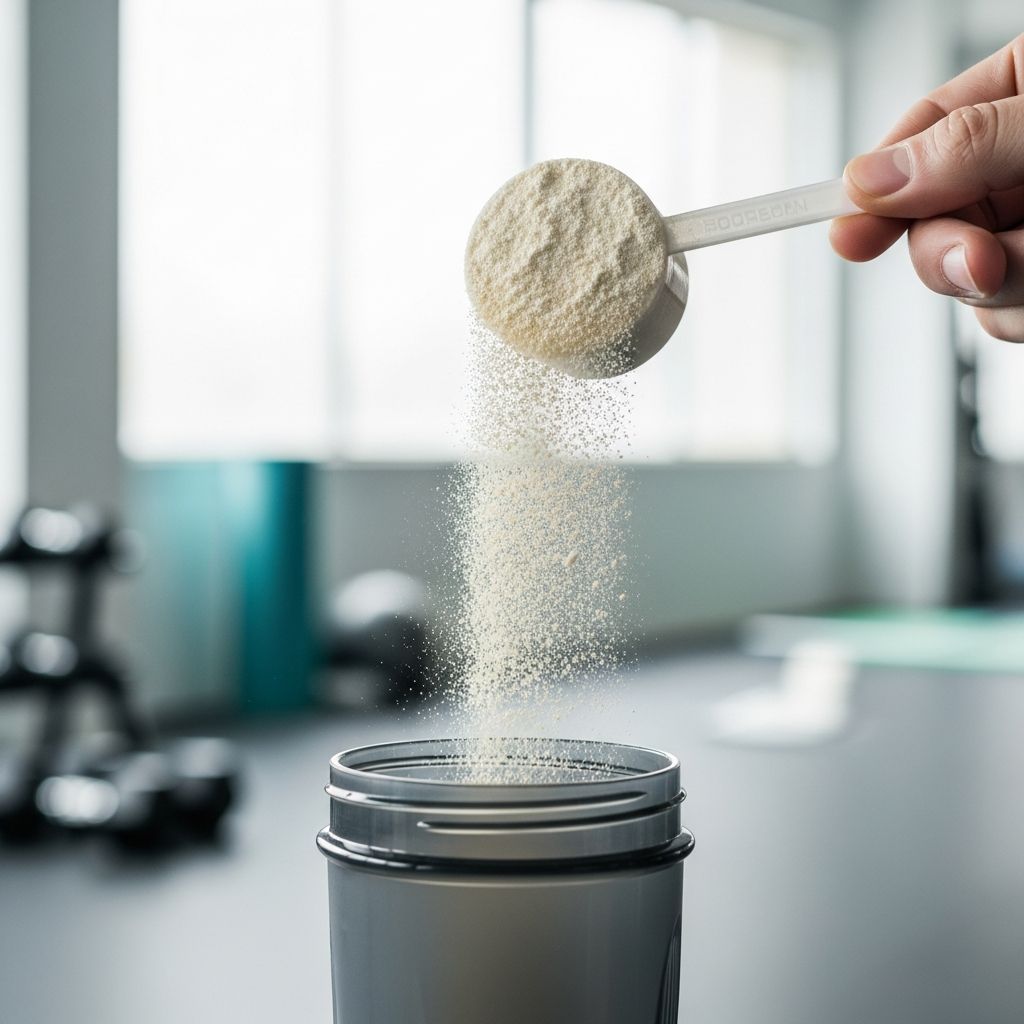
Protein powder is a popular supplement touted for muscle building, weight loss, and overall health, but its effects depend on your diet, activity level, and product quality. While it can fill protein gaps conveniently, many people meet needs through food alone, and some powders contain concerning levels of heavy metals like lead.
What Is Protein Powder?
Protein powder is a concentrated source of protein derived from foods like milk, eggs, soy, peas, rice, or hemp, processed into a fine powder for easy mixing into shakes, smoothies, or recipes. It provides 15-30 grams of protein per serving, often with added vitamins, minerals, or flavors, making it a quick way to boost intake without cooking a full meal.
Unlike whole foods, protein powders are not strictly regulated by the FDA, leading to variability in quality, purity, and labeling accuracy. They come in forms like whey (fast-digesting dairy protein), casein (slow-digesting), plant-based blends, or isolates for low-carb needs. Dietitians emphasize a food-first approach, as whole foods offer fiber, micronutrients, and satiety that powders lack.
How Much Protein Do You Need?
The Recommended Dietary Allowance (RDA) for protein is 0.8 grams per kilogram of body weight (0.36 grams per pound) for sedentary adults, equating to about 46 grams for women and 56 grams for men. For a 150-pound person, that’s roughly 55 grams daily, easily met with three ounces of meat (21 grams), a cup of lentils, and whole grains.
Athletes, older adults, and pregnant individuals may need more: 1.2-2.0 grams per kilogram for muscle building or recovery, and 1.0-1.3 grams per kilogram for seniors to combat sarcopenia (age-related muscle loss). Most Americans exceed the RDA through diet, but active people or those with high-protein goals (e.g., 1.6 grams/kg) might benefit from supplements if whole foods fall short.
- Sedentary adult: 0.8 g/kg
- Athletes/strength training: 1.2-2.0 g/kg
- Older adults: 1.0-1.3 g/kg
- Pregnant/lactating: 1.1 g/kg
6 Benefits of Protein Powder
1. Helps Build Muscle
Protein powder supports muscle protein synthesis when combined with resistance training. Whey protein, rich in leucine, triggers muscle growth effectively post-workout. Studies show 20-40 grams around workouts maximizes gains, but total daily intake matters more than timing.
2. Aids Muscle Recovery
After exercise, protein reduces soreness and speeds repair by providing amino acids for tissue rebuilding. A shake with 20-25 grams within 30-60 minutes post-workout can lower muscle damage markers.
3. Helps with Weight Loss
High-protein diets preserve muscle during calorie deficits, boosting metabolism via the thermic effect (30% of protein calories burned digesting). Protein powders in meal replacements increase satiety, reducing overall intake, but they’re not magic—pair with diet and exercise.
4. Supports Bone Health
Adequate protein maintains bone density, countering myths of harm. Powder helps if dairy intake is low, especially with vitamin D and calcium.
5. Convenient Protein Source
Shelf-stable and portable, ideal for busy days, travel, or post-gym. Blends well in oatmeal, yogurt, or baked goods without excess calories.
Related Stories



6. May Improve Blood Sugar Control
Protein slows carb digestion, stabilizing glucose levels, beneficial for diabetes management or pre-workout energy.
Does Protein Powder Work?
Yes, for those not meeting needs via food—e.g., vegans, athletes, elderly. It works by delivering bioavailable amino acids, but excess (beyond 2.0 g/kg) offers no extra benefit and strains kidneys if pre-existing issues exist. Whole foods are superior for holistic nutrition.
Protein Powder vs. Food: Which Is Better?
| Aspect | Protein Powder | Whole Food |
|---|---|---|
| Protein Content | 20-30g/serving, isolated | Variable, with nutrients |
| Convenience | High, quick mix | Requires prep |
| Satiety | Moderate | High (fiber/fat) |
| Cost | $1-2/serving | Cheaper long-term |
| Risks | Heavy metals, additives | Minimal if varied |
Food wins for most; use powder as supplement. A 170-pound person needs 61 grams daily—achievable with Greek yogurt (20g/cup) and chicken (25g/3.5oz).
Are There Any Risks to Protein Powder?
Yes, significant: Consumer Reports tested 23 powders, finding 70% exceeded safe lead levels (0.5 mcg/day concern threshold). Plant-based options were worst—Naked Nutrition Mass Gainer (7.7 mcg/serving, 1,570% over limit), Huel Black Edition (6.3 mcg, 1,290%). Cadmium and arsenic also appeared in some.
Daily use risks cumulative exposure; average U.S. diet has 5.3 mcg lead already. FDA lacks specific limits; EFSA allows 3 mg/kg, deemed too high. Vulnerable groups (pregnant, kids) should avoid. Digestive issues from artificial sweeteners or lactose possible.
How to Choose a Protein Powder
- Third-party tested: NSF, USP, Informed-Sport for purity.
- Protein source: Whey for fast absorption; plant blends for vegans.
- Low additives: <5g sugar, no artificial colors.
- Complete profile: All essential amino acids.
- Calories/sodium: Match goals (<250 cal, <360mg sodium).
Our Top Tested Protein Powders and Shakes
Based on taste, texture, nutrition (15g+ protein, no added sugar, low cal/sodium):
- Best Overall Shake: Fairlife Core Power (chocolate/vanilla, 26-42g protein, creamy like milkshake).
- Best Chocolate Shake: Premier Protein (30g/11oz, tastes like chocolate milk).
- Best Dairy Powder: Dymatize ISO100 Gourmet Vanilla (dissolves easily, smoothie-friendly).
- Best Plant-Based: Essential Elements Very Vanilla (15g from peas/rice/seeds, allergen-free, smooth).
Avoid high-lead products like Naked Mass, Huel Black Edition.
Frequently Asked Questions (FAQs)
Do I need protein powder?
No, most meet needs via food. Use if diet lacks protein or for convenience.
Is protein powder safe?
Many contain heavy metals; choose third-party tested. Limit plant-based due to lead risks.
When should I take protein powder?
Post-workout, between meals, or as meal replacement. Total daily protein key.
Can protein powder cause weight gain?
Only if calories exceed needs; it’s low-cal if used right.
Plant vs. whey: Which is better?
Whey absorbs faster, plant sustainable/allergen-free but check for metals.
Consult a doctor before starting, especially with kidney issues. Prioritize diverse whole foods for optimal health.
References
- Protein Powders and Shakes Contain High Levels of Lead — Consumer Reports. 2023-10-17. https://www.consumerreports.org/lead/protein-powders-and-shakes-contain-high-levels-of-lead-a4206364640/
- The Best Protein Shakes and Protein Powders | Dietitian Q&A — EatingWell (YouTube). 2022-12-02. https://www.youtube.com/watch?v=9nlw9owvnBk
- Dietary Reference Intakes for Energy, Carbohydrate, Fiber, Fat, Fatty Acids, Cholesterol, Protein, and Amino Acids — National Academies Press (.gov via NIH). 2005 (authoritative standard). https://nap.nationalacademies.org/catalog/10490/dietary-reference-intakes-for-energy-carbohydrate-fiber-fat-fatty-acids-cholesterol-protein-and-amino-acids
- International Society of Sports Nutrition Position Stand: protein and exercise — JISSN (PubMed). 2017-06-20. https://doi.org/10.1186/s12970-017-0177-8
- WHO Guidelines on Nutrition for the Elderly — World Health Organization. 2023. https://www.who.int/publications/i/item/9789240075651
Similar Articles








Read full bio of medha deb