What Does Vaping Do To Your Lungs: Key Risks Explained
Understand the serious respiratory health risks of vaping and e-cigarette use.
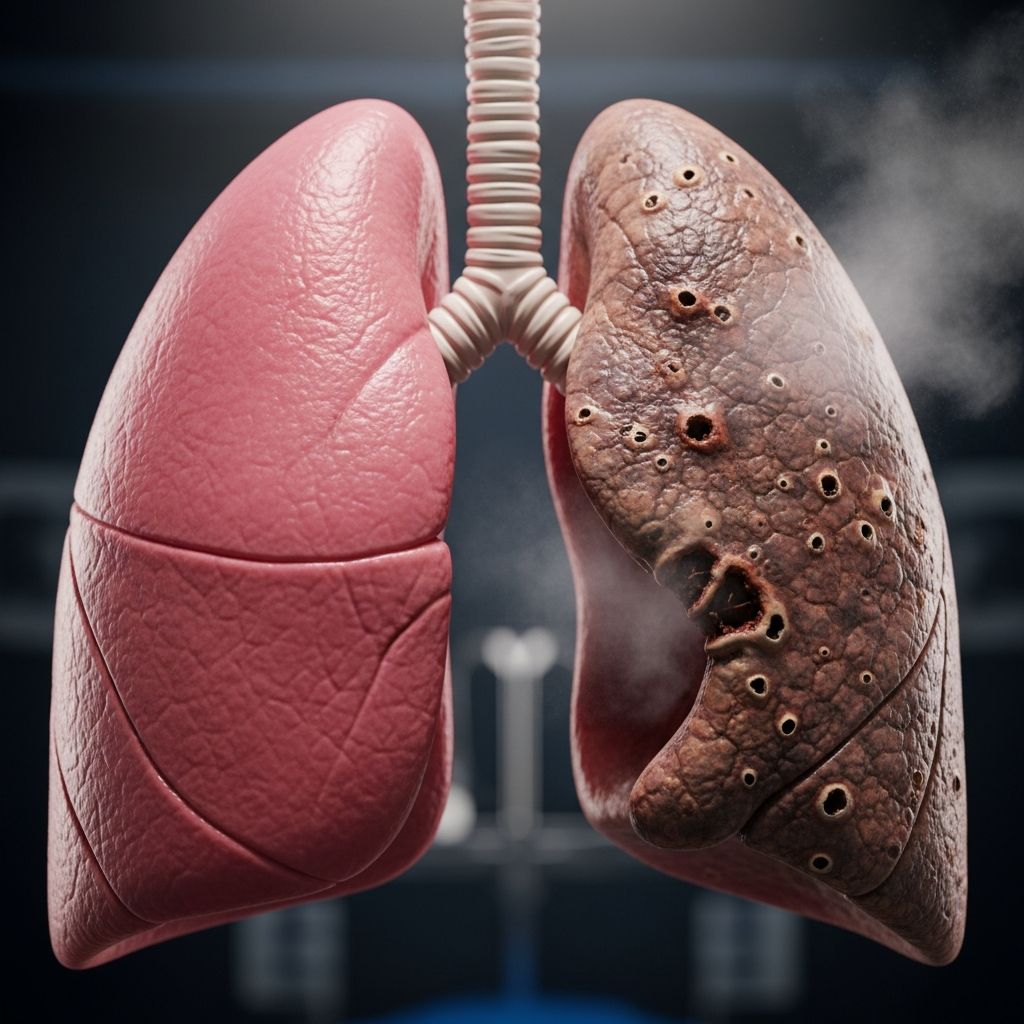
What Does Vaping Do to Your Lungs?
Electronic cigarettes, commonly known as vaping devices, have gained significant popularity over the past decade, particularly among young adults and teenagers. Many people turn to vaping believing it to be a safer alternative to traditional smoking. However, emerging scientific evidence reveals that vaping poses serious risks to lung health and respiratory function. Understanding what happens to your lungs when you vape is crucial for making informed decisions about your health and wellbeing.
The Basics of Vaping and How It Works
E-cigarettes are battery-operated devices that heat a liquid mixture containing nicotine, flavorings, and other chemicals. This liquid is converted into an aerosol, commonly referred to as vapor, which users inhale into their lungs. Unlike traditional cigarettes that burn tobacco, vaping devices do not involve combustion. Despite this fundamental difference, the aerosol produced is not harmless water vapor as many believe. The liquid and aerosol contain numerous potentially harmful substances that can damage lung tissue and respiratory pathways.
The heating process in vaping devices can produce toxic compounds and metals that are then deposited directly into the lungs. Researchers have identified unsafe levels of nickel, tin, and other toxic metals in e-cigarette aerosols from multiple device types and flavors, with some exceeding regulatory safety limits. This exposure to hazardous substances occurs with every inhale, accumulating damage over time.
Immediate Effects on Lung Tissue
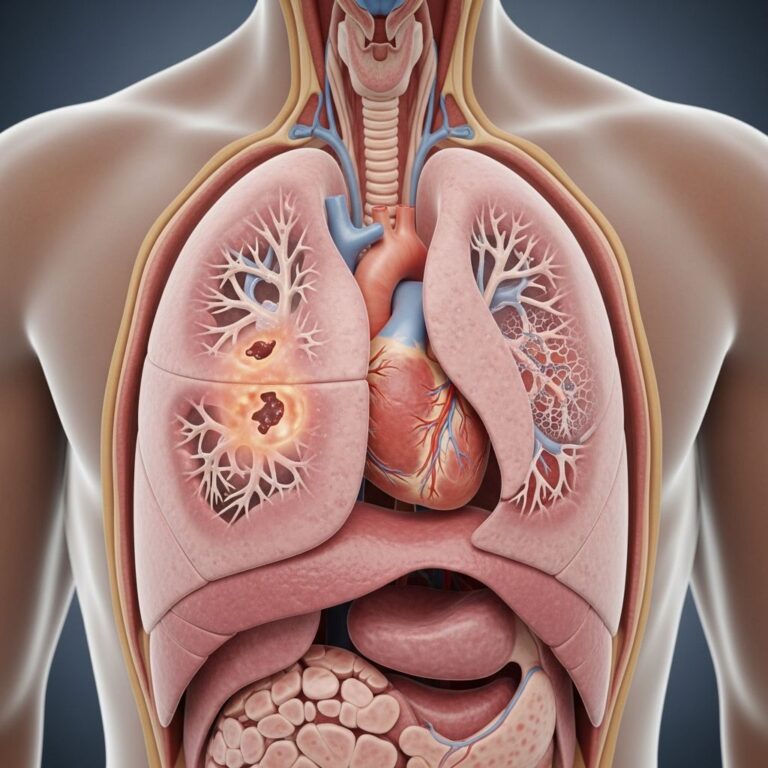
When vapor enters your lungs, it comes into direct contact with delicate lung tissue and airways. The substances in vaping aerosol can cause immediate irritation and inflammation in the respiratory tract. Users often experience symptoms such as coughing, throat irritation, and shortness of breath, particularly when they first start vaping or increase their usage frequency.
The propylene glycol and vegetable glycerin commonly found in vaping liquids create a hostile environment for the cells that line your airways. These cells, known as epithelial cells, form a protective barrier in your respiratory system. Repeated exposure to vaping aerosol can damage these cells, compromising their ability to protect your lungs from pathogens and pollutants. Additionally, the nicotine in vaping products can cause blood vessel constriction, reducing oxygen flow to lung tissue and compromising respiratory efficiency.
Chronic Respiratory Conditions Associated with Vaping
Long-term vaping use is increasingly linked to the development of serious chronic respiratory diseases. One of the most concerning findings from recent research is the connection between vaping and chronic obstructive pulmonary disease (COPD). A landmark study from Johns Hopkins Medicine examined nearly a quarter-million individuals and found a significant association between exclusive e-cigarette use and new-onset COPD diagnosis within a four-year follow-up period. This finding is particularly alarming because it challenges the common misconception that vaping is inherently safer than traditional smoking.
Beyond COPD, vaping has been linked to increased incidence of asthma and other respiratory conditions. Patients who vape often experience refractory asthma, a severe form of the disease that is difficult to control with standard medications. The chronic inflammation caused by regular vaping can trigger or worsen asthma symptoms, leading to increased emergency room visits and hospitalizations.
Researchers have also documented cases where secondhand exposure to e-cigarette aerosol has caused pulmonary disease in non-users, suggesting that the dangers of vaping extend beyond the person using the device.
Comparison of Vaping Versus Traditional Smoking
| Aspect | Traditional Cigarettes | E-Cigarettes (Vaping) |
|---|---|---|
| Combustion | Yes, burns tobacco and paper | No combustion; heats liquid |
| Toxic Chemicals | Thousands of harmful chemicals | Still contains toxic metals and irritants |
| COPD Risk | Very high, well-established | Significant risk; newly documented |
| Nicotine Content | Highly addictive | Highly addictive (often higher concentration) |
| Long-term Studies | Extensive decades of research | Limited long-term data available |
| FDA Regulation | Regulated by FDA | Limited FDA oversight |
Related Stories



While traditional cigarette smoking carries well-documented and severe health risks, emerging evidence suggests that vaping is not the safer alternative many believe it to be. Although the risk of developing COPD from traditional smoking is higher than from vaping alone, the significant association between e-cigarettes and COPD cannot be ignored. Furthermore, vaping slightly increases the risk of hypertension and significantly increases the risk of developing asthma and other respiratory diseases.
Chemical Composition and Health Risks
The aerosol produced by e-cigarettes contains more than just water vapor. Scientific analysis has revealed the presence of numerous potentially harmful substances, including:
- Nicotine—highly addictive and can affect brain development in young users
- Propylene glycol and vegetable glycerin—can irritate airways and lungs
- Toxic metals including nickel, tin, lead, and cadmium—known carcinogens and respiratory irritants
- Formaldehyde and other volatile organic compounds—associated with cancer and respiratory damage
- Flavorings such as diacetyl—linked to serious lung disease
- Vitamin E acetate and other additives—can cause severe lung injury
One particularly concerning discovery was the role of vitamin E acetate in causing vaping-associated pulmonary injury (EVALI). In 2019 and 2020, hundreds of people who vaped suffered serious lung injuries, with several dozen deaths attributed to this substance. This outbreak demonstrated that the contents of vaping devices are not always what users believe them to be, and that regulatory oversight is critically lacking in the e-cigarette industry.
The Problem of Unknown Ingredients
A major challenge in assessing the health risks of vaping is that e-cigarettes are not comprehensively regulated by the U.S. Food and Drug Administration. This means that manufacturers are not required to disclose all ingredients in their products, and users have no way of knowing exactly what they are inhaling with each puff. The lack of standardization and quality control means that vaping devices and liquids can vary significantly in their chemical composition, even among products from the same manufacturer.
This regulatory gap creates a situation where new and untested chemicals can enter vaping devices without proper safety assessment. Healthcare providers cannot reliably counsel patients about the specific contents of their vaping products, making it impossible to fully understand individual health risks or predict long-term consequences.
Impact on Young People and Developing Lungs
The surge in e-cigarette use among adolescents and young adults is particularly concerning because their lungs are still developing. According to the Centers for Disease Control and Prevention, over one million middle and high school students identify as e-cigarette users, with adult usage increasing from 4.5 percent in 2019 to 6.5 percent in 2023. For young people, nicotine exposure during critical developmental years can impair lung development and increase susceptibility to respiratory diseases later in life.
The marketing strategies employed by vaping companies, including appealing flavors and social media campaigns, have been particularly effective in reaching young audiences. Many adolescents do not realize that vaping contains nicotine or understand the potential consequences of inhaling toxic substances into their developing lungs. Educational initiatives are essential to counteract misinformation and help young people make healthier choices.
Recent Research Findings
Recent large-scale studies have significantly advanced our understanding of vaping’s health impacts. A comprehensive analysis published in Nicotine & Tobacco Research examined medical records from nearly 250,000 individuals, ranging from 30 to 70 years old, over a four-year period. The study found 7,925 new cases of COPD among participants, with a significant association between exclusive e-cigarette use and incident COPD diagnosis. Additionally, researchers identified a notable correlation between vaping and hypertension, though no significant correlation was found between exclusive e-cigarette use and type 2 diabetes or heart failure in this particular study window.
These findings represent one of the largest prospective studies examining the cardiometabolic and respiratory effects of vaping in adults. Researchers emphasize that while the study did not find an association between exclusive e-cigarette use and cardiovascular events in the short term, the documented link with COPD and possible hypertension warrants close monitoring and continued research. The uncertainty about the relative harm of e-cigarettes compared to traditional smoking underscores the need for more longitudinal data and stricter regulatory oversight.
Secondhand Vaping Exposure
While much attention focuses on the direct effects of vaping on users, emerging evidence suggests that secondhand exposure to e-cigarette aerosol poses health risks to non-users. Case studies from Johns Hopkins Medicine have documented instances where secondhand vaping exposure caused pulmonary disease in individuals who did not themselves use vaping devices. This indicates that the aerosol expelled by vaping devices contains harmful substances that can damage the lungs of bystanders, particularly children and individuals with pre-existing respiratory conditions.
The health implications of secondhand vaping are not yet fully understood, but preliminary findings suggest this is an overlooked public health concern that requires greater awareness and attention from healthcare providers and policymakers.
Why Quitting Vaping Is Important
If you currently vape, quitting can significantly improve your lung health and reduce your risk of developing serious respiratory diseases. Your lungs have a remarkable ability to heal when you stop exposing them to harmful substances. Within weeks of quitting, you may notice improvements in your breathing, reduced coughing, and increased energy levels. Over months and years, lung function can substantially recover, and your risk of COPD and other respiratory diseases decreases considerably.
Quitting vaping is challenging due to nicotine addiction, but various evidence-based cessation strategies and support resources are available. Speaking with a healthcare provider about smoking cessation programs, nicotine replacement therapy, or prescription medications can significantly increase your chances of successfully quitting.
Key Takeaways About Vaping and Lung Health
The evidence is clear: vaping is not the safe alternative to smoking that marketing campaigns suggest. E-cigarettes expose your lungs to toxic metals, irritating chemicals, and unknown substances that can cause immediate harm and increase the risk of chronic respiratory diseases. While traditional smoking carries greater documented risks, this does not make vaping safe. Young people are particularly vulnerable to the harms of vaping due to their developing lungs and high susceptibility to nicotine addiction. The lack of FDA regulation means users cannot know exactly what they are inhaling, creating unpredictable health risks.
If you are considering vaping or currently use e-cigarettes, it is essential to understand these risks and seek support for smoking cessation if desired. Your lungs are vital organs that deserve protection from all forms of harmful inhalation.
Frequently Asked Questions (FAQs)
Q: Is vaping completely safe?
No. While vaping does not involve combustion like traditional cigarettes, e-cigarette aerosol contains toxic metals, nicotine, and other harmful chemicals that can damage your lungs and respiratory system. Recent research has linked vaping to COPD, asthma, and other serious respiratory diseases.
Q: Can vaping cause COPD?
Yes. A landmark study from Johns Hopkins Medicine found a significant association between exclusive e-cigarette use and new-onset COPD diagnosis. Although the risk is lower than with traditional smoking, vaping users face a measurable and concerning increase in COPD risk.
Q: What toxic substances are in vaping aerosol?
E-cigarette aerosol contains toxic metals such as nickel, tin, lead, and cadmium; propylene glycol and vegetable glycerin; nicotine; formaldehyde; and various flavorings. Some of these substances exceed regulatory safety limits and are known to cause respiratory damage and cancer.
Q: Is secondhand vaping exposure harmful?
Yes. Case studies have documented instances where secondhand exposure to e-cigarette aerosol caused pulmonary disease in non-users. The aerosol contains harmful substances that can damage the lungs of bystanders.
Q: How can I quit vaping?
Several evidence-based strategies can help you quit vaping, including nicotine replacement therapy, prescription medications, behavioral support programs, and counseling with a healthcare provider. Many people find success with a combination of approaches tailored to their individual needs.
Q: Are there long-term studies on vaping safety?
There is a significant lack of long-term studies on vaping health effects, especially for adults. Most available research is relatively recent, and scientists emphasize the need for more longitudinal data to fully understand the long-term consequences of e-cigarette use.
References
- E-cigarette Use and Incident Cardiometabolic Conditions in the All of Us Research Program — Nicotine & Tobacco Research. 2024. https://academic.oup.com/ntr
- Electronic Cigarette Use Among Adults in the United States, 2019–2023 — Centers for Disease Control and Prevention. 2024. https://www.cdc.gov/tobacco/data_statistics/index.htm
- Researchers Find Toxic Metals in E-Cigarette Aerosols — Johns Hopkins Bloomberg School of Public Health, Department of Environmental Health and Engineering. 2024-01-31. https://publichealth.jhu.edu
- Alerting to the Dangers of E-Cigarettes — Johns Hopkins Medicine Center for Innovative Medicine. 2020. https://www.hopkinsmedicine.org
- Safer Than Smoking? Vaping Tied to Alarming Rise in COPD Cases — Discover Magazine. 2024. https://www.discovermagazine.com
Similar Articles








Read full bio of Sneha Tete