What Farts Say About Your Health: Signs, Causes, Fixes
Your flatulence reveals key insights into gut health, diet, and potential medical issues—learn what excessive, smelly, or silent farts mean.
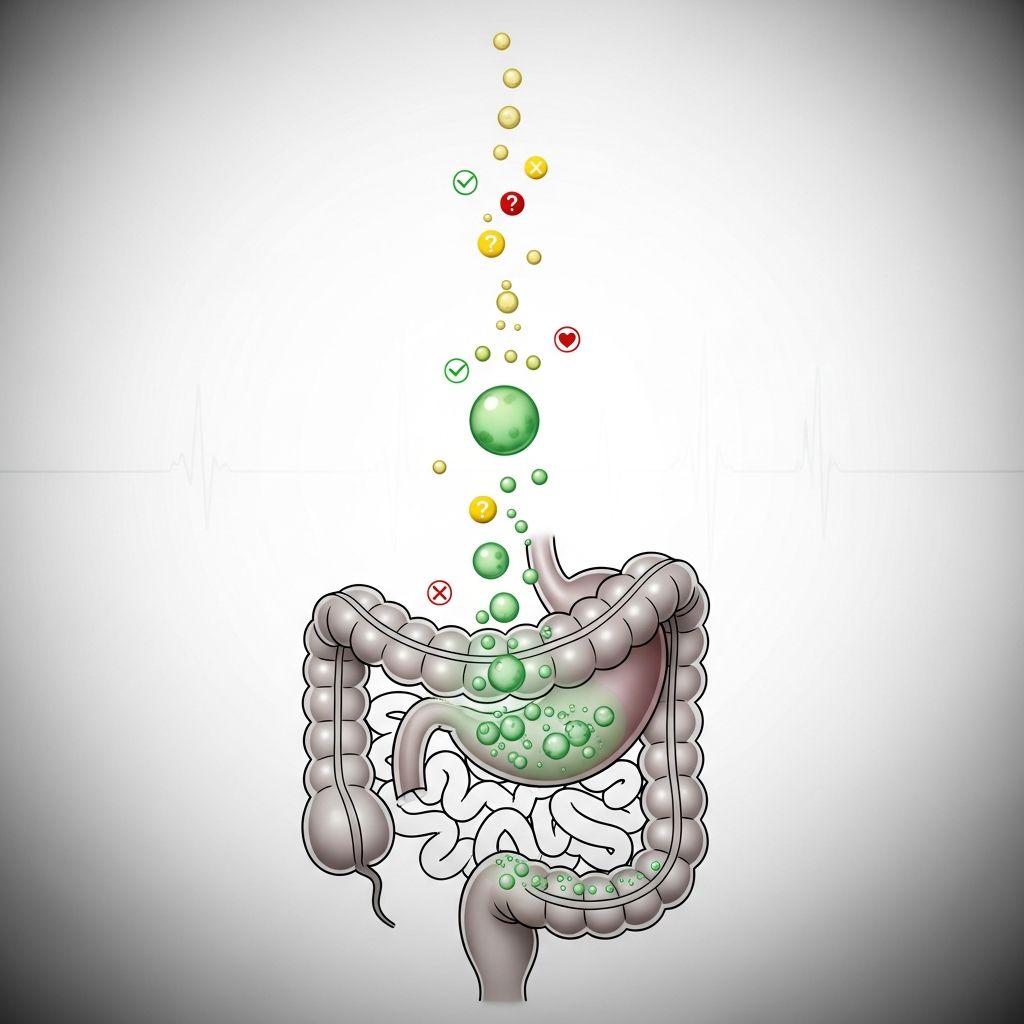
Flatulence, commonly known as farting, is a normal bodily function that occurs as the digestive system processes food and expels built-up gas. While often embarrassing, the characteristics of your farts—such as frequency, odor, volume, and even color—can provide valuable clues about your gut health, diet, and potential underlying conditions. On average, people pass gas 13 to 21 times per day, producing 0.5 to 2 liters of gas daily, primarily from swallowed air, digestion byproducts, and bacterial fermentation in the intestines. Understanding these signals helps distinguish healthy digestion from issues like food intolerances or disorders such as irritable bowel syndrome (IBS).
Why Do We Fart?
Farts result from gas accumulation in the digestive tract, which must be released to prevent discomfort. Gas forms through three main mechanisms: swallowed air (aerophagia) during eating or drinking, chemical reactions neutralizing stomach acid with pancreatic secretions (producing carbon dioxide), and fermentation by gut bacteria breaking down undigested carbohydrates in the colon. Foods high in fiber, like beans, broccoli, and whole grains, ferment to create gases including hydrogen, methane, and carbon dioxide. A healthy gut microbiome thrives on these processes, making regular farting a sign of efficient digestion. Without gas release, bloating, pain, and distension occur, underscoring farting’s role in maintaining comfort.
How Often Should You Fart?
Normal fart frequency ranges from 5 to 15 times daily for most people, though up to 40 is not uncommon and still healthy if painless. Excessive flatulence—more than 20-25 daily toots, especially with symptoms like abdominal rumbling, distension, or discomfort—may indicate dietary imbalances or issues. Track your patterns: sudden increases could stem from high-fiber introductions, carbonated drinks, or gum chewing, which boosts air swallowing.
- Average daily gas volume: 500-2000 mL
- Healthy frequency: 13-21 times/day
- Warning signs: Painful passage, sudden spikes, or accompanying diarrhea/nausea
What Frequent Farts Mean for Your Health
Frequent farting often reflects a fiber-rich diet, which is beneficial despite the gas. Soluble fibers in oats, fruits, and legumes ferment in the large intestine, feeding beneficial bacteria and producing short-chain fatty acids that support gut lining integrity. However, abrupt high-fiber shifts overwhelm the gut, causing excess gas until adaptation occurs—introduce fiber gradually over weeks.
Excessive toots without pain signal a thriving microbiome, but paired with bloating or irregular bowels, they may point to intolerances. FODMAPs (fermentable oligosaccharides, disaccharides, monosaccharides, and polyols) in onions, garlic, wheat, and apples trigger fermentation in sensitive individuals. Lactose intolerance similarly leads to fermentation of undigested milk sugars, producing hydrogen-rich gas. Balancing proteins, veggies, fruits, and grains optimizes digestion while minimizing extremes.
Why Do Farts Smell?
Most farts (99%) are odorless, comprising nitrogen, oxygen, carbon dioxide, hydrogen, and methane. Foul odors arise from sulfur-containing compounds like hydrogen sulfide, produced when bacteria ferment sulfur-rich foods such as eggs, meat, garlic, onions, and cruciferous veggies (broccoli, cabbage). Spicy foods, beer, and dairy amplify smells via similar bacterial action.
Persistent, egg-like or rotten odors warrant attention, potentially indicating malabsorption (e.g., celiac disease) or infections like small intestinal bacterial overgrowth (SIBO), where excess bacteria ferment proteins prematurely. Diet tweaks—limiting sulfur culprits—often resolve this, but chronic cases need medical evaluation.
Loud Farts vs. Silent But Deadly: What They Reveal
Related Stories



Loud farts occur when built-up gas forces through the anal sphincter rapidly, creating vibration and noise. This is harmless but embarrassing, often from high-gas meals or constipation trapping air. Techniques like slower release or dietary gas reduction help.
Silent farts (stealth emissions) slip out quietly but may carry potent odors due to slower passage allowing more diffusion. ‘Silent but deadly’ (SBDs) often stem from high-sulfur fermentation, signaling the same dietary or bacterial factors as smelly farts. Neither type alone indicates illness, but patterns with pain suggest IBS or motility issues.
What the Color of Farts Says About Your Health
Farts are invisible gases, but visible residue or staining on underwear signals problems. Brown or yellow marks indicate fecal leakage from liquid stool, common in diarrhea from infections, IBS, or laxative overuse. Black specks might suggest undigested foods or minor bleeding (melena from upper GI issues), while bright red indicates lower GI bleeding—emergency symptoms. Persistent soiling merits a doctor’s visit to rule out incontinence, hemorrhoids, or colorectal issues.
| Fart Characteristic | Possible Cause | Action |
|---|---|---|
| Loud & Frequent | High-fiber diet, air swallowing | Diet adjustment, eat slowly |
| Smelly/SBD | Sulfur foods, fermentation | Limit eggs/onions, probiotics |
| Visible Staining | Fecal incontinence, diarrhea | See doctor promptly |
Health Conditions Linked to Excessive Gas
Beyond diet, conditions like IBS cause gas via altered motility and hypersensitivity, with 14% prevalence globally. Lactose intolerance affects 65% worldwide, leading to bloating/gas post-dairy. Fructose malabsorption and celiac disease impair carb breakdown, amplifying fermentation. SIBO, infections (e.g., Giardia), or pancreatic insufficiency also contribute. Laxatives like lactulose exacerbate gas.
When to See a Doctor About Your Farts
Consult a doctor if gas accompanies unexplained weight loss, blood in stool, severe pain, vomiting, persistent diarrhea/constipation, or fever—these signal infections, IBD, cancers, or blockages. Diagnostic tools include breath tests for intolerances (hydrogen for FODMAPs/lactose), endoscopies, or biopsies. Lifestyle first: chew thoroughly, avoid straws/gum, exercise, and try simethicone or charcoal.
Frequently Asked Questions (FAQs)
Is farting every day normal?
Yes, 13-21 times daily is average and indicates healthy digestion.
Do probiotics reduce farting?
They balance gut bacteria, potentially lessening excess gas from dysbiosis.
Can stress cause more farts?
Yes, via slowed motility and air swallowing.
What foods cause the worst gas?
Beans, dairy, onions, broccoli, carbonated drinks.
Are silent farts healthier?
No difference; both relieve essential gas.
Reducing Gas Naturally
- Eat slowly to minimize air intake.
- Gradually increase fiber.
- Try low-FODMAP diet temporarily.
- Stay active to promote motility.
- Limit triggers: beans (soak/rinse), dairy if intolerant.
Regular farting benefits gut health by preventing bloating and signaling balance, but listen to your body.
References
- Is Farting Healthy? The Health Benefits of Flatulence — Healthline, Medically reviewed by Alana Biggers, M.D., MPH. 2023-07-13. https://www.healthline.com/health/is-farting-healthy
- Flatulence — Better Health Channel, Victoria Government. Accessed 2026. https://www.betterhealth.vic.gov.au/health/conditionsandtreatments/flatulence
Similar Articles








Read full bio of Sneha Tete