What Foods Cause Eczema? 8 Common Triggers And Management Tips
Discover common food triggers for eczema flare-ups and learn how diet impacts this chronic skin condition effectively.
Eczema, also known as atopic dermatitis, is a chronic inflammatory skin condition affecting millions worldwide, characterized by itchy, red, and dry patches. While genetics and environmental factors play major roles, diet can trigger or exacerbate flare-ups in susceptible individuals. Not everyone with eczema reacts to the same foods, but identifying personal triggers through elimination diets or allergy testing can significantly improve symptoms. This article examines common food culprits, backed by research, and provides practical guidance for management.
What Is Eczema?
Eczema manifests as inflamed, irritated skin often due to a defective skin barrier and overactive immune response. Triggers vary, including stress, allergens, and certain foods. Food-related flares occur when ingested allergens provoke an immune reaction, leading to histamine release and inflammation that worsens skin lesions. Studies show that up to 30% of children with eczema have food allergies, compared to just 5-8% in the general population. Adults may experience sensitivities rather than true allergies.
Do Foods Cause Eczema Flare-Ups?
Yes, specific foods can provoke eczema flares, particularly in those with sensitivities or allergies. Common allergens like dairy and eggs trigger immediate or delayed reactions. A double-blind placebo-controlled food challenge study found that 22 cases showed immediate skin reactions and 29 had late eczematous flares after consuming cow’s milk, egg, soy, or cereals. However, only 33% of parents correctly suspected the triggers, highlighting the need for professional testing. Ultra-processed foods and sugars also contribute by promoting systemic inflammation.
Common Food Triggers for Eczema
Several foods consistently appear in research as potential triggers. Here’s a breakdown:
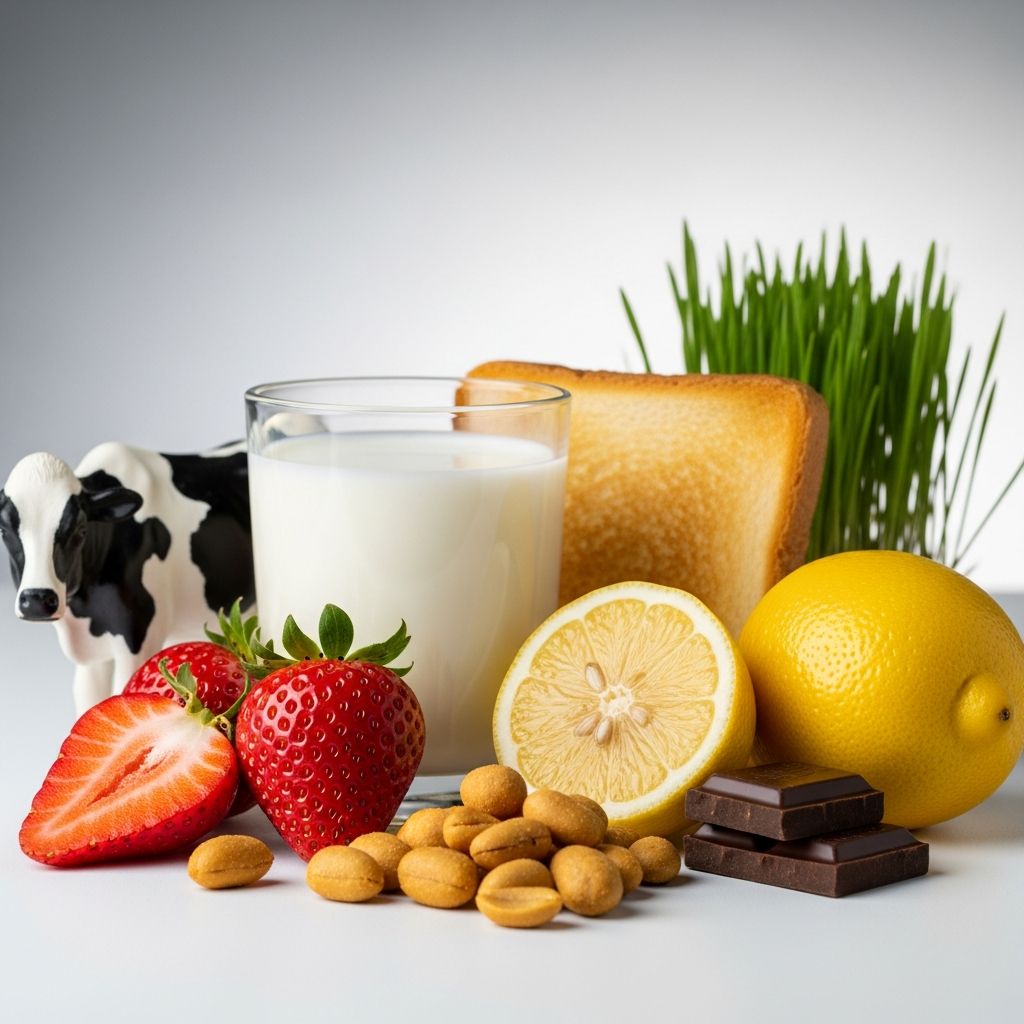
- Dairy Products: Milk, cheese, and yogurt top the list, especially for children. About 25% of eczema patients report worsening from dairy, with half improving upon elimination. Dairy intolerance sparks inflammation without classic allergy symptoms.
- Eggs: Particularly egg whites, affect around 7% in small studies. Confirmed allergies require total avoidance, as reactions intensify eczema.
- Gluten and Wheat: Those with celiac or non-celiac sensitivity experience flares from wheat-based products. Gluten’s role remains debated but linked in subsets.
- Soy Products: Tofu, soy milk, and derivatives irritate sensitive skins as a top allergen.
- Processed Foods and Sugar: High in additives, trans fats, and simple sugars, these fuel inflammation. 16% note sugar flares; ultra-processed items correlate with worse eczema.
- Nightshades: Tomatoes, potatoes, eggplants—13% cite tomatoes; 50% improve by avoiding all.
- Nuts and Legumes: Peanuts, tree nuts, soy beans pose risks, especially in kids.
- Spicy Foods: 2-5% report aggravation, similar to rosacea triggers.
| Food Category | Prevalence in Studies | Reaction Type |
|---|---|---|
| Dairy | 25% report worsening | Inflammatory/intolerance |
| Eggs | 7% without allergy | Allergic flare |
| Sugar | 16% | Inflammation |
| Nightshades | 13% for tomatoes | Sensitivity |
| Processed Foods | Associated with eczema risk | Systemic inflammation |
Less Common Triggers
Beyond basics, systemic contact dermatitis from foods like nickel-rich items (legumes, oats, soy, nuts), balsam of Peru-related (citrus, tomatoes, spices, chocolate), and chamomile tea can flare eczema. Formaldehyde in aspartame or preservatives may trigger eyelid dermatitis. These require specialized patch testing.
Food Allergies vs. Sensitivities in Eczema
Allergies involve IgE-mediated responses (e.g., hives, anaphylaxis), while sensitivities cause delayed eczema flares without systemic symptoms. Common allergens: cow’s milk, eggs, peanuts, tree nuts, wheat, soy, fish, shellfish, sesame. Eczema raises food allergy risk, especially in infants. Skin prick tests and atopy patch tests help, but double-blind challenges confirm true triggers due to high false positives.
Related Stories



How To Identify Your Eczema Triggers
- Keep a Food Diary: Log meals and symptoms for 2-4 weeks.
- Elimination Diet: Remove suspects (dairy, eggs, etc.) for 4-6 weeks, reintroduce one by one.
- Allergy Testing: Consult allergist for skin prick, blood IgE, or patch tests.
- Professional Guidance: Work with dermatologist or dietitian to avoid nutritional gaps, e.g., calcium from non-dairy if avoiding milk.
Avoid self-diagnosis; unsupervised elimination can lead to deficiencies or new allergies.
Foods to Avoid with Eczema
- Cow’s milk and derivatives
- Eggs (especially whites)
- Wheat/gluten-containing grains
- Soy-based products
- High-sugar items (soda, candy)
- Ultra-processed snacks
- Nightshade veggies
- Spicy dishes
- Nickel-rich: chocolate, oats, nuts
Eczema-Friendly Foods
Focus on anti-inflammatory options:
- Fruits/Veggies: Berries, broccoli, kale for antioxidants.
- Omega-3s: Fatty fish (if not allergic), flaxseeds, walnuts (if tolerated).
- Probiotics: Yogurt alternatives, kefir.
- Anti-Inflammatories: Turmeric, ginger (non-spicy).
No universal “eczema diet” exists; balance is key.
Frequently Asked Questions (FAQs)
Can dairy cause eczema?
Yes, dairy triggers flares in about 25% via intolerance; elimination helps half.
Do eggs worsen eczema?
Eggs affect 7% without allergy, more if allergic—avoid accordingly.
Is sugar bad for eczema?
Added sugars inflame skin; 16% report flares. Limit, not natural fruit sugars.
Should I avoid gluten with eczema?
If sensitive, yes; test first as benefits vary.
Are nightshades eczema triggers?
For some (13% tomatoes); trial elimination.
How long for elimination diet?
4-6 weeks removal, 3-day reintroduction challenges.
Can diet cure eczema?
No, but managing triggers reduces flares alongside topicals/moisturizers.
When to See a Doctor
Seek care if flares persist, infect, or impact sleep/quality of life. Allergists/dermatologists offer testing; pediatricians guide kids. Very few gain full relief from diet alone.
Managing eczema holistically—moisturize, avoid irritants, use prescribed treatments—yields best results. Personalized nutrition empowers control.
References
- Diet and Dermatitis: Food Triggers — National Library of Medicine, PMC. 2014-02-26. https://pmc.ncbi.nlm.nih.gov/articles/PMC3970830/
- 8 Foods That Cause Eczema — GoodRx Health. 2024. https://www.goodrx.com/conditions/eczema/diet-eczema
- Eczema and Food Allergies: Quick Guide — Summer Health. 2024. https://www.summerhealth.com/blog/eczema-food-allergy-test
- 5 Foods That May Cause Eczema Flare-ups — Scannon Dermatology. 2023. https://www.scannondermatology.com/5-foods-that-may-cause-eczema-flare-ups/
- Should I Avoid Foods if I Have Eczema? — National Eczema Association (YouTube). 2023. https://www.youtube.com/watch?v=57IkpSmNKP4
Similar Articles








Read full bio of medha deb