What Happens If You Eat More Protein Than Carbs?
Discover the benefits and risks of high-protein, low-carb diets for weight loss, health, and long-term wellness.
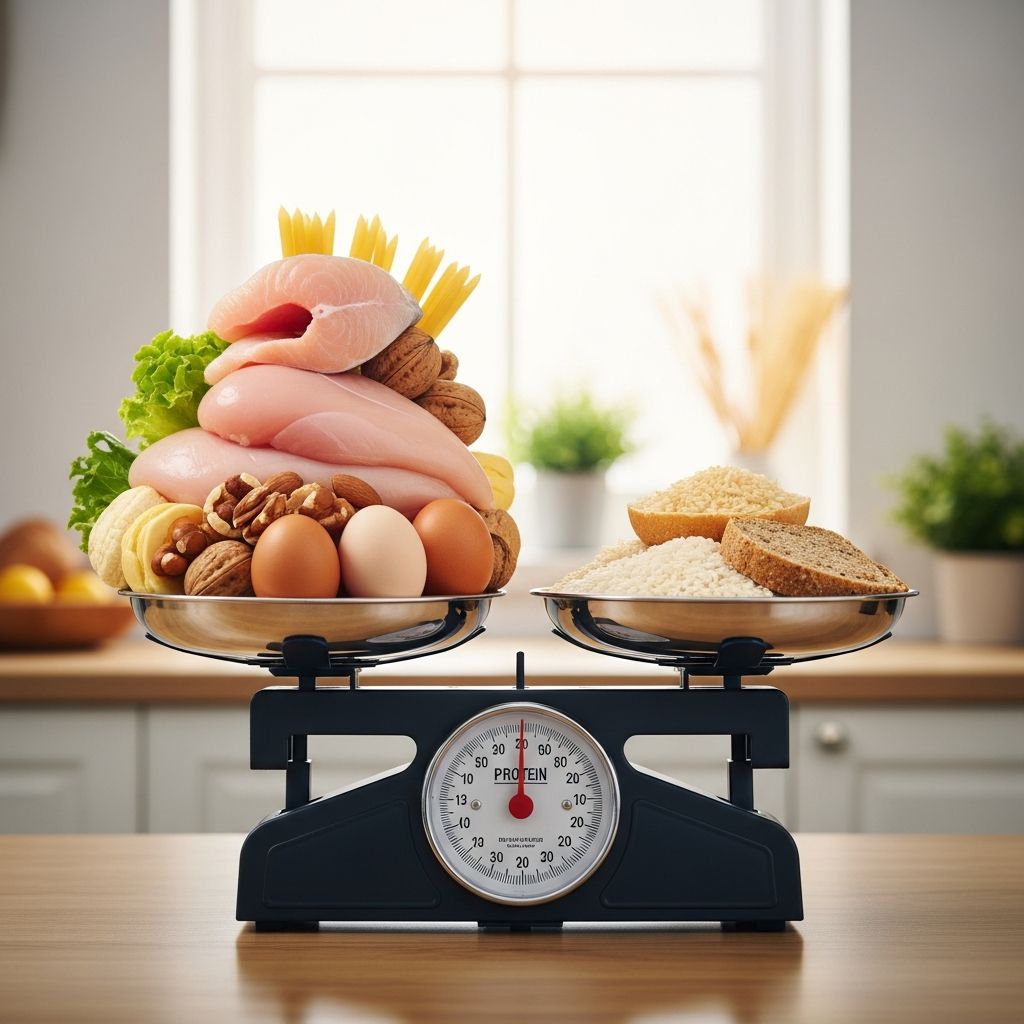
Eating more protein than carbohydrates shifts your diet toward a high-protein, low-carb approach, often used for weight loss and metabolic health. This macronutrient balance can promote satiety, preserve muscle, and improve insulin sensitivity, but excessive intake may pose risks like kidney strain or bone density loss.
Protein vs. Carbs: Macronutrient Basics
Proteins serve as the building blocks for muscles, enzymes, hormones, and immune function, broken down into amino acids essential for repair and growth. Carbohydrates provide quick energy via glucose, fueling brain function and physical activity. In a typical diet, carbs make up 45-65% of calories, proteins 10-35%, but flipping this ratio emphasizes protein’s slower digestion for prolonged fullness.
- Protein sources: Meat, fish, eggs, dairy, tofu, beans, nuts.
- Carb sources: Grains, fruits, vegetables, sugars.
- A high-protein diet typically exceeds 1.2g per kg body weight daily, often 25-30% of calories from protein versus under 40% from carbs.
Recommended intakes vary: sedentary adults need 0.8g/kg, active individuals 1.2-2.0g/kg, older adults up to 1.2g/kg to combat muscle loss.
Benefits of a High-Protein, Low-Carb Diet
High-protein diets outperform high-carb ones in several areas, particularly for obese individuals without diabetes.
Weight Loss and Satiety
Protein suppresses hunger more effectively due to its low glycemic index, avoiding blood sugar spikes and crashes that trigger cravings. It boosts the thermic effect of food by 20-30%, meaning more calories burned during digestion. Studies show greater fat mass loss and BMI reduction on high-protein plans.
- Hyperglycemia from high-GI carbs leads to hypoglycemia and hunger 4-6 hours later; proteins stabilize this.
- Hypocaloric high-protein diets spare lean mass better than high-carb versions.
Improved Insulin Sensitivity and β-Cell Function
In a 6-month trial with obese premenopausal women, high-protein (HP) diets improved insulin sensitivity and β-cell function markers more than high-carb (HC) diets. HP groups showed better glucoregulation without diabetes risk elevation.
Reduced Oxidative Stress and Inflammation
HP diets lowered oxidative stress (dichlorofluorescein), lipid peroxidation (malondialdehyde), and proinflammatory cytokines (TNF-α, IL-6) significantly more than HC. C-reactive protein and E-selectin dropped more (8.6% vs. 3.7%). Adiponectin, protective against inflammation, improved.
Muscle Preservation and Metabolic Boost
Protein maintains lean body mass during calorie restriction, crucial for metabolism. Resting energy expenditure may rise, aiding sustained weight loss. For athletes, 1.6-2.2g/kg supports training without excess.
Potential Downsides and Risks
While beneficial short-term, long-term high-protein intake (over 2g/kg or 22% calories) carries risks, especially if unbalanced.
Kidney Strain
Kidneys filter urea from protein metabolism; excessive loads strain them, risky for those with pre-existing issues. Foamy urine signals protein leakage, indicating damage. Healthy individuals tolerate up to 2g/kg, but monitor.
Related Stories



Bone Health Concerns
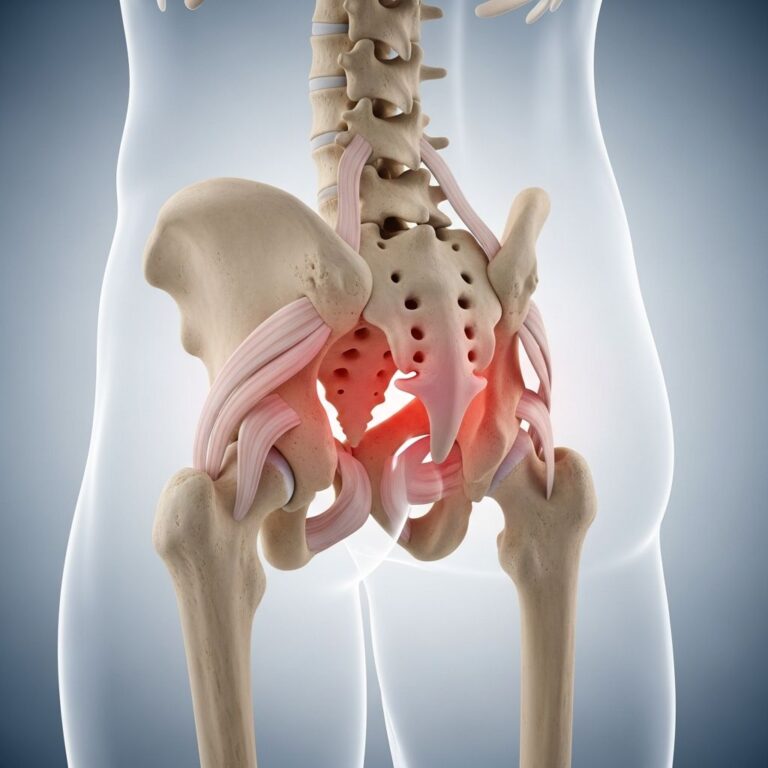
High protein may increase calcium excretion, raising bone-density loss and kidney stone risk per some reviews. Acidic load from animal proteins could contribute, though plant proteins mitigate this.
Cardiovascular Implications
Elevated leucine from overconsumption might impair plaque clearance in vessels, per one study, potentially raising heart attack/stroke risk above 22% calories from protein.
| Aspect | High-Protein Benefits | Potential Risks |
|---|---|---|
| Weight Loss | Greater fat loss, satiety | Minimal if balanced |
| Metabolism | Improved insulin sensitivity | Lean mass loss if extreme |
| Kidneys | Safe for healthy | Strain in diseased |
| Bones | Neutral short-term | Density loss long-term |
Who Should Consider a High-Protein, Low-Carb Diet?
Ideal for overweight individuals seeking weight loss, athletes building muscle, or older adults preventing sarcopenia. Obese women saw metabolic gains in trials. Not for kidney patients or those needing high energy (e.g., endurance athletes relying on carbs).
- Combine with: Exercise to preserve muscle, fiber-rich veggies for gut health.
- Monitor: Hydration, kidney function via tests.
How Much Protein Is Too Much?
No universal upper limit, but avoid exceeding 2g/kg long-term without need. New U.S. guidelines suggest 1.2-1.6g/kg, up from 0.8g/kg. Balance with carbs/fats to prevent nutrient gaps.
For a 70kg person: 84-112g/day recommended, versus old 56g. Active: up to 119g.
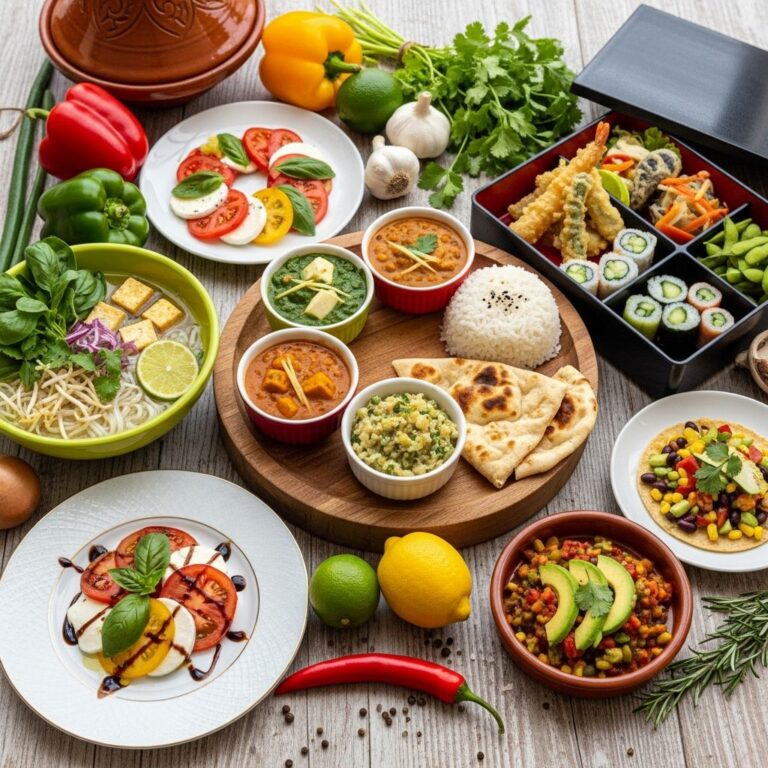
Sample High-Protein, Low-Carb Meal Plan
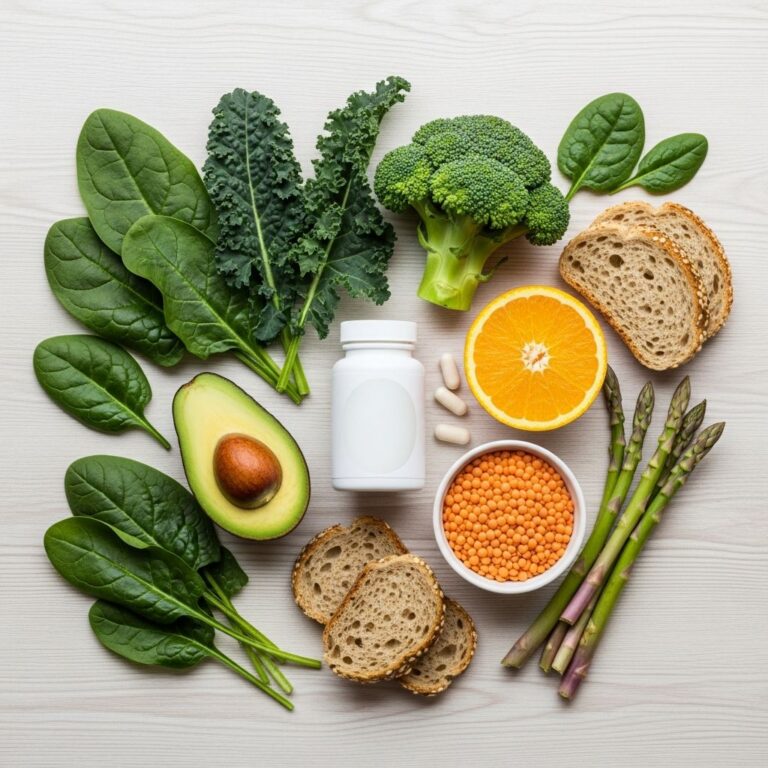
- Breakfast: Eggs with spinach and avocado (30g protein).
- Lunch: Grilled chicken salad with nuts (40g).
- Dinner: Salmon with broccoli (35g).
- Total: ~120g protein, <100g carbs for 70kg person.
Frequently Asked Questions (FAQs)
Is it safe to eat more protein than carbs daily?
Yes for healthy adults short-term; provides satiety and metabolic benefits. Limit to 1.6-2g/kg, balance macros.
Can high protein damage kidneys?
Risky only with pre-existing conditions; healthy kidneys handle it. Watch for foamy urine.
Does high protein help build muscle?
Yes, especially with resistance training; preserves mass during dieting.
Are plant proteins as effective?
Nearly, if complete (e.g., quinoa, soy); less acidic for bones.
How long can I follow a high-protein low-carb diet?
Cyclical use best; 3-6 months for weight loss, then balance. Consult professionals.
This approach enhances health markers like reduced inflammation and better insulin response, but sustainability matters. Tailor to needs, prioritize whole foods.
References
- Effects of High-Protein Versus High-Carbohydrate Diets on Markers of β-Cell Function, Oxidative Stress, Lipid Peroxidation, Proinflammatory Cytokines, and Adipokines in Obese, Premenopausal Women Without Diabetes — Abbas E. Kitabchi et al. 2013-07-01. https://pmc.ncbi.nlm.nih.gov/articles/PMC3687312/
- Is there such a thing as ‘too much’ protein? — Live Science. 2023-12-31. https://www.livescience.com/health/food-diet/is-there-such-a-thing-as-too-much-protein
Similar Articles








Read full bio of Sneha Tete