What Happens If You Take Too Much Biotin?
Discover the risks of excessive biotin intake, from lab test interference to rare side effects, and learn safe supplementation guidelines.
Biotin, also known as vitamin B7, supports metabolism by helping convert food into energy, promoting healthy hair, skin, and nails. While generally safe due to its water-soluble nature, excessive intake—often from high-dose supplements—can lead to significant issues, primarily interfering with laboratory blood tests rather than direct toxicity.
Most people obtain sufficient biotin from diet alone, but supplements marketed for beauty benefits frequently contain doses up to 10,000 times the daily recommendation. This article examines the consequences of overconsumption, drawing from medical research and health authorities.
What Is Biotin?
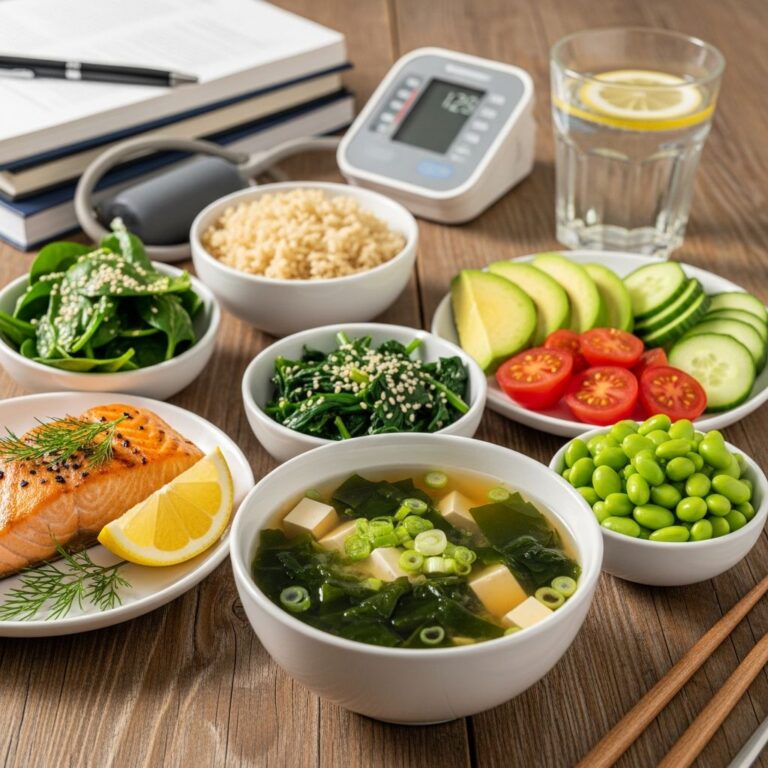
Biotin is a B-complex vitamin essential as a coenzyme in carboxylase enzymes, facilitating processes like gluconeogenesis, fatty acid synthesis, and amino acid breakdown. It occurs naturally in foods such as eggs, nuts, seeds, salmon, avocados, sweet potatoes, and organ meats.
The adequate intake (AI) for adults is 30 micrograms (mcg) daily, as established by health authorities; no recommended dietary allowance (RDA) exists due to limited deficiency cases in healthy populations. Biotin deficiency, though rare, manifests as thinning hair, brittle nails, scaly rashes, and neurological symptoms, typically in those with genetic disorders, prolonged antibiotic use, or excessive raw egg white consumption (which binds biotin).
- Key functions: Energy production from carbs, fats, proteins; cell growth and maintenance.
- Dietary sources: Liver (30 mcg/3oz), salmon (5 mcg/3oz), almonds (1.5 mcg/oz).
- Deficiency risks: Rare, but higher in pregnancy, smokers, or anticonvulsant users.
How Much Biotin Should You Take?
Healthy adults rarely need supplements, as dietary intake suffices. Pregnant or breastfeeding individuals may require slightly more (30-35 mcg), but megadoses (5,000-10,000 mcg) in hair supplements exceed needs dramatically.
No upper intake level (UL) is set due to lack of toxicity evidence, but experts caution against routine high dosing. Studies show even 300 mg daily (10,000x AI) caused no adverse effects in multiple sclerosis patients, yet lab interference remains a concern.
| Group | Adequate Intake (mcg/day) | Common Supplement Dose (mcg) |
|---|---|---|
| Adults (19+) | 30 | 2,500-10,000 |
| Pregnant | 30 | Same |
| Lactating | 35 | Same |
Source: Adapted from NIH and Harvard Nutrition Source.
Symptoms of Too Much Biotin
Direct toxicity from biotin is exceedingly rare; as a water-soluble vitamin, excess is excreted in urine, preventing accumulation in those with normal kidney function. No documented overdose cases exist, even at extreme doses.
Potential mild symptoms include insomnia, excessive thirst, frequent urination, and stomach upset, possibly linked to hyperglycemic-like effects in diabetics. However, these are not conclusively proven and remain anecdotal.
- Rare reported effects: Insomnia, polydipsia (thirst), polyuria (urination).
- No severe toxicity: Unlike fat-soluble vitamins, no organ damage reported.
- Special caution: Diabetics may experience glucose dysregulation.
Side Effects of Biotin Overdose
The primary “side effect” of high-dose biotin is laboratory interference, not physiological harm. Biotin binds to streptavidin in immunoassay tests, causing falsely high or low results.
The FDA has issued warnings since 2017 (updated 2022) about risks, including one reported death from missed heart attack diagnosis due to false-low troponin. Case reports include children misdiagnosed with Graves’ disease from skewed thyroid tests.
Commonly Affected Tests
| Test Type | Potential Interference | Clinical Impact |
|---|---|---|
| Troponin (heart attack) | False low | Missed myocardial infarction |
| Thyroid (TSH, T4, T3) | False low TSH, high T4/T3 | Misdiagnosis of hyperthyroidism |
| Hormone panels (PTH, FSH, LH) | Altered levels | Incorrect endocrine treatment |
| Vitamin D | False high | Unnecessary interventions |
Related Stories



Interference occurs at doses ≥10 mg; stop supplements 72 hours (or longer for high doses) before testing.
Biotin and Lab Test Interference
High biotin concentrations disrupt biotin-streptavidin binding in over 100 assays, per FDA alerts. A 2016 New England Journal of Medicine report detailed six children with false hyperthyroidism indicators that normalized post-discontinuation.
Emergency rooms rely on troponin for chest pain evaluation; false negatives delay critical care. Thyroid misreads complicate hypothyroidism management or lead to unwarranted antithyroid drugs.
Solution: Disclose supplement use to providers; withhold biotin 2-7 days pre-test based on dose and assay. Labs increasingly use biotin-free methods.
Who Should Avoid High-Dose Biotin?
- Those with upcoming lab tests: Heart, thyroid, hormone panels.
- Diabetics: Potential glucose effects.
- Pregnant/breastfeeding: Stick to food sources unless prescribed.
- Anticonvulsant users/smokers: Monitor for induced deficiency, not excess.
Consult physicians before starting; most don’t need supplements.
What to Do If You’ve Taken Too Much Biotin
If concerned about overdose, contact Poison Control (1-800-222-1222) or seek ER care for severe symptoms—though unlikely. No antidote needed; hydration supports excretion.
For lab interference suspicions, retest after 72+ hours off biotin. Inform providers of all supplements for accurate interpretation.
Frequently Asked Questions (FAQs)
Can you overdose on biotin?
No documented cases exist; excess is urinated out. High doses are safe physiologically but risk lab errors.
Does biotin cause hair loss?
No; deficiency may, but supplements don’t. High doses won’t accelerate loss.
How long does biotin stay in your system?
Excess clears in 24-72 hours via urine; interference may persist up to a week at megadoses.
Is biotin safe during pregnancy?
At AI levels yes; avoid high supplements without advice.
Can biotin interact with medications?
Minimal; anticonvulsants may increase needs.
Key Takeaways
- Biotin is safe at any dose—no toxicity threshold.
- Main risk: Skewed blood tests for heart, thyroid, hormones.
- Stop 72 hours pre-lab; disclose use.
- Diet provides enough for most; supplements for deficiency only.
Prioritize evidence-based use to avoid diagnostic pitfalls.
References
- Biotin – StatPearls — NCBI Bookshelf/NCBI. 2023-07-17. https://www.ncbi.nlm.nih.gov/books/NBK554493/
- Can You Take Too Much Biotin? Side Effects and Dosage Guidelines — GoodRx. 2024-05-15. https://www.goodrx.com/well-being/supplements-herbs/can-you-take-too-much-biotin
- Take Biotin? For Most, Better to Save Your Money — McGill University OSS. 2022-11-10. https://www.mcgill.ca/oss/article/medical-health-and-nutrition/take-biotin-most-better-save-your-money
- Biotin – Vitamin B7 — Harvard T.H. Chan School of Public Health. 2023-09-01. https://nutritionsource.hsph.harvard.edu/biotin-vitamin-b7/
- Biotin Side Effects: Can You Take Too Much? — Cleveland Clinic. 2024-02-20. https://health.clevelandclinic.org/biotin-side-effects
Similar Articles








Read full bio of medha deb