What Happens to Your Body When You Add Sulforaphane to Your Diet
Discover the powerful health transformations from adding sulforaphane-rich foods like broccoli sprouts to your daily diet for optimal wellness.
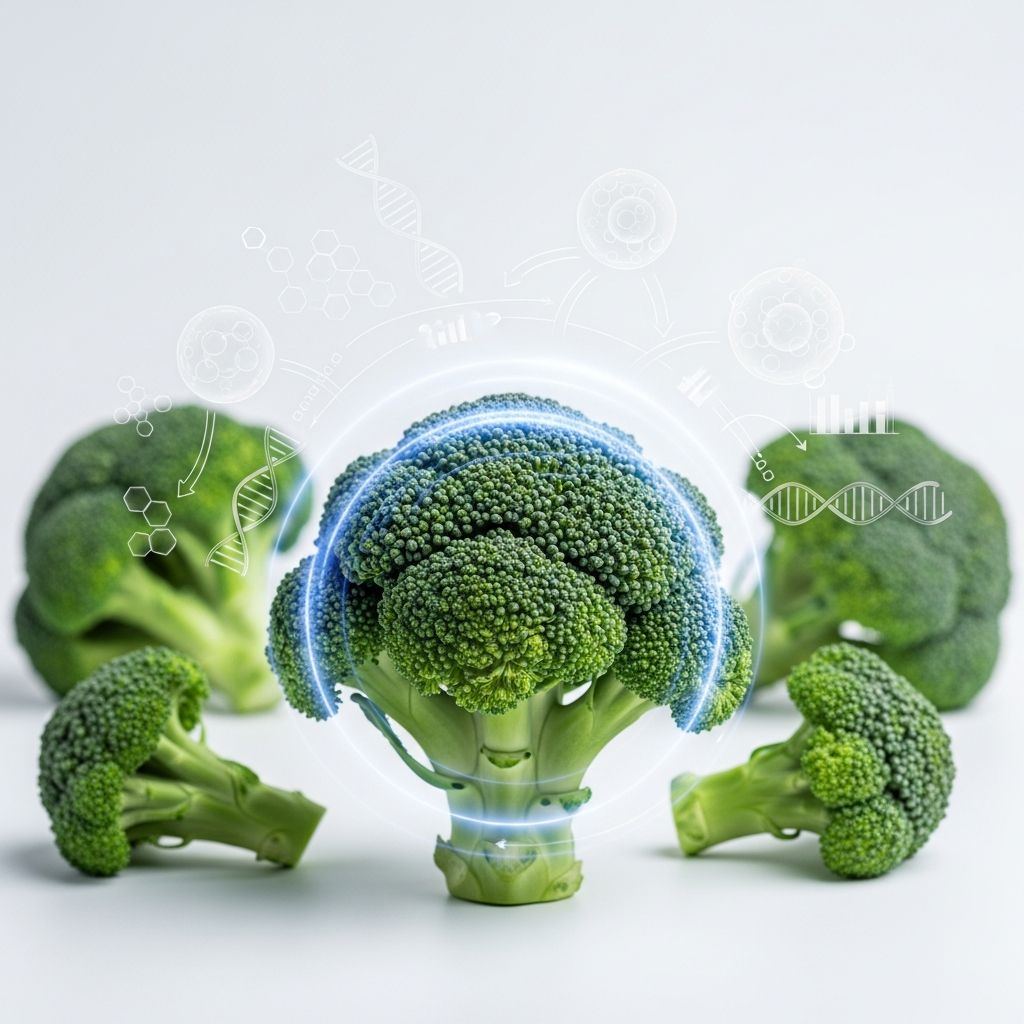
Sulforaphane is a potent sulfur-containing compound found primarily in cruciferous vegetables like broccoli, broccoli sprouts, Brussels sprouts, cabbage, and kale. Formed when the enzyme myrosinase interacts with glucoraphanin during chewing or chopping, sulforaphane activates the body’s NRF2 pathway, regulating over 200 genes involved in antioxidant defense, detoxification, and anti-inflammatory responses. This natural activator combats oxidative stress, a key driver of aging and chronic diseases.
Research highlights sulforaphane’s multifaceted benefits, from cancer prevention to cardiovascular protection and beyond. Clinical trials and animal studies demonstrate its ability to reduce inflammation markers like IL-6, TNF-alpha, and CRP, while enhancing liver detoxification and glutathione levels. Adding sulforaphane-rich foods to your diet may profoundly influence cellular health, but optimal intake depends on food preparation and individual factors like gut microbiome.
What Is Sulforaphane?
Sulforaphane (SFN) is an isothiocyanate derived from glucoraphanin, a glucosinolate abundant in cruciferous vegetables from the Brassica family. Unlike many nutrients, sulforaphane isn’t pre-formed; it’s produced through hydrolysis when plant cells are damaged, releasing myrosinase to convert glucoraphanin into active SFN. Broccoli sprouts contain the highest concentrations—up to 100 times more than mature broccoli—making them a sulforaphane powerhouse.
The compound’s bioavailability varies: raw or lightly steamed vegetables maximize production, while boiling or overcooking destroys myrosinase, reducing SFN yield by up to 90%. Once ingested, sulforaphane is absorbed in the gut, peaks in plasma within 1-3 hours, and is metabolized via mercapturic acid pathway for excretion. Its stability in the body allows sustained NRF2 activation, influencing gene expression for hours to days.
Pharmacologically, sulforaphane’s –NCS group is key to its bioactivity, enabling it to alkylate Keap1 protein, freeing Nrf2 for nuclear translocation and antioxidant response element (ARE) binding. This mechanism underpins its protective effects against toxins, carcinogens, and inflammation.
5 Impressive Things That Happen to Your Body When You Add More Sulforaphane to Your Diet
Incorporating sulforaphane triggers cascading benefits by modulating oxidative stress, inflammation, and detoxification pathways. Here’s what science shows happens:
1. It Activates Your Body’s Powerful Detoxification System
Sulforaphane supercharges phase II detoxification enzymes in the liver, including glutathione S-transferases (GSTs) and UDP-glucuronosyltransferases (UGTs), boosting clearance of carcinogens, heavy metals, and xenobiotics. By inducing Nrf2, it elevates glutathione (GSH), the master antioxidant, by 20-50% in human trials.
Animal studies confirm sulforaphane protects against acetaminophen-induced liver damage by enhancing GSH synthesis and reducing reactive oxygen species (ROS). In humans, broccoli sprout consumption increased excretion of air pollutants like benzene by 61% and acrolein by 23%, demonstrating real-world detox prowess. Regular intake may lower chronic toxin burden, supporting liver health and preventing fatty liver disease.
2. It May Protect Against Certain Cancers
Sulforaphane exhibits anticancer effects by inhibiting phase I enzymes (e.g., CYPs) that activate procarcinogens, while promoting phase II detox. It induces apoptosis, cell cycle arrest, and autophagy in cancer cells via histone deacetylase (HDAC) inhibition and ROS modulation.
Observational data links high cruciferous intake to 20-55% reduced risk of lung, prostate, breast, bladder, and colon cancers. In prostate cancer trials, 60mg daily SFN slowed PSA doubling time by 86% versus placebo. Combined with chemotherapy, it enhances efficacy in leukemia and breast cancer models by sensitizing resistant cells. While promising, human trials emphasize prevention over cure; more RCTs are needed.
Related Stories



3. It Reduces Inflammation
Chronic inflammation fuels diseases like arthritis, diabetes, and neurodegeneration. Sulforaphane suppresses NF-κB signaling, downregulating pro-inflammatory cytokines (IL-6, TNF-α) by 30-50% in studies. Diets rich in cruciferous veggies lowered CRP levels significantly.
In rheumatoid arthritis models, SFN alleviated joint swelling and cytokine storms. Human data from obese individuals showed reduced inflammatory markers after broccoli sprout intervention. By balancing immune responses, sulforaphane may mitigate “inflammaging,” promoting longevity.
4. It Supports Heart Health
Sulforaphane protects endothelium by reducing oxidative stress and inflammation, preventing atherosclerosis. Rat studies report 20-30% blood pressure drops and improved vascular function.
It modulates lipid metabolism, lowers LDL oxidation, and inhibits platelet aggregation via cAMP elevation. Nrf2 activation counters ischemia-reperfusion injury, potentially aiding post-heart attack recovery. Population studies associate cruciferous intake with 15-20% lower cardiovascular risk.
5. It Improves Brain Health and May Ease Autism Symptoms
Sulforaphane crosses the blood-brain barrier, upregulating brain-derived neurotrophic factor (BDNF) and GSH to combat neuroinflammation and oxidative damage in Alzheimer’s and Parkinson’s models.
In a landmark RCT, young adults with autism spectrum disorder (ASD) taking sulforaphane showed significant improvements in social interaction, communication, and behavior after 18 weeks, reversing upon withdrawal. Pediatric trials replicated these gains, attributing effects to Nrf2-mediated relief of oxidative stress and inflammation hallmarks in ASD.
Other Potential Benefits of Sulforaphane
- Diabetes Management: Lowers fasting blood sugar by 6.5% and HbA1c in type 2 diabetics, enhances insulin sensitivity via Nrf2.
- Gut Health: Eradicates Helicobacter pylori, modulates microbiome for better barrier function and reduced ulcers.
- Obesity: Inhibits adipogenesis, promotes browning of fat for thermogenesis.
- Respiratory Protection: Improves asthma, COPD symptoms by thinning mucus and reducing inflammation.
Food Sources of Sulforaphane
Broccoli sprouts top the list with 1,065 mg/100g glucoraphanin, yielding ~400-1,200 mg SFN per serving. Mature broccoli provides 10-100 mg/100g; Brussels sprouts, kale, cabbage follow.
| Food | Sulforaphane Potential (mg/100g) | Best Preparation |
|---|---|---|
| Broccoli Sprouts | 400-1,200 | Raw, chopped |
| Broccoli | 10-100 | Steam 3-5 min |
| Brussels Sprouts | 50-150 | Lightly steam |
| Kale | 20-80 | Raw in salads |
| Cabbage | 30-90 | Fermented (sauerkraut) |
Aim for 100-200g sprouts daily or equivalent for therapeutic doses. Supplements exist but may lack myrosinase; whole foods preferred.
Sulforaphane Dosage: How Much Do You Need Daily?
Studies use 20-100mg pure SFN equivalents daily, achievable via 50-100g broccoli sprouts. No official RDA exists; 1-4 servings cruciferous veggies weekly suffice for maintenance. For therapeutic aims (e.g., cancer support), 60-200mg SFN daily under supervision.
Bioavailability tips: Pair with mustard seed powder if myrosinase-deficient; avoid microwaving. Genetic variations (e.g., GST polymorphisms) influence response—fast metabolizers benefit more.
Potential Sulforaphane Side Effects
Generally safe at dietary levels; high doses (>200mg) may cause mild GI upset, gas, or thyroid interference in iodine-deficient individuals. No toxicity in trials up to 400mg. Contraindicated in hypothyroidism without monitoring; pregnant/lactating women should stick to food sources.
Frequently Asked Questions (FAQs)
What is the best source of sulforaphane?
Broccoli sprouts offer the highest concentration—up to 100x more than mature broccoli. Consume raw or lightly steamed for max activation.
Can sulforaphane cure cancer?
No, but it shows preventive and adjunctive benefits by enhancing detox and apoptosis. Consult oncologists for integrative use.
How long until sulforaphane benefits appear?
Acute effects (detox) in days; chronic (inflammation, cancer risk) in weeks-months with consistent intake.
Are sulforaphane supplements effective?
Stabilized forms (e.g., with myrosinase) work, but whole foods provide synergistic phytonutrients. Choose third-party tested.
Does cooking destroy sulforaphane?
Yes, heat >140°F deactivates myrosinase. Steam briefly or eat raw/fermented.
References
- 6 Proven Health Benefits Of Sulforaphane — 3X4 Genetics. 2023. https://3x4genetics.com/blogs/consumer-news/6-proven-health-benefits-of-sulforaphane
- Sulforaphane—A Compound with Potential Health Benefits for Disease Prevention and Treatment — PMC (PubMed Central). 2024-03-01. https://pmc.ncbi.nlm.nih.gov/articles/PMC10886109/
- Sulforaphane: Benefits, Side Effects, and Food Sources — Healthline. 2023. https://www.healthline.com/nutrition/sulforaphane
Similar Articles








Read full bio of Sneha Tete